How to Measure Torque with an Impact Wrench
You tighten a lug nut with an impact wrench and hope it’s secure — but what if it’s overtightened or still loose? The risk of snapping a stud or having a wheel come off is real.
Many assume that an impact wrench automatically delivers perfect torque, yet its power varies depending on air pressure, battery charge, and even tool wear. This makes measuring torque one of the most overlooked steps in any fastening job.
Torque represents how much twisting force a wrench applies to a bolt or nut. Too little, and parts loosen under vibration. Too much, and threads stretch or break, damaging the connection entirely.
According to Fastener Engineering, proper torque control can increase joint reliability by up to 60%, while poor torque measurement remains a leading cause of fastener failure in mechanical systems [FastenerEngineering].
Another study found that over 40% of improperly torqued automotive fasteners come from uncalibrated or uncontrolled impact wrench use [GarageWire]. This highlights why understanding how to measure torque with an impact wrench is critical for safety and precision.
This guide explains how torque works, why impact wrenches can’t deliver consistent torque by feel alone, and the best ways to measure it accurately.
By learning the correct methods and tools for torque verification, you can prevent failures, ensure consistent tightening, and extend the life of both your fasteners and your wrench.
What Is Torque and Why It Matters
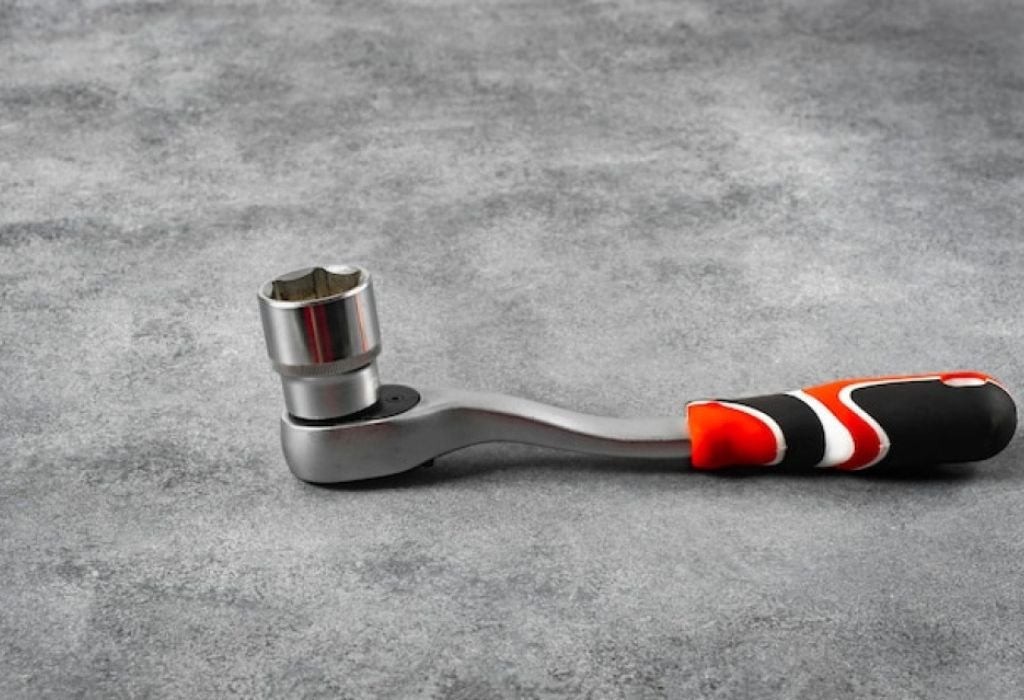
Torque is the twisting force that rotates a bolt or nut. It’s measured in foot-pounds (ft-lb) or newton-meters (Nm) and determines how securely a fastener is tightened.
Proper torque is vital in every mechanical application. Too little torque allows parts to loosen under vibration, while too much can stretch or break bolts completely.
Every manufacturer specifies torque settings for critical components. Following these ensures safety, even load distribution, and prevents mechanical failure.
What does torque mean?
It’s the rotational force applied to tighten or loosen a fastener.
Why does torque matter?
Incorrect torque leads to leaks, cracks, or dangerous part failures.
What units measure torque?
Foot-pounds (ft-lb) or newton-meters (Nm).
Is torque the same as power?
No, torque is force; power combines torque and rotational speed.
Can torque affect safety?
Yes, improper torque can lead to catastrophic mechanical issues.
Why Measuring Torque on an Impact Wrench Is Difficult
An impact wrench doesn’t apply steady pressure. Instead, it delivers rapid hammer blows, which makes torque output inconsistent and hard to measure.
Air pressure, battery level, and even tool wear all influence how much torque is produced. These variables change from job to job, making precision difficult.
Manufacturer torque ratings are based on lab tests, not real-world use. In practice, the torque you get depends heavily on the conditions in which you operate.
Can impact wrenches give exact torque readings?
No, each hammer strike differs in force, so readings fluctuate.
Why do results vary?
Temperature, voltage, and lubrication all change how much torque is delivered.
Are factory ratings accurate?
They’re guidelines, not guaranteed measurements.
Can two identical tools differ?
Yes, due to wear, calibration, or power supply differences.
Does surface condition matter?
Yes, rust or oil dramatically changes fastener friction and torque.
Tools You Need to Measure Torque Accurately
Torque measurement requires proper instruments — guessing by feel isn’t enough.
A torque tester measures a wrench’s output under controlled load. A torque transducer connects inline and records digital readings in real time.
Torque sticks help limit torque by flexing under load, while a calibrated torque wrench provides precise final verification.
What is a torque tester?
A device that measures a power tool’s torque output accurately.
Are analyzers expensive?
Yes, but they provide essential precision for professional work.
What does a torque transducer do?
It converts applied torque into digital signals for recording.
Do torque sticks measure torque?
No, they limit it through flex but don’t display readings.
Can a torque wrench verify impact results?
Yes, it confirms the final tightening torque directly on the fastener.
Step-by-Step: How to Measure Torque with an Impact Wrench
Step 1: Secure a Torque Tester or Transducer
Mount the torque tester securely on a bench or torque plate to prevent movement.
Step 2: Attach the Impact Wrench
Fit the wrench’s anvil into the tester adapter using an impact-rated socket. Keep it aligned straight to avoid misreadings.
Step 3: Apply Torque Gradually
Run the wrench in short bursts and record each peak torque. Repeat at least five times to calculate an accurate average.
Step 4: Compare Results to Specifications
Match your average readings with manufacturer torque ratings. If there’s a large difference, the tool may need adjustment or servicing.
Step 5: Adjust Operating Conditions
Maintain stable air pressure (for pneumatic tools) or full battery charge (for cordless). Tool performance depends on consistent power.
Do I test at full speed?
Yes, to reflect real-world conditions.
How many tests are enough?
At least five to find an accurate average.
Why do numbers fluctuate?
Impact strikes differ in energy and rhythm.
What if output is too high?
Lower the air pressure or choose a lower power setting.
Are impact sockets mandatory?
Yes, only impact-rated sockets can safely handle the force.
Using Torque Sticks for Approximate Control
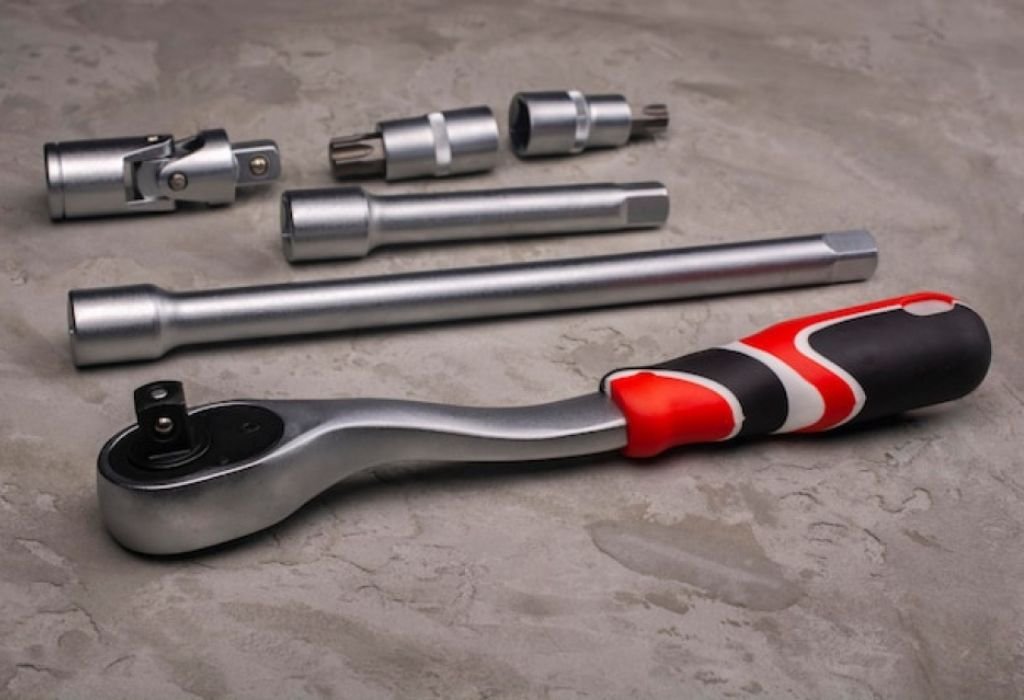
Torque sticks are quick, inexpensive torque limiters that flex at specific loads. They’re ideal for wheels and general automotive work.
Each color-coded stick corresponds to a torque rating and helps prevent over-tightening, though they’re not perfectly precise.
What are torque sticks?
Spring steel extensions that limit torque by flexing at set loads.
Are they accurate?
Within about ±10–15%, suitable for general use but not precision tasks.
How do I identify ratings?
Each color represents a torque value printed or etched on the stick.
Do they wear out?
Yes, they lose accuracy after heavy or prolonged use.
Should I still use a torque wrench?
Always verify with a calibrated torque wrench after using a torque stick.
Alternative Ways to Check Torque
Even without a torque tester, you can verify torque using manual methods. After tightening with the impact wrench, use a torque wrench to check each fastener.
A paint-mark method helps detect loosening — draw a line across the bolt and surface, and check later for any movement.
Can I verify torque after tightening?
Yes, by checking with a calibrated torque wrench.
Is removal torque reliable?
It gives a rough idea but isn’t perfectly accurate.
Do paint marks help?
Yes, if the marks shift, the fastener has moved.
Are digital adapters helpful?
Yes, they display torque readings when used with standard wrenches.
Which method is most accurate?
Using a torque tester under stable conditions provides the best accuracy.
Common Mistakes When Measuring Torque
Errors often happen when conditions aren’t consistent. Using dirty threads, the wrong socket, or unstable air pressure gives false readings.
Repeat tests under the same setup each time. Even small changes in temperature or tool angle affect measurement reliability.
Why are readings inconsistent?
Different surface friction or lubrication during each test.
Can I test on real bolts?
Yes, but take multiple readings for a true average.
Does lubrication matter?
Yes, it can reduce resistance by up to 40%.
Should I use thread locker?
No, use clean, dry threads when testing torque.
Do worn tools affect torque?
Yes, older impacts typically produce less torque output.
How to Calibrate and Maintain Accuracy
Calibration keeps your wrench delivering reliable torque. Professionals typically calibrate every 6–12 months.
Air impact wrenches should have regulated pressure, while cordless tools perform best on a full battery.
How often should calibration be done?
Every 6–12 months or after extensive use.
Who performs calibration?
Authorized service centers or certified torque labs.
Can calibration be done at home?
Basic checks can, but true calibration requires specialized tools.
Does battery charge affect torque?
Yes, lower charge decreases impact energy.
Can a drop affect accuracy?
Yes, internal components can misalign from impacts.
Real-World Torque Targets and Examples
Different fasteners require different torque ranges. Lug nuts usually need 80–140 ft-lb, while truck wheels need 400–600 ft-lb.
Suspension bolts often need 100–200 ft-lb, and industrial bolts may exceed 1,000 ft-lb. Always consult torque charts or manufacturer manuals.
Can I judge torque by feel?
No, human estimation is highly unreliable.
How much torque does a mid-torque wrench deliver?
Typically 300–600 ft-lb of breakaway force.
How powerful are high-torque wrenches?
Between 700 and 1,200 ft-lb or more.
Should I always finish with a torque wrench?
Yes, that ensures every fastener meets spec.
Are torque specs universal?
No, always follow the manufacturer’s guide.
Safety Tips While Testing Torque
Testing torque involves heavy force and vibration. Secure fixtures, wear PPE, and never hold sockets during operation.
Hearing protection is essential, and all sockets must be impact-rated to prevent shattering under load.
Can a socket break under torque?
Yes, if it’s not impact-rated or if it’s worn out.
Is hearing protection required?
Yes, impact wrenches can exceed 100 decibels.
Can I hold a torque tester by hand?
Never — always mount it securely to a solid surface.
Should gloves be worn?
Yes, for vibration protection and grip stability.
Can testing near fuel be dangerous?
Yes, sparks from metal contact can ignite fumes.
Final Verification — Always Use a Torque Wrench
An impact wrench provides speed, while a torque wrench provides accuracy. Use them together for the best results.
After tightening fasteners with an impact wrench, always confirm each with a calibrated torque wrench to match the manufacturer’s specifications.
Why use both tools?
The impact saves time; the torque wrench ensures precision.
Should every bolt be checked?
Yes, especially those on safety-critical components.
Can a torque wrench replace an impact wrench?
No, it’s slower but necessary for verification.
Are digital torque wrenches better?
Yes, they provide readings within ±2% accuracy.
How often should torque wrenches be calibrated?
At least once a year or every 5,000 uses.
Conclusion
Measuring torque with an impact wrench is about control and verification, not guesswork. Every strike varies, so understanding torque and using proper tools ensures reliable fastening.
Use a torque tester or transducer for precision, torque sticks for control, and a torque wrench for final confirmation. Regular calibration guarantees accuracy for every job.
By learning how to measure torque with an impact wrench correctly, you’ll improve safety, extend tool life, and ensure every fastener holds exactly as it should.

I’m Michael R. Turner, the founder, lead writer, and passionate DIY enthusiast behind 101diytools.com. With years of hands-on experience in home improvement and power tools, I built this platform to share practical tips, in-depth guides, and honest reviews to help DIYers of all skill levels tackle projects with confidence and the right tools.