How to Maintain Leather Work Gloves the Right Way
A carpenter slips on a pair of leather work gloves before lifting lumber, only to notice the palms are cracked and stiff.
What once offered strong grip and protection now feels brittle and weak.
The problem isn’t just wear—it’s poor maintenance. The question is clear: how to maintain leather work gloves so they stay flexible and safe for the long haul?
Leather is a natural material, prized for durability and comfort, but it requires care.
Sweat, dirt, and water slowly strip away its natural oils, causing shrinkage and cracks. Even small mistakes, like drying gloves on a heater or storing them in plastic, can shorten their lifespan dramatically.
The numbers highlight why maintenance matters. According to the U.S. Bureau of Labor Statistics, more than 120,000 hand injuries occur annually in construction and manufacturing jobs (source).
Many are preventable with reliable protective gear. Properly maintained leather gloves not only last up to twice as long as neglected ones but also retain their cut and abrasion resistance (source).
Fortunately, maintenance is simple. A routine of brushing away grit, hand-washing with mild soap, air-drying away from heat, and conditioning every few weeks can extend glove life significantly.
Adding waterproofing sprays, deodorizing methods, and breathable storage ensures that gloves stay comfortable and protective even in tough environments.
This guide will show you the right way to clean, condition, waterproof, and store your leather work gloves.
By the end, you’ll know the exact steps to preserve flexibility, grip, and protection—keeping your hands safe and your gloves in service longer.
Quick Answer — How to Maintain Leather Work Gloves (Daily, Weekly, Monthly)
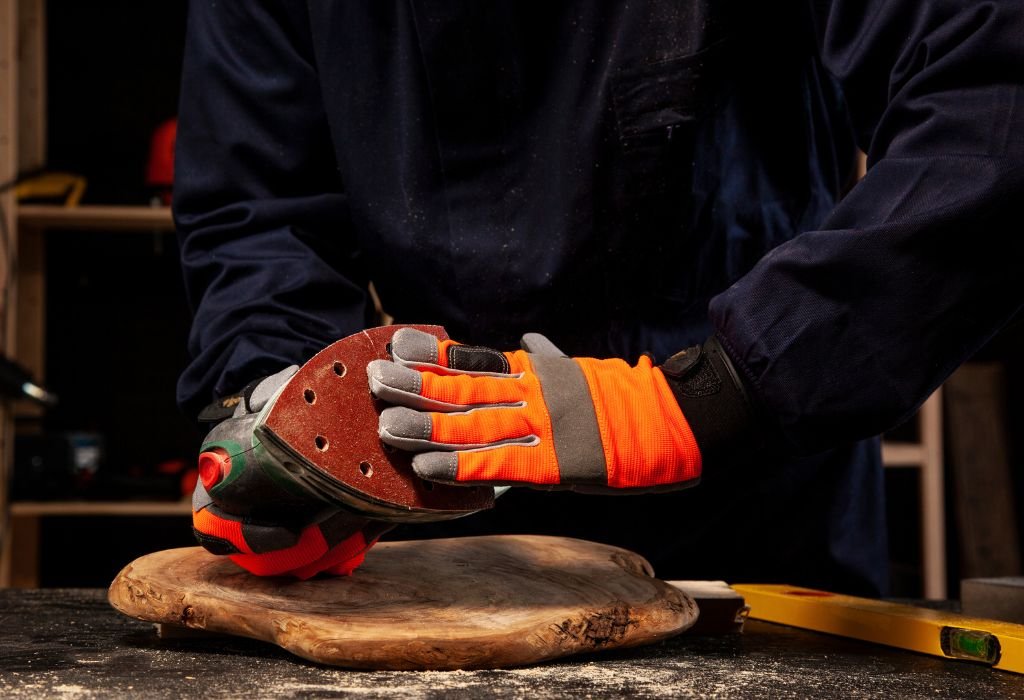
Leather work gloves last much longer with consistent care. A simple routine of daily cleaning, weekly checks, and monthly conditioning protects them from cracking and stiffness.
After each use, shake out dirt and brush away debris. If gloves get wet, air-dry them naturally at room temperature, never on a heater or in direct sunlight.
On a weekly basis, inspect stitching, seams, and palms for signs of wear. Wipe the leather with a damp cloth to remove sweat salts and light grime.
Every 4–6 weeks, or more often with heavy use, apply a thin layer of leather conditioner or balm. This restores oils, keeps the leather flexible, and helps resist water damage.
What’s the single biggest glove killer?
Excess heat and storing them while wet cause shrinkage and cracks.
How often should I condition gloves?
Every 4–6 weeks for light use, every 2–3 weeks for heavy or wet work.
Can leather gloves be washed?
Yes, by hand with mild soap—never in a washing machine.
Do waterproof sprays help?
Yes, apply after conditioning to add an extra protective barrier.
Are glove liners worth using?
Yes, liners absorb sweat and reduce salt buildup that stiffens leather.
Know Your Leather — Types, Linings, and Coatings
Grain Types and Cuts
Full-grain leather is the strongest and most durable. Split leather is cheaper and more absorbent, while suede requires gentler cleaning.
Which lasts longest?
Full-grain, if properly maintained.
Is split leather weaker?
Yes, it wears faster and needs more conditioning.
Does suede need special care?
Yes, use a suede brush and dry-cleaning block.
Common Linings
Work gloves may have fleece, Thinsulate, or Kevlar liners. Each requires different care to avoid damaging seams.
Can liners be turned inside out?
Only if designed for it—avoid stretching.
How to control odor?
Use removable liners or quick-dry inserts.
Coatings and Treatments
Oil-tanned, waxed, or hydrophobic leather resists water better but requires gentler cleaners.
Will oil strip coatings?
Yes, heavy oils may remove factory finishes.
Should I test new products?
Yes, always test on a hidden seam first.
Cleaning Leather Work Gloves
Dry Soil Removal
Let mud dry, then brush gently. This prevents smearing dirt deeper into fibers.
Should I brush wet mud?
No, wait until dry.
Can compressed air help?
Yes, short bursts remove debris safely.
Hand Washing
Use lukewarm water with mild soap or saddle soap. Avoid long soaks.
Soak time allowed?
None—clean quickly.
Is dish soap safe?
Mild, dye-free soap works in a pinch.
Machine wash possible?
No, it damages leather.
Rinse and Blot
Rinse briefly, then press moisture out with towels. Never wring.
Can I wring out gloves?
No, it distorts fibers.
Can I spin-dry them?
No, only air-dry.
Drying and Reshaping Without Damage
Dry gloves at room temperature away from heat sources. Wear them briefly while half-dry to reshape fingers.
Why avoid heat?
It causes shrinkage and cracks.
Can I stuff them with paper?
Yes, to absorb moisture and hold shape.
Dryer on low safe?
No, still too hot for leather.
Conditioning Leather Work Gloves
Choosing the Right Conditioner
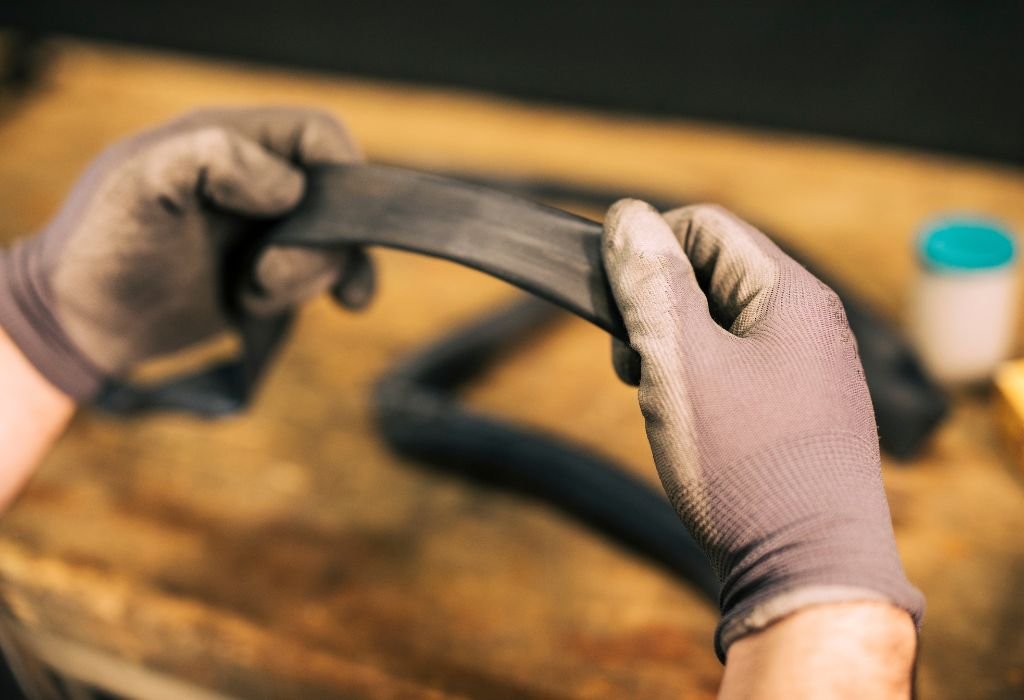
Options include mink oil, beeswax balms, and silicone-free creams. Each has pros and cons.
How much conditioner to apply?
Just a thin layer—wipe off excess.
Will oils damage stitching?
Heavy oils can weaken threads.
Does it darken leather?
Yes, most oils deepen color.
Application Technique
Apply conditioner with a soft cloth. Flex the gloves to spread evenly.
Can I condition wet gloves?
No, wait until fully dry.
Use immediately after?
Let them rest overnight if possible.
Frequency
Condition every 4–6 weeks or more often for heavy use.
Concrete workers’ routine?
Weekly conditioning is recommended.
Welders’ routine?
Minimal oils—too much can reduce heat resistance.
Waterproofing and Weatherproofing
After cleaning and conditioning, apply waterproof sprays or waxes. This protects against rain and mud.
When should I apply spray?
After gloves are dry and conditioned.
Does wax block breathability?
Slightly, so use thin coats.
How long does it last?
A few weeks under heavy use.
Odor, Sweat, and Hygiene
Sweat salts stiffen leather, so wipe gloves after use. Store them dry and ventilated.
Can I disinfect gloves?
Yes, with a leather-safe spray.
Can baking soda help?
Yes, in a sachet, not directly on leather.
Is sunlight deodorizing safe?
Brief indirect sun is fine.
Can I freeze gloves to kill odor?
Yes, in a sealed bag overnight.
Repair and Life Extension
Small repairs can extend glove life, but severe damage means replacement.
Can I patch holes?
Yes, with leather cement and stitching.
When should gloves be replaced?
When palms are worn or heat damage is present.
Is a cobbler worth it?
Yes, for premium gloves.
Storage and Off-Season Care
Store clean and conditioned gloves in breathable bags. Avoid sealed plastic.
Can I use plastic bins?
Only with ventilation and desiccants.
Is basement storage safe?
No, avoid damp conditions.
Fold or flat?
Flat or palm-to-palm is best.
Safety and Performance

Proper maintenance ensures gloves retain their protective qualities. Over-oiling reduces effectiveness.
Does conditioning change cut rating?
Too much oil can soften fibers.
Can oily gloves be used for welding?
No, oil reduces heat resistance.
Are gloves chemical-proof?
No, replace if exposed to harsh chemicals.
Mistakes to Avoid
Machine washing, soaking, and heat drying cause permanent damage.
Can I dry gloves on a radiator?
No, it ruins fibers.
Is olive oil safe?
No, it goes rancid.
Should I condition daily?
No, too much softens and weakens leather.
Maintenance Schedules by Trade
Construction and Framing
Gloves exposed to concrete and rain need frequent cleaning and weekly conditioning.
How to handle concrete splash?
Rinse immediately and condition after work.
Welding and Metalwork
Use dry-cleaning methods and avoid heavy oils.
Can grease be used on welding gloves?
No, it smokes and reduces protection.
Landscaping and Farming
Gloves face mud and rain, requiring frequent waterproofing.
What’s the rainy day routine?
Air-dry with paper stuffing and condition next day.
Conclusion
Learning how to maintain leather work gloves is the difference between replacing them every season and using them for years. The keys are gentle cleaning, air-drying away from heat, conditioning on schedule, and waterproofing for protection.
Avoid common mistakes like machine washing, soaking, or over-oiling. Instead, follow a routine suited to your trade, whether construction, welding, or landscaping.
Final advice: Keep a small maintenance kit—brush, cloth, balm, and spray—in your workshop. A few minutes of care after each shift ensures your gloves stay protective, comfortable, and long-lasting.

I’m Michael R. Turner, the founder, lead writer, and passionate DIY enthusiast behind 101diytools.com. With years of hands-on experience in home improvement and power tools, I built this platform to share practical tips, in-depth guides, and honest reviews to help DIYers of all skill levels tackle projects with confidence and the right tools.