How to Lubricate an Air Impact Wrench Properly
An air impact wrench is a powerhouse in any workshop, but without proper lubrication, even the best tool can lose its punch.
Many DIYers overlook this simple maintenance step, leading to sluggish performance, rust buildup, and costly internal damage. Understanding how to lubricate an air impact wrench correctly can make the difference between a tool that lasts years and one that fails within months.
Most pneumatic impact wrenches rely on a steady supply of clean, lubricated air to keep internal components running smoothly.
When oil or grease is missing, friction increases between the hammer and anvil, causing heat, wear, and eventually power loss. According to Ingersoll Rand, improper lubrication is one of the top reasons pneumatic tools lose efficiency or break down prematurely.
The good news is that lubrication is easy when done right. With a few drops of the correct air tool oil, and periodic greasing of the hammer mechanism, you can restore torque, reduce air leaks, and extend tool longevity by years.
Experts estimate that regular oiling can improve tool performance by up to 30 percent and reduce repair costs significantly.
In this guide, you’ll learn step-by-step how to lubricate an air impact wrench properly—from choosing the right oil and grease to setting up an inline oiler for continuous protection
. Whether you’re a weekend mechanic or a professional technician, mastering this routine will keep your air tools performing like new every time you pull the trigger.
Why Lubrication Matters for Air Impact Wrenches
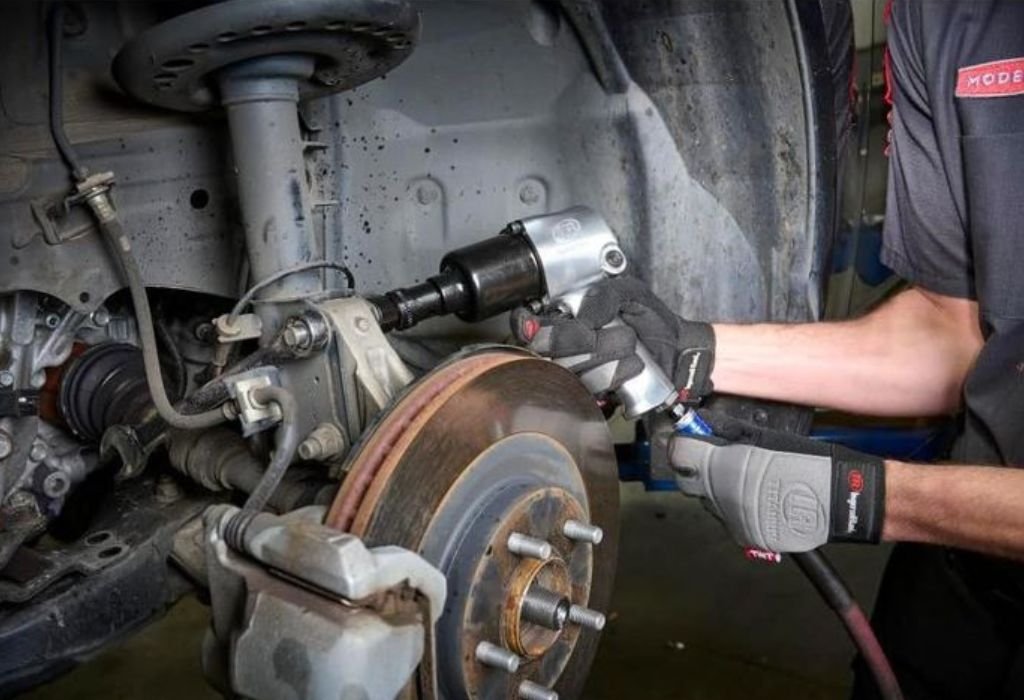
Every air impact wrench depends on the smooth interaction of its internal parts—especially the hammer and anvil mechanism—to deliver powerful torque. When lubrication is ignored, metal surfaces grind against each other, creating heat, friction, and long-term wear. Over time, the tool begins losing efficiency and eventually fails to deliver the torque you expect.
The Role of Lubrication in Pneumatic Tools
Lubrication reduces friction and allows air-powered parts to glide effortlessly. It also helps prevent moisture inside compressed air lines from corroding the motor’s internals. Proper lubrication ensures steady air pressure, smoother operation, and consistent torque delivery with every pull of the trigger.
The Risk of Operating Without Lubrication
Running an impact wrench without oil is similar to driving a car with no engine oil. It may still function briefly, but internal damage builds quickly. Dry components scratch, vanes stick, and the motor’s hammer mechanism loses balance. Studies by Chicago Pneumatic Tools show that poor lubrication can cut tool life by over 40 percent.
Motor vs. Impact Mechanism Lubrication
A common misconception is that one quick oil shot covers the whole tool. In reality, the air motor and the impact mechanism need separate lubrication methods. The air motor requires a few drops of oil through the inlet, while the hammer mechanism—inside the housing—needs grease or oil bath lubrication. Neglecting either leads to incomplete maintenance and shortened tool life.
What Lubricants to Use
Choosing the right lubricant is the foundation of proper maintenance. Using the wrong type—like automotive engine oil or WD-40—can cause sticky buildup, seal deterioration, and poor torque output.
Air Tool Oil
Use a high-quality pneumatic tool oil made specifically for air tools. It’s thinner than motor oil and formulated to resist moisture, reduce carbon buildup, and prevent rust. Brands like Ingersoll Rand and Marvel Air Tool Oil are ideal choices. Add 10–15 drops before use and again after several hours of operation.
Grease for the Impact Mechanism
The hammer and anvil assembly inside the wrench rely on a heavier lubricant—typically EP (Extreme Pressure) grease or lithium-based grease. These greases stay in place under high torque and prevent metal-to-metal wear. Apply new grease every 48 hours of heavy use or according to manufacturer recommendations.
Oil Bath Systems
Some high-end impact wrenches feature an oil bath system inside the hammer mechanism. This design keeps the moving parts constantly submerged in oil, but it still needs periodic draining and refilling. Always use the oil type specified in the manufacturer’s manual.
Lubricants to Avoid
Avoid general-purpose lubricants or water-displacing sprays like WD-40. These products are too light and evaporate quickly, offering no long-term protection. Also steer clear of automotive engine oil—it’s too thick and can clog the air passages and vanes.
Tools & Equipment You’ll Need
Before starting, gather everything required for safe and effective lubrication:
- Air tool oil or pneumatic lubricant
- Grease gun (for models with grease fittings)
- EP or lithium grease for impact mechanism
- Inline lubricator or FRL unit (optional for frequent users)
- Cleaning solvent and shop rags
- Allen wrench or screwdriver (for opening casing if needed)
- Gloves and safety goggles
Having all tools ready ensures a clean, efficient process and minimizes downtime.
Step-by-Step: How to Lubricate an Air Impact Wrench
Step 1: Disconnect the Air Supply
Before applying any oil or grease, disconnect the air hose from the tool. This prevents accidental operation and keeps moisture from entering the motor during the process.
Step 2: Add Oil Through the Air Inlet
Turn the wrench upside down so the air inlet faces up. Add 10–15 drops of air tool oil directly into the inlet using a squeeze bottle or dropper. Hold the tool upright and gently move it side to side to help the oil coat internal surfaces.
Step 3: Run the Tool Briefly
Reconnect the air hose and run the impact wrench for 5–10 seconds to circulate the oil. Cover the exhaust port with a rag to catch any expelled oil mist. This ensures that the vanes and bearings receive an even coating.
Step 4: Lubricate the Impact Mechanism
For wrenches with a grease fitting, attach your grease gun and add two or three pumps of EP or lithium grease into the port. If your model doesn’t have a fitting, open the housing carefully and apply a thin layer of grease around the hammer and anvil surfaces. Remove old grease before adding new to avoid contamination.
Step 5: Reassemble and Test
Reassemble all components securely, reconnect the air supply, and test the wrench under light load. Listen for smoother operation and verify consistent torque output.
Step 6: Optional – Install an Inline Lubricator
If you use your impact wrench frequently, installing an inline lubricator or FRL (Filter-Regulator-Lubricator) system can save time. It automatically adds controlled oil droplets into the air stream during use, keeping the tool continuously lubricated. Adjust the drip rate to about 1–2 drops per minute while running.
Step 7: Clean and Store Properly
After each use, wipe the tool with a dry cloth, store it in a moisture-free area, and disconnect the air supply. Always remove any excess oil to prevent dust accumulation inside the air passages.
Maintenance Schedule & Best Practices
Consistent maintenance prevents wear, rust, and performance loss. Follow these intervals to keep your air impact wrench in top shape.
Daily Lubrication
Before every use, add 10–15 drops of air tool oil into the air inlet. After a long work session, repeat the process to maintain film strength inside the motor.
Weekly or Bi-Weekly Maintenance
For users operating the tool several hours daily, grease the hammer mechanism every 48 hours or at the end of each workweek. Check for air leaks, damaged seals, and dirt buildup in the housing.
Deep Cleaning Every Few Months
Disassemble the tool, remove old grease, and clean all parts using solvent and compressed air. Replace worn O-rings or vanes as needed, then re-grease before reassembly.
Storage & Environmental Tips
Always store the wrench in a clean, dry place. Avoid leaving it connected to an air compressor overnight, as residual moisture can corrode internal parts. A few drops of oil before storage prevents rust and seizing.
Common Mistakes & Troubleshooting
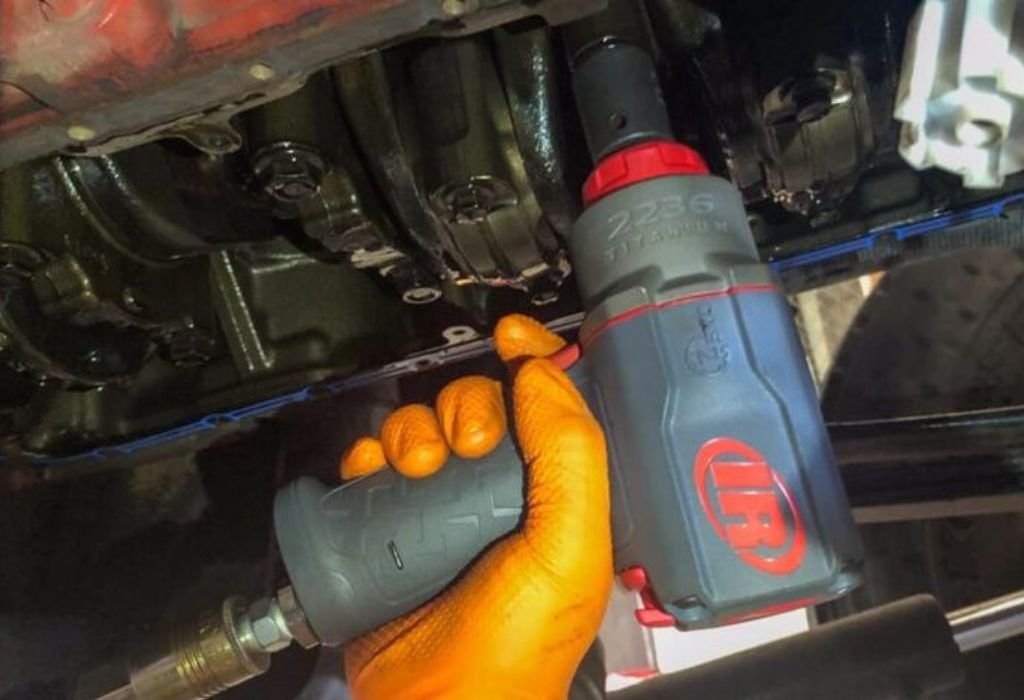
Even experienced users make lubrication mistakes. Avoid these pitfalls to get the most out of your tool.
Over-Lubrication
Too much oil can cause blowback through the exhaust, making a mess and reducing air efficiency. Stick to about 10–15 drops—never more than a teaspoon per session.
Under-Lubrication
Using the wrench for hours without re-oiling leads to friction and reduced torque. If the tool starts losing power or sounds rough, add oil immediately.
Wrong Lubricant Choice
WD-40 or penetrating oils can thin out grease and damage rubber seals. Always use dedicated pneumatic oil and EP-grade grease.
Neglecting the Hammer Mechanism
Many users forget to grease the hammer section, focusing only on the air motor. The result is a loud, uneven striking sound and lower impact force.
Moisture in Air Lines
Water contamination is a hidden enemy. Drain your compressor tank regularly and use an air filter or moisture separator to keep the airflow clean and dry.
Case Examples & Manufacturer Guidelines
Different brands have specific maintenance standards. Following them ensures warranty safety and optimal performance.
- Ingersoll Rand recommends 10–15 drops of oil daily and greasing every 48 hours of heavy use. Their official air-care kit includes oil and grease specifically balanced for pneumatic tools.
- Chicago Pneumatic Tools advises greasing the hammer mechanism at each maintenance interval and using an inline oiler for continuous lubrication.
- AirCat suggests draining old grease after 50 hours of use and replacing it with fresh high-pressure grease.
- JB Tools highlights that most air tools should be oiled before each use and after long storage periods.
By aligning your schedule with manufacturer instructions, you’ll keep your air impact wrench at full torque output for years.
Conclusion
Learning how to lubricate an air impact wrench isn’t just about maintenance—it’s about performance, longevity, and cost-efficiency. Proper oiling and greasing ensure your tool delivers consistent torque, runs quietly, and resists rust or internal wear.
Regularly oil the air motor, grease the hammer mechanism, and check seals for leaks. Avoid generic lubricants, clean old residue, and, when possible, install an inline oiler for convenience.
A few minutes of care after every use can save you hours of frustration and hundreds of dollars in repair costs. Keep your impact wrench lubricated, and it will return the favor with reliable, high-torque performance every time you need it.

I’m Michael R. Turner, the founder, lead writer, and passionate DIY enthusiast behind 101diytools.com. With years of hands-on experience in home improvement and power tools, I built this platform to share practical tips, in-depth guides, and honest reviews to help DIYers of all skill levels tackle projects with confidence and the right tools.