How to Fix Impact Wrench Problems Quickly
Few things are more frustrating than grabbing your impact wrench, pulling the trigger, and realizing it no longer delivers the power it once did.
Whether it’s losing torque, refusing to spin, or making strange grinding noises, a malfunctioning impact wrench can bring your entire project to a halt. Understanding how to fix impact wrench problems quickly can save both time and money while extending your tool’s lifespan.
Impact wrenches—whether pneumatic or cordless—are built to handle tough jobs, but even the most durable models require occasional maintenance.
Over time, issues like air leaks, motor wear, lubrication failure, or damaged seals can cause performance drops. According to industry data, over 70% of power tool failures stem from poor maintenance or contamination of internal components .
These preventable problems often begin small and escalate into costly repairs if ignored.
Before sending your wrench for service or buying a new one, it’s worth learning how to diagnose the cause yourself.
Most fixes—like cleaning debris, replacing O-rings, or applying the right air tool oil or grease—require only basic tools and careful attention. Even more complex issues, such as weak torque or a jammed hammer mechanism, can be resolved at home with the right steps and safety measures.
In this guide, you’ll discover a complete, step-by-step process for how to fix impact wrench problems. You’ll learn how to identify common issues, disassemble and clean your wrench, replace worn parts, and prevent future breakdowns. By the end, you’ll have the confidence and practical knowledge to restore your impact wrench’s power and keep it running like new.
Why Your Impact Wrench Is Acting Up
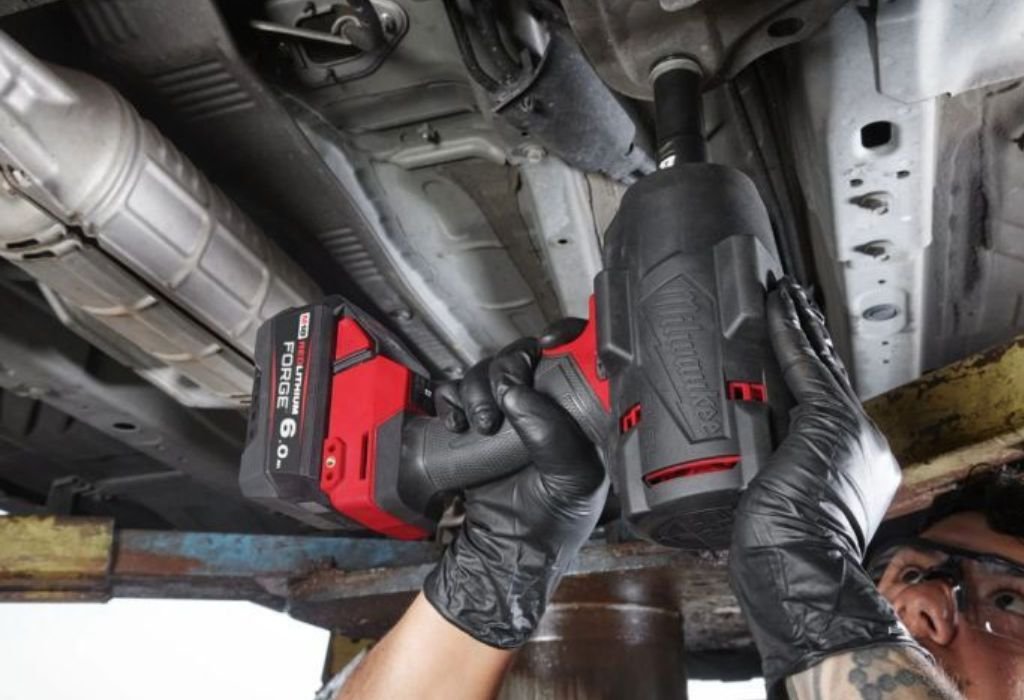
An impact wrench is designed to deliver high torque with minimal effort, but when it starts performing poorly, it usually means something within its system isn’t working as intended. Understanding the common problems and their root causes is the first step in learning how to fix impact wrench issues effectively.
Impact wrenches come in two main types — pneumatic (air-powered) and electric (corded or cordless). While their designs differ, they share similar mechanical principles: a motor or air rotor drives a hammer mechanism that strikes an anvil, generating the twisting force. Over time, friction, dirt, and repeated stress can cause internal parts to wear or seize.
The most common symptoms of a failing impact wrench include:
- Loss of Power or Weak Torque: Often caused by low air pressure, a drained battery, or internal air leaks.
- Unusual Noises or Grinding: Typically due to worn bearings, broken hammer pins, or lack of lubrication.
- Trigger Not Responding: Can result from electrical faults, debris in the trigger mechanism, or a damaged switch.
- Air Leaks (for Pneumatic Models): Usually come from worn seals, loose fittings, or cracked air hoses.
- Overheating or Smoke (for Cordless Tools): Indicates motor strain, carbon buildup, or excessive friction.
Ignoring these signs can worsen the problem. For instance, running an under-lubricated air wrench can permanently damage its hammer and anvil assembly. Similarly, a weak torque issue in a cordless model may be traced back to a failing motor brush that’s cheap to replace—if caught early.
Each symptom tells a story about what’s happening inside your tool. The key is to diagnose before replacing parts. A methodical approach ensures you spend time fixing the actual problem instead of guessing.
Safety Precautions and Tools You’ll Need
Before diving into how to fix impact wrench issues, prioritize safety. These tools operate at high speeds and use compressed air or electricity, so taking precautions is essential.
Start by disconnecting the air hose, battery, or power cord before any inspection or repair. Never attempt to disassemble a wrench that’s still connected to a power source. Wear safety goggles and gloves to protect yourself from flying debris or sharp components.
You’ll need a few essential tools and supplies for the job:
- Screwdrivers and pliers
- Hex keys and socket wrenches
- Cleaning solvent or degreaser
- Compressed air blower
- Replacement O-rings, seals, bearings, or vanes
- Lubricating oil or grease (pneumatic tool oil for air models)
- A soft cloth and brush for cleaning
Having these items ready will make your repair process smoother and safer. Always work in a well-lit, ventilated area and take photos during disassembly to remember the part orientation.
Diagnosing the Problem: Step-by-Step
Once you’ve prepared your tools, it’s time to pinpoint the issue. Diagnosing correctly is the foundation of learning how to fix impact wrench problems efficiently.
Step 1 – Check External Factors
Start with the basics. For cordless models, check the battery charge level and inspect for corrosion on terminals. A weak or damaged battery can mimic internal failure symptoms.
For air-powered wrenches, ensure your compressor delivers adequate pressure—typically between 90–120 PSI. A narrow or leaking hose can drastically reduce power output. Check for leaks at the fittings and confirm your coupler is tightly sealed.
If your wrench operates intermittently, inspect the forward/reverse switch to make sure it’s not stuck or worn. Sometimes, flipping it back and forth clears internal dust or grime.
Step 2 – Check Trigger and Switch Assembly
If the tool doesn’t start, focus on the trigger mechanism. For electric wrenches, test the switch with a multimeter to verify current flow. Faulty switches or worn carbon brushes can prevent the motor from engaging.
For pneumatic models, remove the trigger assembly and look for obstructions like dust or sticky residue. Clean it gently and re-lubricate the contact points.
Step 3 – Disassemble and Inspect Internals
If external factors seem fine, carefully disassemble your wrench. Remove screws, housing, and motor casing while keeping components organized.
Inside, examine the hammer and anvil mechanism for damage or broken pins. Check the rotor blades or vanes (in air models) for wear or cracking. Inspect O-rings and seals for dryness, deformation, or cracks—these are common culprits for air leaks.
Step 4 – Cleaning and Lubrication
Use solvent or degreaser to remove old, hardened grease and dirt. Build-up inside the hammer mechanism can cause binding and torque loss. After cleaning, apply high-quality impact grease or a few drops of air tool oil to moving parts.
Lubrication reduces friction, prevents corrosion, and ensures smooth operation. If your wrench has been unused for a long time, lubrication can instantly improve performance.
Repairing and Replacing Worn Parts
After identifying the cause, you can now begin the actual repair process. Knowing how to fix impact wrench parts properly ensures long-term reliability.
Common parts that often require replacement include:
- O-rings and seals: Restore air-tightness and prevent leaks.
- Bearings: Eliminate wobble and grinding noises.
- Rotor blades or vanes: Replace when worn or chipped.
- Hammer pins and anvils: Essential for restoring torque output.
- Motor brushes (for electric models): Ensure consistent electrical contact.
Use manufacturer-approved parts or rebuild kits to guarantee compatibility. When installing new seals or O-rings, lightly coat them with oil to prevent damage during assembly.
If your wrench’s hammer mechanism feels loose or sluggish, check for worn pins. A simple replacement can bring torque back to full power. For air tools, inspect the rotor housing—scoring or pitting means it may need replacement.
When replacing parts, take your time and test fit each piece before final assembly. Misalignment or overtightened screws can cause future damage.
Special Cases and Troubleshooting Tips
Even after repair, certain unique issues might persist. Here’s how to handle the most frequent cases.
1. Air Leaks or Hissing Sounds
If your pneumatic impact wrench leaks air, spray soapy water on the joints to locate bubbles. Tighten fittings or replace the faulty O-ring. Ensure your air inlet filter isn’t clogged, as restricted airflow mimics internal failure.
2. Weak Torque After Cleaning
If the wrench spins but remains weak, inspect the hammer cage and anvil faces for wear. Flattened or rounded surfaces reduce striking force. Replacing them restores torque.
3. Motor Won’t Spin (Cordless)
A burnt smell or non-rotating motor usually means carbon brushes are worn. Replace both at once for balanced performance. If the motor still doesn’t run, test the trigger switch circuit with a multimeter.
4. Strange Noises or Vibrations
A metallic knocking sound indicates broken hammer pins or misaligned bearings. Clean the housing and re-grease the hammer mechanism. If noise continues, the hammer cage may be cracked and must be replaced.
5. Overheating or Smoke
Cordless tools overheat when overloaded or poorly ventilated. Allow the tool to cool between uses, clean the air vents, and check the gearbox grease level. Persistent overheating suggests a failing armature.
Each of these steps ensures that you don’t overlook hidden causes while learning how to fix impact wrench problems thoroughly.
Reassembly and Testing
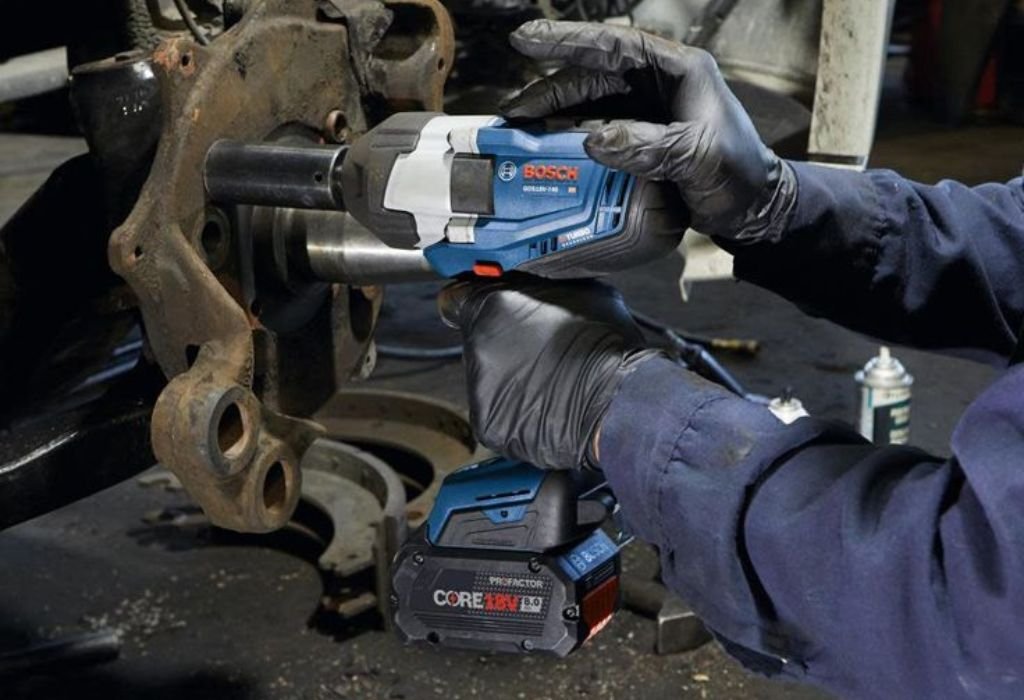
After cleaning and part replacement, reassembly must be precise. Align all internal components properly before tightening screws.
Apply a light coating of lubricant to moving parts and seals. For pneumatic models, add 4–6 drops of air tool oil into the air inlet before connecting the hose. For cordless models, ensure all wiring is secured and no insulation is pinched.
Test the wrench without load first to confirm smooth operation. Listen for unusual sounds or leaks. Then, attach a socket and test under light load. Gradually increase torque to full power.
A properly repaired impact wrench should deliver strong, consistent torque without jerking, leaks, or hesitation.
Preventive Maintenance Tips
Once you’ve learned how to fix impact wrench problems, prevention becomes your next priority. Proper maintenance extends lifespan and ensures consistent performance.
- Lubricate Regularly: Apply oil before every use (for air tools). Electric models benefit from periodic grease in the hammer mechanism.
- Drain the Compressor Tank: Moisture causes corrosion inside pneumatic tools.
- Clean After Each Use: Wipe off dust, debris, and metal particles.
- Inspect Air Hoses: Replace cracked or worn hoses promptly.
- Avoid Overloading: Using the wrench beyond its rated torque causes internal wear.
- Store Properly: Keep your tool in a dry, dust-free case.
- Use Correct Sockets: Always use impact-rated sockets to avoid tool damage.
Preventive care requires only a few minutes but can save you from hours of repairs later.
When to Call a Professional or Replace the Tool
While many problems can be fixed at home, some require professional help. If your wrench’s motor is burnt, the hammer mechanism is shattered, or the housing is cracked, replacement might be the smarter choice.
Authorized repair centers can test internal pressure, measure torque output, and replace proprietary components. If your wrench is under warranty, professional repair prevents voiding it.
A good rule of thumb: if repair costs exceed 60% of the price of a new wrench, replacing is more cost-effective.
Conclusion
Learning how to fix impact wrench problems gives you control over your tools and saves unnecessary expenses. From diagnosing air leaks and power loss to replacing seals or hammer pins, every small fix adds years of reliable service.
Always start with the basics: check external power, clean your tool, and apply lubrication. Work carefully, document disassembly steps, and test after every fix. With patience and attention to detail, even complex issues become manageable.
A well-maintained impact wrench not only performs better but also keeps your workflow efficient and stress-free. Treat your tools right, and they’ll return the favor every time you pull the trigger.

I’m Michael R. Turner, the founder, lead writer, and passionate DIY enthusiast behind 101diytools.com. With years of hands-on experience in home improvement and power tools, I built this platform to share practical tips, in-depth guides, and honest reviews to help DIYers of all skill levels tackle projects with confidence and the right tools.