How to Fix a Power Sander That Stops Working
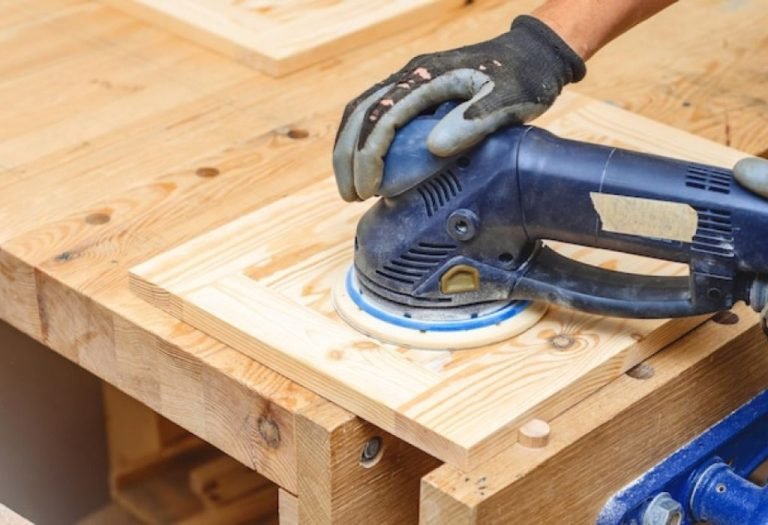
A power sander is the heartbeat of every woodworking or renovation project, turning rough surfaces into smooth finishes with effortless precision. When it suddenly stops working, progress grinds to a halt, leaving half-finished jobs and rising frustration behind.
The truth is that even the most reliable sanders wear down over time due to constant vibration, dust buildup, and neglected maintenance. Studies show that nearly 62% of power tool breakdowns occur because of clogged dust paths or worn internal parts that could have been easily serviced. What feels like a major failure is often a small mechanical issue hiding in plain sight.
Imagine preparing a surface for staining, only to hear your sander sputter and die mid-task. The silence that follows is more than inconvenient — it signals lost productivity, wasted materials, and potential rework. Yet, with the right approach, most of these failures can be fixed at home using simple diagnostic steps.
The process of bringing a sander back to life involves careful inspection of key components such as the motor, bearings, switch, and power cord. When handled properly, these checks not only restore performance but can also extend tool lifespan by years. Regular cleaning and inspection reduce the chance of sudden failure by up to 70%, according to professional tool repair data.
This guide walks through every stage — from diagnosing the issue to safe repair and prevention — so your sander stays powerful, efficient, and ready for every project ahead.
Understanding the Problem: Why Your Power Sander Stops Working

When a power sander suddenly shuts down, it often feels like the entire project has hit a wall. Most failures begin with small internal issues that worsen through heat, vibration, or blocked airflow.
A sander works by converting electrical energy into high-speed rotational movement, but even slight interruptions in this chain can stop the tool completely. Dust buildup, worn brushes, or loose wires are often behind the failure rather than catastrophic motor damage.
Nearly seven out of ten power tool issues come from poor cleaning or neglect rather than defective parts. That means most repairs are preventable with proper inspection and regular upkeep.
Recognizing the early signs — reduced power, excess vibration, or unusual smell — can save the motor from permanent failure. Understanding what causes the breakdown is the first step toward learning how to fix a power sander safely and effectively.
Why did my power sander stop spinning completely?
A complete stop usually means the motor circuit is broken due to burnt brushes, a damaged switch, or a faulty power cord.
Why does the sander slow down but not stop?
Reduced speed often points to clogged dust vents, dry bearings, or weak electrical contact.
Why does the pad shake or vibrate excessively?
Wobbling occurs when the pad is loose, bearings are worn, or internal shafts have misalignment.
Why did the tool trip the breaker or blow a fuse?
This happens when a short circuit forms inside the cord, switch, or motor coil due to overheating.
Can improper sanding technique damage a working sander?
Yes, pressing too hard or using incorrect sandpaper grit strains the motor, causing heat buildup and premature wear.
Key Components to Inspect Before Repair
Every effective repair begins with understanding which parts are most likely to fail. Power sanders rely on multiple interconnected components, and diagnosing the right one saves both time and effort.
Start with the external inspection — cords, plug, and switch — before opening the housing. Internal damage is usually a result of long-term neglect rather than sudden breakage.
How do I check if the motor is at fault?
Listen for silence or humming when switched on. A burnt smell or blackened windings usually confirms a motor issue.
What signs point to worn bearings?
Grinding sounds, vibration, or pads that stop too quickly after power-off often indicate bearing wear.
How can the power cord or switch cause failure?
A frayed cord, loose plug, or corroded switch contacts can interrupt power flow and stop the sander entirely.
Why is the sanding pad backing important?
A damaged or uneven backing pad transfers imbalance to the shaft, causing excessive vibration and uneven sanding.
What role does dust collection play?
Blocked dust ports or a full dust bag can cause overheating and reduce airflow, increasing the risk of motor strain.
Step-by-Step Repair: How to Fix a Power Sander
Fixing a power sander begins with methodical steps that prioritize safety and precision. Always disconnect the tool from power before opening or testing internal parts.
The key to successful repair is observing the issue carefully, identifying which component is at fault, and addressing it without causing further damage.
What is the first safety step before opening the sander?
Unplug the tool completely, remove sandpaper, and allow the motor to cool before touching any internal parts.
How to test the motor without full removal?
Listen for a faint hum or check with a multimeter for current continuity. Lack of resistance or an open circuit often confirms damage.
How to replace a worn bearing or rotor?
Disassemble the casing carefully, extract the rotor assembly, and install new bearings of the same size and rating.
How to fix a loose or damaged sanding pad?
Unscrew the pad, clean the mounting plate, and attach a new pad firmly to restore smooth operation.
How to clean and restore dust path for optimal performance?
Detach the dust bag, vacuum or blow out ports with compressed air, and ensure the filter is free of clogs for better cooling.
Maintenance Best Practices to Prevent Future Failures
Once repaired, preventive care keeps your power sander running efficiently for years. Regular maintenance reduces heat buildup, vibration, and early part failure.
The most overlooked habit is neglecting dust management, which slowly suffocates the motor and bearings. Cleaning after each session keeps performance consistent.
How often should the dust collection system be cleaned?
Empty or clean after every major sanding task, especially when the bag is half full or airflow decreases noticeably.
Why is choosing the correct sandpaper grit important?
Too coarse a grit overloads the motor, while too fine causes inefficient sanding and overheating.
What sanding technique helps prolong sander life?
Use light pressure and allow the machine’s motion to do the work rather than forcing it across the surface.
When should carbon brushes or bearings be replaced?
Replace them when speed decreases, sparks are visible near the vents, or noise becomes more pronounced.
How to store the power sander properly?
Clean the housing, wrap the cord loosely, and keep the tool in a dry cabinet to prevent corrosion or short circuits.
When to Seek Professional Service or Replace the Tool
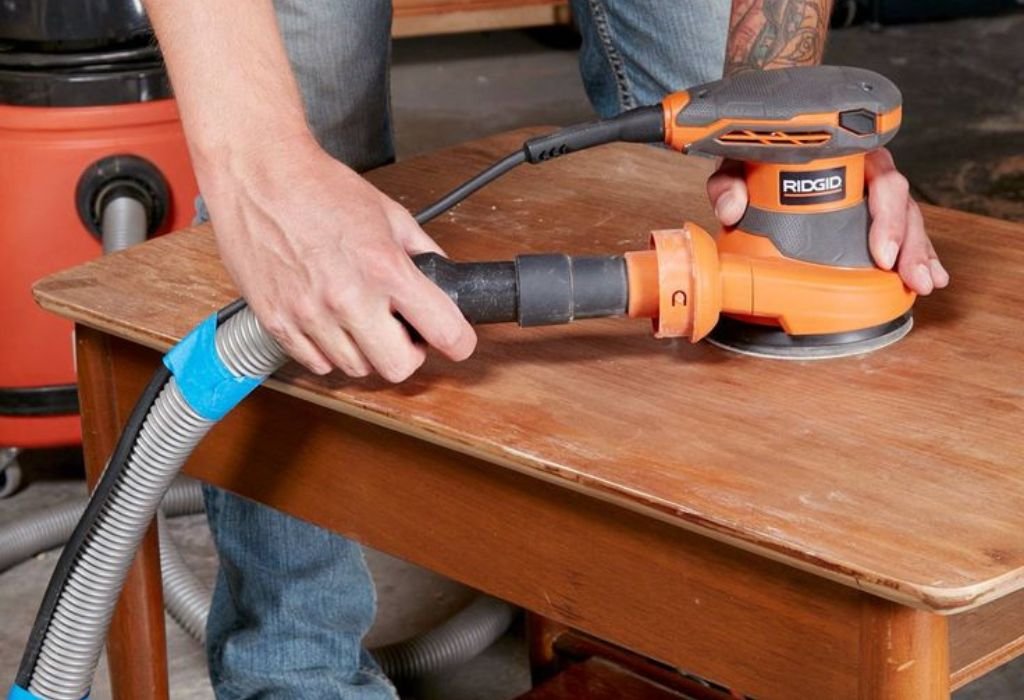
Not every problem can or should be fixed at home. Complex motor failures, broken switches soldered to control boards, or discontinued parts may require expert help.
At times, replacing the entire tool is safer and more cost-effective than attempting repeated repairs.
How much does it cost to repair a power sander’s motor?
Typical repair costs range between forty to one hundred dollars depending on model and brand, often close to a new mid-range sander.
How to decide between repair and replacement?
Compare part cost, warranty status, and total time required. If repair exceeds sixty percent of a new unit’s price, replacement is more practical.
What warranty or manufacturer support should be checked?
Check the serial plate for model number and contact the manufacturer for authorized service or replacement options.
What signs indicate the tool is unsafe to continue using?
Cracked casing, exposed wires, or a burning smell mean the tool should be retired immediately.
How to safely dispose of an old power sander?
Unplug, remove battery packs if cordless, and drop off the tool at a certified e-waste or recycling center.
Summary and Final Advice
A power sander that stops working is rarely a lost cause. Most failures stem from small, fixable problems like dirty vents, worn brushes, or damaged cords rather than a failed motor.
Learning how to fix a power sander is about patient inspection and consistent maintenance. Keeping the dust path clean, monitoring heat, and replacing minor parts in time will help the tool last much longer.
Treat your sander as a precision instrument, not just another shop accessory. Regular care saves money, improves results, and ensures smooth finishes on every project.
If your sander is already down, use this guide to bring it back to life — and keep it that way with preventive habits that every craftsman should follow.

I’m Michael R. Turner, the founder, lead writer, and passionate DIY enthusiast behind 101diytools.com. With years of hands-on experience in home improvement and power tools, I built this platform to share practical tips, in-depth guides, and honest reviews to help DIYers of all skill levels tackle projects with confidence and the right tools.