How to Cut Pavers with a Circular Saw Easily
You have a patio project planned, the layout looks perfect, but one thing stands in your way — those last few pavers that don’t fit neatly into place. Trying to force them in leaves uneven gaps, while breaking them with a hammer looks rough and unprofessional.
That’s where a circular saw becomes your secret weapon. With the right blade and a steady hand, you can make precise, clean cuts in brick, concrete, or stone pavers without chipping or cracking. It’s faster than manual methods and gives your walkway or patio a polished look.
In this guide, you’ll learn how to choose the best blade, set up your workspace, and master the step-by-step technique to cut pavers cleanly and safely with a circular saw.
Understanding the Types of Pavers
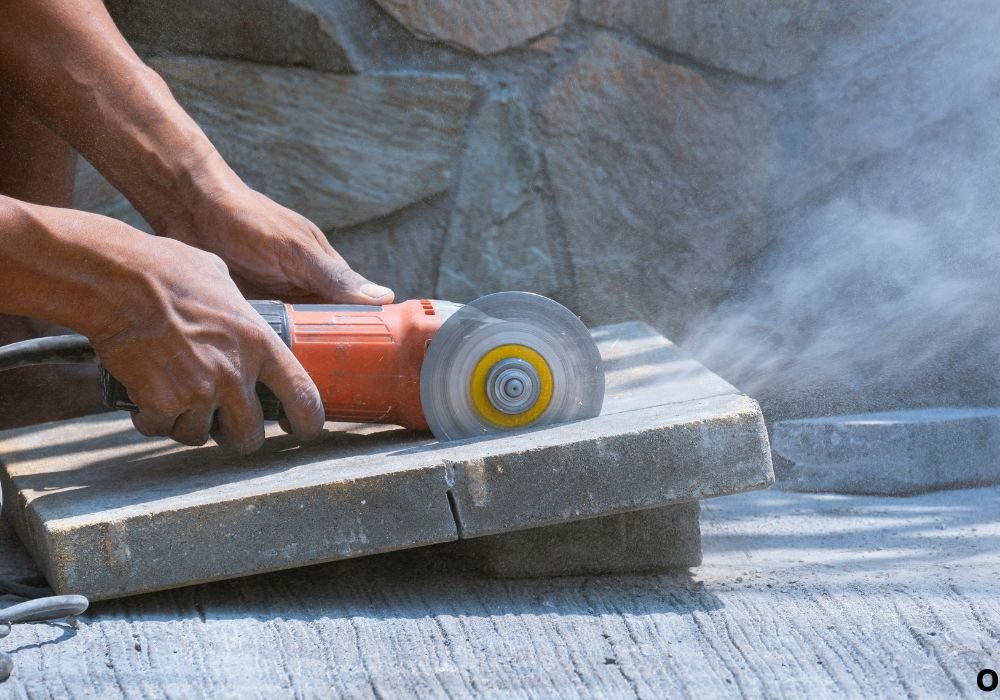
Pavers come in different materials, and knowing which type you’re working with affects your blade choice and cutting method.
The most common kinds are concrete, clay brick, and natural stone like limestone or granite. Concrete pavers are the easiest to cut, while natural stone requires a stronger diamond blade.
Clay pavers chip more easily, so slower cutting speed and shallow passes work best. Always identify your material before starting to avoid damage or poor results.
Choosing the Right Blade for Paver Cutting
Using a wood-cutting blade is one of the most common mistakes beginners make. Pavers require diamond-tipped masonry blades designed to handle abrasive materials.
You can choose between wet-cut and dry-cut blades. Wet-cut blades use water to keep the blade cool and reduce dust, giving smoother cuts. Dry-cut blades are convenient for quick jobs but wear out faster if overheated.
If you plan to cut multiple pavers, invest in a continuous-rim diamond blade for smooth, chip-free edges.
Preparing Your Workspace and Tools
Before cutting, ensure your area is safe, flat, and well-ventilated. Cutting pavers produces a lot of dust and flying debris.
Gather all safety gear: safety goggles, gloves, hearing protection, and a dust mask. Use clamps or a sturdy workbench to hold the paver firmly in place.
If cutting outdoors, dampen the ground slightly to prevent dust from spreading. Indoors, use a vacuum attachment or water-assisted setup to minimize airborne particles.
Marking and Measuring the Cut Line
Precision begins with marking the right cut line. Use chalk or a carpenter’s pencil to draw a clear line where you want the cut.
For angled cuts, a speed square or straightedge ensures accuracy. Double-check your measurements before cutting — once the blade touches the surface, there’s no going back.
If you’re fitting pavers into tight corners or curves, mark a gradual arc line to create smooth transitions instead of sharp edges.
Setting Up the Circular Saw
Set your circular saw’s blade depth to slightly deeper than the paver’s thickness. This ensures a clean cut all the way through.
If using a wet blade, connect the water supply and make sure it flows steadily onto the blade during operation. For dry cutting, plan to cut in short intervals to allow cooling.
Make sure your saw base is stable and the paver is securely positioned before starting.
How to Cut Pavers with a Circular Saw: Step-by-Step
Turn on your saw and let the blade reach full speed before touching the surface. Hold the saw firmly with both hands for maximum control.
Start the cut slowly along your marked line. Apply steady pressure, but never force the saw — let the diamond blade grind through the material naturally.
If the paver is thick, make several shallow passes instead of one deep cut. This prevents chipping and overheating.
Using Water to Minimize Dust and Heat
Cutting dry pavers generates silica dust that can harm your lungs and obscure your visibility. Using water significantly reduces these risks.
A wet-cut setup keeps the blade cool, prevents cracks, and extends blade life. Aim for a steady trickle of water on both sides of the blade while cutting.
If you must dry-cut, take frequent breaks, wear a respirator mask, and avoid cutting in enclosed spaces.
Alternative Cutting Techniques
If you don’t have access to a water source, you can use a score-and-break method. Make a shallow cut along the line, then tap gently with a hammer and chisel to split the paver.
For very thick or irregular stones, use an angle grinder or masonry saw for better control. Some professionals also use block splitters, but they require experience for even breaks.
A circular saw, however, remains the most accessible and versatile option for DIY paver projects.
Cleaning and Finishing the Edges
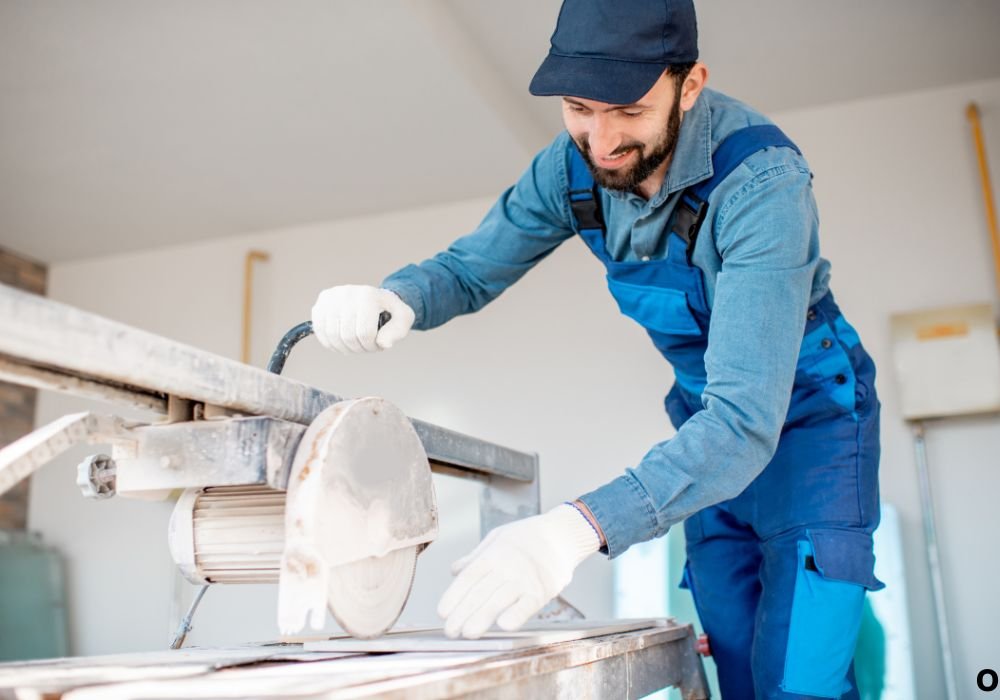
After cutting, edges may feel rough or slightly uneven. Use a masonry file, sanding stone, or angle grinder to smooth them out.
If you plan to install the pavers immediately, clean off dust and debris before setting them into mortar or sand. Wet residue can weaken adhesion.
Finishing details make a huge difference in appearance, giving your patio or walkway a professional finish.
Common Mistakes to Avoid
One of the biggest mistakes is cutting too fast. Speed causes heat buildup, which cracks both the paver and the blade.
Another error is skipping safety gear. Flying chips can easily cause injury, and silica dust poses health risks.
Finally, failing to secure the paver properly leads to uneven cuts or blade kickback. Always clamp your material before cutting.
Maintaining Your Saw and Blade
After cutting, clean the saw thoroughly. Paver dust can clog vents and reduce motor life.
Rinse the blade with water to remove concrete residue and store it in a dry place. Periodically check for worn diamonds or cracks in the rim.
Proper maintenance ensures your saw stays powerful and ready for the next project.
Frequently Asked Questions
Can a regular circular saw cut pavers?
Yes, but only with a diamond-tipped masonry blade. Regular wood blades will burn and chip quickly.
Do I need to use water when cutting pavers?
Using water is highly recommended because it reduces dust, cools the blade, and improves cutting quality.
How deep can a circular saw cut through a paver?
A 7¼-inch circular saw cuts about 2½ inches deep. For thicker pavers, flip and cut from the opposite side.
Can I cut curved shapes with a circular saw?
Yes, by making multiple small straight cuts along the curve and smoothing the edges later with a grinder.
Is it better to wet-cut or dry-cut pavers?
Wet-cutting is safer and produces cleaner results, while dry-cutting is quicker but wears the blade faster.
Conclusion
Cutting pavers with a circular saw isn’t as hard as it looks. With the right diamond blade, careful setup, and proper safety measures, you can achieve professional-grade cuts on any DIY project.
Whether you’re building a patio, pathway, or garden edge, patience and precision matter most. Plan your cuts, cool your blade, and focus on technique — your finished surface will look smooth, uniform, and built to last.

I’m Michael R. Turner, the founder, lead writer, and passionate DIY enthusiast behind 101diytools.com. With years of hands-on experience in home improvement and power tools, I built this platform to share practical tips, in-depth guides, and honest reviews to help DIYers of all skill levels tackle projects with confidence and the right tools.