How to Cut Lexan with a Circular Saw Cleanly
Imagine preparing to install a crystal-clear Lexan window panel, but your first cut melts the edge and leaves rough chips along the line. This happens to many DIYers because Lexan (polycarbonate sheet) requires a specific cutting approach.
Lexan is lighter and stronger than glass, but its soft plastic structure is sensitive to heat and friction. Using a circular saw with the wrong blade or speed can cause cracks, melted edges, and dangerous kickbacks. With proper tools and technique, however, you can cut Lexan sheets smoothly for windows, shields, or greenhouses without damage.
This guide covers everything from blade selection to clamping methods, cutting speed, and finishing tips so you can achieve clear, polished edges every time.
Understanding Lexan and Why It Needs Special Care

Lexan is a brand of polycarbonate plastic known for its impact resistance and optical clarity. It’s used in automotive windows, protective barriers, and DIY projects where glass would be too fragile.
Unlike acrylic, Lexan is flexible and resists shattering, but it softens quickly under heat. A saw that spins too fast can generate friction and melt the cut edge. That’s why choosing the right blade and cutting speed is vital for smooth results.
Choosing the Right Blade for Cutting Lexan
Use a fine-toothed carbide-tipped blade designed for plastic or non-ferrous materials. A 60-to 80-tooth blade for a 7¼-inch saw is ideal.
Avoid blades made for wood ripping since they remove too much material and create excess heat. Alternate Top Bevel (ATB) blades work best because they cut cleanly without melting the surface.
Make sure the blade is sharp and clean before you start. Dull blades increase friction and can lead to melted or rough edges.
Setting Up Your Workspace and Safety Gear
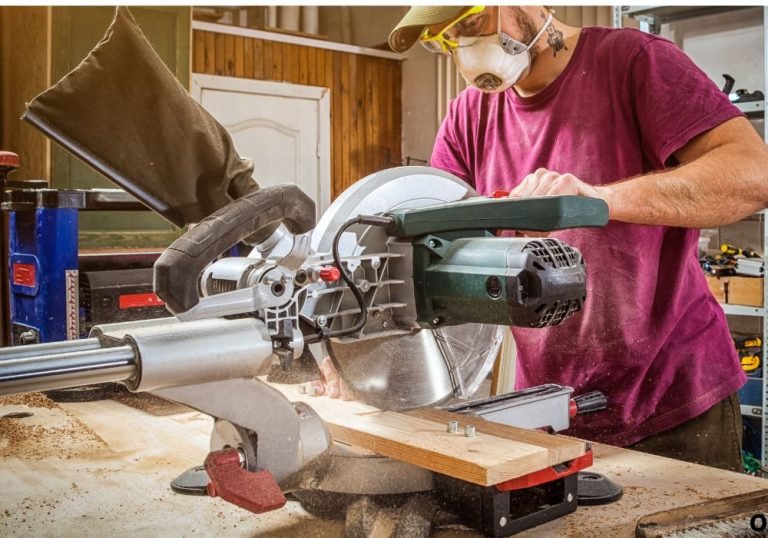
Cutting Lexan produces fine plastic dust and fragments that can irritate your eyes and lungs. Always wear safety goggles, gloves, and a dust mask.
Place the Lexan sheet on a flat, stable surface such as a workbench with foam or cardboard underneath to avoid scratches. Clamp both ends firmly to prevent vibration while cutting.
Good lighting and proper support on both sides of the cut line will ensure accuracy and prevent binding.
Marking and Measuring Your Cut Line
Accurate marking prevents waste and uneven edges. Use a fine-tip marker or painter’s tape to draw the cut line on the protective film that comes on the Lexan sheet.
Never remove this film before cutting — it reduces scratches and keeps the surface smooth. If you need to cut multiple panels, stack them and secure with tape to ensure identical shapes.
How to Cut Lexan with a Circular Saw Step by Step
Before you start, set the saw blade depth just 1/8 inch below the sheet thickness. This minimizes tear-out and heat buildup.
- Let the saw reach full speed before touching the Lexan.
- Guide it slowly along the line without forcing the blade.
- Use steady pressure and constant speed for a clean edge.
- If the blade heats up or melts the edge, pause to cool down.
Keep a gentle airflow or a low stream of compressed air over the cut to reduce heat. Avoid water since it can make the surface slippery and affect the finish.
Tips for Preventing Melting and Cracking

The biggest challenge with Lexan is controlling friction. Cutting too fast melts edges; cutting too slow causes chatter and chipping.
To avoid problems, maintain medium feed speed and don’t stop mid-cut. If you must pause, pull the saw away and restart from the same point once the blade is cool.
Keep your saw’s RPM under 3500 for thicker sheets. Lower speeds produce a clearer edge without browning or melting.
Finishing and Polishing Cut Edges
After cutting, you may notice slight burrs or rough edges. Use fine sandpaper (220-400 grit) or a deburring tool to smooth the edge.
For a clear, polished look, apply a flame polish using a propane torch briefly along the edge — but only if you have experience. Keep the flame moving to avoid warping the surface.
If the Lexan will be mounted with adhesive or in a frame, a light sanding finish is usually enough.
Common Mistakes to Avoid
Beginners often use a wood blade or cut too fast. Both generate heat and melt the plastic. Others remove the protective film too early and scratch the surface.
Never use a blade with missing teeth or clogged gaps. Also, don’t cut Lexan in extremely cold temperatures; it becomes brittle and may crack.
Lastly, don’t forget to clamp your workpiece. Vibration causes rough edges and kickback.
Frequently Asked Questions
Can I cut Lexan with a regular wood blade?
No, wood blades generate too much heat and will melt the plastic. Use a fine-tooth carbide blade instead.
Do I need to remove the protective film before cutting?
Keep it on until you finish. It protects the surface from scratches and friction marks.
What speed should I use on a circular saw?
Medium speed (2500 – 3500 RPM) works best for clean, melt-free cuts.
How do I stop the edges from melting?
Use sharp blades, steady feed rate, and pause for cooling if needed.
Can I cut curves in Lexan with a circular saw?
No, use a jigsaw with a fine plastic blade for curved shapes. Circular saws are for straight cuts only.
Conclusion
Cutting Lexan with a circular saw is easy once you understand heat management and blade selection. The goal is to cut smoothly without melting or cracking.
Choose a fine-tooth carbide blade, clamp the sheet securely, and use a steady feed speed. Keep the protective film on and cool the blade when needed. By following these steps, you’ll achieve clean, professional-looking cuts that make your Lexan projects shine.

I’m Michael R. Turner, the founder, lead writer, and passionate DIY enthusiast behind 101diytools.com. With years of hands-on experience in home improvement and power tools, I built this platform to share practical tips, in-depth guides, and honest reviews to help DIYers of all skill levels tackle projects with confidence and the right tools.