How to Cut Corian Countertop with a Circular Saw Cleanly
You’ve measured your kitchen perfectly, marked the countertop, and prepared to make that one crucial cut. The Corian surface looks flawless, but one wrong move could crack or melt it beyond repair.
Many homeowners underestimate how delicate Corian can be when cut incorrectly. What seems like a simple task often ends with uneven edges or burn marks from friction heat.
Imagine spending hours aligning your countertop, only to ruin it with a single hurried pass of the saw. The disappointment is real, especially when you’ve invested in a premium solid-surface material.
Corian is a beautiful blend of acrylic and minerals, but it demands precision and care. Unlike wood, it reacts to heat and pressure differently — meaning ordinary cutting won’t work.
Professional installers achieve smooth, chip-free results by mastering blade type, feed speed, and support technique. With the right approach, even a standard circular saw can cut Corian like a pro.
This guide will teach you every step of how to cut Corian countertops cleanly and safely. From preparation to finishing, you’ll learn how to prevent chips, cracks, and burn marks.
By following this process carefully, you’ll not only save your countertop but also gain confidence in handling solid-surface materials. Let’s start with understanding what Corian actually is and why it needs special care.
What Is Corian and Why It Requires Special Cutting Care
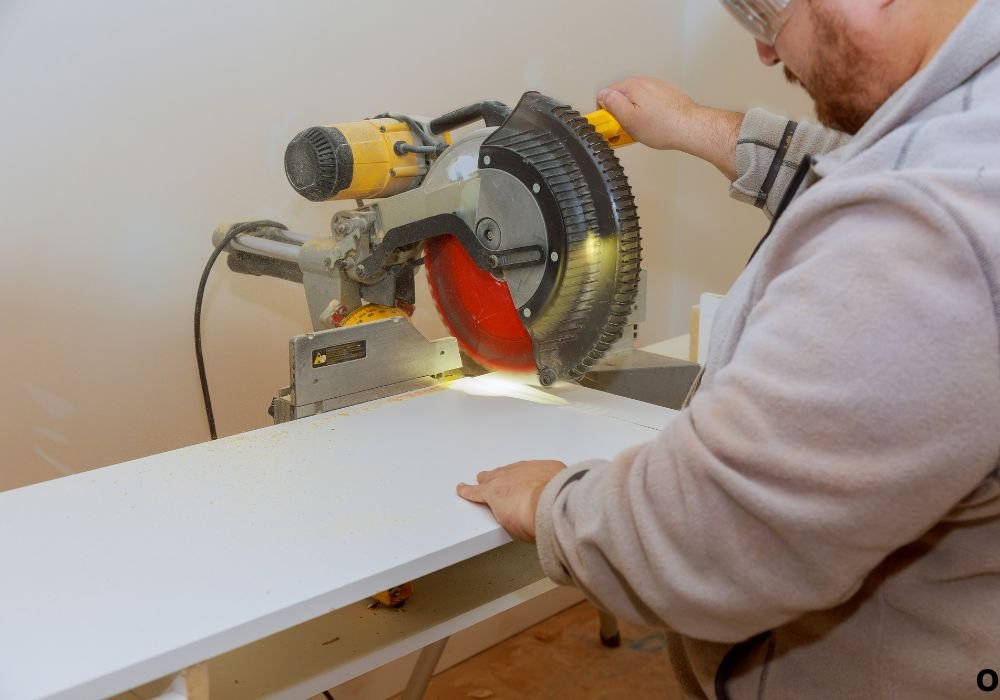
Corian is a solid-surface material made from acrylic polymer mixed with natural minerals. Its composition makes it durable, non-porous, and perfect for seamless countertops.
However, its acrylic base reacts differently to heat compared to natural stone or laminate. Excess friction during cutting can cause melting, burning, or surface discoloration.
The mineral content gives Corian strength but also makes it prone to cracking under vibration. That’s why stable support and proper saw setup are critical for clean cuts.
Unlike wood, Corian doesn’t have grain fibers that absorb stress. Instead, it transfers vibration directly, which can cause fractures.
Circular saws generate heat and friction through high-speed rotation. Without proper blade selection or cooling, this can soften the surface instantly.
The key to success lies in controlling temperature and maintaining consistent movement. Slow, steady feeding minimizes friction and prevents burn marks.
Corian’s smooth texture also makes it easy to scratch. Using a clean saw base and non-slip padding prevents scuffs on the finished surface.
Because it’s often used for visible kitchen areas, edge quality matters greatly. Any chipping or burn marks are immediately noticeable.
By respecting Corian’s physical properties, you can achieve clean, smooth results that look factory-cut. Understanding its limits helps you work smarter, not harder.
Choosing the Right Circular Saw Blade for Corian
The blade you choose will determine how smooth and chip-free your cuts are. Using the wrong blade will melt the surface or leave jagged marks.
For cutting Corian, always use a fine-tooth, carbide-tipped blade. These blades cut smoothly while keeping heat and vibration low.
A 7¼-inch circular saw works perfectly when fitted with a 60- to 80-tooth blade. The high tooth count ensures each pass removes less material with less friction.
Avoid ripping or framing blades designed for wood — their aggressive teeth will damage Corian. Precision, not speed, is your goal here.
Triple chip grind (TCG) blades are highly recommended for solid-surface cutting. They maintain sharpness and control, producing professional edges.
Make sure your blade is clean and free from pitch or residue buildup. A dirty blade increases heat and slows cutting efficiency.
If possible, dedicate a blade solely for solid-surface use. Mixing it with wood or metal cutting dulls the edge quickly.
Thin-kerf blades are ideal because they reduce strain on your saw’s motor and keep vibrations low. Less vibration means fewer chances of cracking.
Inspect your blade before every use for missing teeth or damage. Even a single dull tooth can mar the surface.
With the right blade installed, you’re ready to prepare your workspace for precision cutting.
Setting Up the Workspace and Supporting the Countertop
A solid workspace is essential when cutting any large or heavy surface like Corian. Movement or imbalance can cause vibrations that lead to cracks.
Start by setting up two or more padded sawhorses. They should be perfectly level and spaced evenly to support the entire countertop length.
Place a sheet of thick foam insulation or soft cloth under the countertop. This prevents scratches while absorbing vibration.
Make sure the area is clean and clear of dust or small debris. Even a small screw under the surface can create uneven support.
Use clamps to hold the Corian securely in place before cutting. Movement during sawing is one of the main causes of uneven edges.
Keep at least one edge of the countertop supported while the other side hangs free for the blade path. Unsupported overhangs can flex and crack mid-cut.
If your countertop has sink or faucet holes, reinforce those areas with tape before cutting nearby. They’re weak points where cracks often begin.
Ensure your saw cord or vacuum hose won’t catch or drag across the surface during cutting. Clean workflow equals safer cuts.
Lastly, double-check your saw’s base for rough spots or metal burrs. A scratched countertop is harder to fix than a misaligned cut.
Once your workspace is stable and clean, you’re ready to mark and measure the cutting line.
Marking and Measuring the Cut Line Accurately
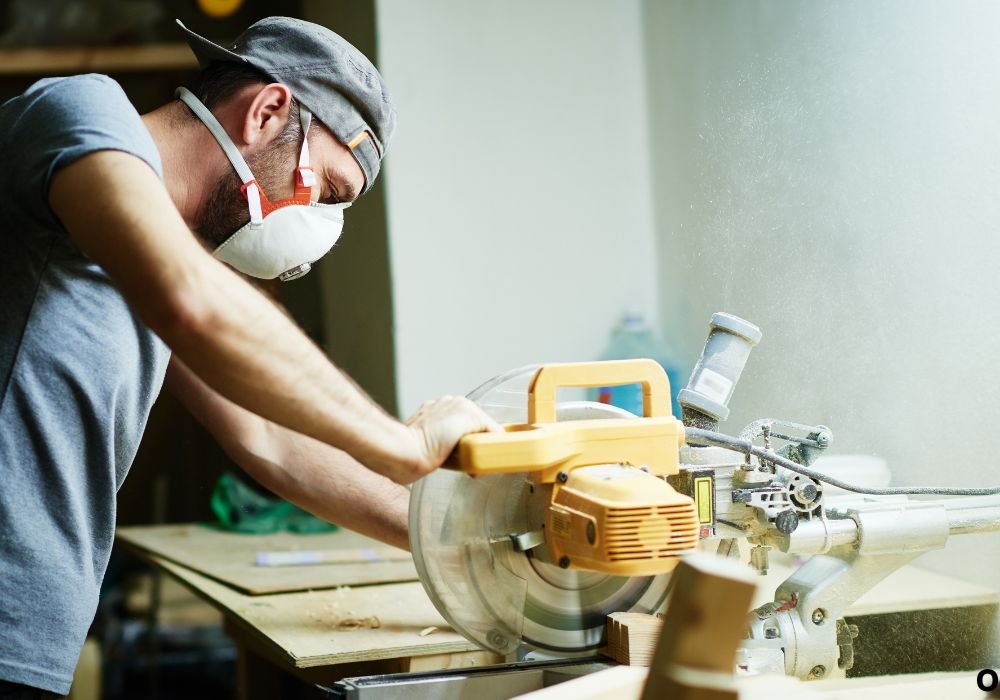
Accurate marking is vital because Corian doesn’t allow easy correction once cut. Always measure twice before making a single pass.
Use a pencil or masking tape to draw your cutting line. Masking tape not only highlights the line but also protects the surface from scratches.
Double-check all dimensions, especially if the cut is for fitting a sink or wall joint. A small error can throw off your entire installation.
When cutting long sections, use a straightedge or metal ruler to keep your lines perfectly even. Freehand markings increase error chances.
For best results, score along your marked line using a utility knife. This helps the saw teeth enter cleanly without chipping the top layer.
Ensure both ends of the line extend slightly beyond the countertop edge. This gives room for a full, continuous cut without stopping early.
Label the waste side of the cut clearly. This prevents confusion when aligning your saw later.
If you’re working with light-colored Corian, use blue painter’s tape for better visibility. It contrasts well and peels off easily.
Avoid using permanent markers since they can stain the acrylic surface. Stick to removable options only.
Once your line is set and checked, the next step is adjusting the saw for depth and speed.
Setting the Correct Blade Depth and Saw Speed
Blade depth plays a major role in achieving a clean cut. Too deep, and you’ll overheat the material; too shallow, and you’ll leave rough edges.
Set the blade to extend about a quarter inch below the Corian’s thickness. This depth gives efficient cutting with minimal friction.
Most Corian countertops are about ½ inch thick, so your blade depth should be around ¾ inch total.
Ensure your blade moves freely and the guard retracts smoothly. Any sticking motion can leave burn marks along the edge.
If your saw allows variable speed, select a medium RPM range. High speeds cause friction heat, while low speeds can snag the material.
Keep the saw base flat against the surface throughout the cut. Tilting increases stress on the blade and risks surface scratching.
Feed the saw slowly but steadily — around one foot every 10 seconds. This prevents overheating and allows clean chip removal.
If the blade feels like it’s struggling, stop and clean it before continuing. Dull blades produce more friction than progress.
Never force the saw; let the blade do the work. Forcing it can bend the Corian or dull the blade teeth prematurely.
Once your setup feels smooth, it’s time to start the actual cutting process.
Step-by-Step: How to Cut Corian Countertop with Circular Saw
Start by positioning the saw just outside your marked line. Make sure the base plate is fully flat before engaging the trigger.
Run the saw at full speed before letting the blade touch the Corian. Entering at full RPM ensures a cleaner cut with less friction.
Hold the saw with both hands firmly but gently. Guide it along the marked line using steady, controlled pressure.
Keep your eyes focused ahead of the blade, not directly on it. Anticipate your path instead of reacting to it.
Move in a continuous motion without stopping mid-cut. Pausing can leave visible marks or heat spots on the surface.
Allow the blade to exit fully before shutting off power. This prevents chips at the end of the cut.
If cutting long countertops, pause after every 3–4 feet to let the blade cool. Corian softens if overheated.
For thicker or double-layered Corian, consider two shallow passes instead of one deep cut. This method gives better control and less melting.
Once complete, inspect the cut for smoothness before removing tape. If rough spots appear, sand lightly with fine grit.
Congratulations — you’ve completed the hardest part cleanly and safely.
Using Masking Tape and Backer Boards to Prevent Damage
Masking tape is your first defense against chips and cracks. Apply it along both sides of your cutting line firmly before sawing.
The tape keeps the acrylic layer stable as the blade passes through. It also helps reduce scratching from saw dust or metal debris.
Using a backer board under the countertop adds extra support. MDF or plywood works best because they absorb vibration.
Clamp both the Corian and backer board together to prevent slipping. Any movement during cutting will show up as jagged edges.
This setup mimics the zero-clearance effect seen in professional saw tables. The result is smoother, cleaner cuts with no underside chipping.
If your countertop is glossy, use painter’s tape to avoid adhesive residue. Peel it off slowly after cutting to preserve the shine.
Some installers also use double layers of tape for heavy-duty cuts. The extra cushioning minimizes friction burns.
Always ensure the backer board covers the entire cut path. Partial coverage can cause the unsupported area to crack.
This small precaution drastically improves cutting results with minimal effort.
Your next priority is managing heat and dust while cutting.
Cooling, Dust Collection, and Heat Management Tips
Cutting Corian produces a fine, powdery dust that spreads quickly. It’s not harmful but should be avoided for clean workspace and safety.
Attach a vacuum hose to your saw’s dust port if available. Continuous suction keeps visibility clear and reduces mess.
Corian dust can cling to surfaces and static, so wipe down tools after cutting. This prevents scratches during finishing.
Heat is another major factor when working with acrylic-based materials. Continuous cutting raises blade temperature rapidly.
Take short pauses between passes to let the blade cool naturally. Avoid spraying water — moisture can stain the material.
Compressed air works well for cooling if you have access to it. A few short bursts between cuts dissipate heat efficiently.
Keep your blade clean throughout the project. Built-up debris acts as insulation, increasing friction and melting risk.
If your saw starts leaving burn marks, slow down your feed rate slightly. Excess pressure generates heat faster than steady movement.
Work in a well-ventilated area to keep air circulation constant. Fresh airflow helps both visibility and cooling.
Managing heat and dust keeps both your workspace and final finish spotless.
Sanding and Finishing Corian Edges
After cutting, your Corian edges may feel slightly rough. Finishing them correctly gives that factory-smooth look.
Start with 180-grit sandpaper and lightly sand along the edge. Move in a circular motion to smooth micro scratches.
Gradually move to finer grits like 320, 400, and even 600 for a polished look. Each step removes smaller imperfections.
Avoid pressing too hard — Corian sands easily, and over-sanding can round edges unevenly.
If you want a glossy finish, use a buffing pad with polishing compound. Work slowly until the surface shines uniformly.
For matte finishes, stop at 320 grit and clean with a damp cloth. This matches most countertop surfaces perfectly.
Always clean off dust between sanding steps. Residue can scratch the surface if trapped under finer grits.
Use a hand sander or orbital sander for faster results on long edges. Keep it moving constantly to avoid heat buildup.
Finish by wiping the surface with a clean microfiber cloth. Inspect the edge under bright light for smooth consistency.
A perfectly finished edge not only looks better but also resists dirt buildup over time.
Safety Precautions When Cutting Corian
Safety should always come before speed or convenience. Cutting Corian creates fine dust that requires protective equipment.
Wear a dust mask or respirator to avoid inhaling acrylic particles. The dust may irritate sensitive lungs or throats.
Always use safety goggles to protect your eyes from debris. Small chips can fly unpredictably from the cutting edge.
Hearing protection is recommended, especially for long projects. Circular saws produce loud, high-pitched noise.
Wear cut-resistant gloves when handling sharp edges or blades. Corian fragments can be razor sharp.
Keep your workspace organized to avoid tripping hazards. Power cords should run away from your cutting path.
Always unplug the saw before changing blades or making adjustments. Accidental starts can cause serious injury.
Maintain a stable stance while cutting — keep both feet planted firmly. Avoid awkward positions that affect control.
Never rush the process or work while tired. Focused, steady cutting ensures both safety and quality.
Following these basic precautions guarantees safe, confident work every time.
Common Mistakes to Avoid When Cutting Corian
Many beginners make simple mistakes that ruin an otherwise perfect countertop. The first is using the wrong blade.
A coarse blade designed for wood tears the surface and leaves burn marks. Always choose fine-tooth carbide blades.
Another common issue is cutting too quickly. Rushing generates heat that melts the acrylic layer.
Failing to support the entire countertop is another frequent error. Unsupported areas flex and cause internal cracking.
Skipping masking tape or scoring might save time, but it risks surface chipping. Preparation prevents disaster.
Cutting in poor lighting can make you miss alignment marks. Always ensure proper visibility before starting.
Over-sanding or using the wrong grit can also dull the finish. Follow gradual sanding steps for best results.
Not allowing the blade to cool causes heat buildup and uneven cuts. Take short breaks to preserve blade sharpness.
Using old or dirty blades increases friction and vibration. Clean regularly and replace when dull.
Avoiding these mistakes ensures smooth, professional results every single time.
Alternative Tools for Cutting Corian Countertops
While circular saws are practical, other tools can also deliver excellent results. A track saw offers superior straightness and control.
Table saws with fine-tooth blades and zero-clearance inserts are used by professionals. They produce factory-level cuts with minimal chipping.
Routers are perfect for shaping edges and finishing sink openings. They allow detailed customization that saws can’t achieve.
Jigsaws with fine reverse-tooth blades can handle curves or tight corners. However, they require slow, careful operation.
For small modifications, oscillating tools can trim edges cleanly without large setups.
Each tool offers a balance between precision and ease of use. Choose based on project size and available equipment.
If working frequently with Corian, consider investing in track or table saw systems. They save time and improve accuracy.
Even with advanced tools, the principles of support, blade selection, and speed remain the same.
Consistency, not power, defines a clean Corian cut.
Pro Tips for Clean, Professional-Looking Cuts
Always make a test cut on a scrap piece before starting. It helps you confirm blade depth and speed settings.
Keep your saw base clean and waxed to reduce surface friction. Smooth gliding prevents scratches.
Apply masking tape on both top and bottom surfaces for maximum protection.
If cutting multiple sections, mark all measurements first to save setup time.
Don’t rush between passes — allow both the blade and material to cool fully.
Use clamps with rubber pads to prevent surface dents. Metal clamps can scar glossy Corian.
Store your Corian panels flat to avoid bending before installation. Warped surfaces cut unevenly.
Keep your workspace ventilated to disperse heat and acrylic odor.
Finally, patience is your best tool — smooth, steady hands always outperform force and speed.
Frequently Asked Questions
Can you cut Corian with a regular circular saw?
Yes, but you must use a fine-tooth carbide blade and slow feed speed for clean results.
What blade works best for Corian?
A 60–80 tooth triple-chip grind (TCG) carbide-tipped blade is ideal.
Does Corian crack easily when cutting?
It can if unsupported or cut too fast. Proper support and moderate speed prevent cracking.
Do you need water cooling when cutting Corian?
No, just pause periodically to let the blade cool naturally.
Can I use a jigsaw for Corian?
Yes, for curved cuts, but keep the feed speed low to prevent melting.
Why does my Corian edge look burned?
Excess heat from friction — use a clean, sharp blade and steady motion.
Should I sand Corian after cutting?
Yes, start with 180-grit and finish with finer grits for smooth, polished edges.
Can Corian melt from cutting?
Yes, because it contains acrylic resin. Avoid overheating the blade.
Is it necessary to use masking tape?
Yes, it protects the surface and helps reduce chips or scratches.
Can Corian be cut like wood?
No, it behaves differently under friction; always treat it as a solid-surface material.
Conclusion
Cutting Corian countertops with a circular saw may sound intimidating, but the right approach makes it simple. Precision, patience, and preparation are the real secrets to clean results.
By understanding how Corian reacts to heat and vibration, you can easily avoid cracks and burn marks. Using a sharp, fine-tooth blade and steady speed ensures perfect cuts every time.
Never skip setup or safety steps — they define professional-quality results. A stable workspace, proper clamping, and cooling intervals keep both you and your project safe.
Remember that every smooth cut starts long before the saw touches the surface. Preparation is what separates flawless craftsmanship from frustration.
Whether you’re resizing a kitchen countertop or creating custom Corian panels, these techniques guarantee success.
Practice on scrap pieces to gain confidence before cutting your main project. With time, each cut will feel smoother, cleaner, and more precise.
In the end, your effort will show through a beautiful, seamless countertop that looks as if it came straight from the factory.

I’m Michael R. Turner, the founder, lead writer, and passionate DIY enthusiast behind 101diytools.com. With years of hands-on experience in home improvement and power tools, I built this platform to share practical tips, in-depth guides, and honest reviews to help DIYers of all skill levels tackle projects with confidence and the right tools.