How to Cut Concrete with a Circular Saw Safely
You start your DIY patio project full of excitement, but the moment you hit a thick concrete slab, your regular saw begins to smoke and spark. The blade screeches, dust clouds fill the air, and you realize this job needs the right tool and method.
Cutting concrete may sound intimidating, but with a circular saw and the correct blade setup, you can make precise, clean cuts without cracking the slab. Many professionals and homeowners use circular saws to handle small to medium concrete jobs like trimming edges, making control joints, or cutting pavers.
In this guide, we’ll cover everything from selecting the proper blade and preparing the surface to water usage, cutting techniques, and post-cut care. Once you understand these steps, you can handle concrete cutting confidently and safely.
Understanding Concrete and Why It’s Hard to Cut
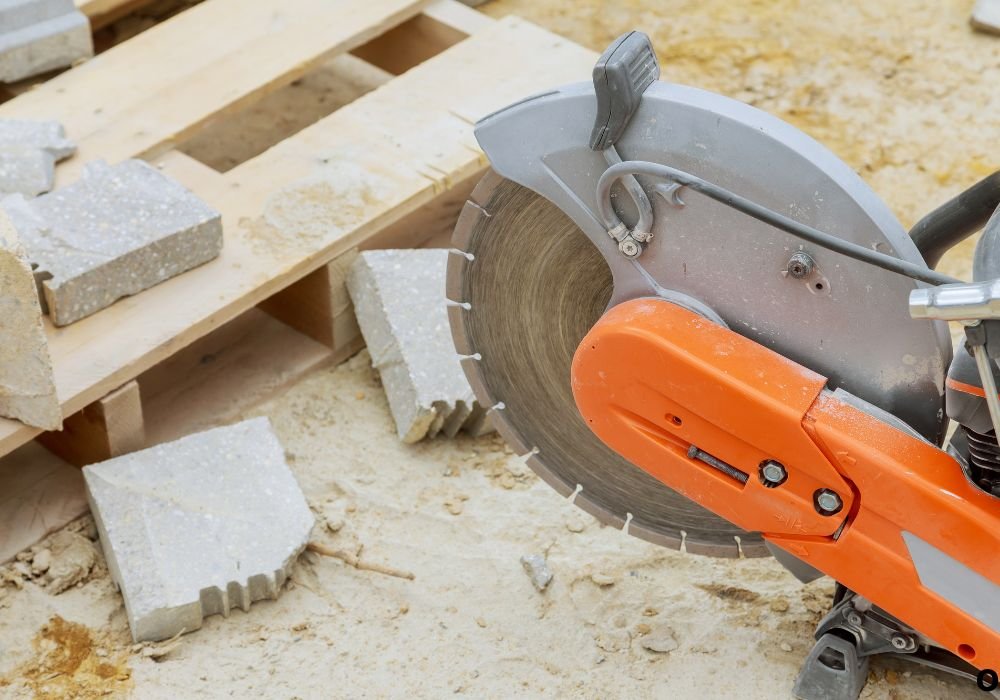
Concrete is a mix of cement, sand, gravel, and water that hardens into a dense material. Its strength makes it durable for construction but difficult to cut without specialized tools.
The hardness varies depending on curing time and mixture, which affects how the blade performs. Freshly cured concrete is softer than old, fully hardened slabs that contain embedded stones and rebar.
Knowing the concrete’s age helps you choose the right blade and adjust your technique. Using an improper blade or dry-cutting old concrete can overheat your saw and damage both the tool and the surface.
Choosing the Right Blade for Cutting Concrete
A regular wood-cutting blade will not survive cutting concrete. For this job, use a diamond-tipped blade, specifically designed for abrasive materials.
There are two main types: wet-cut and dry-cut blades. Wet-cut blades use water to cool down, reduce dust, and increase lifespan. Dry-cut blades are convenient for quick cuts but must be cooled between passes.
If you plan to make multiple or deep cuts, a wet diamond blade is best. Always check your saw’s compatibility and RPM rating to avoid blade failure.
Preparing Your Workspace and Safety Gear
Concrete cutting produces dust, debris, and flying chips that can harm your eyes and lungs. Proper preparation is essential before you begin.
Wear safety goggles, ear protection, a dust mask (N95 or higher), gloves, and steel-toed boots. Mark your cutting line clearly with chalk and ensure the area is clean.
If cutting indoors, use a vacuum attachment or water-fed saw to control dust. Outdoors, make sure bystanders are clear of the area before you start.
Marking and Measuring the Cut Line
Accurate cuts begin with precise marking. Use a straightedge and chalk line to mark the exact cutting path.
For deep cuts, mark both sides of the slab to ensure alignment. If you’re cutting for expansion joints, maintain consistent spacing between lines.
Recheck all measurements before cutting because concrete is unforgiving — once cut, it cannot be patched invisibly.
Setting Up the Saw for Concrete Cutting
Before cutting, check your circular saw’s motor capacity and adjust the blade depth. Start with a shallow pass (about ¼ inch deep) to guide the blade.
If using a wet blade, connect the water supply and test the flow rate. Too little water creates dust; too much can splash and obscure your line.
Ensure the blade is tightly secured, and the saw base plate is flat against the concrete surface for stability during operation.
How to Cut Concrete Step by Step
Begin with steady hands and patience. Turn on the saw and let the blade reach full speed before contacting the surface.
Move the saw forward slowly along the line, letting the diamond blade do the work. For deep cuts, make several shallow passes rather than one deep one.
Avoid forcing the saw, as this increases heat and blade wear. Maintain a constant speed and pressure for cleaner, straighter results.
Using Water to Control Dust and Heat
When cutting concrete, dust is not just messy — it’s dangerous. Crystalline silica dust can cause serious lung issues if inhaled frequently.
Water helps minimize dust and keeps the blade cool. For wet cutting, a steady stream of water should hit both sides of the blade.
If you’re dry-cutting, take breaks every 30–45 seconds to let the blade cool naturally, preventing cracks or warping.
Dealing with Reinforced Concrete (Rebar Inside)
Sometimes, you’ll hit metal reinforcement inside the concrete. Rebar requires extra caution because it dulls blades quickly.
Use a combination diamond-metal cutting blade designed for rebar contact. When you notice sparks or vibration, stop immediately and inspect the blade.
Never cut continuously through both concrete and metal without the proper blade type; it can overheat and cause kickback.
Post-Cut Cleanup and Surface Finishing
After cutting, you’ll find a mix of dust, slurry, and debris. Let the area dry completely before cleaning.
Use a stiff broom and vacuum to remove dust, then rinse with water if needed. If the cut edges need smoothing, use a concrete grinder or masonry file.
Applying a concrete sealer afterward prevents future cracking and keeps moisture from seeping into the cut joints.
Common Mistakes to Avoid
Many beginners make the mistake of cutting too deep in one pass or using the wrong blade. Both can burn the motor and ruin the blade.
Others skip using water, leading to excessive dust and blade wear. Rushing through cuts or ignoring safety gear are also major errors.
Patience and preparation are key. Always let the saw rest between long cuts and inspect your blade frequently.
Maintenance Tips for Your Circular Saw
Concrete dust can damage saw bearings, vents, and switches. Clean your saw thoroughly after each use.
Wipe off residue, blow air into vents, and oil moving parts lightly. Store the saw in a dry area to prevent corrosion.
Regularly check blade sharpness — dull blades make cutting harder and unsafe.
Frequently Asked Questions
Can I cut concrete with a regular circular saw?
Yes, but only with a diamond blade rated for concrete, not a wood-cutting blade.
How deep can a circular saw cut concrete?
A 7¼-inch circular saw typically cuts up to 2½ inches deep, enough for most slabs or sidewalks.
Do I need to use water when cutting concrete?
Water helps control dust and cools the blade. It’s recommended for cleaner, safer cuts.
What if my saw overheats during cutting?
Stop immediately, let it cool, and check for dust buildup or blade warping before continuing.
Can I cut concrete indoors?
Yes, but only with proper ventilation, dust collection, or wet cutting to minimize silica dust exposure.
Conclusion
Cutting concrete with a circular saw may seem tough, but with the right setup, patience, and safety precautions, it’s a task any skilled DIYer can master.
Use the right diamond blade, keep the workspace clean, control dust with water, and take shallow passes for best results. Whether you’re trimming a patio edge or cutting a control joint, precision and preparation ensure clean, professional-looking cuts every time.

I’m Michael R. Turner, the founder, lead writer, and passionate DIY enthusiast behind 101diytools.com. With years of hands-on experience in home improvement and power tools, I built this platform to share practical tips, in-depth guides, and honest reviews to help DIYers of all skill levels tackle projects with confidence and the right tools.