How to Cut a Brick with a Circular Saw Safely and Precisely
Cutting bricks with a circular saw may sound challenging, but it’s a task every DIY builder or homeowner can master with the right tools and safety precautions.
Whether you’re shaping bricks for a garden path, trimming them to fit around pipes, or customizing patterns for walls or patios, clean and accurate cuts make all the difference in how your project looks and holds together.
Bricks are tough, abrasive, and dense, so cutting them with a standard wood blade is not an option — you’ll need a diamond masonry blade and a methodical approach to get professional results.
A circular saw is more than capable of handling the job, provided you use the right equipment, prepare carefully, and follow proper technique.
In this comprehensive guide, you’ll learn how to cut bricks safely, smoothly, and with minimal dust, using a circular saw.
We’ll cover everything — from blade selection and marking, to cooling, cutting depth, and finishing edges — so your cuts look factory-made every time.
Understanding Brick Cutting with a Circular Saw
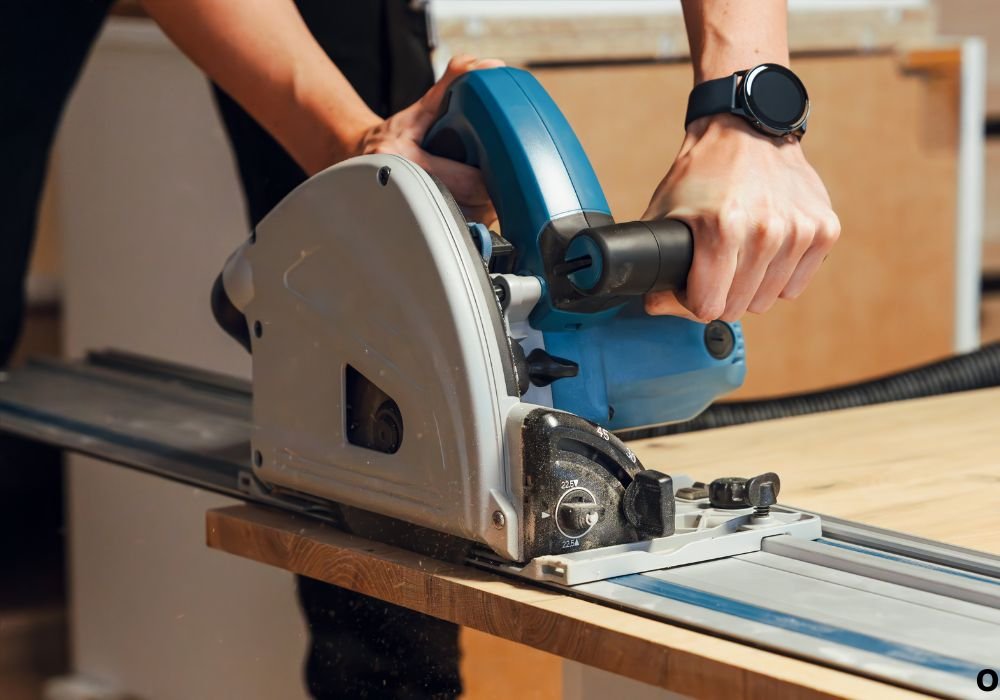
Bricks are made of hard, fired clay or concrete, which makes them highly durable but difficult to cut cleanly.
A circular saw, when fitted with the correct masonry or diamond-tipped blade, can slice through them efficiently without cracking or chipping.
Unlike cutting wood, brick cutting generates intense heat, fine dust, and vibrations, so it’s essential to prioritize safety and stability throughout the process.
Your saw doesn’t “slice” the brick — it gradually grinds through it, removing layers with each rotation.
Because bricks are brittle, forcing the blade too quickly can cause cracks or breakage.
Patience, steady movement, and good cooling (either by water or airflow) ensure cleaner, more controlled cuts.
Once you understand these fundamentals, you can confidently handle projects like brick edging, wall openings, paving patterns, or retaining wall adjustments with your circular saw.
Tools and Materials You’ll Need
Before cutting, gather all the necessary tools and protective gear.
Working with masonry involves heat and debris, so having the right setup makes a big difference in both results and safety.
Here’s what you’ll need:
- Circular saw (corded preferred for steady power)
- Diamond-tipped masonry blade (7¼-inch is ideal)
- Measuring tape
- Pencil or chalk for marking
- Carpenter’s square
- Workbench or sawhorses
- Clamps or brick vice
- Water spray bottle (for cooling) or dry-cutting dust mask
- Safety goggles, ear protection, gloves, and respirator
Optional but helpful: a wet saw attachment or shop vacuum to minimize dust during dry cutting.
Always use a dedicated masonry blade — wood or metal blades will overheat and dull immediately.
Step 1: Choose the Right Blade
The blade is the most important part of the setup when cutting bricks.
A standard wood-cutting blade will not withstand the abrasive surface of brick and can be dangerous if used.
For clean, safe cuts, install a continuous-rim or segmented diamond masonry blade rated for dry or wet cutting, depending on your setup.
Continuous-rim blades produce smoother edges, while segmented ones cut faster but create more dust.
If your saw allows, use a wet-cutting blade with light water flow to keep the brick cool and reduce dust.
Always double-check that the blade’s RPM rating matches or exceeds your saw’s speed.
A properly selected and mounted blade ensures smoother cuts, longer tool life, and minimal risk of cracking the brick.
Step 2: Measure and Mark the Brick
Before cutting, measure your brick carefully using a tape measure or square, depending on the shape or pattern you’re fitting it into.
Mark your cutting line clearly with chalk or a wax pencil for high visibility against brick dust.
If you’re trimming bricks for a pattern or fitting corners, mark both the top and sides so you can track the cut line from multiple angles.
Ensure your measurements are accurate — once you start cutting, adjustments are difficult.
For a large batch of identical cuts, create a jig or template to keep measurements consistent.
This step prevents unnecessary waste and ensures uniform, professional-looking results.
Step 3: Secure the Brick Properly
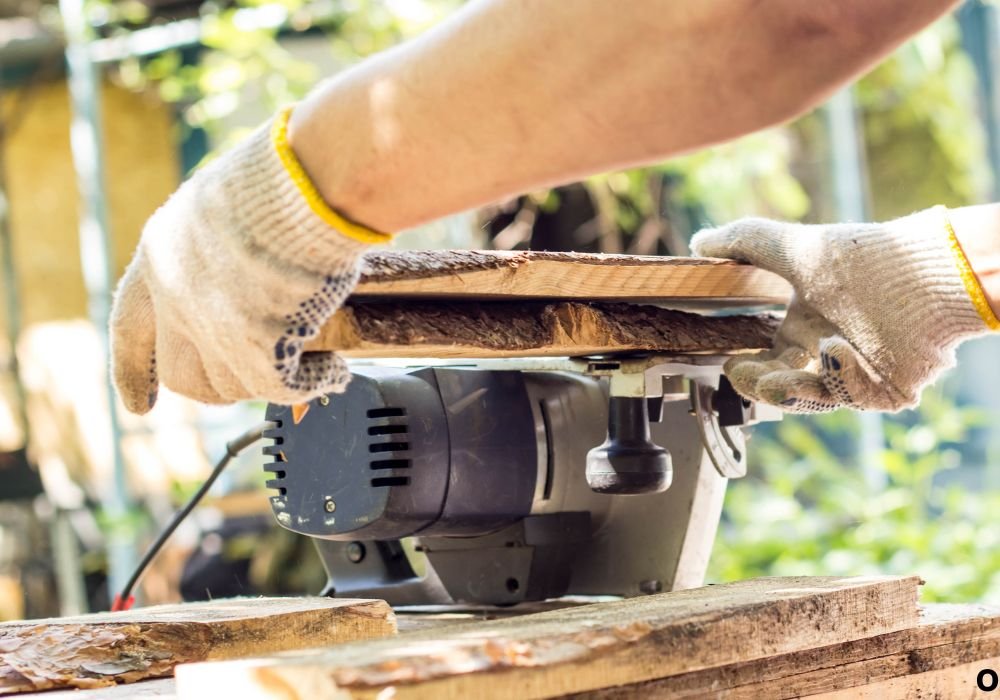
Stability is crucial when cutting heavy or brittle materials like brick.
Any vibration or movement can cause uneven edges or even shatter the brick mid-cut.
Place the brick securely on a sturdy workbench or pair of sawhorses, ensuring it’s at a comfortable working height.
Use clamps or a masonry vise to hold it firmly in place, with the cut line extending slightly past the table’s edge for blade clearance.
If cutting multiple bricks, line them up but cut one at a time to maintain precision and avoid chipping.
Never hold the brick in your hand while cutting — the saw’s torque and vibration can cause it to slip dangerously.
Once secured, double-check that your blade path is clear of obstructions and clamps.
Step 4: Adjust the Cutting Depth
Brick thickness varies, but most are between 2½ to 3 inches deep.
Set your saw’s cutting depth to slightly more than half the brick’s thickness (around 1½ inches) for the first pass.
This approach allows you to make multiple passes for cleaner, more controlled results.
Trying to cut through the brick in a single pass puts stress on the saw and increases the risk of chipping or overheating.
Adjust the depth using your saw’s depth lever, lock it in place, and verify by lowering the saw blade near the brick surface.
Proper depth adjustment ensures precision and prolongs both the blade and the saw’s lifespan.
Step 5: Make the First Scoring Cut
With everything secure, align your blade exactly with the marked cutting line.
Start your saw and let it reach full speed before bringing it into contact with the brick.
Make a shallow pass along the line, cutting about ⅛ to ¼ inch deep to score the brick’s surface.
This first cut acts as a guide, preventing the blade from wandering during deeper passes.
Move the saw slowly and steadily — don’t force it through too quickly.
If you’re dry-cutting, pause occasionally to let the blade cool or spray the surface lightly with water to control dust.
After scoring the top face, rotate the brick and repeat on each side if a full cut-through is needed.
These guide cuts help maintain accuracy and reduce cracking when completing the cut.
Step 6: Finish the Full Cut
Once the scoring cut is done, increase your saw’s cutting depth to reach slightly deeper than the halfway point of the brick.
Repeat your cut along the same scored line, maintaining even pressure and a steady pace.
If your saw doesn’t cut all the way through, flip the brick over and realign the blade with your existing groove.
Complete the cut from the opposite side until the brick separates cleanly.
For tough materials or thicker bricks, you might need three or four passes, gradually deepening the cut each time.
Avoid rushing — forcing the blade can overheat the saw or crack the brick unevenly.
Once cut, you’ll be left with a clean, sharp edge suitable for installation or finishing work.
Step 7: Smooth and Finish the Edges
After cutting, your brick may have slightly rough or chipped edges — this is normal.
To smooth them out, use a masonry file, sanding stone, or rub brick to remove small burrs and refine the surface.
Work gently along the edges until they’re even and smooth to the touch.
This step not only improves appearance but also prevents sharp fragments from affecting your mortar joints later.
If the brick will be visible in your project, you can further refine the edge using a hand sander with a masonry pad.
Clean the surface thoroughly with a damp cloth to remove dust before installation.
Step 8: Safety and Dust Control
Brick dust contains silica particles, which are harmful if inhaled.
Always wear a respirator or dust mask when cutting, especially if working indoors or in enclosed areas.
Use a wet-cutting method whenever possible to minimize airborne dust — even a simple water spray bottle helps.
If dry-cutting, attach a shop vacuum hose near the saw blade to collect dust at the source.
Wear eye protection, gloves, and hearing protection throughout the process.
Never remove the blade guard from your saw — it’s a vital safety component that protects your hands and face.
Taking these safety measures not only protects your health but also makes your cutting experience smoother and cleaner.
Tips for Cutting Brick Efficiently
- Use light, multiple passes instead of one deep cut — it reduces heat and blade wear.
- Keep your blade cool — spray water lightly during cutting if you’re using a wet-rated blade.
- Avoid forcing the saw — let the diamond blade do the grinding at its own speed.
- Mark both top and sides for better accuracy when flipping the brick.
- Test cuts on scrap bricks help you adjust depth and angle before final cuts.
- Use a firm grip and maintain even pressure throughout the cut.
- Clean your blade regularly to prevent dust buildup, which can slow down cutting.
These habits improve both precision and the lifespan of your tools while keeping every cut consistent and clean.
Common Mistakes to Avoid
Even experienced builders can make errors when cutting masonry materials.
Avoiding these common mistakes will save you from broken bricks and wasted time.
- Using the wrong blade type (wood or metal blades won’t survive one cut).
- Trying to cut through in one pass instead of using multiple shallower cuts.
- Failing to secure the brick, leading to dangerous movement.
- Cutting without marking all sides, which leads to misaligned cuts.
- Ignoring dust control — silica dust is hazardous to your lungs.
- Forcing the saw or rushing, which overheats and chips the brick.
By planning ahead and working slowly, you’ll achieve neat, professional-looking results every time.
FAQs
Can I cut brick dry with a circular saw?
Yes, but it produces a lot of dust. Always wear a respirator and goggles, or use a wet-cutting method to minimize silica exposure.
What’s the best blade for cutting brick?
A diamond-tipped masonry blade is ideal. Choose one labeled for dry or wet cutting, depending on your setup.
Can a circular saw cut through concrete blocks too?
Yes, the same process applies. Just ensure your blade is rated for concrete and cut slowly in multiple passes.
Why is my brick chipping while cutting?
You may be forcing the saw too hard or using a dull blade. Use light pressure and multiple passes for cleaner edges.
How do I reduce dust while cutting?
Use a wet-cutting blade with a light water mist or attach a vacuum hose to the saw for dry cutting.
Can I use an angle grinder instead of a circular saw?
Yes, angle grinders work well for smaller cuts or shaping edges, but they’re harder to keep perfectly straight.
Is cutting brick with a circular saw safe?
Yes, if done correctly with the right blade, safety gear, and proper clamping. Never attempt to cut bricks freehand.
What’s the difference between cutting clay and concrete bricks?
Clay bricks are slightly softer but chip more easily, while concrete bricks are denser and require more cutting time.
Do I need to cool the blade during cutting?
For long cuts, yes. Cooling reduces friction, extends blade life, and keeps cuts smoother.
Can I reuse the blade after cutting bricks?
Yes, as long as the blade remains sharp and balanced. Clean it regularly to remove dust buildup and resin.
Conclusion
Cutting bricks with a circular saw might sound like a job for professionals, but with the right blade, steady technique, and proper safety gear, it’s well within reach for any DIYer or builder.
A well-planned, patient approach ensures precise cuts, cleaner edges, and a project that fits together seamlessly.
From marking and scoring to cooling and finishing, every step matters — rushing or skipping even one detail can turn a clean edge into a cracked mess.
Remember, let the saw do the work, keep your setup stable, and always prioritize safety above speed.
Once you master this method, you’ll be able to customize bricks for patios, walls, and landscaping projects with total confidence.
A clean, accurate brick cut not only looks professional but also reflects your craftsmanship, precision, and care for detail.

I’m Michael R. Turner, the founder, lead writer, and passionate DIY enthusiast behind 101diytools.com. With years of hands-on experience in home improvement and power tools, I built this platform to share practical tips, in-depth guides, and honest reviews to help DIYers of all skill levels tackle projects with confidence and the right tools.