How to Condition Leather Work Gloves for Long Life
A pair of leather work gloves often tells a story. At first, they’re soft, flexible, and reliable, but over time they stiffen, crack, and lose the comfort that made them essential.
Few things are more frustrating than pulling on gloves that feel more like cardboard than protective gear.
The problem is not poor quality but a natural part of leather’s aging process. Without regular care, the oils inside the fibers dry out, leaving gloves brittle and uncomfortable.
Many workers wonder how to condition leather work gloves so they remain durable, soft, and protective even after months of use.
Leather is one of the most widely used materials in the world, valued at over $100 billion globally (source).
Proper conditioning can extend the life of leather products by years, saving money and maintaining safety.
Unlike synthetic gloves that wear out quickly, conditioned leather develops a comfortable fit that molds to the user’s hands while still providing excellent protection.
The benefits of conditioning go beyond comfort. Well-cared-for gloves resist cracking, repel water more effectively, and provide a secure grip in both dry and wet conditions.
Workers who regularly condition their gloves notice less hand fatigue because the material stays flexible instead of fighting against every movement.
This guide explains step by step how to condition leather work gloves. From cleaning methods and the best conditioners to frequency, mistakes to avoid, and tips for restoring stiff gloves, you’ll learn exactly how to make your gloves last longer.
With the right care, your leather gloves can remain soft, strong, and dependable for years.
Why Conditioning Leather Work Gloves Matters
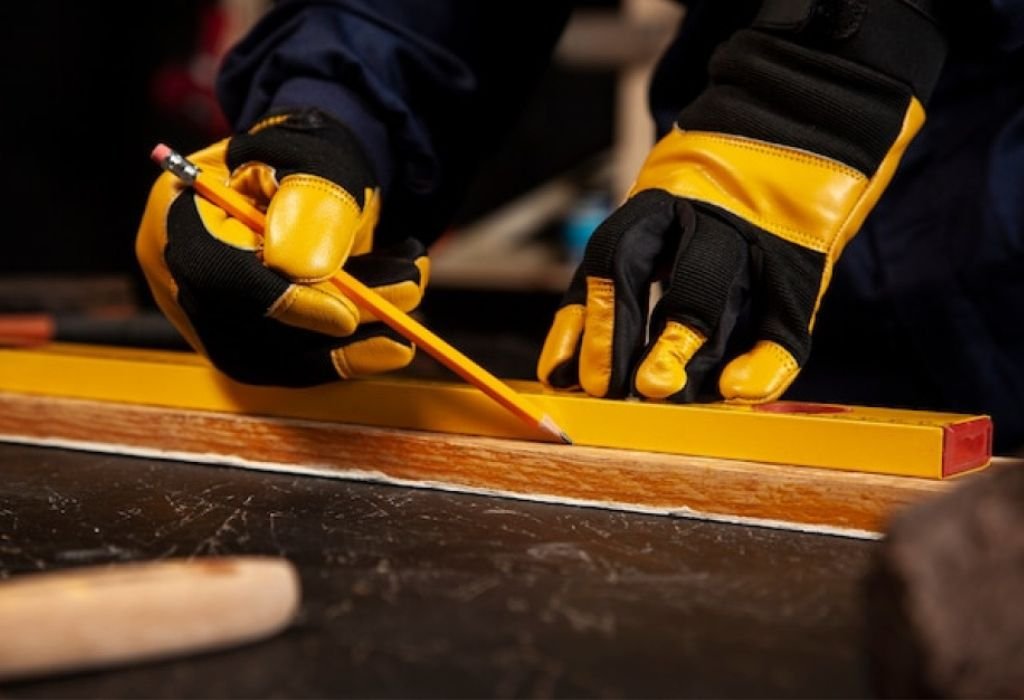
Leather gloves are designed to protect hands from cuts, abrasions, and harsh weather. Over time, natural oils inside the leather fibers evaporate, leaving the material stiff and brittle.
When gloves dry out, they lose flexibility, which makes them uncomfortable to wear and reduces hand dexterity. Cracked leather also weakens protection, making gloves less reliable for demanding tasks.
Conditioning replaces lost oils, restoring softness and extending the lifespan of the gloves. It also helps them resist water damage, mold, and premature wear.
Do leather gloves really need conditioning?
Yes, conditioning prevents dryness, cracking, and early wear.
What happens if gloves dry out?
They stiffen, crack, and lose protective qualities.
Does conditioning improve comfort?
Yes, supple gloves fit better and reduce hand fatigue.
How often should gloves be conditioned?
Every 2–3 months or sooner if exposed to heavy use, dirt, or moisture.
Can old gloves be restored with conditioning?
Yes, most stiff gloves can be softened with repeated treatments.
Preparing Leather Gloves Before Conditioning
Conditioning works best when the leather is clean. Dirt and grime block oils from penetrating, so gloves must be washed gently before any treatment.
Use saddle soap, mild leather cleaner, or a damp cloth to wipe away dust and surface debris. Always let the gloves air dry naturally, never under direct heat.
Can dirty gloves be conditioned?
No, oils will sit on the surface instead of soaking into the fibers.
Is saddle soap safe for gloves?
Yes, but apply lightly to avoid over-drying the leather.
Should gloves ever be soaked in water?
No, soaking damages leather fibers and causes stiffness.
What’s the correct drying method?
Air dry at room temperature away from sunlight or heaters.
Can gloves be machine washed?
No, the agitation and water shrink and crack leather.
Choosing the Right Conditioner for Leather Gloves
The type of conditioner matters as much as the process itself. Natural oils like mink oil, lanolin, and neatsfoot oil deeply nourish leather, while commercial conditioners provide long-lasting protection.
Homemade options like olive or coconut oil can soften leather but may go rancid over time, so they should be used sparingly. Commercial products like Lexol or Bickmore are formulated for durability and consistency.
What is the best conditioner for work gloves?
Mink oil and lanolin are excellent for softness and strength.
Can petroleum jelly be used on leather gloves?
Yes, but only occasionally—it can clog pores over time.
Do natural oils work effectively?
Yes, though they may require more frequent reapplication.
Are commercial conditioners safer?
Yes, they are tested for leather preservation and long-term use.
Should waterproof sprays be combined with conditioning?
Yes, apply after conditioning for extra moisture resistance.
Step-by-Step Guide: How to Condition Leather Work Gloves
Start by cleaning and drying gloves completely. Apply a small amount of conditioner using a soft cloth or your hands to spread it evenly across the surface.
Massage the oil into the leather, paying attention to seams, creases, and finger joints. Let the gloves sit for 12–24 hours, then buff lightly with a soft cloth to remove excess.
How much conditioner should be applied?
Just a thin coat—too much leaves sticky residue.
Should gloves be worn during conditioning?
Yes, it helps oils reach deep into creases and bends.
How long should gloves rest after treatment?
At least 12–24 hours in a cool, dry environment.
Can heat speed up absorption?
No, heat damages the leather’s natural fibers.
Should gloves be polished afterward?
Yes, buffing ensures a smooth, non-greasy finish.
Restoring and Softening Old or Stiff Gloves
Even gloves that seem too stiff can often be saved. A deep-conditioning cycle repeated several times can restore flexibility.
Apply neatsfoot oil or lanolin generously, allow to soak, then repeat the process over several days. Wear the gloves in between sessions to stretch and reshape them.
Can stiff gloves be revived?
Yes, with multiple conditioning cycles over time.
What oil works best for stiff leather gloves?
Neatsfoot oil penetrates deeply to restore flexibility.
Can cracked gloves be fully repaired?
Minor cracks can soften, but deep cracks are permanent.
Does soaking gloves in water help soften them?
No, water hardens leather when it dries.
Can gloves be reshaped during conditioning?
Yes, wearing them while drying restores proper fit.
Conditioning Frequency and Long-Term Maintenance
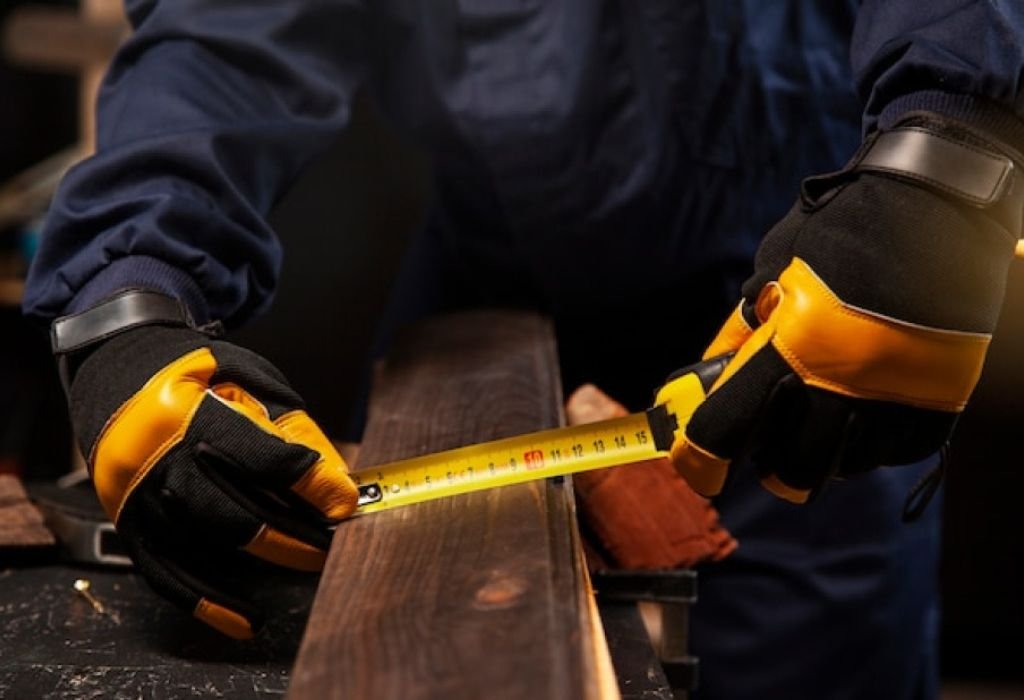
Leather gloves should be conditioned regularly to maintain flexibility. Frequency depends on climate, usage, and storage conditions.
In dry or hot climates, conditioning every 1–2 months may be necessary, while humid areas may require less frequent care.
How often should gloves be conditioned?
Every 2–6 months depending on use and environment.
Do gloves in humid climates need less care?
Yes, but still require occasional conditioning.
What’s the best way to store gloves?
In a cool, dry place inside a breathable bag.
Can leather be over-conditioned?
Yes, excess oil weakens fibers and causes stickiness.
Should gloves also be waterproofed?
Yes, after conditioning for added protection.
Common Mistakes to Avoid When Conditioning Leather Gloves
Too much oil, direct heat, or harsh cleaners can ruin gloves. Conditioning should be a gentle process, not a quick fix.
Always clean gloves first and avoid leaving them in the sun or near heaters to dry.
What happens if too much oil is used?
Gloves become greasy and fibers may weaken.
Can a hairdryer be used for drying?
No, it cracks and shrinks leather.
Is motor oil safe for gloves?
No, it destroys the leather permanently.
Why is cleaning before conditioning important?
It ensures oils penetrate instead of sitting on dirt.
Can gloves be left in sunlight to dry?
No, UV light fades and damages leather.
Natural vs Commercial Conditioners: Which is Better?
Both natural and commercial products have benefits. Natural oils are affordable and effective but may spoil, while commercial conditioners are longer-lasting and tested for safety.
Some users combine both by starting with natural oils and finishing with a commercial conditioner.
Are natural oils cheaper?
Yes, but they require more frequent application.
Do commercial conditioners prevent cracks better?
Yes, they are formulated to keep leather flexible longer.
Can natural and commercial be combined?
Yes, using both can maximize softness and durability.
Which option lasts longer?
Commercial conditioners typically offer longer protection.
Which is eco-friendlier?
Natural oils are more sustainable but spoil faster.
Conclusion
Learning how to condition leather work gloves is the key to keeping them comfortable, flexible, and long-lasting. Conditioning restores natural oils, prevents cracking, and ensures gloves provide the protection they were designed for.
By cleaning properly, applying the right conditioners, and avoiding common mistakes, anyone can extend the lifespan of their gloves. Whether using natural oils or commercial treatments, the result is the same—softer, stronger, and more dependable gloves ready for every job.
Make conditioning part of your regular glove care routine, and your leather work gloves will reward you with years of durability and comfort.

I’m Michael R. Turner, the founder, lead writer, and passionate DIY enthusiast behind 101diytools.com. With years of hands-on experience in home improvement and power tools, I built this platform to share practical tips, in-depth guides, and honest reviews to help DIYers of all skill levels tackle projects with confidence and the right tools.