
How to Choose the Right Circular Saw Blade for Perfect Cuts
Every woodworker remembers the first time they made a rough, splintered cut and wondered what went wrong.
The saw was powerful, the hands were steady, yet the result looked like it had been chewed, not sliced.
That moment usually leads to one crucial discovery: the problem wasn’t the saw—it was the blade.
Circular saw blades are not one-size-fits-all tools. Each blade is designed for specific materials, cut types, and speeds.
Choosing the right one transforms your saw from a rough cutter into a precision instrument capable of professional finishes.
In this guide, you’ll learn how to choose the perfect circular saw blade for your projects—whether you’re cutting hardwood, plywood, metal, or plastic.
We’ll explore tooth count, material composition, kerf thickness, arbor size, and more so your next cut is smooth, fast, and accurate.
Understanding Circular Saw Blades
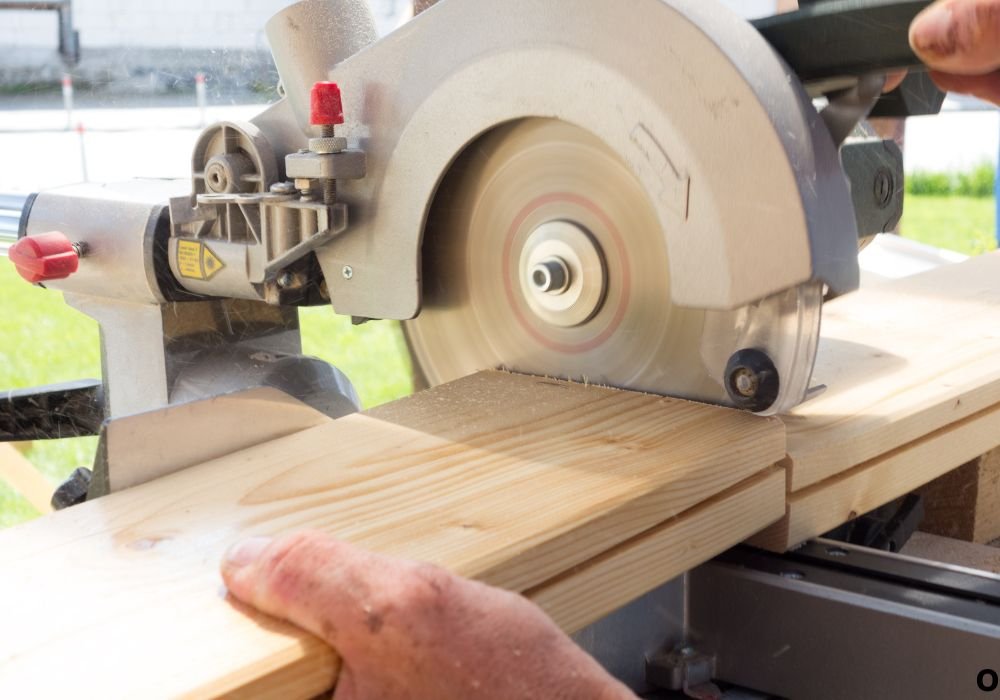
Circular saw blades might look similar at first glance, but subtle differences define how they perform.
A blade’s design determines its compatibility with your saw and the material you’re cutting.
Most blades are made of high-speed steel (HSS), carbide-tipped, or diamond-tipped materials.
Each has a unique balance between durability and sharpness retention.
The diameter is also critical. Standard handheld circular saws usually take 7¼-inch blades, but other sizes like 6½ or 10 inches exist for different saws.
Always check your saw’s manual before choosing a blade—using the wrong size can reduce power or even cause safety risks.
Why the Right Blade Matters
A circular saw’s performance depends more on the blade than on the motor itself.
A poor-quality or mismatched blade can cause burning, chipping, or even kickback.
Using a fine-tooth plywood blade on thick hardwood will overheat and dull quickly.
Conversely, a coarse-ripping blade on delicate veneer will tear the surface apart.
Selecting the correct blade ensures efficient power transfer, minimal resistance, and a smooth cut line.
It also extends both the blade’s and saw’s lifespan, saving you money over time.
Key Parts of a Circular Saw Blade
Before choosing the right blade, it’s essential to understand its anatomy.
Each component plays a specific role in how it cuts, cools, and handles materials.
1. Teeth: These are the cutting edges that slice through material.
More teeth mean smoother cuts, while fewer teeth allow faster, rougher cuts.
2. Gullet: The space between teeth clears debris as the blade spins.
Wider gullets are ideal for quick material removal in rough cuts.
3. Plate (Body): The main steel disc that supports the teeth.
Quality blades often include expansion slots to prevent warping due to heat.
4. Arbor Hole: The central hole mounts the blade onto the saw’s shaft.
Common arbor sizes are 5/8 inch for standard saws and 1 inch for larger models.
5. Kerf: The width of the blade’s cut.
A thin kerf requires less power and is ideal for portable saws, while full kerf offers more stability for table saws.
Choosing Blade Size and Arbor Compatibility
Blade diameter must always match your saw’s recommended size.
Using a blade that’s too large can cause contact with the guard, posing a serious hazard.
For most circular saws, a 7¼-inch blade is standard for general woodworking.
Compact saws often use 6½-inch blades, and larger table saws may use 10-inch or 12-inch options.
The arbor hole also needs to fit snugly onto the saw’s spindle.
Using adapters or bushings can lead to vibration and inaccurate cuts if not aligned perfectly.
Always prioritize compatibility over cost when selecting a blade.
Understanding Tooth Count (TPI)
Tooth count, or teeth per inch (TPI), directly affects the cut’s smoothness and speed.
The more teeth a blade has, the finer and slower the cut.
Blades with 24 teeth are typically used for ripping through lumber with the grain.
A 40-tooth combination blade balances between speed and smoothness for versatile cuts.
For ultra-smooth finishes in plywood or laminate, 60- to 80-tooth blades are preferred.
Metal-cutting and plastic blades may have 100+ teeth to prevent tearing and reduce heat buildup.
Always match the TPI to the material and desired finish for the best results.
Blade Materials and Coatings

The material of a circular saw blade determines its durability, sharpness, and maintenance needs.
Different coatings and tips enhance heat resistance and friction control.
1. High-Speed Steel (HSS): Affordable and suitable for softwoods.
They dull quickly when used on hardwood or metal.
2. Carbide-Tipped Blades: Feature tungsten carbide tips for long-lasting sharpness.
Perfect for woodworking, they handle hardwood, MDF, and plywood easily.
3. Diamond-Tipped Blades: Ideal for masonry, tile, and concrete.
Their edges are embedded with synthetic diamonds that grind rather than cut.
4. Cermet and Titanium Coatings: Offer superior wear resistance.
These advanced coatings reduce pitch buildup and extend blade life significantly.
Choose a blade material that suits the toughest material you plan to cut.
Kerf Width: Thin vs Full
Kerf width determines how much material is removed during cutting.
It affects cutting speed, power demand, and overall precision.
Thin-Kerf Blades: Around 1.5 mm to 2 mm thick.
They require less power and are ideal for cordless saws, but may flex under stress.
Full-Kerf Blades: Roughly 3 mm thick and built for heavy-duty table or miter saws.
They deliver straighter cuts but need more torque from the saw motor.
If you use a battery-powered circular saw, a thin-kerf blade offers a great balance of efficiency and accuracy.
Types of Circular Saw Blades by Application
Every cutting task demands a specific blade design.
Using the wrong one can damage both your material and the saw.
1. Rip-Cut Blades:
Designed for cutting along the wood grain with fewer teeth (16–24).
They remove material quickly, perfect for framing or rough carpentry.
2. Crosscut Blades:
Have 60–80 teeth for smooth, clean cuts across the grain.
Ideal for furniture and fine woodworking.
3. Combination Blades:
Offer both rip and crosscut performance, often with 40–50 teeth.
Great for users who don’t want to switch blades frequently.
4. Plywood and Laminate Blades:
Feature high tooth counts and alternate top bevels to prevent splintering.
They deliver flawless edges on thin materials.
5. Metal-Cutting Blades:
Use carbide or diamond tips to slice through aluminum, steel, and copper.
They produce minimal sparks and burrs.
6. Masonry Blades:
Diamond-grit edges handle stone, tile, and concrete.
They’re often used in wet-cutting applications to reduce dust.
Tooth Design and Geometry
Not all blade teeth are shaped the same way.
Tooth geometry impacts how the blade engages material.
1. ATB (Alternate Top Bevel):
Each tooth alternates left and right angles, creating clean, splinter-free cuts.
Common for woodworking and plywood.
2. FTG (Flat Top Grind):
Teeth are square and designed for fast, aggressive ripping.
Perfect for rough cuts in solid wood.
3. TCG (Triple Chip Grind):
Alternates between flat and trapezoidal teeth for hard materials.
Used in laminate, MDF, and non-ferrous metal cutting.
4. Hi-ATB (High Alternate Top Bevel):
Features extreme bevel angles for ultra-smooth finishes.
Best for veneered plywood and melamine.
Choose the geometry that fits your most frequent project type.
RPM and Blade Speed Ratings
Every circular saw blade is rated for a maximum revolutions-per-minute (RPM) speed.
Exceeding this limit can cause overheating or even blade failure.
Always check your saw’s RPM rating and ensure the blade can handle equal or higher speeds.
A 7¼-inch blade rated for 8,000 RPM is safe for most handheld saws operating around 5,800 RPM.
Never use a blade designed for slower tools like tile saws on a high-speed circular saw.
Speed mismatches can lead to dangerous kickbacks or broken teeth.
Cutting Different Materials
Each material reacts differently to blade design and speed.
Selecting the proper blade ensures clean, consistent performance.
Wood: Use carbide-tipped rip or crosscut blades.
Match tooth count to finish—fewer teeth for fast cuts, more for fine ones.
Plywood: Go with high-tooth-count ATB blades (60–80 teeth).
They prevent chipping on both sides of the sheet.
Metal: Use TCG or diamond blades with slower feed rates.
Lubricate occasionally to reduce heat buildup.
Plastic or Acrylic: Choose fine-tooth blades and reduce cutting speed.
Overheating can melt and fuse the edges.
Masonry: Always use diamond blades with water or dust suppression.
They grind through stone instead of slicing like metal blades.
Blade Expansion Slots and Noise Control
Modern blades include laser-cut expansion slots for thermal stability.
These prevent warping caused by heat during prolonged use.
Some slots are filled with polymer to dampen vibration and reduce noise.
This makes the blade smoother and more comfortable to operate.
Cheaper blades often skip this feature, leading to wobbling or uneven cuts.
Investing in quality ensures cleaner results and less fatigue.
Signs You’re Using the Wrong Blade
A mismatched blade quickly reveals itself through poor performance.
Recognizing these signs early prevents damage and frustration.
If you notice burn marks, smoke, or excessive vibration, stop immediately.
These symptoms indicate the blade is overheating or dull.
Chipping along cut edges usually means the tooth design isn’t right for the material.
Switch to a higher-tooth ATB blade for better results.
If the saw motor struggles or binds, the kerf may be too thick for your saw’s power.
Choose a thin-kerf alternative to ease the load.
Tips for Maintaining Circular Saw Blades
Proper maintenance extends a blade’s lifespan dramatically.
Neglecting cleaning and sharpening leads to poor performance and safety risks.
Clean your blade regularly using pitch remover or mineral spirits.
Resin buildup increases friction and causes burning.
Inspect for chipped teeth before each use.
Even one damaged tooth can unbalance the blade and ruin cuts.
Store blades vertically or in dedicated cases to prevent warping.
Humidity and pressure can distort flatness over time.
For carbide blades, professional sharpening is worth the investment.
It restores precision while preserving tooth geometry.
Safety Considerations When Changing Blades
Always disconnect power before changing or inspecting a blade.
Even a stationary saw can accidentally start if triggered.
Use proper wrenches or locking systems to secure the blade firmly.
A loose fit can lead to dangerous wobble at high RPMs.
Ensure the teeth face the correct direction—toward the front of the saw.
An incorrectly mounted blade won’t cut efficiently and can kick back.
Wear gloves during handling, as carbide tips are razor-sharp.
And always check that guards return smoothly after installation.
Common Mistakes to Avoid
Many beginners buy the wrong blade thinking “more teeth equals better quality.”
In reality, tooth count must match the job, not the price tag.
Avoid forcing the blade through material—let the saw’s speed do the work.
Pushing too hard can bend the blade or cause binding.
Never use a wood blade on metal or masonry.
It can destroy the teeth instantly and may cause the blade to shatter.
Finally, avoid mixing brands between saws and blades without checking specifications.
Slight differences in arbor or kerf can compromise performance.
Top Brands and What to Look For
Choosing a reputable manufacturer ensures consistent quality and safety.
Brands like Freud, Diablo, DeWalt, Bosch, and Makita are trusted worldwide.
Freud’s thin-kerf blades are known for precision and long life.
Diablo offers excellent heat resistance and anti-vibration technology.
DeWalt blades feature tungsten carbide tips ideal for tough materials.
Bosch and Makita produce durable blades with anti-friction coatings for smooth operation.
Always check the label for specifications—material type, tooth count, and rotation direction.
A good blade should have laser-etched markings for clarity and accuracy.
How to Match Blade to Project Type
The easiest way to choose the right circular saw blade is to start with your project goal.
Ask yourself: What material am I cutting, and what finish do I need?
If building furniture, select a 60-tooth ATB blade for clean, polished cuts.
For framing or decking, a 24-tooth ripping blade offers fast productivity.
For mixed tasks like remodeling, a 40-tooth combination blade provides balance.
If you’re cutting metal trim or pipes, switch to a 60-tooth TCG carbide or diamond blade.
Always test on scrap before starting your main piece.
This ensures the cut quality matches your expectations.
Advanced Features in Modern Blades
Technology has improved circular saw blades significantly in recent years.
Manufacturers now integrate coatings and designs that reduce friction, noise, and vibration.
Anti-stick Teflon coatings keep resin from building up on the blade’s surface.
Laser-cut vents enhance airflow and cooling during prolonged use.
Some high-end models feature vibration-dampening polymer cores for stability.
Others include precision-ground teeth for near-flawless finishes on veneers.
If you frequently cut expensive hardwood or laminates, investing in premium blades saves time and material.
Environmental and Efficiency Factors
Energy efficiency is often overlooked in saw blade selection.
A blade that requires less torque uses less electricity or battery power.
Thin-kerf and low-friction coatings reduce strain on the motor.
They also generate less heat, which improves tool longevity.
Sustainability-minded woodworkers can also choose recyclable steel blades.
Some brands now offer return programs for re-tipping or re-sharpening blades.
Efficient blade choice means more than just better cuts—it means longer tool life and less waste.
Troubleshooting Cut Quality
If your blade burns wood, it’s likely dirty or dull.
Clean it thoroughly or have it professionally sharpened.
If cuts wander, the blade may be warped or flexing.
Replace with a full-kerf model or ensure proper alignment.
If edges chip or tear, switch to an ATB or Hi-ATB blade.
And if cuts feel slow, ensure the RPM rating and tooth geometry are suitable for your saw.
Consistent inspection and quick replacement are key to maintaining quality cuts.
Conclusion
The secret to perfect cuts isn’t just skill—it’s blade selection.
Every circular saw blade has a purpose, and choosing the right one transforms how you work.
From tooth count and geometry to kerf width and coating, every detail matters.
A properly matched blade improves precision, efficiency, and safety with every project.
Next time you power up your circular saw, take a moment to check the blade type.
That simple habit can turn average results into professional craftsmanship every time.

I’m Michael R. Turner, the founder, lead writer, and passionate DIY enthusiast behind 101diytools.com. With years of hands-on experience in home improvement and power tools, I built this platform to share practical tips, in-depth guides, and honest reviews to help DIYers of all skill levels tackle projects with confidence and the right tools.