ow to Choose the Right Power Sander for Any Job
In a world where one wrong tool choice can turn a smooth hardwood finish into a blotchy surface, the decision of how to choose a power sander matters more than ever. Picture a homeowner tackling a weekend renovation only to discover the sander removes too much material or leaves swirl marks instead of a smooth sheen.
Now imagine an artisan finishing a fine piece of furniture, struggling with vibration fatigue and dust that clouds the workspace. With the global power sanders market valued at USD 3.2 billion in 2024 and growing at over 7% annually, the need for choosing correctly has never been higher
Whether refinishing a hardwood floor, restoring a vintage cabinet, or smoothing drywall, choosing the right power sander impacts speed, finish quality, and durability. This guide breaks down how to choose a power sander by exploring sander types, performance features, job suitability, budget, safety, and innovation trends so every project ends with professional-grade results.
Understanding What a Power Sander Is
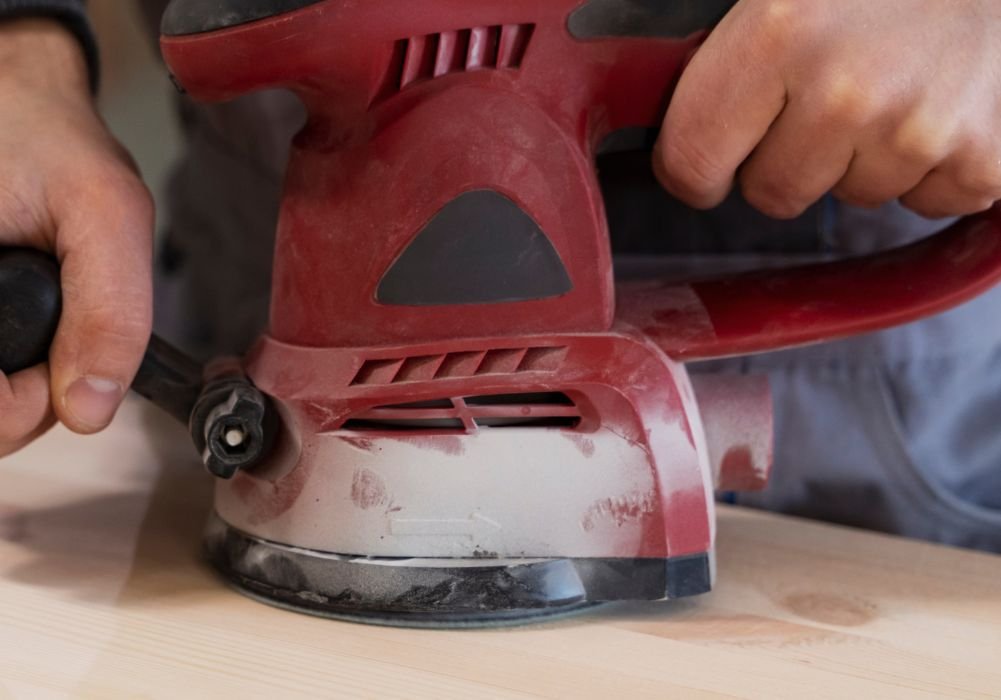
A power sander is more than an electric version of sandpaper — it’s a precision machine that turns rough, uneven surfaces into smooth, paint-ready finishes. It uses motor-driven motion and abrasive pads to deliver consistent results faster than manual sanding ever could.
A good power sander controls how quickly material is removed and how smooth the final surface feels. Whether preparing drywall seams or stripping old paint, different sanders bring unique pad sizes, motion types, and power ratings.
What exactly is a power sander?
A power sander is a motorized tool that uses rotating or oscillating abrasive pads or belts to remove material from surfaces like wood, metal, or paint.
How does it differ from manual sanding?
Manual sanding depends on hand pressure, while power sanders use motor power and steady speed to achieve a uniform, fatigue-free finish.
What are the main categories of power sanders?
The most common types are belt sanders, orbital (finish) sanders, random orbital sanders, and detail sanders. Each type serves a different purpose — from heavy stock removal to fine detailing.
Why is choosing the right sander important?
No single sander fits all projects. A belt sander removes material fast but can damage softwood, while a finish sander works slower but leaves a flawless surface.
Can one sander do multiple tasks?
Yes, some like the random orbital sander handle both rough sanding and fine finishing, making them versatile for general DIY and professional work.
Types of Power Sanders & Their Ideal Use-Cases
Each type of sander has unique motion, pad shape, and purpose. Understanding their differences helps narrow down how to choose a power sander for specific needs.
Belt Sanders are designed for fast, aggressive removal of material. They use a continuous sanding belt driven between two drums. Best for leveling floors, doors, or large planks.
Orbital Sanders (finish sanders) move in small circular orbits, offering gentler sanding with less material removal. Perfect for finishing tasks or between-coat smoothing.
Random Orbital Sanders combine circular and elliptical motion, reducing swirl marks while maintaining decent removal power. Ideal for furniture refinishing and all-purpose sanding.
Detail Sanders use pointed pads that reach into corners or edges. Ideal for tight areas or intricate workpieces.
What is a belt sander best for?
It’s best for heavy material removal on large surfaces like hardwood floors and tabletops. (The Spruce)
What is an orbital sander used for?
Used mainly for light sanding and finishing, it ensures smoother results with minimal scratches.
When should a random orbital sander be used?
When both speed and smoothness are needed, it provides versatility without leaving swirl patterns. (This Old House)
Is a detail sander necessary?
Yes, for edges, corners, and narrow areas, a detail sander is unmatched in precision.
Can a single sander handle all tasks?
No, but a random orbital sander comes closest to an all-rounder suitable for both coarse and fine work.
Key Features to Evaluate When Choosing a Power Sander
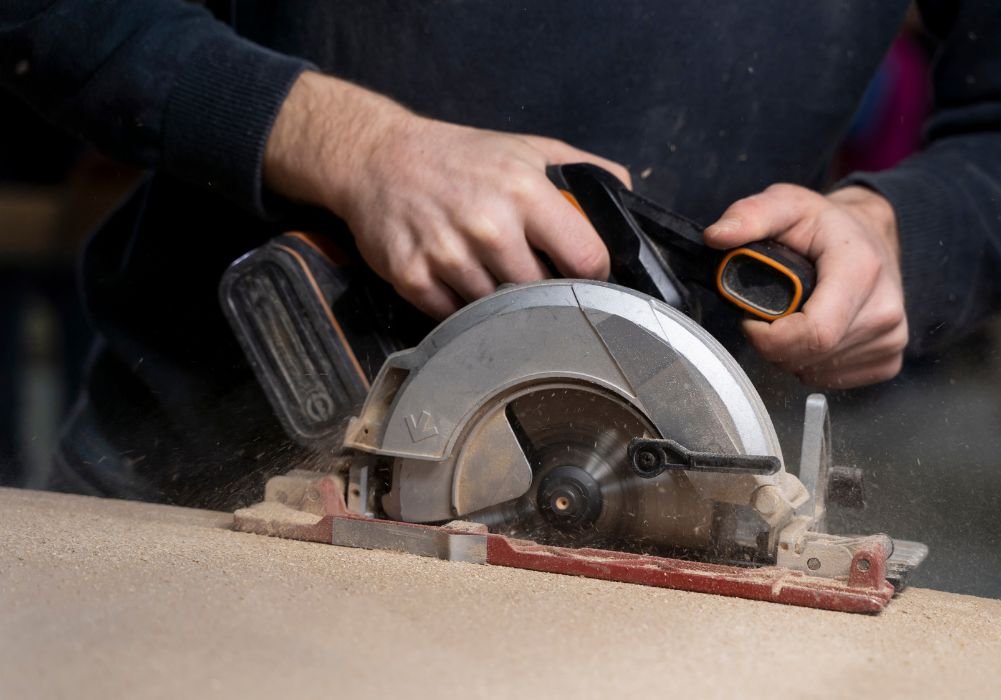
When learning how to choose a power sander, focus on specifications that influence performance, comfort, and longevity.
Motor Power (Amps and Volts)
Higher power ratings mean faster removal and longer durability for tough jobs. For light tasks, 2–3 amps may suffice; professionals may prefer 6 amps or more. (Hi-Spec Tools)
Speed (Orbits per Minute / RPM)
Variable-speed sanders give more control. Slower speeds are safer for finishing, while faster speeds remove paint or rough layers quickly.
Pad Size and Shape
Larger pads work best for big areas, while small triangular pads are ideal for corners or detailed edges.
Dust Collection System
Good dust extraction protects lungs, keeps visibility clear, and extends sandpaper life. Poor dust management can increase airborne dust by over 30 times normal levels (OSHA Data).
Ergonomics & Vibration Control
Comfortable grips and low vibration reduce fatigue during long sessions and improve precision.
How does motor power affect performance?
A stronger motor removes more material per pass and resists stalling on dense surfaces.
Why does pad size matter?
It determines coverage speed — larger pads finish floors faster, smaller pads enhance control in small projects.
Why is dust extraction vital?
Efficient dust collection keeps workspaces cleaner and protects respiratory health.
Does vibration really affect finish quality?
Yes, too much vibration causes uneven sanding and user fatigue, leading to inconsistent finishes.
Are cordless sanders less powerful?
Modern cordless models rival corded ones but may have shorter runtimes.
Matching the Sander to the Job and Material
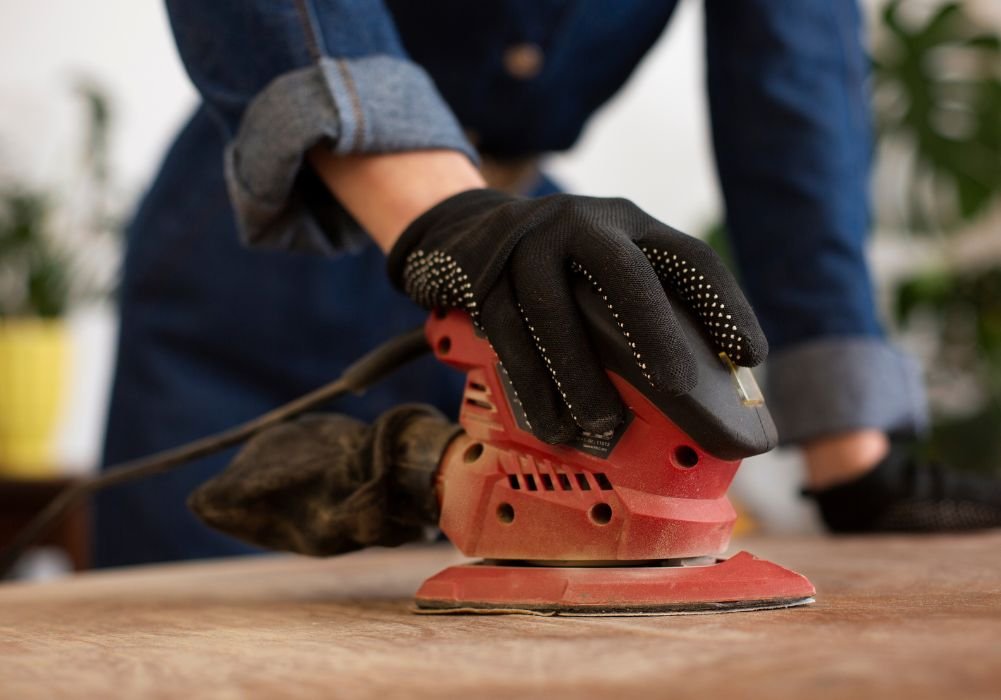
Different jobs demand different approaches. The correct tool depends on material type, surface size, and finish expectations.
Hardwoods and thick paint layers need strong belt or random orbital sanders. Softer woods, veneers, and drywall require gentler orbital or detail sanders.
If refinishing a hardwood floor:
A belt sander or large-pad random orbital is best for flattening and smoothing large planks.
For furniture finishing:
Use a random orbital or finish sander with fine grit to achieve swirl-free results.
For drywall or walls:
Use a lightweight orbital sander with dust extraction to prevent gouging or airborne debris.
Is cordless better for all situations?
Cordless gives freedom of movement but lacks constant power for long, demanding sessions.
Can one grit handle every surface?
No, start with coarse (60–80) for stripping, then medium (120–150), and finish with fine (220+) for polishing.
What happens if you use the wrong sander?
It can burn the surface, leave marks, or remove too much material — causing costly damage.
Budget, Value & Brand Considerations
Choosing the right power sander also means balancing cost with performance and reliability.
For casual DIYers, affordable models under $100 often meet light home renovation needs.
For professionals, higher-end models with advanced features and longer lifespan justify the investment. (The Spruce)
How much should a beginner spend?
A reliable entry-level random orbital sander ranges from $75–$120.
Do premium sanders last longer?
Yes, quality bearings, dust seals, and motor insulation extend tool life significantly.
How important is brand reputation?
Trusted brands like Bosch, Makita, and DeWalt maintain consistent quality, parts availability, and service support.
Should you buy based on user reviews?
Yes, reviews reveal practical insights about ergonomics, noise, and reliability that specs can’t.
Do accessories affect value?
Definitely. Availability of compatible sanding pads, belts, or dust bags impacts long-term cost and convenience.
Safety, Maintenance & Best Practices
Using a power sander requires safety awareness and consistent maintenance to ensure both performance and user protection.
Safety Practices
- Always wear eye and respiratory protection.
- Keep both hands on the grip and secure the workpiece.
- Avoid excessive pressure — let the sander’s motion do the work.
- Unplug or remove the battery when changing sandpaper.
Maintenance Tips
- Clean dust ports after each session.
- Replace worn sanding discs or belts regularly.
- Check cords and switches for wear.
- Store tools in dry conditions.
What safety gear is essential?
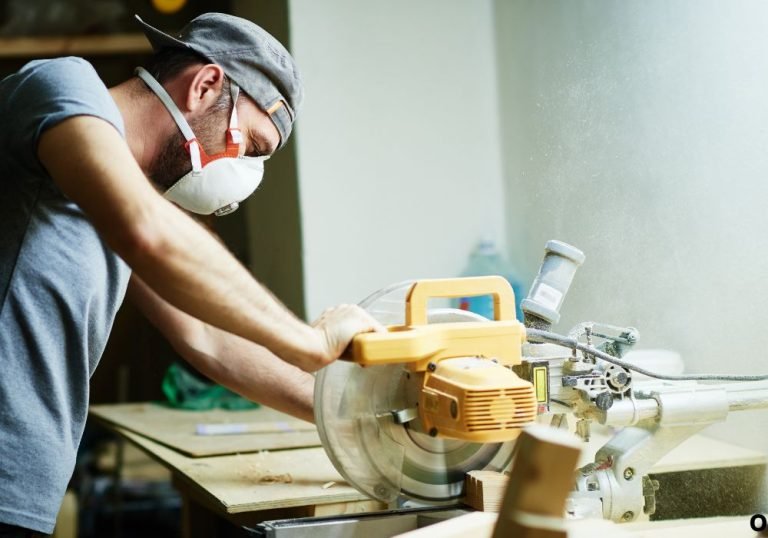
Use goggles, ear protection, and a dust mask every time you sand.
How often should sandpaper be changed?
Change it once the grit becomes clogged or smooth; fresh paper ensures faster, cleaner sanding.
How can vibration be minimized?
Choose sanders with ergonomic grips and anti-vibration design; avoid pressing down too hard.
Does tool maintenance affect results?
Yes, clean, well-maintained sanders last longer and deliver consistent smoothness.
Future Trends & Innovations in Power Sanders
Technology is transforming sanding into a cleaner, smarter, and more efficient process.
New cordless models now rival corded versions in torque and runtime. Smart digital controls allow speed adjustment for specific materials. Manufacturers are introducing built-in dust sensors and HEPA filters to improve air quality.
Are cordless sanders powerful enough now?
Yes, lithium-ion batteries and brushless motors give cordless models almost equal strength.
What new features are emerging?
Expect variable-speed digital controls, smart power sensors, and app connectivity for maintenance tracking.
Will dust extraction improve further?
Absolutely. Built-in dust filters and vacuum integration are becoming standard even in mid-range sanders.
Are eco-friendly designs appearing?
Manufacturers are focusing on recyclable materials, low-emission production, and energy-efficient motors.
Conclusion
Choosing the right power sander is about balancing power, precision, comfort, and purpose. Understanding how different sanders work, their ideal use-cases, and essential features ensures your next project turns out flawlessly.
From belt sanders that level hardwood floors to detail sanders perfect for corners, each type has its role. Combine the right grit, dust control, and ergonomic design, and sanding becomes smoother, faster, and cleaner than ever.
Final advice: always match your sander to the job, invest in quality where it counts, and maintain your tool properly. The result will be surfaces that reflect craftsmanship and a workflow that saves both time and effort.

I’m Michael R. Turner, the founder, lead writer, and passionate DIY enthusiast behind 101diytools.com. With years of hands-on experience in home improvement and power tools, I built this platform to share practical tips, in-depth guides, and honest reviews to help DIYers of all skill levels tackle projects with confidence and the right tools.