How to Care for Leather Work Gloves and Keep Them Soft
A pair of leather work gloves often tells a story. One day they are flexible and strong, the next they are stiff, cracked, and uncomfortable to wear.
The difference lies in how to care for leather work gloves.
Neglect quickly damages leather. Heat, water, and harsh cleaners strip away natural oils, leaving the surface brittle.
Once cracks form, no amount of conditioner can fully restore their strength.
The problem is more than comfort. Stiff gloves reduce grip, increasing the chance of dropped tools and workplace injuries.
Studies show that proper glove use can prevent 60–71% of hand injuries, yet 70% of injured workers either wore no gloves or the wrong type (OSHA, ISHN).
Caring for leather gloves is surprisingly simple. Regular brushing, gentle cleaning with mild soap or saddle soap, and patient air drying are the foundations.
Adding a light conditioner restores lost oils and keeps leather supple. Waterproofing with beeswax or similar treatments extends durability for wet work.
The payoff is clear. Maintained gloves last longer, protect better, and stay soft enough to move with the hand.
For workers who rely on their gloves daily, a simple care routine can mean fewer injuries and more value from every pair.
This guide explains every step in detail—from cleaning and drying to conditioning, waterproofing, and storage—so leather gloves remain reliable for years to come.
Quick Answer — How to Care for Leather Work Gloves
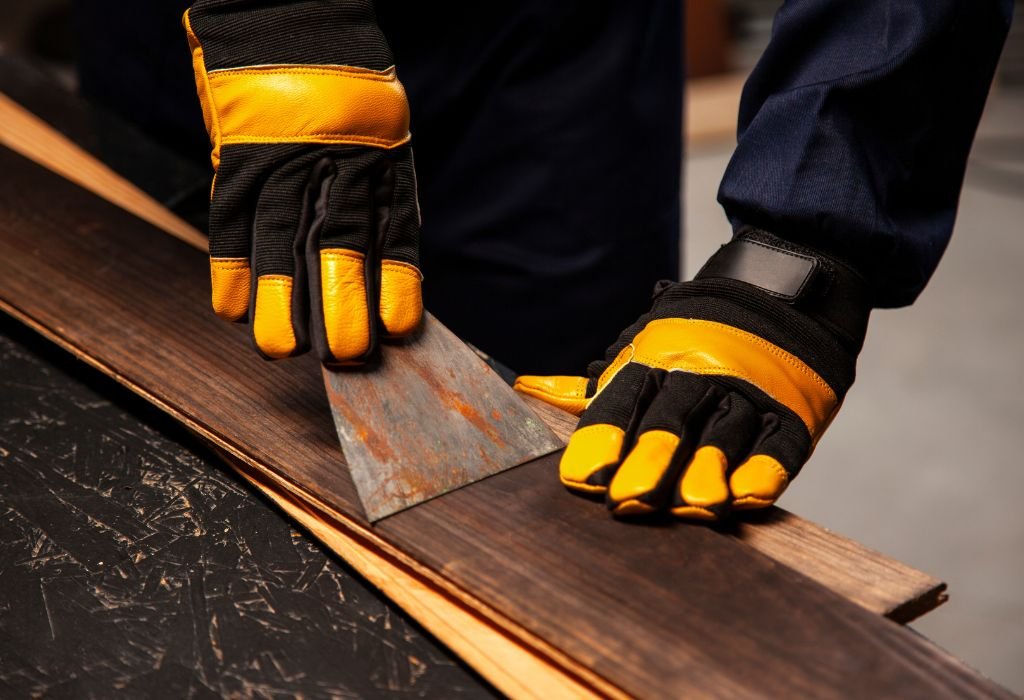
Leather work gloves need regular cleaning, careful drying, and light conditioning to stay soft and protective. The goal is to remove dirt, preserve oils, and prevent cracking over time.
The basic steps are simple. Brush off dust, wipe with a mild soap or saddle soap solution, reshape while damp, and let them air dry away from heat.
Once dry, apply a thin layer of conditioner such as mink oil, lanolin, or beeswax balm. This restores flexibility and adds a measure of waterproofing.
Done consistently, this routine extends glove life and maintains comfort. Neglect, by contrast, leads to stiffness, cracking, and premature replacement.
Can leather work gloves be washed?
Hand-clean only with mild soap or saddle soap; avoid machine washing.
How should they be dried?
Lay flat and air dry at room temperature—never use heaters, dryers, or direct sun.
When should gloves be conditioned?
After cleaning and whenever the leather feels dry or stiff.
Can they be waterproofed?
Yes, beeswax or waterproofing balms provide a protective barrier.
Do they last longer with care?
Yes, consistent cleaning and conditioning can double glove lifespan.
The Enemies of Leather — Heat, Soaking, and Harsh Chemicals
Heat is the biggest enemy of leather. Excessive heat dries natural oils, leaving gloves brittle and prone to cracking.
Soaking in water weakens fibers and causes shrinking. Leather fibers swell when wet, then stiffen when dry.
Harsh chemicals strip away protective oils. Bleach, solvents, or harsh detergents cause permanent damage to leather surfaces.
Avoiding these mistakes ensures gloves last longer and stay comfortable. Simple habits make all the difference.
Why avoid heat?
Heat accelerates oil loss and causes cracking.
Can dish soap be used?
Only in tiny amounts; mild or saddle soap is safer.
Can gloves be soaked overnight?
No, soaking damages fibers—spot clean instead.
What about suede or nubuck gloves?
Use specialty cleaners; never soak.
How to remove cement dust?
Brush off dry, then wipe lightly and recondition.
Step-by-Step Cleaning — From Dusty to Work-Ready
Start by brushing off dirt and debris. A soft brush or cloth removes loose particles before deeper cleaning.
Mix warm water with a drop of mild soap or saddle soap. Dip a cloth into the solution and wring it until damp.
Gently wipe the leather surface without saturating it. Focus on dirty spots rather than soaking the whole glove.
Rinse the cloth, wipe off residues, and let the gloves air dry flat. Reshape fingers during drying for a natural fit.
What cleaner works best?
Mild soap or saddle soap preserves oils.
Should gloves get wet?
No, only use a damp cloth for spot cleaning.
How to remove odors inside?
Sprinkle baking soda, rest overnight, then shake out.
Can gloves be rinsed under a tap?
Avoid it—use damp cloths instead.
How often should they be cleaned?
Light clean weekly; deep clean monthly or after heavy use.
Drying Done Right — Soft Today, Not Boards Tomorrow
Proper drying preserves softness. Gloves should dry slowly at room temperature.
Lay gloves flat on a towel and reshape fingers. Avoid sunlight, heaters, or tumble dryers.
Wearing gloves briefly mid-dry helps maintain fit. Once fully dry, condition lightly.
This method prevents stiffness and keeps gloves flexible. Rushing the process leads to damage.
How long does drying take?
Several hours to overnight, depending on thickness.
Can a fan be used?
Yes, gentle airflow is fine—just avoid heat.
Why reshape while damp?
It prevents wrinkles and maintains fit.
Is sunlight okay?
No, it bakes oils out and fades color.
What if gloves shrink?
Wear them damp to re-mold, then condition.
Conditioning & Softening — Oils, Balms, and What to Avoid
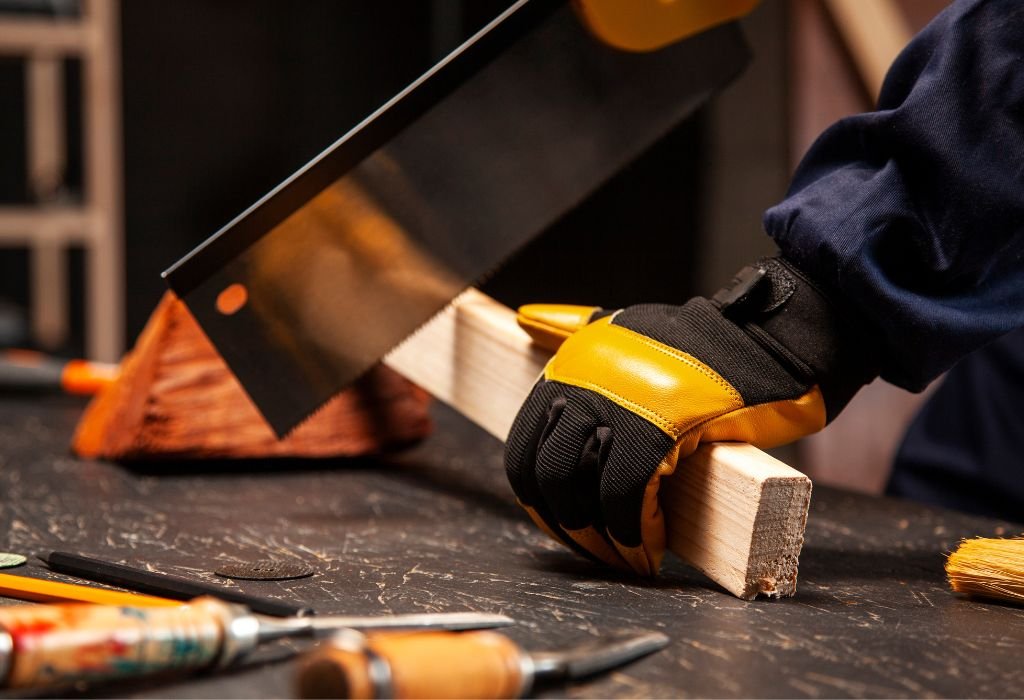
Conditioning restores oils and prevents cracks. Products like mink oil, lanolin, or beeswax balms are commonly used.
Apply a thin coat with a cloth and buff gently. Allow leather to absorb conditioner before using again.
Over-conditioning makes gloves sticky and weakens stitching. Use sparingly for the best results.
Done monthly, conditioning keeps leather supple and durable. Skipping it leaves gloves stiff and fragile.
When is the best time to condition?
After drying or when leather feels stiff.
How much should be applied?
A thin coat, buffed after 10–15 minutes.
Why does leather feel sticky?
Too much product was applied.
Will conditioning change color?
Yes, it may darken—test on a small area.
How often is enough?
Once a month or as needed.
Waterproofing & Re-Proofing — When Your Job Is Wet
Waterproofing adds protection against rain and damp environments. Beeswax and balms are common treatments.
Warm gloves slightly, apply beeswax evenly, and buff into leather. Let it set before use.
Waterproofing reduces breathability but protects fibers from soaking damage. Reapply after deep cleans.
This step extends glove life in wet conditions. It keeps gloves strong and flexible under moisture.
Is beeswax safe for gloves?
Yes, it seals and protects leather.
Mink oil or beeswax—what’s better?
Mink oil softens, beeswax waterproofs.
How often to re-proof?
When water stops beading or after cleaning.
Will proofing darken leather?
Yes, test on a small area first.
Can suede be waterproofed?
Use a spray designed for suede, not wax.
Stain Removal — Oil, Grease, Ink, and Mystery Marks
Oil and grease stains need absorbing agents. Sprinkle cornstarch, rest overnight, then brush off.
For ink stains, apply rubbing alcohol with a cotton swab. Vinegar solutions help with water marks.
Always recondition after stain removal to restore oils. Harsh methods risk more damage than the stain itself.
Professional cleaning may be needed for severe stains. Prevention is always easier than repair.
Does cornstarch really work?
Yes, it absorbs oils effectively.
Can dish soap remove grease?
Yes, but condition afterward.
How to fix rust stains?
Try leather-safe cleaners first.
What about paint?
Scrape gently, avoid harsh solvents.
How to handle mold?
Light vinegar solution, air dry, then condition.
Inside the Glove — Odor, Salt, and Lining Care
Sweat causes odor and stiffness. Baking soda or vinegar mist helps neutralize smells.
If gloves have liners, remove and wash separately. For fixed liners, spot clean only.
Salt buildup stiffens leather. Wipe inside with a damp cloth and dry fully.
Fresh-smelling gloves are safer and more comfortable. Interior care matters as much as the exterior.
How to fix odor?
Use baking soda or light vinegar spray.
Can antibacterial sprays be used?
Yes, if alcohol-free and leather-safe.
Should gloves be turned inside out?
No, seams can tear.
Do dryer sheets work?
Yes, but only for temporary freshness.
Can powder help?
Yes, sprinkle and shake out thoroughly.
Special Cases — Suede, Split Leather, and Lined Gloves
Suede and nubuck need unique care. Use a suede brush and dedicated sprays—never soak.
Split leather can be conditioned like full-grain. Lined gloves require slower drying to preserve insulation.
Custom treatments extend life across leather types. Each finish reacts differently to cleaners and oils.
How to clean suede gloves?
Brush gently, use specialty cleaners.
What about salt rings?
Light vinegar solution removes them.
How to fix torn seams?
Hand-stitch or take to a cobbler.
Can stiff cuffs be softened?
Yes, massage with conditioner.
Are lined gloves harder to clean?
Yes, they need slow drying.
Care Schedules & Storage — Make Soft Last Longer
A routine extends glove life. Shake out daily, wipe weekly, and condition monthly.
Store gloves clean, dry, and away from heat or sun. Silica packets help prevent moisture damage.
Owning two pairs allows rotation and reduces wear. Smart storage makes gloves last far longer.
How should gloves be stored?
Flat or hung by cuffs in a dry place.
Can they be near heaters?
No, heat cracks leather.
Vacuum-seal off-season?
Avoid—leather needs air.
Are silica packets useful?
Yes, they control humidity.
How long can gloves last?
Years, if cared for properly.
Safety Angle — Why Maintenance Matters on the Job
Good care improves safety. Soft gloves grip better, stiff gloves slip and fail.
Workplace data shows most hand injuries are preventable. Properly maintained gloves reduce risk significantly (ISHN).
Gloves are more than comfort—they are safety equipment. Maintenance ensures they perform when needed.
Does care improve safety?
Yes, supple gloves protect better.
Are old gloves dangerous?
Yes, replace cracked or torn gloves.
Can the wrong glove cause injury?
Yes, task-specific gloves are essential.
What if gloves contact chemicals?
Replace—don’t reuse.
Is barehand work ever safer?
No, thin protective gloves are better than none.
Troubleshooting — Stiffness, Shrinkage, Spots, and Smells
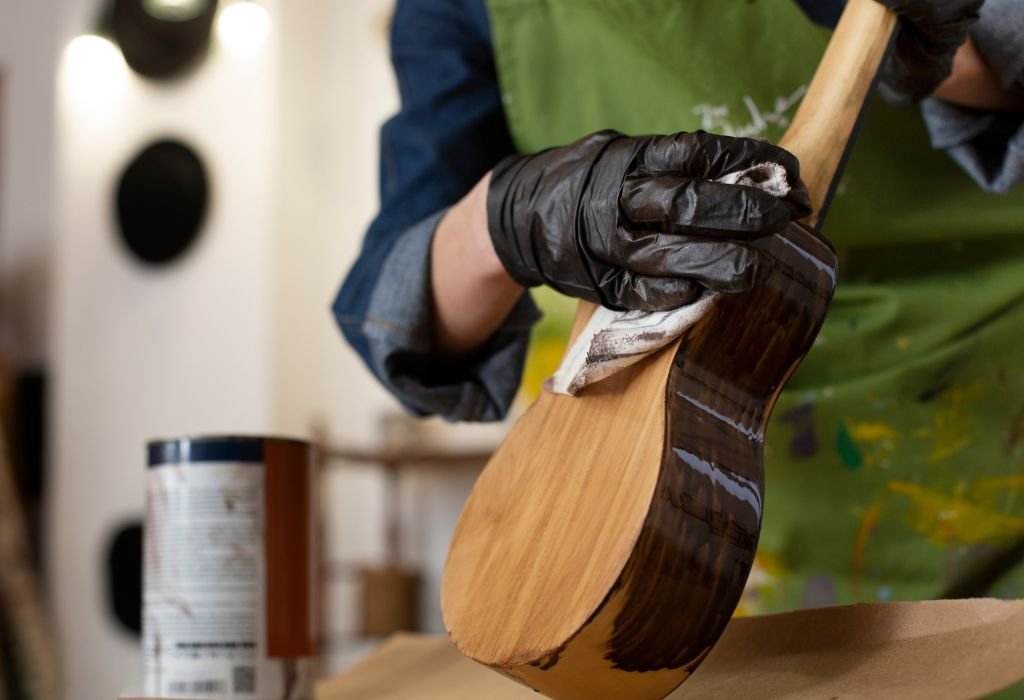
Stiff gloves need light conditioning and flexing. Shrunk gloves can be reshaped when damp.
Oil stains respond to cornstarch overnight. Musty smells clear with vinegar mist and air drying.
Cracked leather cannot be fully restored. Replacement is safest when damage is severe.
What if gloves feel shiny?
Clean buildup before reconditioning.
Why did the color darken?
Conditioners often darken leather.
How to remove water spots?
Use distilled water or vinegar solution.
What about persistent odor?
Use baking soda; discard if mold returns.
Can cracked gloves be saved?
No, replace for safety.
Conclusion
Learning how to care for leather work gloves ensures they remain soft, strong, and protective. Cleaning, drying, conditioning, and waterproofing all play a role.
With regular care, gloves last longer, prevent injuries, and provide better value. Neglect, on the other hand, shortens lifespan and compromises safety.
For anyone who relies on gloves daily, proper maintenance is not optional. It is the difference between reliable protection and costly replacement.

I’m Michael R. Turner, the founder, lead writer, and passionate DIY enthusiast behind 101diytools.com. With years of hands-on experience in home improvement and power tools, I built this platform to share practical tips, in-depth guides, and honest reviews to help DIYers of all skill levels tackle projects with confidence and the right tools.