Pro Tips on How to Avoid Nail Gun Kickback Safely Every Time
To safely avoid nail gun kickback, always maintain a firm, two-handed grip and a stable body position, ensuring your workpiece is securely fastened. Consistently verify you are using the correct nail length and depth setting for the material. Practicing proper trigger discipline and regular tool maintenance are also essential steps to minimize risks and ensure safety every time.
Pro Tips on How to Avoid Nail Gun Kickback Safely Every Time
Hey there, fellow DIYer or pro builder! Let’s talk about something super important: nail gun kickback. Nobody wants a nail gun jumping back at them, right? It’s not just startling; it can be seriously dangerous. The good news is, avoiding nail gun kickback isn’t some secret art. It mostly comes down to understanding your tool, preparing your workspace, and using solid, safe techniques.
Think of it like driving a car. You wouldn’t just hop in and floor it without checking your mirrors, would you? The same goes for your nail gun. By taking a few moments to focus on the right steps, you can prevent that scary recoil and keep all your fingers where they belong. It’s all about control and being mindful.
How can I avoid nail gun kickback safely every time I use my tool?
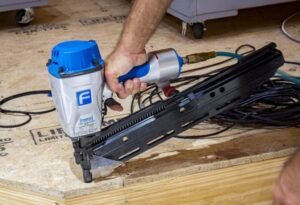
Avoiding nail gun kickback boils down to a few key areas: knowing your equipment, preparing your material, and mastering your technique. I’ve been there, gotten startled by a kickback, and learned the hard way that prevention is always best. Here’s what I’ve found works consistently:
1. Know Your Tool and Its Settings
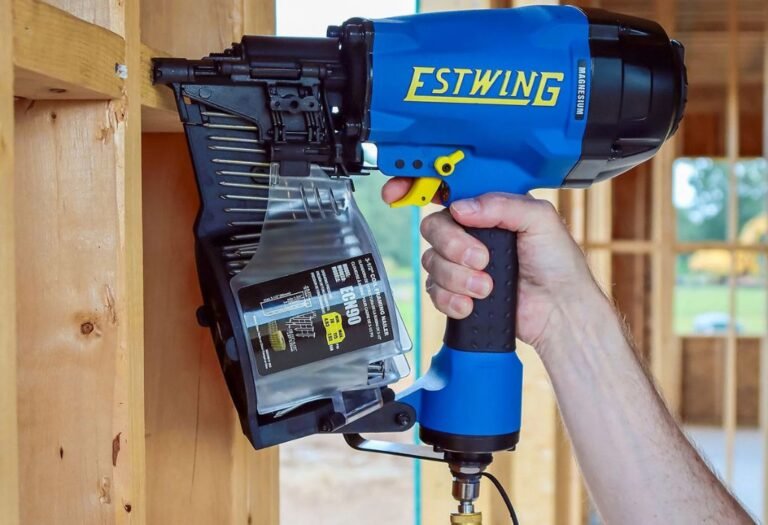
- Inspect Your Nailer: Before every use, give your nail gun a quick once-over. Check the nosepiece – is it clean and free of debris? Make sure the magazine isn’t jammed and the nails are loaded correctly. A sticky trigger or a loose air hose can totally throw off your control.
- Air Pressure is Key: Set your compressor to the manufacturer’s recommended PSI. Too much pressure can make the nail drive too hard and bounce, increasing nail gun kickback potential. Too little, and the nail won’t sink, leading to multiple attempts and a higher risk. Finding that sweet spot makes a huge difference.
- Understand Your Trigger: Most nail guns have either a sequential or contact trigger. Sequential requires you to press the nose against the material before pulling the trigger – safer for precise work, greatly reducing accidental firing and kickback. Contact (bump-fire) lets you hold the trigger and bump the nose, which is faster but riskier if not handled with extreme care. For general framing, I often use sequential for better control.
2. Prepare Your Workpiece
- Inspect the Material: This is huge! Always check for knots, splits, or hidden metal plates. When a nail hits something hard and unexpected, it can deflect and cause immediate nail gun kickback. I once had a nail glance off a dense knot, and the tool jumped right back at me. Luckily, I was wearing my safety glasses!
- Secure Your Work: Make sure the material you’re nailing is stable. Use clamps or have a helper hold it firmly. Trying to nail a wobbly piece is an open invitation for trouble and poor nail placement.
3. Master Your Technique
- Firm Grip and Stance: Hold the nail gun with both hands if possible, especially on larger tools. Maintain a balanced stance, ready to absorb any recoil. Don’t “limp wrist” it.
- Apply Firm, Consistent Pressure: Press the nosepiece firmly and squarely against the material before you pull the trigger. The more surface contact you have, the less chance of the tool bouncing or deflecting. Think of it like a steady push.
- Shoot Perpendicularly: Aim straight. Nailing at an angle increases the likelihood of the nail bending or deflecting, which directly leads to nail gun kickback. Sometimes you have to nail at an angle, but be extra cautious and use shorter nails if possible.
- Follow Through: Once the nail is fired, maintain pressure for a split second. Don’t yank the tool away immediately. This helps ensure the nail is fully seated and the tool doesn’t spring back prematurely.
- Be Mindful in Tight Spaces: When working in awkward positions or overhead, it’s easy to lose your balance or grip. Take extra precautions, adjust your body, or consider alternative fastening methods if it feels too risky.
4. Always Wear Your PPE
- Safety Glasses: This is non-negotiable. Nails can fly, wood splinters can kick up, and if nail gun kickback happens, the tool itself can strike you. Protect your eyes, always.
- Hearing Protection: Nail guns are loud. Save your hearing in the long run.
- Gloves: Protect your hands from splinters and offer a better grip on the tool.
My biggest takeaway after years on job sites? Never rush. Rushing is when mistakes happen. Take your time, focus on each step, and respect the power of your tool. You’ll not only avoid nail gun kickback but also get better results.
By following these simple yet crucial steps, you’ll feel much more confident and secure using your nail gun. Stay safe out there, and happy building!

I’m Michael R. Turner, the founder, lead writer, and passionate DIY enthusiast behind 101diytools.com. With years of hands-on experience in home improvement and power tools, I built this platform to share practical tips, in-depth guides, and honest reviews to help DIYers of all skill levels tackle projects with confidence and the right tools.