How to Attach a Circular Saw Blade to a Drill Safely
You’re in the middle of a small project and realize you don’t have a circular saw nearby. Then you glance at your drill and wonder — could I just attach a circular saw blade to this instead? It sounds convenient, but without proper knowledge, it’s a dangerous shortcut.
A circular saw spins differently from a drill, and both tools are built for completely different purposes. One is designed for controlled, flat cuts through dense materials, while the other focuses on drilling holes with torque and depth.
However, with the right understanding and specific attachments, you can safely convert your drill into a small rotary cutter for lightweight jobs. The trick lies in using compatible accessories and knowing the mechanical limits.
Many DIYers try this experiment without realizing how speed, torque, and blade alignment affect safety. The result can range from blade wobble to serious kickback injuries.
This guide explains how to properly attach a circular saw blade to a drill — when it’s possible, when it’s not, and what safer alternatives exist.
By the end, you’ll know exactly what tools you need, how to install them correctly, and how to use them without risking your drill or your hands.
Understanding the Difference Between Drills and Circular Saws
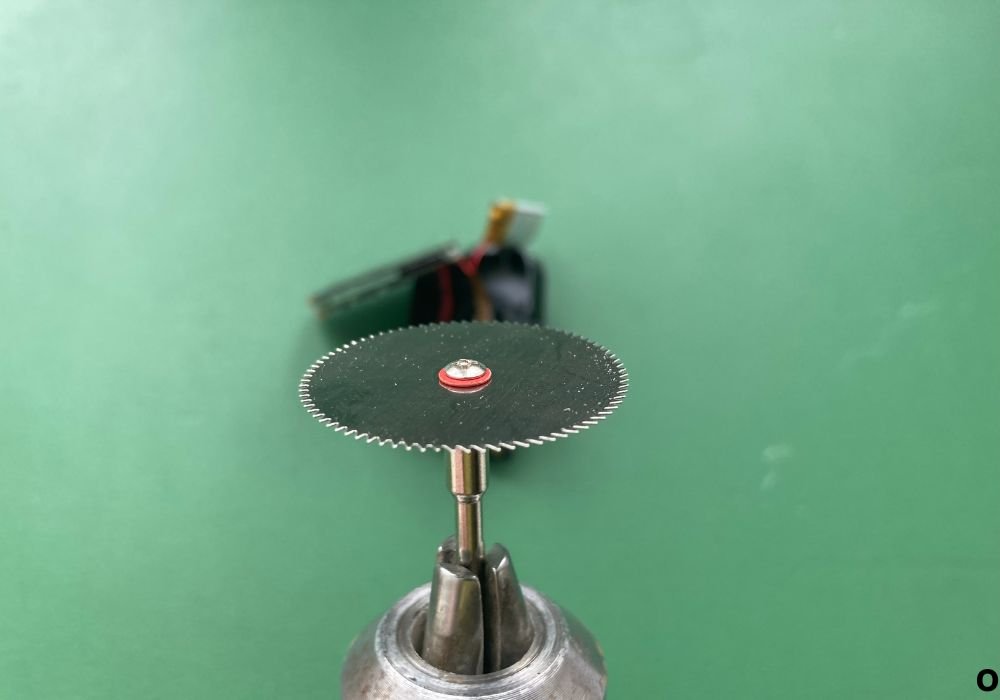
Before attempting any attachment, it’s important to understand why a drill and circular saw work so differently.
A drill rotates its chuck in a straight, axial motion designed for torque, not lateral cutting. Its motor focuses on turning power at lower speeds to bore holes.
A circular saw, on the other hand, uses high RPMs to slice materials across a wide edge. Its blade spins perpendicular to the surface, supported by a guard and base.
When you attach a circular saw blade to a drill, you’re asking the drill to handle lateral stress it wasn’t designed for. That difference makes safety and control major concerns.
The chuck on a drill is built to hold cylindrical bits, not flat, balanced blades. This means that most saw blades don’t seat properly in the drill chuck.
Additionally, the saw blade’s diameter and weight demand more torque than the drill’s gearbox can safely deliver. The result is dangerous vibration and loss of control.
You also lose the protective housing and safety guard that a circular saw includes by default. Without these, even a small slip can cause serious injury.
Understanding these differences helps you decide when such an attachment is suitable — and when it’s better to use a different tool entirely.
With the right precautions and smaller accessories, however, you can safely cut thin materials using drill-based rotary adapters.
Let’s look at what those setups require.
Tools and Accessories You’ll Need
Attaching a circular saw blade to a drill safely requires the right accessories, not just the blade itself.
Start with a drill mandrel or arbor adapter. This accessory holds small rotary blades securely and fits into your drill’s chuck.
Choose a blade size under 4 inches in diameter. Larger blades generate too much side torque for handheld drills.
Select mini HSS (high-speed steel) or carbide rotary blades specifically labeled for drill or rotary tool use. Avoid full-size circular saw blades meant for power saws.
You’ll also need a washer set and locking nut to secure the blade between supports on the mandrel. These keep the blade centered and balanced during rotation.
A variable-speed drill works best, as you can control RPM for different materials. High-speed cordless drills may overheat or lose torque.
Wear safety goggles, gloves, and ear protection to guard against flying debris and noise.
Keep a clamp or vise ready to hold your workpiece steady. Using your hand alone is never safe when working with rotating blades.
Lastly, use a cutting guide or straightedge to keep the drill steady during movement. Stability reduces vibration and improves cut accuracy.
Having these items ensures a secure setup and minimizes the risks of blade wobble or kickback during operation.
Step-by-Step: How to Attach the Blade
Now that you have the right tools, let’s go through the process of safely attaching a blade to your drill.
First, disconnect power by removing the battery or unplugging the corded drill. Never make adjustments while powered.
Next, insert the mandrel or arbor adapter into the drill’s chuck. Tighten the chuck firmly so there’s no play or movement.
Slide the blade onto the mandrel shaft, making sure the rotation direction matches your drill’s spin direction. The arrow printed on the blade should point the same way your drill spins when in forward mode.
Place the washer and locking nut on both sides of the blade. Tighten them gently with a small wrench or pliers — firm enough to hold but not to warp the blade.
Double-check alignment by spinning the blade manually. It should rotate evenly without wobbling.
Reattach power and test at low speed first. Observe vibration, noise, and balance before increasing RPM.
If the blade shakes or vibrates excessively, stop immediately. Loosen, realign, and retighten all components.
Do not exceed 1,000–1,200 RPM for small rotary blades on standard drills. Higher speeds can cause imbalance and overheating.
Finally, test on scrap material to confirm clean rotation and smooth cutting behavior.
Proper installation ensures that the blade stays centered and the drill remains under full control.
Safety Precautions You Must Follow
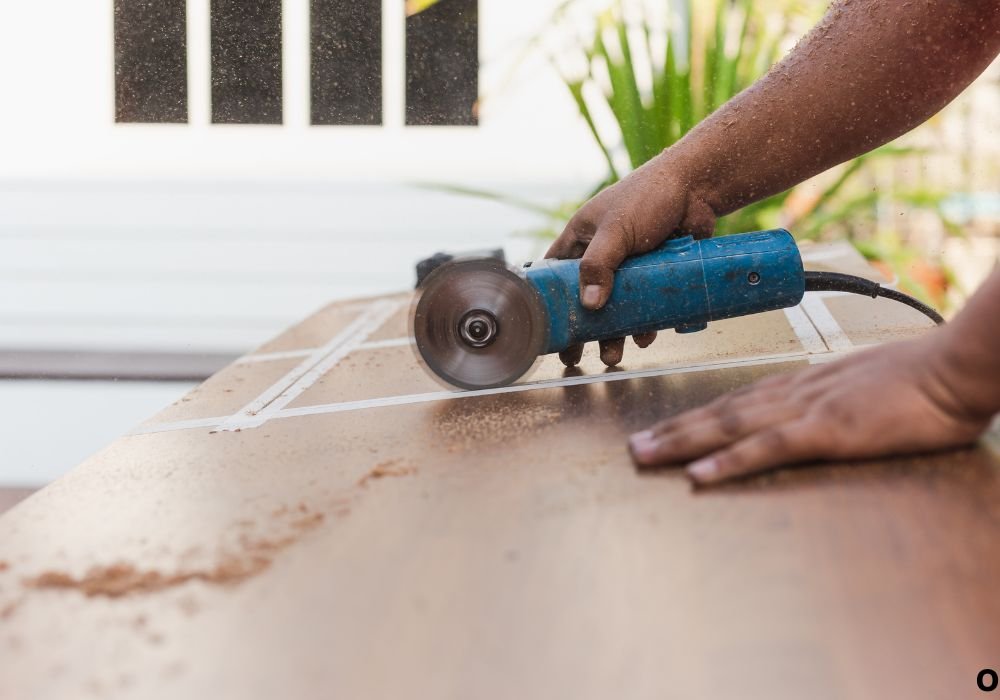
Safety should be your top priority whenever modifying a tool for unconventional use.
Never use a full-size circular saw blade (6–10 inches) on a handheld drill. The torque required is far beyond what drills can handle safely.
Keep your hands and clothing clear of the spinning blade. Secure long sleeves or loose accessories to prevent entanglement.
Work on a stable surface, ideally with a clamp or bench vise holding your material. Handheld cutting increases the risk of losing control.
Always wear protective gear — goggles, gloves, and long sleeves — to prevent injury from flying debris.
Avoid applying too much side pressure while cutting. Drills are not designed for lateral force, which can cause bearing failure or motor burnout.
Do not use dull or damaged blades. Chips or cracks can cause the blade to shatter during rotation.
Keep your work area well-lit and free from clutter. Sudden slips or distractions can be dangerous with exposed blades.
Use a slow, steady feed motion. Rapid movement increases heat and friction, leading to warping.
After use, allow the blade to stop completely before setting the drill down. Never grab a spinning blade to slow it manually.
Following these precautions ensures that your setup remains safe and efficient throughout every project.
Alternative Tools for Safer Cutting
While attaching a blade to a drill can work for small jobs, safer alternatives exist for cutting tasks.
A rotary cutting tool like a Dremel or RotoZip handles small blades and discs far more efficiently. These tools are designed for lateral motion and high RPM.
A compact circular saw provides full safety guards and controlled depth adjustment, making it ideal for wood or laminate projects.
If you need portability, a battery-powered mini saw offers speed and safety in one lightweight package.
For metal or PVC, use a cutoff tool or angle grinder. These tools are purpose-built for disc-based cutting at high speeds.
For straight, fine cuts in thin materials, a jigsaw or oscillating multi-tool offers better precision and stability than a drill attachment.
Each of these tools uses the correct motor orientation and housing for cutting forces.
While adapting a drill is possible, professionals rarely recommend it for anything beyond thin plastics or light wood trimming.
Investing in the right cutting tool saves time, effort, and safety concerns in the long run.
Consider your material type and cutting frequency before deciding which alternative fits best.
Common Mistakes to Avoid
Attaching a circular saw blade to a drill can go wrong if you overlook small details.
One common mistake is using blades larger than the mandrel supports. Oversized blades create imbalance and can break loose.
Another is tightening the nut too hard, which can warp the blade and cause vibration. Always secure just enough to prevent slipping.
Many users forget to match rotation direction between drill and blade. Running in reverse reduces cutting efficiency and can damage teeth.
Skipping protective gear or using hands instead of clamps is another risky shortcut. A simple slip can cause serious injury.
Operating at full speed before testing balance is dangerous. Always start slow and build up gradually.
Ignoring wobble or unusual noise often leads to blade failure mid-cut. Stop and inspect immediately if you notice either.
Using dull blades or mixing materials (like cutting metal with wood blades) shortens lifespan and increases hazards.
Forgetting to unplug before changing accessories is a major safety violation. Always cut power first.
Another mistake is assuming the drill can replace a circular saw for large cuts. It cannot — the design and motor capacity are too different.
Avoiding these errors keeps your adaptation safe and functional for light-duty tasks.
Maintaining Your Modified Drill Setup
Even when used safely, this setup needs routine care to stay effective.
Clean the blade after every use with a soft brush to remove dust and resin buildup. Dirty blades cause friction and uneven rotation.
Check the mandrel threads and washers for wear or damage before each project. Replace any bent or stripped parts immediately.
Apply a small drop of oil to moving joints to prevent rust and smooth rotation. Avoid over-lubricating near the chuck.
Inspect the drill chuck regularly for grip tension. A loose chuck allows the blade shaft to slip during use.
Store your drill with the blade removed. Keeping them attached during storage bends the mandrel over time.
If you use the drill for other tasks, always reset it to its standard configuration before drilling holes.
Monitor heat buildup during cutting. Overheating shortens both drill and blade lifespan.
Use low to moderate speed for extended sessions to prevent motor burnout.
Label your modified attachments clearly to avoid confusion with standard bits or accessories.
With good maintenance habits, your drill setup will stay reliable for quick trimming and shaping work.
FAQs
Can I use a regular circular saw blade on a drill?
No. Full-size saw blades are unsafe on drills. Only mini rotary blades designed for drills or Dremels should be used.
What size blade can a drill handle safely?
Use blades under 4 inches in diameter. Larger blades create torque imbalance and vibration.
Do I need a special adapter to attach the blade?
Yes, use a mandrel or arbor adapter specifically made for drill attachments to secure the blade properly.
Can this setup cut metal or wood effectively?
It can cut thin wood, plastic, or soft metal sheets, but it’s not suitable for thick or dense materials.
Is it safe to use this setup frequently?
Not for heavy tasks. Use proper cutting tools like mini circular saws or angle grinders for long-term work.
Conclusion
Attaching a circular saw blade to a drill is possible, but it must be done with precision and caution. With the right adapter, small blades, and strict safety practices, you can handle light cutting jobs safely.
However, remember that a drill isn’t designed for cutting — it’s for drilling holes. Overloading it or using large blades risks damage and serious injury.
For frequent cutting, invest in dedicated tools like compact saws or rotary cutters. They deliver better performance with built-in safety features.
Use your drill attachment wisely, respect its limits, and always prioritize safety over convenience.
When used correctly, it can be a handy trick for quick trimming — but never a substitute for a true circular saw.

I’m Michael R. Turner, the founder, lead writer, and passionate DIY enthusiast behind 101diytools.com. With years of hands-on experience in home improvement and power tools, I built this platform to share practical tips, in-depth guides, and honest reviews to help DIYers of all skill levels tackle projects with confidence and the right tools.