How to Adjust Torque on Cordless Impact Wrench
Many DIYers and mechanics face a common problem — their cordless impact wrench feels either too weak to loosen bolts or too powerful, stripping threads in seconds.
Learning how to adjust torque on a cordless impact wrench can transform your workflow, giving you better control, precision, and confidence during every fastening job.
Torque control isn’t just about power; it’s about balance. Too much torque can damage fasteners, while too little can lead to loose joints that compromise safety.
According to a study by Fastener Engineering, nearly 30% of mechanical failures in machinery are caused by improper torque application.
That’s why understanding your wrench’s torque settings is crucial, whether you’re tightening lug nuts, assembling furniture, or maintaining power tools.
Cordless impact wrenches have evolved rapidly — from simple single-speed tools to advanced models with electronic clutches, multiple power modes, and digital torque control systems. Yet many users still rely on guesswork, unaware that fine-tuning torque can extend tool life, improve accuracy, and prevent costly mistakes.
In this detailed guide, you’ll discover how to adjust torque on a cordless impact wrench step by step. You’ll learn about built-in torque control features, how to calibrate your settings, and practical methods to verify torque output using digital tools.
Plus, we’ll share professional tips and common mistakes to avoid so you can achieve perfect torque every time.
By the end, you’ll not only know how to adjust torque but also why it matters — turning your cordless impact wrench into a precision instrument for any project.
How to Adjust Torque on Cordless Impact Wrench

Torque control can make or break your project. Whether you’re tightening car lug nuts, building machinery, or assembling DIY furniture, learning how to adjust torque on a cordless impact wrench ensures precision, safety, and professional-grade results.
In this complete guide, you’ll learn everything about torque adjustment — from understanding how your wrench delivers power to step-by-step methods for setting, testing, and verifying torque. You’ll also discover pro-level calibration tips, common mistakes to avoid, and practical torque control techniques for every situation.
Why Torque Control Matters in Impact Wrenches
Torque is the twisting force that determines how tight a bolt becomes. Too much torque and you risk stripping threads or breaking bolts. Too little and you leave joints dangerously loose.
An impact wrench delivers rotational force through rapid concussive impacts. While this power is great for breaking stubborn bolts loose, it can also cause inconsistency in final tightening if torque isn’t controlled.
Unlike manual torque wrenches, cordless impact wrenches use speed and impact rate to generate torque. The problem is that torque output depends on multiple factors — battery charge, trigger pressure, and even the material of the bolt. That’s why manufacturers integrate torque control settings and power modes to help users manage output more accurately.
Research from Machinery Lubrication found that improper torque contributes to over 25% of mechanical fastener failures (source). That means mastering torque adjustment is not just convenient — it’s essential for equipment reliability and safety.
Whether you’re a mechanic, contractor, or weekend DIYer, understanding how to adjust torque on a cordless impact wrench gives you total control over your work.
Types of Torque Adjustment Mechanisms
Modern cordless impact wrenches come with different torque control systems. Knowing how each works helps you choose the right setting for every job.
1. Manual Torque Dials or Switches
Some cordless models include physical torque selectors. These dials adjust the clutch mechanism to limit torque output. Rotating the dial from “1” to “5” (or low-to-high) changes how much force the motor transfers before disengaging.
2. Electronic Torque Clutch Systems
High-end impact wrenches often include electronic torque control. These systems use sensors to measure resistance and stop the tool automatically when the target torque is reached. They provide repeatable accuracy, especially for assembly lines or sensitive applications.
3. Power Modes or Speed Settings
Nearly every cordless impact wrench now includes multi-speed modes — typically low, medium, and high. Power modes adjust torque indirectly by changing motor speed (RPM) and impact frequency. For example, low mode might deliver 100 ft-lb, while high mode goes up to 400 ft-lb.
4. Smart App-Based Torque Control
Premium tools such as Milwaukee’s One-Key or DeWalt’s ToolConnect allow Bluetooth-based torque programming. You can input target torque values, save job profiles, and perform calibration tests directly through a mobile app (source).
5. Torque Sticks and Extensions
If your tool doesn’t include a torque control system, torque-limiting extensions — often called torque sticks — are an affordable alternative. These color-coded accessories flex at specific torque levels to prevent overtightening, especially in automotive work (source).
Each method helps you manage torque differently. Understanding which your tool supports is the first step to adjusting torque effectively.
Step-by-Step: How to Adjust Torque on Cordless Impact Wrench
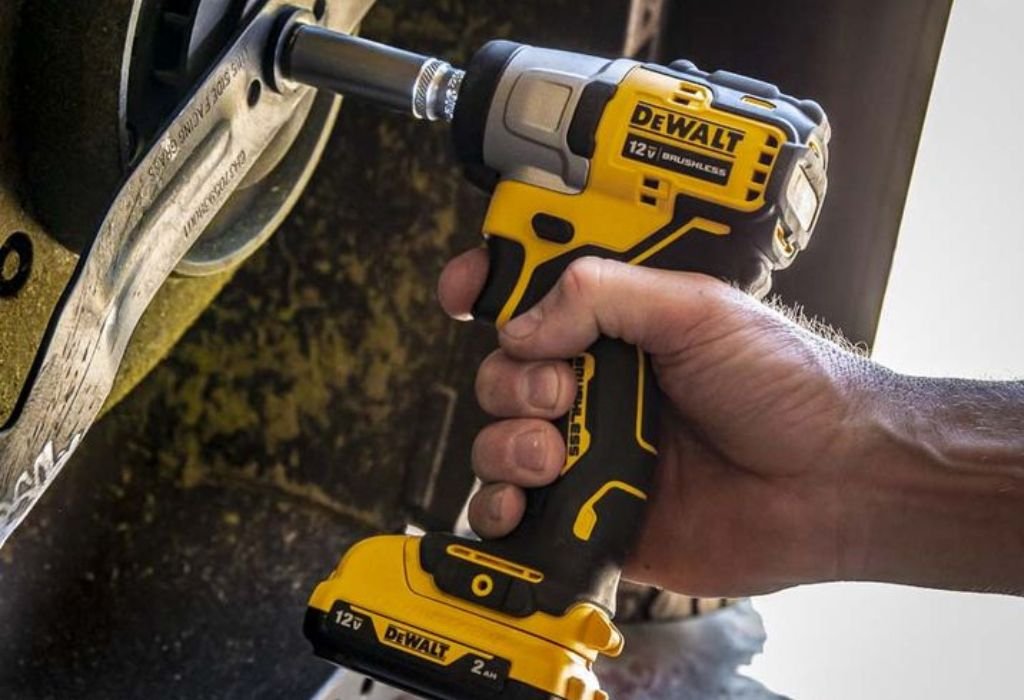
Now let’s dive into the practical side — the exact steps to follow when learning how to adjust torque on cordless impact wrench for accurate results.
Step 1: Identify Torque Adjustment Options
Start by examining your impact wrench. Check for a torque dial, speed switch, or digital mode selector. Review your manual to confirm whether the tool offers mechanical, electronic, or programmable torque control.
Step 2: Begin at the Lowest Setting
Always start low. Set the torque or speed to its minimum setting before testing. This prevents overtightening and gives you room to increase torque gradually until you reach the desired result.
Step 3: Adjust the Torque Dial or Mode
If your wrench includes a numbered dial, rotate it toward the torque level you want. For electronic wrenches, use the control buttons or app interface to select the target torque value (for example, 150 ft-lb).
In simpler models, switch from low to medium or high mode to adjust output power.
Step 4: Fine-Tune Using Trigger Control
Trigger sensitivity plays a huge role in torque delivery. “Feather” the trigger gently to limit impacts. A short, controlled burst applies less torque than holding the trigger continuously.
Step 5: Perform a Test Run
Choose a test bolt similar to your real application. Fasten it using your selected setting, then check tightness with a digital torque wrench. Compare the measured torque to your target.
If the reading is too low, increase the setting slightly. If it’s too high, lower the mode or apply shorter bursts.
Step 6: Verify with a Torque Wrench
Impact wrenches are not designed for precise torque readings. Always verify your final tightening using a calibrated digital or beam torque wrench. This ensures your joint meets manufacturer specifications.
Step 7: Save or Note Your Settings
Many smart impact wrenches allow you to store torque profiles. If not, note down the mode or dial level that produced the desired torque. This creates a repeatable setup for future projects.
Following these seven steps ensures consistent results and helps prevent fastener damage or tool strain.
Measuring and Verifying Torque Accuracy
Even after adjusting torque settings, verification is critical. Over time, factors such as tool wear, battery voltage, or calibration drift can affect output accuracy.
The best way to measure actual torque is by using a calibrated digital torque wrench. Tighten a fastener using your impact wrench, then use the torque wrench to check how much force was applied.
Perform several test cycles and take the average value. This helps identify whether your impact wrench consistently delivers the target torque.
For professional environments, periodic calibration is mandatory. Service centers use torque analyzers and transducers to test tool accuracy. If your impact wrench is used frequently or commercially, have it recalibrated every 6–12 months.
Keep in mind that a fully charged battery delivers slightly higher torque than a half-charged one. For consistent readings, always test and operate at the same battery level.
Document your settings and test results for reference. This record will help maintain quality and repeatability over time.
Workarounds and Alternatives When Torque Adjustment Isn’t Built-In
Some entry-level cordless impact wrenches lack adjustable torque systems. Fortunately, there are several workarounds you can use to achieve control.
1. Torque Sticks or Extensions
These attachments absorb excess torque by flexing when the preset limit is reached. They’re inexpensive and color-coded by torque rating — a popular option for wheel nuts and automotive maintenance.
2. Finish Tightening with a Torque Wrench
Use your impact wrench to snug the bolt, then finish with a torque wrench for precise tightening. This two-step approach ensures safety and compliance with torque specs.
3. Control Torque Through Trigger Feathering
Even without adjustable modes, you can manage torque through trigger control. Apply short bursts instead of continuous impacts to limit total torque applied.
4. Use a Smart Torque Adapter
Digital torque adapters placed between the tool and socket measure real-time torque. They provide visual feedback, letting you stop when you reach the target force.
5. Upgrade to Adjustable or Smart Impact Wrenches
If precision is a regular requirement, consider investing in a professional-grade cordless impact wrench with built-in torque adjustment or app-based calibration.
Each of these alternatives ensures that even basic tools can be used safely and effectively when torque accuracy matters.
Common Mistakes When Adjusting Torque
Even experienced users make errors that compromise torque accuracy. Here are the most frequent mistakes to avoid when learning how to adjust torque on cordless impact wrench.
Mistake 1: Relying Solely on Power Modes
Power settings affect speed and impact rate but don’t guarantee exact torque values. Always verify with a torque wrench.
Mistake 2: Ignoring Calibration and Maintenance
Worn anvil mechanisms, old grease, or internal wear can reduce torque output. Regular maintenance and calibration are crucial for accuracy.
Mistake 3: Using the Wrong Socket Type
Non-impact sockets can absorb or distort torque, giving false results. Always use impact-rated sockets for consistent performance.
Mistake 4: Inconsistent Battery Charge
A weak battery delivers lower torque. Always test and use the tool with a full charge for reliable results.
Mistake 5: Over-tightening During Final Pass
An impact wrench should never be used for final torque tightening on critical components. Use a manual torque wrench to complete the job.
Avoiding these mistakes ensures your torque settings remain dependable and repeatable across every project.
Pro Tips and Best Practices for Torque Adjustment
To take your skills to the next level, follow these expert-backed best practices:
- Warm Up the Tool: Run the impact wrench briefly at medium speed before precision work to stabilize lubrication and internal parts.
- Use Consistent Batteries: Stick with the same voltage and brand for consistent output.
- Calibrate Annually: Send your tool for professional torque calibration every 12 months if used frequently.
- Document Settings: Maintain a simple log of torque levels, bolt types, and results. This helps fine-tune future setups.
- Avoid Overuse of Extensions: Longer extensions can reduce delivered torque due to flex.
- Store Properly: When not in use, store the wrench with its torque dial at the lowest setting to reduce spring stress.
- Use Torque Testing Accessories: If available, use torque analyzers or in-line meters to monitor tool accuracy during repetitive tasks.
Small habits like these dramatically improve torque precision and extend tool life.
Example Applications of Torque Adjustment
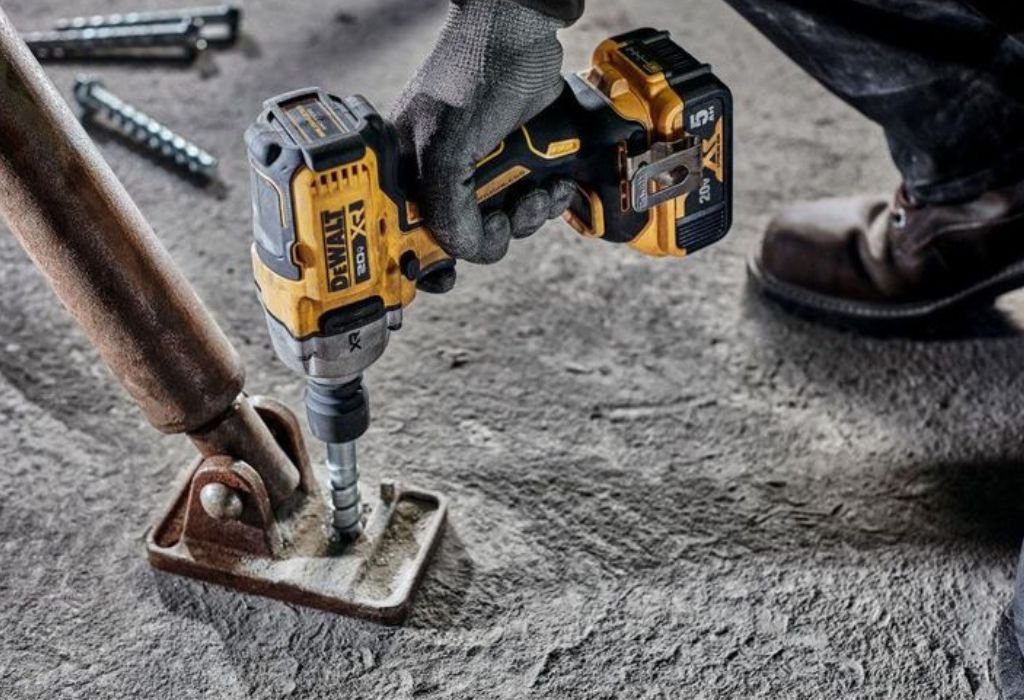
Learning how to adjust torque on a cordless impact wrench isn’t just technical knowledge — it has real-world applications across various tasks.
1. Automotive Wheel Lug Nuts
Use medium torque settings (around 80–100 ft-lb) to snug lug nuts, then finalize with a torque wrench to meet manufacturer specs.
2. Machinery Assembly
When joining metal parts, apply moderate torque in a criss-cross pattern for even load distribution. Adjust torque for different bolt sizes.
3. Home and DIY Projects
For assembling furniture or metal frames, use low torque to prevent thread damage. Fine-tune based on screw material and size.
4. Heavy Equipment Maintenance
Use high-torque settings only when required for large bolts, and verify results to prevent overstressing parts.
Across all use cases, consistent torque adjustment guarantees safer, longer-lasting assemblies.
Troubleshooting Torque Inconsistencies
Even after setting the torque, you might notice variability in tightening results. Here’s how to fix that:
- Check Socket Fit: Loose or worn sockets can absorb impact energy.
- Inspect the Anvil: Excess play in the anvil or hammer mechanism causes torque loss.
- Recharge the Battery: Low voltage lowers RPM and impact rate.
- Clean the Threads: Dirty or lubricated threads can change the torque requirement.
- Re-verify Settings: Sometimes mode selectors slip — double-check before every task.
Maintaining your tool and checking small details ensures reliable torque output over time.
Conclusion
Mastering how to adjust torque on a cordless impact wrench is one of the most valuable skills for any DIYer or professional mechanic. By understanding how your tool manages torque — whether through speed control, dials, or smart programming — you gain the power to fasten bolts accurately and safely.
Start with the basics: know your tool’s capabilities, test torque using a digital wrench, and adjust settings until you reach precision. Remember that proper torque isn’t about maximum power — it’s about perfect balance.
With these methods, you’ll protect your equipment, extend tool life, and achieve consistent results in every project. From tightening lug nuts to assembling complex machinery, torque control will always be your key to professional-level workmanship.

I’m Michael R. Turner, the founder, lead writer, and passionate DIY enthusiast behind 101diytools.com. With years of hands-on experience in home improvement and power tools, I built this platform to share practical tips, in-depth guides, and honest reviews to help DIYers of all skill levels tackle projects with confidence and the right tools.