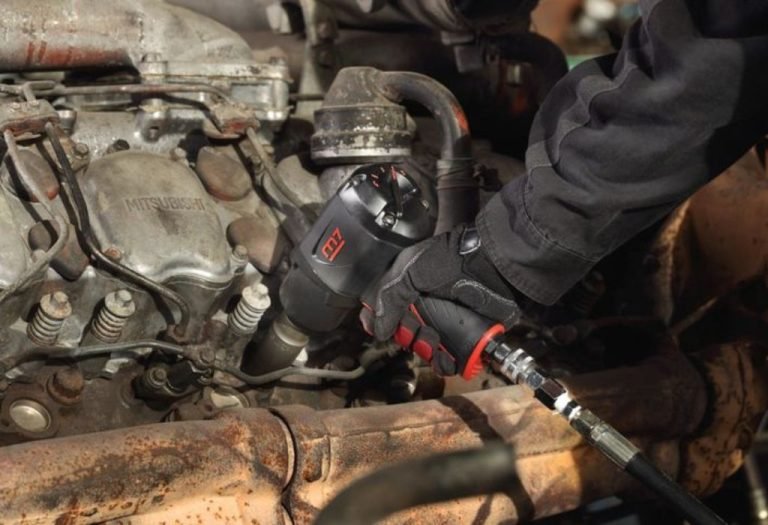
How to Adjust Torque on an Air Impact Wrench
Using an air impact wrench without proper torque adjustment can cause serious problems. Over-tightening fasteners risks stripping threads, while under-tightening leaves bolts dangerously loose.
Torque is one of the most important factors in automotive and DIY projects. Studies show that improperly tightened bolts contribute to more than 20% of mechanical failures in vehicles (IIHS).
For many DIYers, torque settings seem complicated at first. However, adjusting torque on an air impact wrench is straightforward once you understand how regulators, air pressure, and trigger control work.
Proper torque adjustment also extends the life of your tools. Research indicates that pneumatic tools maintained and calibrated regularly can last 30% longer than those left unadjusted (OSHA).
This guide explains step by step how to adjust torque on an air impact wrench. From regulator dials and compressor PSI to fine-tuning with torque sticks, every method is covered in detail.
By the end, you will know exactly how to adjust torque on an air impact wrench for accuracy, safety, and efficiency in every project.
What Is Torque in an Air Impact Wrench?
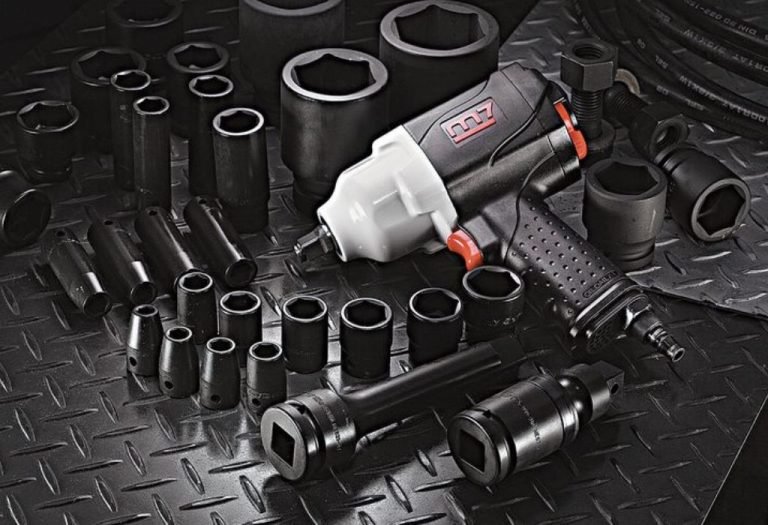
Torque is the rotational force used to tighten or loosen bolts. An air impact wrench generates torque through compressed air driving an internal hammer mechanism.
Higher torque provides more tightening force, while lower torque prevents over-tightening delicate fasteners. Understanding torque is critical for safe tool use.
What does torque mean for impact wrenches?
Torque is the twisting force applied to nuts and bolts.
Why is torque adjustment necessary?
It ensures fasteners are neither too tight nor too loose.
What happens if torque is too high?
Threads can strip or bolts can snap.
What if torque is too low?
Bolts may loosen and cause mechanical failure.
Do all impact wrenches have torque adjustment?
Many models include a regulator or dial, but some rely only on air pressure control.
Factors That Affect Torque Settings
Air Pressure (PSI)
Compressor PSI directly affects torque output. Most air impact wrenches are designed to run at around 90 PSI for optimal performance.
Exceeding the recommended PSI increases torque but risks tool damage. Running below the recommended PSI reduces torque and efficiency.
Regulator and Trigger Control
Built-in regulators allow adjustment of airflow into the tool. Trigger control also influences torque, as short bursts apply less force than continuous operation.
Hose Diameter and Air Delivery
Air hoses that are too narrow restrict airflow, lowering torque output. Using the correct hose diameter ensures consistent performance.
Fastener Material and Size
Torque requirements differ between steel bolts, aluminum parts, and delicate assemblies. Always match torque settings to the job.
Does compressor PSI affect torque output?
Yes, higher PSI increases torque but may exceed safe limits.
Can hose size limit torque power?
Yes, smaller hoses restrict airflow and reduce torque.
Why does fastener grade matter?
Weaker fasteners can break under high torque.
What role does the regulator play?
It controls airflow, reducing or increasing torque.
Is torque output the same for all wrenches?
No, output varies by brand, model, and air supply.
Step-by-Step: How to Adjust Torque on an Air Impact Wrench
Check Manufacturer Guidelines
Every impact wrench has a maximum torque rating. Consult the manual for recommended PSI and torque ranges.
Factory specifications prevent overloading the tool and damaging fasteners.
Why follow manufacturer guidelines?
They provide safe operating limits for your tool.
Where to find torque specs?
Specs are listed in the user manual or product label.
Are torque charts universal?
No, each wrench has unique ratings.
Adjust the Regulator Dial
Most air impact wrenches include a built-in torque regulator. Located near the base or handle, the dial controls airflow and torque.
Turning the dial clockwise usually increases torque, while counterclockwise decreases it. Test on scrap bolts before working on critical assemblies.
Where is the regulator on an impact wrench?
Usually on the tool base or handle.
How to lower torque safely?
Turn the dial down gradually and test output.
Can regulator prevent over-tightening?
Yes, it reduces airflow and torque.
Adjust Air Pressure from Compressor
Air compressors must be set correctly for torque control. Most wrenches operate best at 90 PSI, though some heavy-duty models require higher.
Use a pressure gauge to confirm accurate PSI. Avoid running the compressor at maximum output for long periods.
What PSI should most wrenches run at?
About 90 PSI is standard for most models.
Can running at max PSI damage tools?
Yes, long-term high PSI causes wear and overheating.
How to measure air pressure accurately?
Use the compressor’s regulator and a pressure gauge at the hose outlet.
Fine-Tuning with Trigger Control
The trigger is a key tool for torque adjustment. Short bursts provide controlled torque, while full pulls deliver maximum force.
Practice feathering the trigger for delicate fasteners like aluminum or plastic components.
Does trigger pressure affect torque?
Yes, feathering provides more control.
Can short bursts improve accuracy?
Yes, they reduce the risk of over-tightening.
Is feathering the trigger safe?
Yes, it is recommended for sensitive parts.
Testing and Measuring Torque Accuracy
Always test torque after adjusting. A torque stick or torque wrench ensures accurate results.
Relying only on feel is unsafe and often inaccurate. Testing prevents both under-tightening and over-tightening.
What is a torque stick?
A calibrated extension that flexes to limit torque.
How to test torque safely?
Use scrap bolts or a torque wrench for measurement.
Why confirm torque with a wrench?
It provides exact torque verification.
Common Mistakes When Adjusting Torque
Many users overlook compressor PSI. Running too high or too low affects performance.
Others ignore regulator settings or use the wrong sockets. Skipping calibration also leads to errors.
Why does wrong socket choice matter?
Only impact-rated sockets withstand high torque.
What happens if torque is never tested?
It risks fastener damage or failure.
Can misuse shorten tool life?
Yes, unregulated torque wears out internal parts.
Safety Precautions When Adjusting Torque
Always wear safety glasses and gloves during use. Flying debris or broken fasteners can cause injury.
Never exceed the manufacturer’s PSI rating. Test adjustments before applying them to critical parts like lug nuts or engine bolts.
Can high torque strip lug nuts?
Yes, excessive torque damages wheel studs.
Is using impact sockets mandatory?
Yes, regular sockets can shatter under torque.
What safety gear is essential?
Glasses, gloves, and hearing protection.
Maintenance Tips for Torque Accuracy
Lubricating the tool regularly keeps the hammer mechanism efficient. Use air tool oil before each session.
Inspect regulators and compressor hoses for leaks or damage. Proper maintenance ensures consistent torque output.
Why does oiling the tool matter?
It prevents wear and keeps the hammer smooth.
How often to check regulator settings?
Before every use for accuracy.
Does compressor maintenance affect torque?
Yes, leaks reduce available air pressure.
Conclusion
Adjusting torque on an air impact wrench is essential for safe and accurate work. Proper settings prevent stripped threads, broken bolts, and unsafe assemblies.
By learning how to adjust torque on an air impact wrench, you extend tool life, protect fasteners, and ensure precision. Always test your settings and maintain your tools for the best performance.

I’m Michael R. Turner, the founder, lead writer, and passionate DIY enthusiast behind 101diytools.com. With years of hands-on experience in home improvement and power tools, I built this platform to share practical tips, in-depth guides, and honest reviews to help DIYers of all skill levels tackle projects with confidence and the right tools.