How Often Should You Change a Circular Saw Blade
You press your circular saw into a fresh piece of lumber, expecting a smooth cut. Instead, you hear screeching, see smoke, and smell burning wood. That’s your saw telling you it’s time to change the blade.
Many DIYers assume circular saw blades last forever, but every cut dulls the teeth a little more. Over time, friction increases, performance drops, and your saw begins to struggle. The result is slower work, rough edges, and even safety risks.
A sharp blade doesn’t just cut faster — it cuts cleaner and safer. Dull blades force you to push harder, which strains the motor and your hands. The wood may burn or tear, ruining your material and your project.
Professional woodworkers know the signs before they become costly. They check sound, vibration, and cut quality regularly. Replacing the blade at the right time keeps every job smooth, quiet, and efficient.
In this guide, you’ll learn exactly how often to change a circular saw blade, how to recognize wear, and how to make your blades last longer. Whether you’re cutting wood, plastic, or metal, this article will help you keep your saw performing like new.
Understanding Circular Saw Blade Wear

Every blade dulls with use — even the toughest carbide-tipped models. Each tooth endures friction, heat, and pressure as it slices through material.
Over time, those teeth lose sharpness and begin to chip or round off. The gullet fills with residue, making the saw work harder to eject chips.
As teeth dull, the blade requires more force to cut. This extra pressure strains both your motor and your wrist.
A dull blade also vibrates more during operation, causing rougher cuts and potential kickback. The edges start to splinter or burn, especially on hardwoods.
Heat buildup accelerates dulling, especially if you cut dense materials or push too fast. Resin and sap from wood can also coat the teeth, reducing cutting efficiency.
Every pass you make with a dull blade adds unnecessary wear to your saw. The tool works twice as hard to deliver half the result.
If you ignore the early signs, the blade may warp or crack under stress. This not only ruins accuracy but also creates dangerous conditions.
Manufacturers design circular saw blades for specific life cycles. Most wood-cutting blades last between 20 to 120 hours of active use, depending on quality and material.
Metal or masonry blades wear faster because of heat and friction. Frequent users who cut daily may need replacements every few weeks.
Understanding wear helps you anticipate maintenance before performance drops dramatically.
How Often Should You Change the Blade
There’s no single number that fits every user. Blade lifespan depends on usage frequency, material hardness, and maintenance habits.
For average home projects, a quality carbide-tipped wood blade lasts around 6 to 12 months with occasional weekend use. Heavy users — such as contractors — may need to replace or resharpen blades every 2 to 3 weeks.
If you cut thick hardwood, plywood, or laminate daily, you’ll notice dullness faster. Softer woods extend life, but resin buildup can still shorten performance.
For plastic or acrylic, blades often last longer because the material creates less friction. For aluminum or metal, wear occurs much faster, sometimes within hours of continuous cutting.
When you use a blade for multiple materials, its life shortens drastically. Always dedicate separate blades for wood, metal, and composite cutting.
A good rule of thumb is to inspect your blade after every 20 hours of cutting. Look for dull edges, burning marks, or chipped carbide teeth.
If you notice resistance or smell burning even after cleaning, the blade is past its prime. Replacing it early saves the saw motor and your time.
Don’t wait until your saw struggles to push through wood. The sooner you act, the smoother and safer your cutting will be.
In short, replace blades whenever performance drops — not just by the calendar. Listen to the sound, feel the resistance, and watch the results.
That’s how professionals maintain cutting efficiency year-round.
Signs Your Circular Saw Blade Needs Replacement
A healthy blade cuts cleanly with minimal effort. As it dulls, several signs appear that signal it’s time for change.
The first sign is increased resistance during cuts. If you need to push harder or the saw bogs down, the teeth have lost their sharpness.
Second, check for burn marks or discoloration on the wood. This happens when the blade overheats due to friction.
Third, inspect the cut surface. Dull blades tear fibers instead of slicing them, leaving rough or splintered edges.
Fourth, listen to the sound of the saw. A sharp blade hums smoothly, while a dull one screeches or whines.
Fifth, feel the vibration. Excessive shaking or chatter means uneven teeth or imbalance caused by wear.
If your blade struggles with clean entry and exit points, it’s already past its ideal sharpness.
Visual inspection helps too. Look for chipped carbide tips, missing teeth, or shiny edges that indicate rounding.
Pitch or resin buildup also mimics dullness. If cleaning doesn’t restore performance, the problem is true wear.
If cuts wander off the line despite steady handling, the blade may be warped. Warped blades cannot be fixed safely and must be replaced.
Paying attention to these signs ensures consistent performance and prevents tool damage in the long run.
Factors That Affect Blade Lifespan
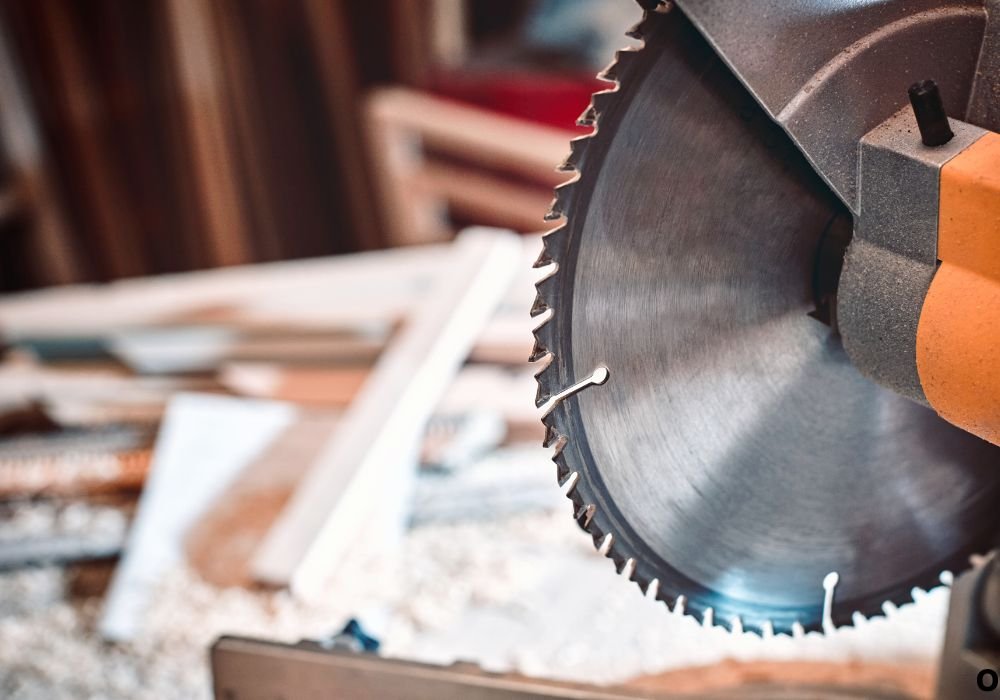
Not all blades wear out the same way. Several factors influence how long your circular saw blade lasts.
The first is material hardness. Cutting hardwood or composite panels generates more heat and friction than soft pine.
Second, cutting speed matters. Feeding material too fast increases stress on the teeth. Feeding too slow causes burning.
Third, blade quality plays a major role. Premium carbide-tipped blades can last up to 10 times longer than standard steel blades.
Fourth, cleanliness affects performance. Resin, dust, and glue residues act like sandpaper, dulling teeth prematurely.
Fifth, blade size and tooth count influence heat distribution. Larger blades or high-tooth models stay cooler and last longer.
Sixth, tool alignment matters. A misaligned saw or wobbling arbor causes uneven wear across the blade.
Seventh, environmental conditions count too. Moisture or humidity causes rust, weakening the blade’s body.
Eighth, cutting mixed materials without switching blades speeds up dulling. Metals, laminates, and plastics each have different cutting resistance.
Ninth, improper storage damages tips or edges. Never toss blades in toolboxes without covers or sleeves.
Lastly, lack of maintenance shortens lifespan drastically. Cleaning, lubrication, and occasional sharpening extend blade life by months.
Knowing these factors helps you plan better usage habits for longer-lasting performance.
How to Extend Circular Saw Blade Life
Proper care can double or even triple the lifespan of your circular saw blade. It starts with clean operation and regular maintenance.
Always keep your blades free of resin and pitch buildup. A simple cleaning after every few hours of cutting prevents performance loss.
Use mild detergent or blade cleaner and a soft brush to remove residue. Avoid wire brushes that scratch the carbide tips.
Lubricate lightly after cleaning to prevent rust and reduce friction during storage.
Use the correct blade for each material — never mix metal, wood, or plastic cutting on the same blade.
Feed material at a consistent, moderate pace. Forcing the blade causes overheating and premature dulling.
Check blade alignment often. A wobbling saw arbor damages the edges unevenly and leads to vibration.
Store blades flat or hang them individually with spacers. Contact between blades chips carbide edges.
Avoid cutting through hidden nails or screws inside wood. These instantly destroy multiple teeth.
Lastly, rotate between multiple blades if you work daily. Alternating them allows each one to cool and last longer.
Routine care makes a huge difference in both blade performance and overall project quality.
Can You Sharpen Instead of Replace
Yes, most circular saw blades can be sharpened several times before replacement. Sharpening restores edge sharpness and saves money over time.
Carbide-tipped blades are particularly good candidates for resharpening. Their tips can handle multiple sharpening cycles if done correctly.
You can sharpen blades manually with diamond files or send them to professional sharpening services.
Professional sharpening ensures uniform tooth angles and proper balance across the blade.
However, not all blades are worth sharpening. Low-cost steel blades wear too fast to justify the process.
If your blade has missing or cracked carbide tips, sharpening won’t restore performance safely.
Excessive warping or rust also means replacement is the only safe option.
Keep track of how many times a blade has been sharpened. After 3 to 5 sessions, the teeth may become too small for accurate cutting.
Sharpening extends life but eventually reaches a limit. Knowing when to stop prevents dangerous cutting conditions.
Replace blades when sharpening costs exceed half the price of a new one. It’s a simple way to maintain cost efficiency.
Safety Risks of Using a Dull Blade
A dull circular saw blade isn’t just inefficient — it’s dangerous. As teeth lose sharpness, they grab material unevenly and increase kickback risk.
Kickback happens when the blade binds and throws the saw backward toward the user. It’s one of the most common causes of woodworking injuries.
Dull blades also generate more heat and friction. This can burn the wood and damage the motor.
Overheating weakens the metal structure of the blade, increasing the chance of cracks or fractures.
When a cracked blade spins at thousands of RPMs, it can shatter and eject fragments at high speed.
Dull blades also cause uneven feeding, forcing you to push harder. This extra effort leads to fatigue and loss of control.
If the saw vibrates excessively, your accuracy drops significantly. The blade may also deviate from the cutting line.
Burnt wood emits toxic fumes, especially with laminated materials or MDF. A sharp blade cuts cleaner and produces less heat.
Neglecting blade maintenance risks both your safety and your investment. Always prioritize condition checks before starting any project.
Safe cutting begins with a well-maintained, properly sharpened circular saw blade.
FAQs
How long does a circular saw blade last on average?
Most quality carbide blades last 6 to 12 months for casual users or 20–120 hours of cutting, depending on material and maintenance.
Can a dull circular saw blade be sharpened?
Yes, carbide blades can be resharpened several times if not damaged. Steel blades are cheaper to replace than sharpen.
What are signs my saw blade is dull?
Burning smells, rough cuts, extra vibration, or needing to push harder indicate it’s time for replacement.
Does cutting metal wear blades faster?
Yes, metal and composite materials cause more friction and heat, reducing blade lifespan significantly.
Is it dangerous to use a dull blade?
Absolutely. Dull blades cause binding, overheating, and kickback, all of which increase the risk of accidents.
Conclusion
Knowing how often to change a circular saw blade keeps your tools performing safely and efficiently. The right timing prevents poor cuts, excessive wear, and motor damage.
Replace your blade when it feels dull, burns wood, or vibrates excessively. Never wait for total failure — early replacement ensures clean results every time.
With proper care, regular cleaning, and smart rotation, your blades will stay sharp and reliable for months.
A fresh, sharp blade is more than a tool upgrade — it’s the foundation of professional-quality craftsmanship.

I’m Michael R. Turner, the founder, lead writer, and passionate DIY enthusiast behind 101diytools.com. With years of hands-on experience in home improvement and power tools, I built this platform to share practical tips, in-depth guides, and honest reviews to help DIYers of all skill levels tackle projects with confidence and the right tools.