How Much CFM Do I Need for an Impact Wrench
Imagine grabbing an impact wrench for a project only to find it barely loosens a stubborn bolt. The tool hisses, sputters, and feels underpowered, even though the compressor is running.
This frustration usually happens when the air compressor cannot supply enough CFM. CFM, or cubic feet per minute, measures the airflow a compressor delivers to power pneumatic tools.
Without the right CFM, an impact wrench cannot produce its rated torque. That means longer jobs, stripped fasteners, or even damage to the tool.
According to industry data, air tools like impact wrenches require anywhere from 4 to 10 CFM depending on size and torque [CFM Source]. Matching compressor output with tool requirements is essential for efficiency.
Another survey found that nearly 40% of DIYers underestimate compressor capacity when buying tools, leading to performance issues and extra costs [FamilyHandyman].
Understanding how much CFM you need for an impact wrench saves time, protects equipment, and ensures every job is done right.
This guide explains CFM, shows how to match it with tool requirements, and helps choose the best compressor setup. With the right knowledge, anyone can power an impact wrench effectively.
What Is CFM and Why It Matters for Impact Wrenches
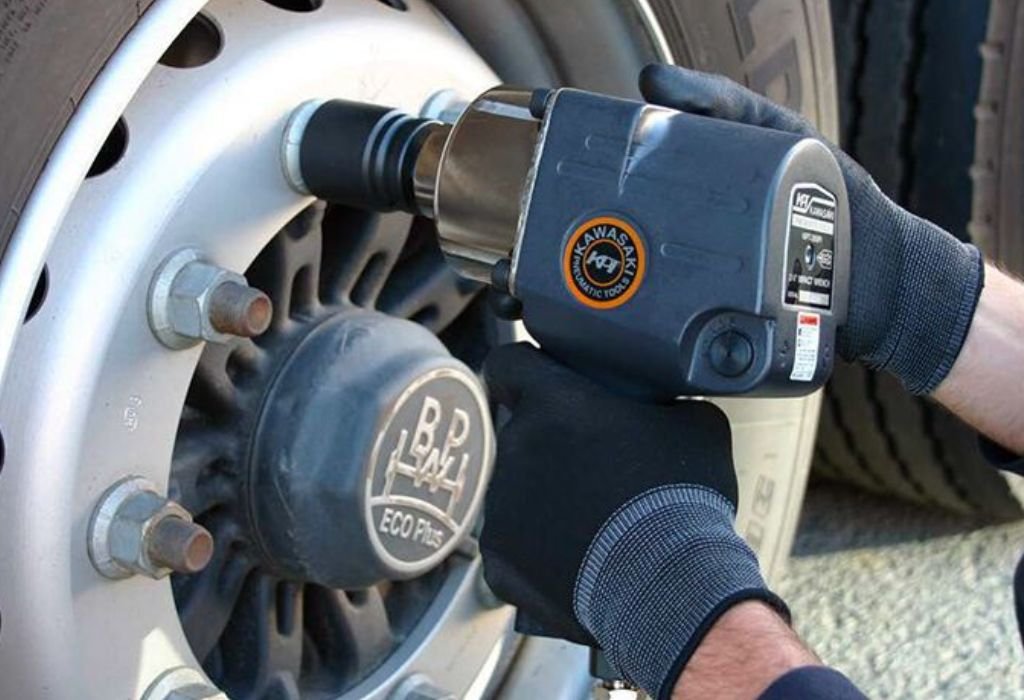
CFM stands for cubic feet per minute, a measure of airflow. It tells you how much air a compressor can deliver to a tool within a minute.
Impact wrenches require constant airflow to deliver consistent torque. If the compressor falls short, the wrench loses power mid-use.
Unlike PSI, which measures pressure, CFM reflects the actual volume of air needed. Both are important, but CFM determines how long a tool can sustain performance.
Air tools like impact wrenches are designed around specific airflow needs. Using a mismatched compressor creates inefficiency and tool wear.
What is CFM in simple terms?
It measures the amount of air a compressor produces per minute.
How is CFM different from PSI?
CFM is airflow volume, while PSI is air pressure.
Why does CFM matter for wrenches?
Without enough CFM, the tool cannot deliver full torque.
Can high PSI make up for low CFM?
No, tools need both correct pressure and sufficient airflow.
Is CFM the same across all compressors?
No, ratings vary by compressor size, tank, and motor.
Average CFM Requirements for Impact Wrenches
Compact ¼-inch impact wrenches need about 2–4 CFM. These are often used for lighter tasks such as small bolts and fasteners.
A ⅜-inch wrench typically requires 4–5 CFM. This size is common in auto repair and general DIY projects.
The ½-inch impact wrench, the most popular size, usually needs 4–6 CFM. This balance provides enough torque for lug nuts and medium-duty tasks.
Heavy-duty ¾-inch or 1-inch wrenches can demand 8–10 CFM or more. These are used in professional garages, construction, or industrial jobs.
Always check the manufacturer’s rating since airflow needs differ across models. Matching these requirements prevents underperformance.
How much CFM for a ¼-inch impact wrench?
Usually 2–4 CFM.
What about a ⅜-inch model?
Expect 4–5 CFM for average use.
How much for a ½-inch wrench?
Typically 4–6 CFM is required.
Do heavy-duty wrenches need more?
Yes, large ¾-inch or 1-inch tools may need 8–10 CFM.
Should I always trust the tool label?
Yes, use it as a guideline, but consider real-world usage too.
Matching Air Compressors with Impact Wrenches
A compressor must deliver more CFM than the wrench consumes. If the compressor is undersized, the wrench will stall or lose torque.
Tank size also matters. Larger tanks store more air, giving the tool longer run time before the compressor cycles.
Duty cycle affects performance too. A compressor rated for 50% duty cycle can only run half the time without overheating.
Portable compressors may work for light tools, but heavy-duty wrenches need shop-grade models. Matching compressor specs ensures efficiency and tool life.
Can a small compressor run a big wrench?
No, it will not sustain enough airflow.
Does tank size affect CFM?
Not directly, but bigger tanks allow longer tool use.
What is duty cycle?
It measures how long a compressor can run without overheating.
Is horsepower more important than CFM?
No, airflow (CFM) determines tool performance.
Can multiple tools share one compressor?
Yes, but total CFM must cover all tools in use.
Factors That Affect CFM Needs
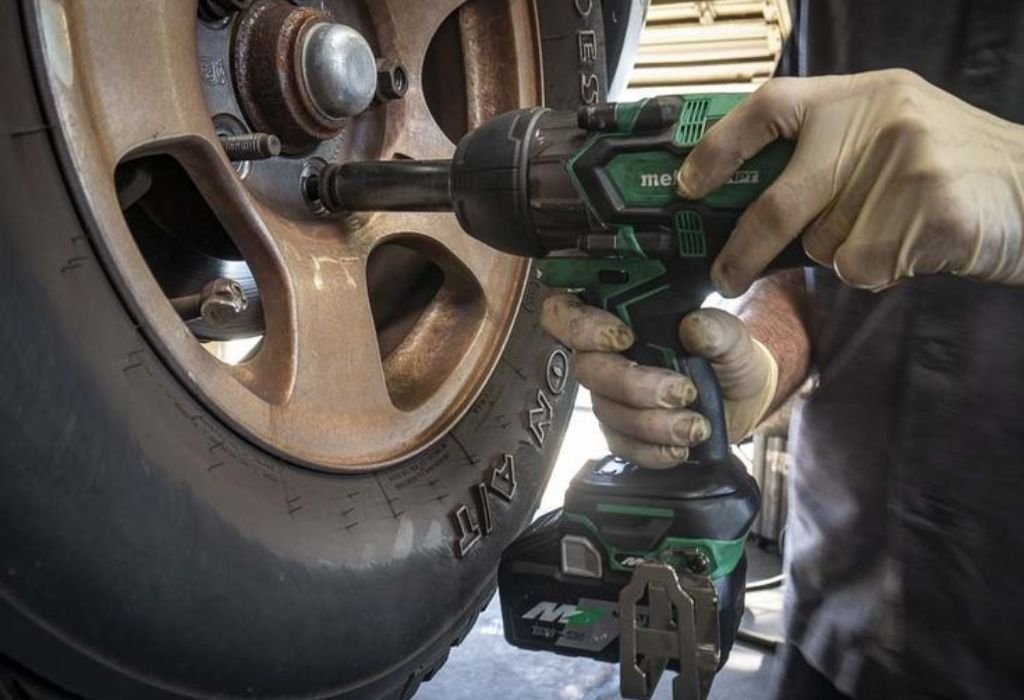
Tool size directly impacts CFM requirements. Larger wrenches consume more air.
Workload also matters. Continuous use needs more CFM than occasional use.
Hose length and diameter affect delivery. Long or narrow hoses restrict airflow and reduce efficiency.
Compressor efficiency changes with altitude and temperature. Hot or high environments reduce output.
Does tool size change CFM?
Yes, larger tools use more air.
How does workload affect demand?
Heavy or continuous use increases CFM needs.
Does hose size matter?
Yes, narrow hoses restrict air supply.
Can environment affect compressors?
Yes, heat and altitude lower compressor efficiency.
Do regulators change CFM?
They control flow but cannot increase total compressor output.
Step-by-Step: How to Choose the Right Compressor
Step 1: Identify the size and type of impact wrench. Check its rated CFM requirement.
Step 2: Add at least 30% extra CFM capacity to the compressor. This buffer prevents tool starvation.
Step 3: Consider duty cycle and tank size. Match these with the length of jobs you perform.
Step 4: Factor in other tools if you plan to run multiple devices at once. Total compressor output must exceed combined demand.
Step 5: Choose a compressor with reliable build and enough horsepower to maintain airflow.
What is the safety margin for CFM?
At least 30% above tool requirement.
Should I oversize my compressor?
Yes, it ensures consistent performance.
Does tank size matter for short tasks?
Not as much, but it helps with longer jobs.
What if I use multiple tools?
Add their CFM requirements together.
How to know if the compressor is enough?
If the tool runs smoothly without stalling, the match is correct.
Common Problems When CFM Is Too Low
The wrench may stall or refuse to spin under load. This is a clear sign of insufficient airflow.
Jobs take much longer because torque output drops. Bolts may not loosen at all.
The compressor cycles constantly, overheating or wearing out early. This shortens its lifespan.
The tool itself can suffer damage from low airflow. Running underpowered causes wear and internal stress.
What happens if CFM is too low?
The wrench loses torque and stalls.
Does low CFM damage compressors?
Yes, constant cycling increases wear.
Can it damage the wrench too?
Yes, underpowered operation stresses parts.
Will jobs take longer?
Yes, bolts may not loosen or tighten properly.
Can low CFM increase costs?
Yes, from tool damage, compressor repairs, and wasted time.
Maintenance and Efficiency Tips
Clean air filters on the compressor to maintain airflow. Dirty filters reduce CFM output.
Drain moisture from the tank daily. Water buildup lowers efficiency and causes rust.
Use the right hose size and keep it short. Proper airflow reduces pressure drops.
Lubricate the impact wrench regularly. Dry tools require more air to work.
Store compressors in cool, dry areas. Heat and humidity reduce performance.
How often should filters be cleaned?
Check monthly and clean when dirty.
Does water in the tank affect CFM?
Yes, it reduces tank volume and efficiency.
What hose is best?
Wide-diameter, short hoses preserve airflow.
Does lubrication help tools?
Yes, it keeps them efficient and reduces air demand.
Does storage matter?
Yes, cool, dry areas protect compressor performance.
When to Upgrade Your Compressor
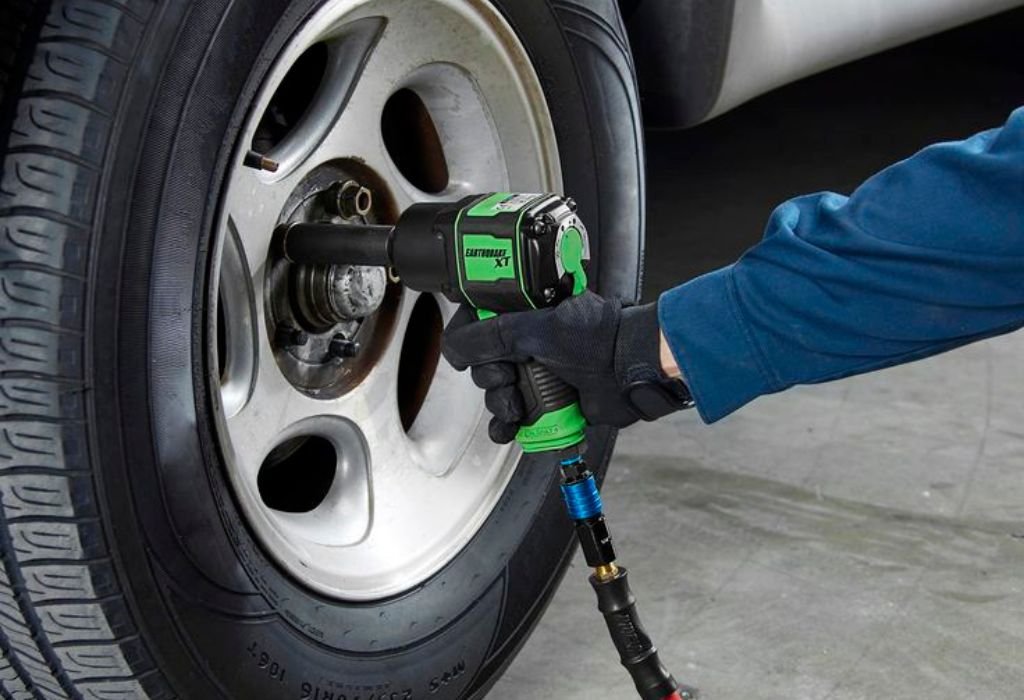
If the wrench frequently stalls, the compressor is undersized. Upgrading is the best solution.
When jobs require multiple tools at once, a larger compressor is necessary. Shared airflow reduces tool performance.
Heavy-duty work such as automotive or industrial tasks needs more airflow. Investing in higher CFM capacity saves time and effort.
Upgrades also provide long-term reliability. A stronger compressor reduces strain and maintenance costs.
When is an upgrade necessary?
When the current compressor cannot sustain tool use.
Can I add tanks instead?
Extra tanks help but do not increase CFM.
What about using multiple compressors?
They can be linked, but efficiency may drop.
Do professionals need larger compressors?
Yes, frequent heavy use demands higher CFM.
Does upgrading save money long term?
Yes, it reduces tool damage and job delays.
Conclusion
CFM determines how well an impact wrench performs. Without enough airflow, even the most powerful wrench cannot deliver its rated torque.
Most wrenches need between 2 and 10 CFM depending on size and usage. Choosing a compressor with extra capacity ensures smooth operation.
Matching compressor output with tool demand prevents wasted time, tool wear, and costly repairs. Knowing how much CFM you need for an impact wrench helps every project succeed.
The right setup means faster jobs, reliable tools, and stress-free work. Invest in proper

I’m Michael R. Turner, the founder, lead writer, and passionate DIY enthusiast behind 101diytools.com. With years of hands-on experience in home improvement and power tools, I built this platform to share practical tips, in-depth guides, and honest reviews to help DIYers of all skill levels tackle projects with confidence and the right tools.