How Many Watts Does a Circular Saw Use? Full Guide
Imagine starting a DIY project with a new circular saw, only to notice it struggles through even thin plywood. You push harder, but the motor strains and the cut becomes uneven.
Many DIYers overlook a crucial factor: the saw’s wattage. Understanding how many watts a circular saw uses can make the difference between a smooth, efficient cut and frustration-filled work.
Circular saws vary widely in power, and using the wrong tool for a material can slow your work or damage the motor. Studies show that most home saws operate between 1200 and 1800 watts, while professional models can exceed 2000 watts.
Selecting the right wattage ensures that the saw works efficiently, lasts longer, and delivers precise cuts. It also helps you manage energy consumption and avoid overloading circuits.
This guide will break down what watts mean, typical saw wattages, performance impact, efficiency, and tips for choosing the perfect saw. By the end, you’ll confidently pick a saw suited for any project.
Knowing your saw’s wattage allows you to balance power, portability, and cost for smooth, safe, and professional results.
Understanding Watts and Electrical Power
A watt measures the amount of electrical power a device uses per second. For circular saws, it indicates how much energy the motor consumes to rotate the blade effectively.
Watts are related to amps and volts using a simple formula: Watts = Volts × Amps. This helps compare tools that may have different voltage ratings but similar power output.
Higher wattage often allows faster cutting and smoother performance, but it doesn’t automatically mean the saw is better. Efficiency, blade type, and design all play a role.
Saws usually list both rated watts and actual consumption under load. The rated number tells you the saw’s ideal performance, while actual use can fluctuate depending on material and cutting speed.
Misunderstanding wattage can lead to underpowered cuts or overheating. Knowing what your saw requires ensures safety and prevents motor strain.
Even for DIY projects, selecting the right wattage helps achieve professional-quality results and prolongs tool lifespan.
Average Wattage of Circular Saws
Home circular saws typically range from 1200 to 1800 watts. This is sufficient for softwood, plywood, and light construction tasks.
Professional corded models can reach 2000 watts or more. These handle thick hardwoods and continuous heavy-duty cutting without straining the motor.
Sidewinder saws generally consume slightly less power due to compact motor design, while worm-drive saws draw more watts but deliver higher torque.
Cordless saws measure power differently, often in volts and amp-hours, but can deliver comparable wattage for short tasks. Battery quality and efficiency affect performance.
Material thickness influences wattage usage. Hardwoods or dense composites require more power, whereas thin plywood or softwood uses less energy.
Choosing a saw with appropriate wattage avoids slow cuts, overheating, and frequent blade replacements, giving smoother and safer results.
How Wattage Affects Cutting Performance
Higher wattage saws cut faster and more smoothly through dense materials. This reduces splintering and prevents kickback.
Low-wattage saws may struggle with thicker stock, requiring multiple passes or excessive force. This can wear out the motor prematurely.
Motor overheating is a common issue when the saw is underpowered. Adequate wattage ensures continuous operation without risk of burnout.
Efficiency also impacts operator fatigue. A powerful saw requires less effort, allowing for longer, more precise work sessions.
Blade choice interacts with wattage. Coarse-tooth blades work better with higher-powered saws for ripping, while fine-tooth blades need consistent power for clean cuts.
Balancing wattage and portability ensures you have enough power without carrying unnecessarily heavy tools, especially for job sites or DIY use.
Tips for Choosing the Right Circular Saw
Match wattage to the type of projects you do most frequently. Light DIY tasks require 1200–1500 watts, while professional woodworking may need 1800–2000+ watts.
Consider blade size in relation to motor power. Larger blades demand higher wattage to maintain cutting speed and avoid motor strain.
Portability vs. power is important. Cordless saws provide flexibility but often deliver slightly lower sustained wattage.
Safety features and motor protection are critical. Overload protection prevents damage if the saw is pushed beyond its wattage capacity.
Corded vs. battery-powered selection depends on material, duration of use, and workspace setup. Corded saws deliver consistent power; batteries offer mobility.
Budget-friendly saws can suffice for occasional DIYers, but understanding wattage ensures you don’t compromise cutting efficiency or safety.
Energy Consumption and Efficiency
Corded saws’ energy usage depends on wattage and operation time. A 1500-watt saw running for one hour consumes 1.5 kWh of electricity.
Higher-wattage saws may use more power, but they finish cuts faster, often reducing total energy use. Efficiency matters more than absolute watts.
Battery-powered saws use watt-hours to measure capacity. Proper charging and battery care maintain peak performance and extend tool life.
Regular maintenance improves efficiency. Clean, sharp blades reduce resistance and lower energy consumption.
High-efficiency motors deliver more torque per watt, balancing power use and cut quality. Look for brushless or premium models for better performance.
Choosing the right wattage, maintaining your saw, and selecting the correct blade all contribute to energy-efficient, precise cutting.
Maintenance Tips for Optimal Power
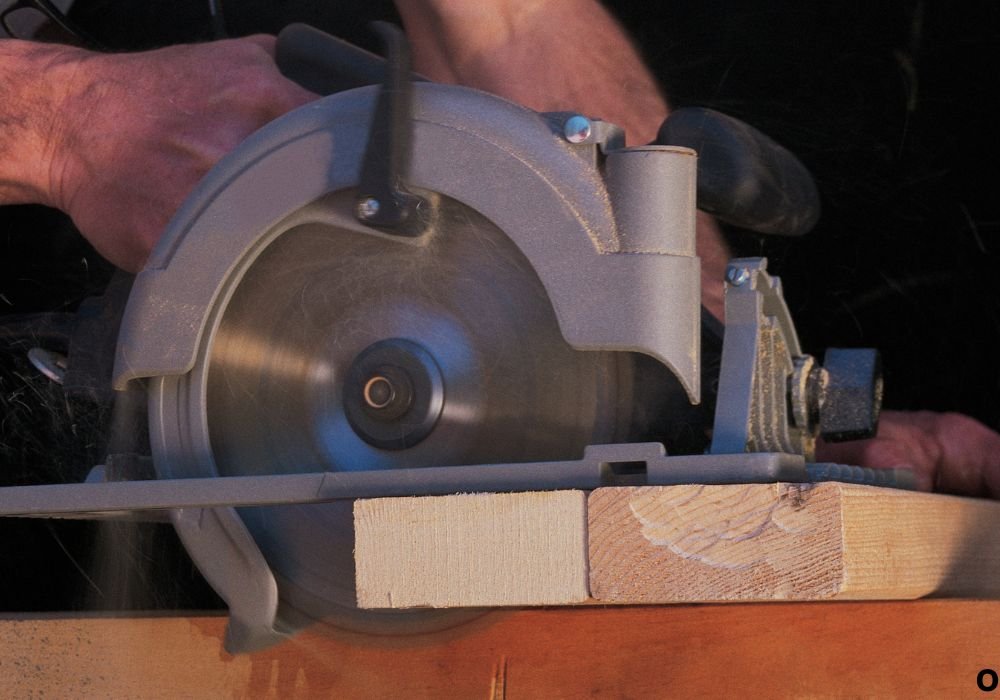
Regular cleaning prevents dust and resin buildup in the motor and blade. This ensures smooth rotation and consistent wattage usage.
Sharpen blades when needed. Dull blades require more power to cut, increasing energy consumption and stressing the motor.
Check wiring and brushes in corded saws. Loose or damaged connections can reduce wattage delivery and compromise safety.
Battery care for cordless saws preserves peak output. Avoid overcharging or deep discharging to maintain performance.
Avoid overloading the saw by feeding too fast or cutting inappropriate materials. Proper usage prevents overheating and ensures maximum wattage efficiency.
Proper storage and periodic inspection prolong the lifespan of both the motor and blade, allowing your saw to perform consistently over time.
Frequently Asked Questions
How many watts do typical home circular saws use?
Most range between 1200 and 1800 watts, sufficient for general DIY tasks and light construction.
Does higher wattage mean a better saw?
Not always. Performance depends on motor design, blade type, and intended material.
Can wattage affect battery life on cordless saws?
Yes, higher wattage demands more power, which can shorten runtime unless using high-capacity batteries.
How to calculate electricity cost for saw usage?
Multiply the saw’s wattage by hours used, then divide by 1000 for kWh, and multiply by your local electricity rate.
Are professional saws more energy-efficient?
They often are, due to better motors and higher torque per watt, finishing cuts faster and reducing overall consumption.
Can I use a low-wattage saw for thick hardwood?
It’s possible, but expect slower cuts, multiple passes, and potential motor strain.
How to maintain consistent power output over time?
Regular blade sharpening, cleaning, and motor maintenance prevent wattage drop and ensure reliable performance.
What is the relationship between amps and watts?
Watts = Volts × Amps. This formula helps understand the saw’s power draw and compatibility with your electrical supply.
Can high-wattage saws damage wood if misused?
Yes, excessive feed speed or improper blade choice can cause burn marks, tear-out, or kickback.
Tips for choosing the best wattage for DIY projects?
Match saw power to material and project frequency, consider blade size, and choose a saw with motor protection features.
Conclusion
Understanding how many watts a circular saw uses helps you select the right tool for your projects. Proper wattage ensures smooth, efficient, and safe cuts every time.
Always consider project material, blade size, and motor efficiency when choosing a saw. Corded or cordless, matching wattage to your needs prevents frustration and prolongs tool life.
Maintaining your saw, using the right blade, and observing cutting best practices maximizes performance and energy efficiency. Knowledge of wattage is a key step toward precise, professional woodworking.

I’m Michael R. Turner, the founder, lead writer, and passionate DIY enthusiast behind 101diytools.com. With years of hands-on experience in home improvement and power tools, I built this platform to share practical tips, in-depth guides, and honest reviews to help DIYers of all skill levels tackle projects with confidence and the right tools.