How Many Teeth Are Best for a Circular Saw Blade: The Ultimate Guide
You pick up your circular saw, line up the cut, and watch as the blade slices through wood — but the result looks torn and uneven. Most DIYers blame the tool or their technique, when the real issue lies in the blade’s teeth.
Every circular saw blade is built for a purpose, and the number of teeth defines its behavior. Too few teeth, and your cut will be rough. Too many teeth, and the saw will overheat or burn the material.
Imagine trying to cut hardwood furniture panels with a 24-tooth framing blade. The speed will impress you, but the edge will look shredded. Switch to an 80-tooth blade, and the same cut feels like slicing butter — clean, quiet, and precise.
The tooth count affects every aspect of performance: cutting speed, smoothness, vibration, and material compatibility. Professionals know that choosing the right blade is not just about size, but about matching tooth count to the task.
This comprehensive guide will walk you through everything you need to know — from how tooth count impacts cutting behavior to what blade is best for wood, metal, and beyond. By the end, you’ll be able to pick the perfect blade for every project.
Understanding Circular Saw Blade Tooth Count
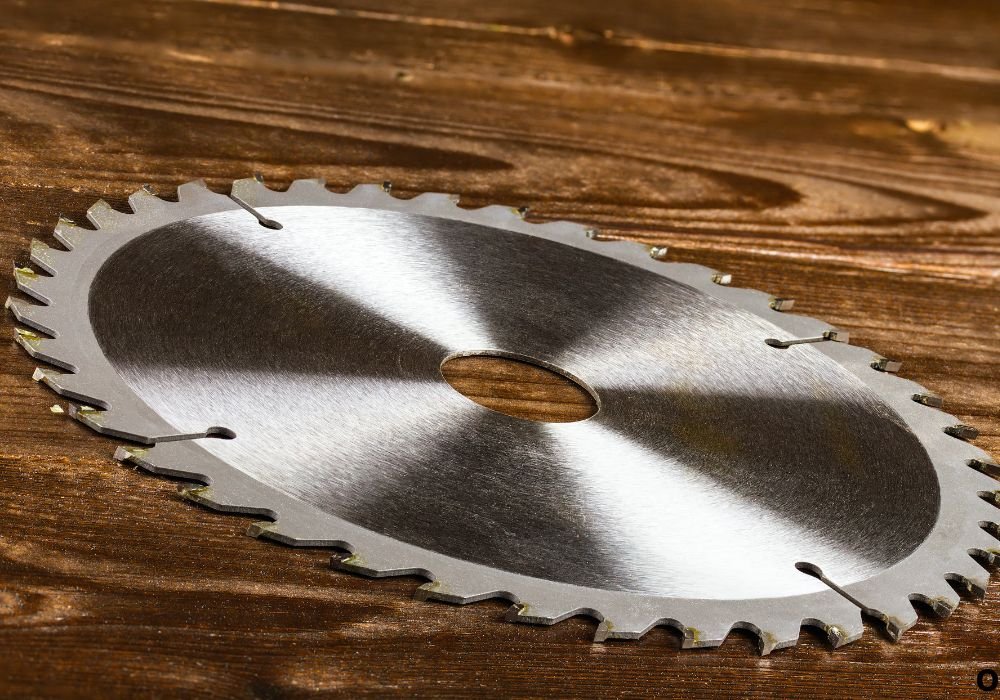
A circular saw blade’s tooth count determines how it interacts with the material. In simple terms, the fewer the teeth, the faster the cut.
Blades with fewer teeth — like 14 to 24 — are aggressive and remove material quickly. These are perfect for construction or framing where speed matters more than precision.
Blades with higher tooth counts, such as 60, 80, or 100, create finer, smoother edges. They’re designed for finishing cuts on plywood, laminate, or furniture boards.
The tooth count also affects how much pressure you need to apply. Fewer teeth mean more material per bite, which demands a steadier hand and stronger motor power.
You’ll find that most general-purpose blades have around 40 to 60 teeth. This balance allows you to perform both ripping and cross-cutting without frequent blade changes.
The relationship between speed and smoothness is always a trade-off. High-tooth blades produce a clean finish but take more time to cut through thick stock.
Each blade also has specific tooth geometry and gullet design, which help manage chip removal and prevent overheating. The higher the tooth count, the smaller the gullets, and the finer the chips removed.
When cutting thick or resinous wood, small gullets may clog faster, causing friction. That’s why choosing the correct combination of tooth count and gullet size is vital for performance.
Even within the same diameter, two blades can perform completely differently depending on tooth configuration. A 7¼-inch 24-tooth framing blade and a 7¼-inch 60-tooth finish blade will deliver opposite results.
Understanding this balance is the foundation of choosing the right circular saw blade for your specific project.
How Tooth Count Affects Cut Quality and Speed
Tooth count influences both the quality of the cut and how quickly it’s completed. Think of it as a balance between efficiency and precision.
A low-tooth blade moves quickly through material because each tooth removes more wood per revolution. However, the larger spacing between teeth causes tearing on delicate surfaces.
A high-tooth blade takes smaller bites, which results in smooth, controlled cutting. The trade-off is reduced cutting speed and increased motor strain.
If your blade has too few teeth for the task, you’ll notice splintering and rough edges, especially on plywood or softwood. Too many teeth, and you might burn hardwood due to heat buildup.
For construction framing, speed is king — rough edges are sanded or hidden later. That’s why builders prefer 24-tooth blades for ripping long planks.
In contrast, cabinetmakers use 80-tooth or 100-tooth blades for fine trim work. Every tooth slices tiny chips, leaving a polished surface that barely needs sanding.
The difference between a smooth and ragged cut often comes down to this simple factor. Even the sharpest blade performs poorly when its tooth count doesn’t match the job.
Choosing the correct tooth range ensures better tool control, less vibration, and cleaner results.
Professionals always remember: the right blade doesn’t just cut better — it makes the saw safer and more efficient.
So before your next cut, take a moment to consider what the blade’s teeth are designed to do.
Recommended Tooth Count by Material Type
1. Ripping Solid Wood
When cutting along the grain, you need speed and chip clearance. A 24-tooth blade is perfect for this.
It removes material aggressively without clogging, ideal for thick lumber and framing boards. The resulting edge may be rough, but it’s excellent for quick structural work.
If you’re using a table saw for continuous ripping, you can even go as low as 20 teeth.
2. Cross-Cutting Hardwood
Cross-cutting goes across the grain, demanding precision over speed. A 60- or 80-tooth blade gives a smooth finish with minimal tear-out.
It’s best for trim pieces, molding, and furniture panels where visible surfaces need clean edges.
3. Plywood and Veneer
These thin layers are prone to chipping. Use an 80- to 100-tooth blade for clean cuts through plywood or veneered MDF.
The fine teeth minimize splintering on the outer layers and create professional-looking results.
4. Plastic, PVC, and Acrylic
For plastics, use a 60- to 80-tooth carbide blade. These teeth reduce vibration and heat, preventing melting or fused edges.
Slower feed rates help maintain smooth, cool cuts.
5. Aluminum and Non-Ferrous Metal
Cutting metal requires more teeth — typically 100 to 120.
These blades have carbide or titanium tips designed for durability and precision. Always cut slowly and use safety gear to handle metal sparks safely.
Each material responds differently to speed, pressure, and heat, so matching the tooth count is critical for clean results.
Understanding Tooth Geometry and Gullet Design

Each tooth shape has a purpose. The most common geometries are ATB (Alternate Top Bevel), FTG (Flat Top Grind), and Combination (ATBR).
ATB blades have alternating teeth that slice wood fibers from opposite directions. This design gives clean, chip-free finishes on wood and plywood.
FTG teeth are flat and square, optimized for fast ripping along the grain. They clear sawdust quickly and resist clogging during long cuts.
Combination blades mix ATB and FTG patterns — typically five teeth in sequence — to perform well in both ripping and cross-cutting.
The gullet (the space between teeth) is equally important. Large gullets handle heavy material removal, while smaller ones improve surface smoothness.
When using high-tooth blades, gullets are shallower to maintain control. This helps in fine cutting where precision outweighs speed.
Deep gullets, on the other hand, are essential for quick cuts in thick wood or framing lumber.
The wrong gullet-to-tooth ratio can cause overheating or poor chip evacuation. Always check both tooth design and spacing before purchasing.
Some professional blades also include anti-vibration slots and expansion cuts. These maintain balance and reduce noise during high-speed cutting.
Together, geometry and gullet design define how your saw feels, sounds, and performs during every cut.
Choosing the Right Blade for the Job
Selecting a circular saw blade isn’t just about the number of teeth. You also need to consider diameter, kerf width, and material coating.
Start with your primary use. If you mostly cut framing lumber, a 24-tooth 7¼-inch blade will serve well. For all-around tasks, go for a 40- or 60-tooth general-purpose blade.
Cabinetmaking or laminate work benefits from fine-tooth blades in the 80- to 100-tooth range. These deliver mirror-smooth results with minimal sanding.
If you work with multiple materials, buy separate blades for each type. Switching between wood and metal with one blade reduces performance and shortens life.
Consider the hook angle, which controls how aggressively the tooth enters the material. Positive angles cut faster, while negative ones give smoother, safer cuts.
Pay attention to kerf width — thinner blades need less power and create less waste. However, ultra-thin kerfs are more flexible and can deflect under pressure.
Carbide-tipped blades last much longer than steel ones. They stay sharper and resist heat, especially for continuous use.
For handheld circular saws, choose lightweight blades with balanced vibration control. This prevents fatigue and improves cut accuracy.
In workshops, many professionals keep a small collection: one ripping blade, one cross-cutting blade, one fine-finish blade, and one metal-cutting blade.
Investing in the right blades not only improves your results but also extends your saw’s lifespan significantly.
Common Mistakes When Selecting Blade Teeth
One of the most frequent mistakes is assuming that more teeth always mean a better cut. That’s not true for all materials.
A high-tooth blade on thick hardwood can cause burning and resistance because it generates too much friction.
Using a coarse-tooth blade on laminate or MDF will cause severe chipping. Always match tooth count to cutting style, not just material hardness.
Another error is ignoring the blade’s rotation speed rating. Low-tooth framing blades are designed for higher RPMs, while fine-tooth blades need slower feeds.
Some users forget that dull blades behave worse than the wrong blades. Even the perfect tooth count can’t save a worn edge.
Many people use dirty blades covered with pitch or resin buildup. This adds friction and makes clean cuts nearly impossible.
Ignoring gullet depth can also cause overheating. If your saw bogs down or smokes, your blade’s design may not suit the material thickness.
Cutting metal with wood blades is another dangerous mistake. It damages the blade instantly and can cause kickback.
Always check the label — manufacturers specify the ideal materials, RPM, and cutting direction for safety.
Using one blade for every task may save time initially but results in poor performance and faster wear.
Avoid these mistakes to ensure smooth, safe, and accurate cutting every time you use your circular saw.
Maintenance and Care for Circular Saw Blades
Proper maintenance keeps your blades sharp and effective for longer. After each project, inspect the blade for pitch, resin, or wood sap buildup.
Soak dirty blades in warm water with mild detergent, then gently scrub with a nylon brush. Avoid harsh chemicals that can damage carbide tips.
Keep the teeth sharp — dull blades force the saw motor to work harder, increasing wear and energy use.
Sharpen blades regularly or take them to a professional sharpening service when you notice burning or chipping.
Store blades flat or hang them on dedicated hooks. Avoid stacking them without protection, as metal-to-metal contact can chip the tips.
Always disconnect power before changing or cleaning the blade. Handle carefully to prevent cuts from sharp edges.
Label each blade with its material type — “Wood,” “Metal,” or “Plywood” — to avoid confusion later.
Keep blades dry and rust-free, especially in humid environments. A light coat of oil helps prevent corrosion.
If a blade becomes bent or chipped, replace it immediately. Using damaged blades increases vibration and kickback risks.
Good care ensures your blades cut like new for years, saving both time and money in the long run.
FAQs
How many teeth are ideal for a general-purpose circular saw blade?
A 40- to 60-tooth blade offers a perfect balance of speed and finish for most woodworking tasks.
What tooth count should I use for ripping lumber?
A 24-tooth blade provides fast, efficient cuts when going along the grain of the wood.
Is an 80-tooth blade good for plywood?
Yes, 80- to 100-tooth fine-cut blades prevent splintering and leave smooth, clean edges on plywood and veneer.
Can I use a metal-cutting blade on wood?
No. Metal blades have special tips and low hook angles, making them unsuitable for wood fibers.
Does more teeth mean smoother cuts?
Generally yes, but it also means slower cutting. Match the tooth count to the material and purpose for best results.
Conclusion
The right number of teeth on your circular saw blade determines everything — from speed and finish to safety and blade life.
For fast, rough cuts, stick with 24-tooth blades. For clean, detailed work, move up to 80 or more teeth. A 40-to-60-tooth general blade is perfect for everyday use.
Each tooth plays a role in shaping your final result. Choosing wisely ensures you get professional-quality cuts every time.
Keep your blades clean, sharp, and properly stored, and they’ll reward you with years of smooth, efficient performance.
Remember: the blade doesn’t just cut the wood — it defines your craftsmanship.

I’m Michael R. Turner, the founder, lead writer, and passionate DIY enthusiast behind 101diytools.com. With years of hands-on experience in home improvement and power tools, I built this platform to share practical tips, in-depth guides, and honest reviews to help DIYers of all skill levels tackle projects with confidence and the right tools.