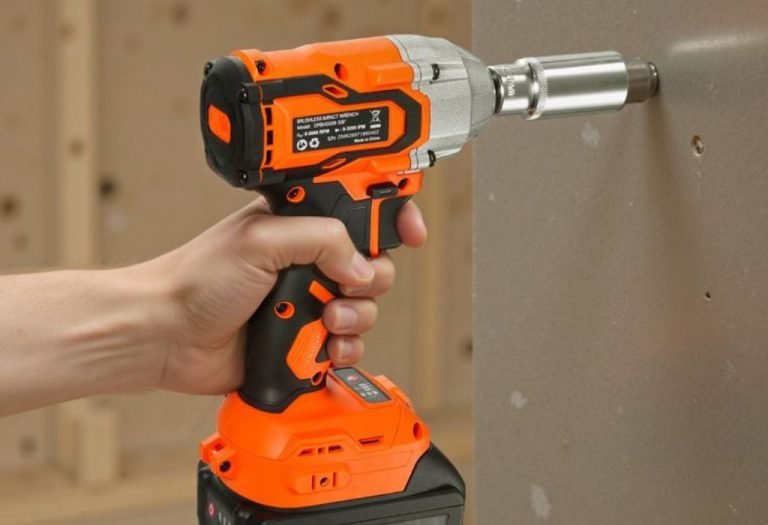
How Many Gallon Air Compressor for Impact Wrench
A mechanic leans over a stubborn lug nut, ready to remove it with an impact wrench.
The tool fires but stalls, leaving the bolt unchanged because the air compressor runs out of power too quickly.
This is a common problem for many users who choose the wrong compressor size.
Without the right tank capacity, even the best impact wrench cannot deliver consistent torque.
The question arises often: how many gallon air compressor for impact wrench is truly necessary.
The answer depends on the size of the wrench, its airflow demands, and the type of work being done.
Air tools rely on both PSI and CFM, but the tank size determines how long the tool can operate without interruption.
A compressor that is too small will cycle constantly, causing frustration and even shortening the life of the tool.
According to industry data, pneumatic impact wrenches remain among the most widely used tools in auto repair shops worldwide, with demand for reliable compressors continuing to grow (Statista).
Manufacturers like Ingersoll Rand recommend checking both gallon size and CFM before pairing a compressor with an impact wrench (Ingersoll Rand).
Choosing the correct compressor ensures jobs are completed faster, tools run longer, and energy is used efficiently. For DIY users, this means smoother tire changes and home projects. For professionals, it means consistent performance that meets customer expectations.
This guide explores the exact gallon sizes required for different impact wrenches, explains the balance between CFM and tank capacity, and reveals expert tips to avoid costly mistakes. By the end, every reader will know the perfect compressor size for their needs.
Understanding Impact Wrenches and Air Needs
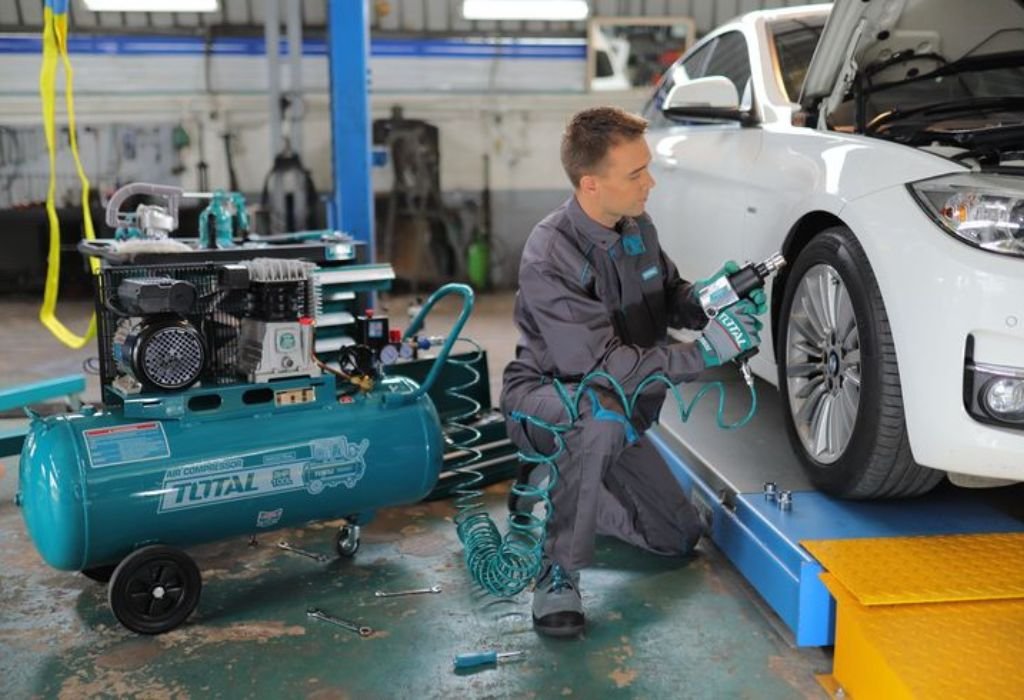
Impact wrenches are among the most powerful pneumatic tools found in garages and workshops. They use compressed air to deliver high torque through rapid hammering impacts, making them essential for removing bolts, lug nuts, and fasteners.
These tools demand a steady flow of compressed air to perform effectively. If the compressor is undersized, the wrench will lose power, stall, or fail to reach its rated torque output.
Air requirements are measured in CFM (cubic feet per minute) and PSI (pounds per square inch). While PSI provides the pressure, CFM shows the volume of air needed to keep the wrench working continuously.
The tank size, measured in gallons, acts as a reservoir. A larger tank ensures that air is available when needed, reducing the risk of pressure drops and frequent cycling.
What powers an impact wrench?
Compressed air delivers force to rotate and hammer the anvil inside the wrench.
Why does compressor size matter?
Too small a compressor cannot maintain airflow, causing weak or inconsistent torque.
Is CFM more important than gallons?
Yes, CFM determines sustained performance, but gallons act as backup storage.
Can a small compressor run an impact wrench?
Yes, for short bursts, but it will cycle quickly and limit efficiency.
Do cordless impact wrenches need a compressor?
No, only pneumatic models rely on compressed air for operation.
How Many Gallons Do You Really Need?
The correct tank size depends on the size of the impact wrench. Smaller wrenches use less air, while larger ones demand a steady and higher supply.
A 3/8″ impact wrench can run on small compressors with at least 6 gallons, though 20 gallons provides smoother performance. A 1/2″ impact wrench, the most common size, works best with 20–30 gallon compressors.
For heavier tools like 3/4″ wrenches, a 30–60 gallon compressor is necessary to maintain torque without interruption. At the top end, 1″ industrial impact wrenches demand at least 60–80 gallons or more.
What’s the minimum gallon size for a 3/8″ impact wrench?
6 gallons for light use, though 20 gallons is better.
How many gallons for a 1/2″ impact wrench?
At least 20–30 gallons to deliver consistent torque.
What about 3/4″ impact wrenches?
30–60 gallons for shop-grade performance.
How many gallons for a 1″ heavy-duty impact wrench?
60–80+ gallons are required for reliable use.
Does more gallons always mean better?
Yes for shops, but DIYers may not need oversized tanks.
CFM vs Gallons – Which Matters More?
While gallons determine how long the compressor can sustain air delivery, CFM is the most critical factor. CFM ensures the impact wrench receives the volume of air it needs.
A compressor with high CFM but a smaller tank can run short jobs efficiently. A large tank with low CFM, however, will quickly empty and fail to keep up with tool demand.
The best balance is a compressor with sufficient CFM and at least 20–30 gallons of capacity. This ensures steady pressure and consistent wrench performance.
What is CFM?
Cubic feet per minute, the airflow rate needed to power pneumatic tools.
Can a high-CFM compressor with small gallons work?
Yes, but only for short bursts before cycling.
Why do gallons help?
They provide a storage buffer for continuous tool use.
What’s the ideal balance for impact wrenches?
At least 4–6 CFM at 90 PSI with a 20+ gallon tank.
Does PSI matter?
Yes, most impact wrenches require 90 PSI minimum.
Best Air Compressor Sizes by Use Case
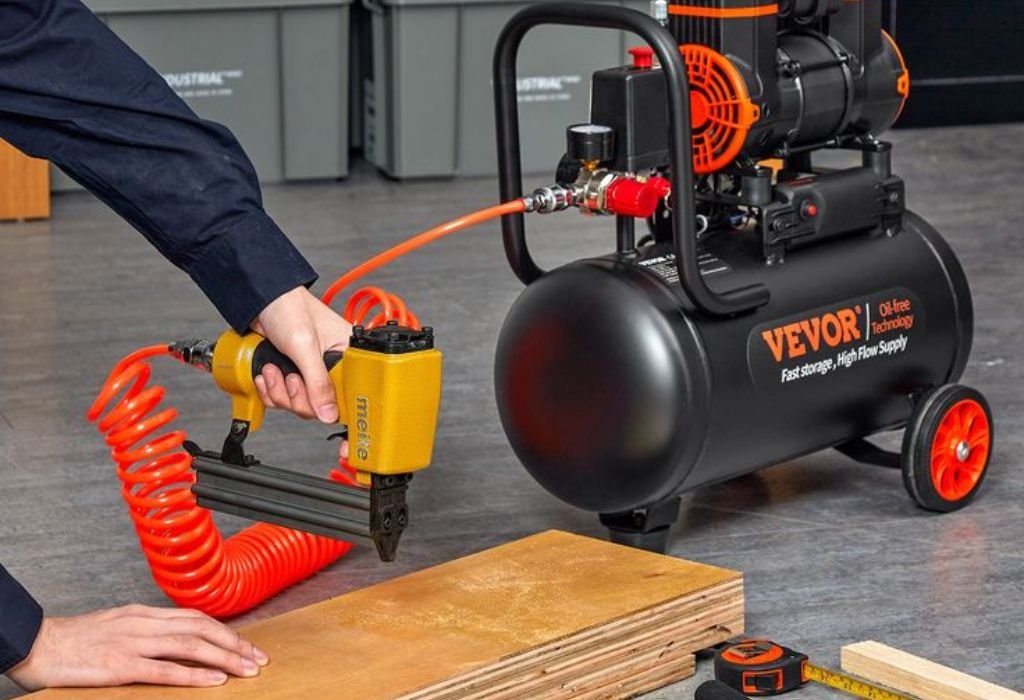
Air compressor size needs vary between DIY hobbyists and full repair shops. Tank size directly affects convenience and workflow.
For DIY projects and tire changes, a 20–30 gallon compressor is sufficient. Small auto shops often need 30–60 gallons to support multiple tools.
Heavy-duty fleet maintenance or industrial users should invest in 60–80+ gallon compressors to ensure uninterrupted power. Portable compressors can handle short tasks but are not suited for continuous wrenching.
What size for home DIY and tire changes?
20–30 gallons.
What size for small auto repair shops?
30–60 gallons.
What size for heavy-duty fleets?
60–80+ gallons.
Can portable compressors power impact wrenches?
Yes, but only for short and light tasks.
Is a 6-gallon pancake compressor enough?
Only for very occasional small jobs.
Oil vs Oil-Free Compressors – Which Is Better?
Air compressors are available in oil-lubricated and oil-free versions. Each has advantages depending on the user’s needs.
Oil-lubricated compressors last longer and handle heavy use well. They are quieter and better suited for shops.
Oil-free compressors require less maintenance, are lighter, and suit DIY or occasional users. They are, however, noisier and less durable for continuous work.
Which lasts longer?
Oil-lubricated compressors.
Which is easier to maintain?
Oil-free compressors.
Are oil compressors quieter?
Yes, they typically produce less noise.
Do oil-free units suit DIYers?
Yes, for light use and portability.
Which is better for shops?
Oil-lubricated compressors for durability.
Factors That Affect Air Compressor Performance
Air compressor effectiveness depends on more than just gallons or CFM. Several other factors influence performance.
Hose length and diameter directly affect airflow. Longer or narrower hoses restrict air supply and reduce tool efficiency.
Duty cycle also matters, especially for professional use. Compressors with higher duty cycles can run tools longer without overheating.
Does hose length matter?
Yes, longer hoses reduce air pressure at the tool.
Does hose diameter matter?
Yes, larger diameters maintain airflow better.
How does duty cycle affect use?
Higher duty cycles ensure continuous tool performance.
Do multiple tools change requirements?
Yes, bigger compressors are needed when multiple tools run at once.
Does voltage/power supply matter?
Yes, large compressors often require 220V.
Common Mistakes to Avoid
Many users buy compressors without considering all performance factors. This leads to inefficiency and wasted money.
The most common mistake is buying a compressor that is too small. Others include focusing only on PSI instead of CFM, ignoring duty cycle, and using the wrong hose setup.
Skipping maintenance is another frequent error. Dirty filters and worn parts reduce airflow and compromise performance.
Is buying too small common?
Yes, it leads to tool stalling and frustration.
Is overestimating PSI a mistake?
Yes, CFM is more important.
Do people ignore duty cycle?
Yes, it determines how long tools can run.
Is skipping maintenance dangerous?
Yes, it reduces airflow and risks tool failure.
Is using small portable tanks for shops a mistake?
Yes, they cannot keep up with demand.
Expert Recommendations – Best Compressor Sizes for Each Impact Wrench
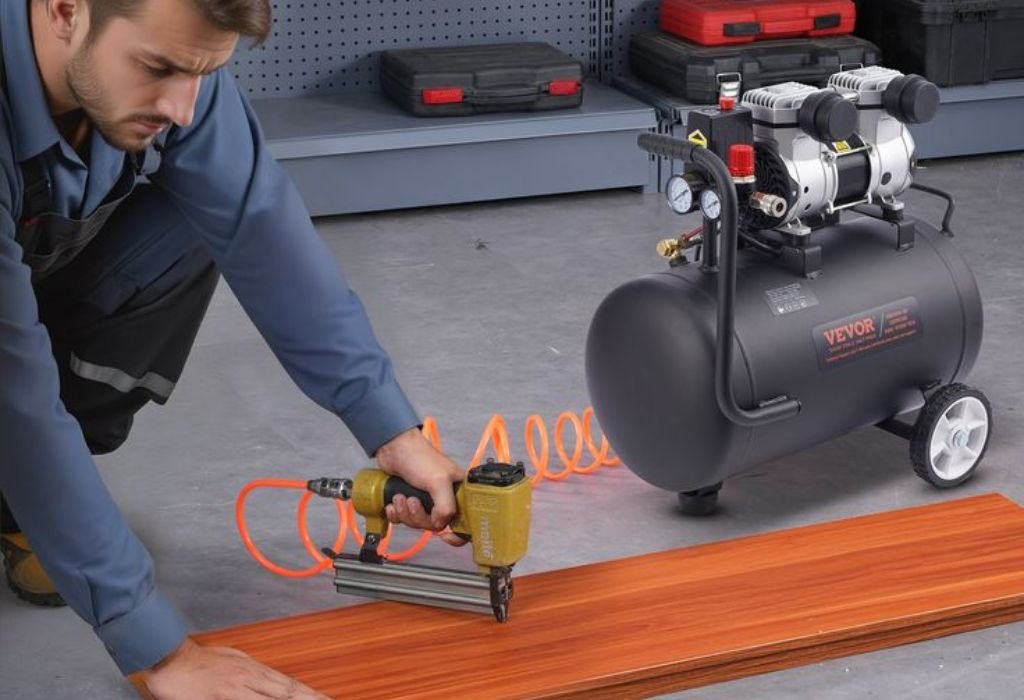
To simplify the choice, here are expert recommendations by tool size. Matching compressor gallon capacity to tool demand ensures smooth operation.
A 3/8″ wrench runs best on 6–20 gallons. A 1/2″ wrench requires 20–30 gallons. A 3/4″ wrench should be paired with 30–60 gallons. A 1″ wrench works only with 60–80+ gallon compressors.
For most users, a 30–60 gallon compressor offers the best balance between portability, performance, and cost.
Best for 3/8″ impact wrench?
6–20 gallons.
Best for 1/2″ impact wrench?
20–30 gallons.
Best for 3/4″ impact wrench?
30–60 gallons.
Best for 1″ wrench?
60–80+ gallons.
Best all-around size?
30–60 gallons.
Future of Air Compressors for Pneumatic Tools
The air compressor market continues to evolve. Modern designs are more efficient, quieter, and tailored to specific user needs.
Hybrid and smart compressors are entering the market. These offer higher CFM in smaller tanks, reducing bulk without sacrificing performance.
Cordless impact wrenches are growing in popularity, but air-powered models still dominate heavy-duty work where maximum torque is required.
Will cordless tools replace air?
Not fully, but adoption is growing.
Are hybrid compressors coming?
Yes, smaller high-efficiency models are emerging.
Will regulations affect compressors?
Yes, noise and energy standards are tightening.
Are quieter oil-free compressors trending?
Yes, especially for home garages.
Will air still dominate heavy-duty use?
Yes, pneumatic wrenches remain unmatched for torque.
Conclusion
So, how many gallon air compressor for impact wrench is ideal? The answer depends on tool size and workload.
For most DIYers, a 20–30 gallon compressor is sufficient. Small shops perform best with 30–60 gallons, while industrial users need 60–80+ gallons for heavy-duty wrenches.
Both CFM and gallons matter, but matching them to your wrench size ensures the best results. By choosing the right compressor, users enjoy faster jobs, better tool performance, and a frustration-free experience.

I’m Michael R. Turner, the founder, lead writer, and passionate DIY enthusiast behind 101diytools.com. With years of hands-on experience in home improvement and power tools, I built this platform to share practical tips, in-depth guides, and honest reviews to help DIYers of all skill levels tackle projects with confidence and the right tools.