How Many Decibels Is a Power Sander? Noise Fac
The sharp whir of a power sander cutting across wood can be oddly satisfying until the noise starts to sting the ears. For many DIY enthusiasts and professionals alike, the question arises only after hours of sanding — how many decibels is a power sander and is it safe to use without hearing protection?
Unlike quieter hand tools, electric sanders generate high-frequency vibrations that quickly translate into loud, continuous noise. The result is a working environment that can easily exceed safe listening limits before the operator even notices. Research from OSHA shows that long-term exposure to noise above 85 decibels can cause permanent hearing loss.
The average power sander often reaches 90–95 dB(A) when running under load, roughly as loud as a motorcycle engine or a passing subway train. In small workshops or garages where sound bounces off hard surfaces, that level can climb even higher. Over time, this exposure doesn’t just cause discomfort — it can reduce concentration, increase fatigue, and impair overall safety during woodworking or metal finishing tasks.
Understanding how loud a sander really is helps prevent both short-term and long-term hearing damage. It also guides users toward choosing quieter models, adding sound insulation, or wearing proper hearing protection. This article explains in detail how many decibels a power sander produces, what affects that noise level, and how to work safely without sacrificing performance.
What Decibels and Noise Levels Mean for Power Tools
Decibels (dB) measure how loud a sound is on a logarithmic scale. This means every increase of 10 dB represents a sound roughly twice as loud to the human ear.
In power tools, even small increases in decibel ratings make a big difference in how long you can work safely without damaging your hearing. The higher the dB, the shorter the safe exposure time.
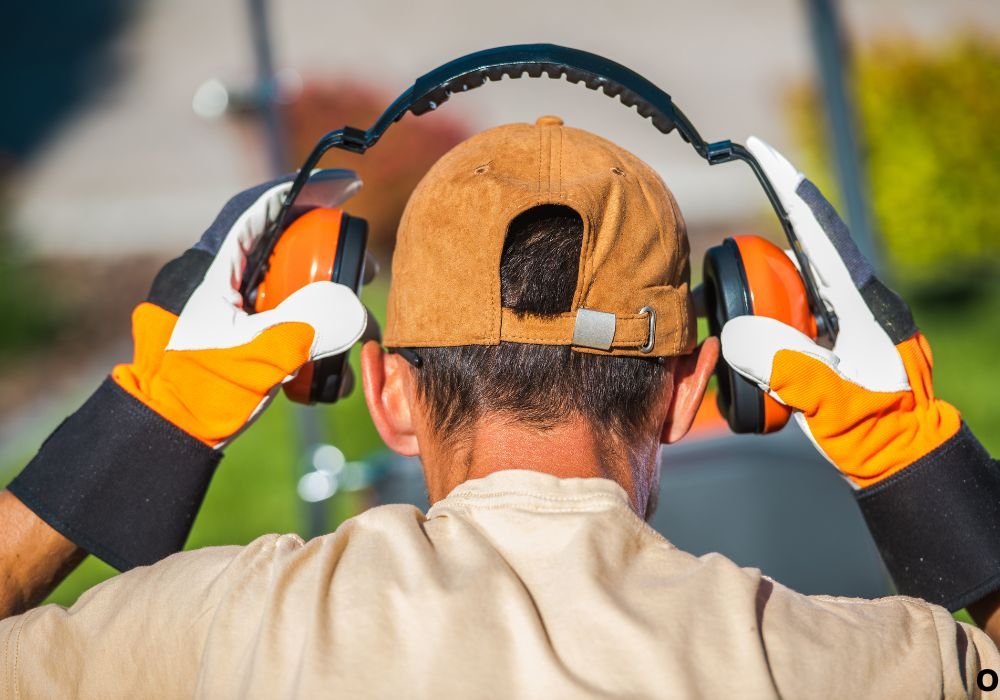
Most occupational safety standards classify 85 dB as the threshold where hearing protection becomes mandatory for long-term use. Since many sanders exceed this, the risk grows the longer they run in enclosed spaces.
What does the term “decibel” mean in power tool measurements?
It’s a unit that measures sound pressure; every increase of 10 dB means the sound is twice as loud.
What dB level is considered safe for 8-hour work?
Around 85 dB(A) is the maximum safe limit before hearing protection is needed.
Why do sanders often sound louder than manufacturer ratings?
Because testing is done under ideal lab conditions, while real use involves load, vibration, and reflected noise.
How much louder is a 95 dB sander than an 85 dB one?
It sounds roughly twice as loud and cuts safe exposure time by more than half.
Which decibel scale is used for tools?
The A-weighted scale, shown as dB(A), best represents the frequencies humans hear most.
Typical Decibel Levels for Power Sanders
Different types of sanders produce different amounts of noise. A belt sander tends to be the loudest due to its powerful motor and high surface friction, while random orbital and palm sanders are slightly quieter.
Most small hand-held sanders operate between 85 and 95 dB(A), but older or poorly maintained models can exceed 100 dB in operation. Even a short sanding session at that level can strain the ears.
What is the average decibel level of a belt sander?
Typically around 90 dB(A) to 95 dB(A), depending on size and workload.
How loud is a random orbital sander?
Usually about 88 dB(A) to 91 dB(A), quieter but still above safe exposure limits.
Are noise levels consistent across all brands?
No, the noise output depends on motor quality, vibration control, and tool housing design.
Does tool condition affect decibel level?
Yes, worn bearings, unbalanced pads, and dull sandpaper increase vibration and noise.
Are these levels dangerous for hearing?
Yes, prolonged exposure without hearing protection can lead to gradual hearing loss.
Safety and Hearing Protection When Using a Power Sander
Prolonged exposure to high-decibel sanding noise damages the sensitive hairs inside the ear responsible for hearing. Once destroyed, these cells do not regenerate.
At 90 dB(A), safe exposure without protection is limited to roughly two hours per day. Beyond that, the risk of permanent hearing damage increases sharply.
At what level should hearing protection be worn?
Always wear it when noise exceeds 85 dB(A) or during extended sanding sessions.
How does noise level affect exposure time?
Every 3 dB increase above 85 dB halves the safe exposure duration.
What type of hearing protection is best for sanding?
High-quality earplugs or earmuffs rated for 25–30 dB noise reduction work well.
Can quieter sanders reduce risk?
Yes, choosing models with built-in vibration damping or lower decibel ratings reduces exposure significantly.
Should bystanders or coworkers use protection too?
Yes, noise spreads easily, and anyone nearby can exceed safe exposure limits.
How to Reduce Noise When Using a Power Sander
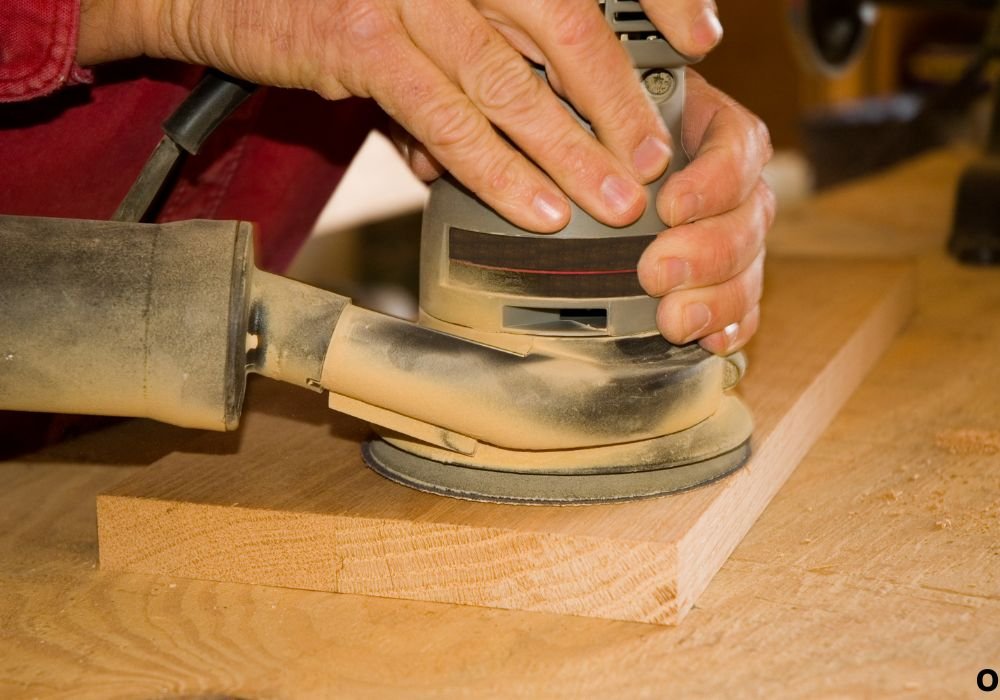
Reducing noise doesn’t always mean buying a new tool. Simple adjustments and maintenance steps can cut decibel levels noticeably.
Keeping sanding pads balanced, replacing worn bearings, and using dust collection systems reduce vibration and excess sound. Working on stable surfaces and using sound-absorbing mats or barriers also minimizes noise reflection.
What maintenance steps help reduce sander noise?
Lubricate bearings, replace worn parts, and ensure the pad or belt tracks smoothly.
How does the work material affect noise?
Hard or rough materials increase friction, making the sander louder than on softer surfaces.
Can better sanding pads help?
Yes, quality pads with vibration isolation lower both vibration and sound intensity.
Does workspace design impact noise?
Absolutely — concrete walls and floors reflect sound, while rubber mats and insulation reduce echo.
Should noise control include work timing?
Yes, limiting sanding sessions and taking breaks helps reduce cumulative exposure.
Common Mistakes and How to Avoid Them
Ignoring noise ratings is one of the most common workshop mistakes. Many users underestimate just how loud a sander can be until hearing fatigue sets in.
Other mistakes include skipping hearing protection, using damaged sanding pads, and neglecting regular maintenance that would reduce unnecessary vibration.
Why shouldn’t noise be ignored during short tasks?
Even brief exposure to 95 dB can add up throughout the day, causing cumulative hearing stress.
What happens if the dust port is blocked?
Restricted airflow increases motor strain and raises noise output by several decibels.
Does dirty sandpaper affect sound level?
Yes, clogged paper causes more friction, forcing the motor to work harder and louder.
Why is hearing protection sometimes skipped?
Many underestimate the actual decibel output of small tools, assuming “it’s not that loud.”
How can this habit be changed?
Use a decibel meter app to monitor noise and always keep ear protection within easy reach.
Conclusion
So, how many decibels is a power sander? Most produce between 85 and 95 dB(A) — levels high enough to cause hearing damage without protection.
Knowing these numbers helps you make safer choices in the workshop. Using hearing protection, maintaining your tools, and keeping your workspace sound-friendly can all significantly reduce risk.
Clean, well-maintained sanders not only last longer but also run quieter and smoother. Treating noise as a safety hazard, not a background nuisance, ensures you keep both your hearing and your projects in top condition for years to come.

I’m Michael R. Turner, the founder, lead writer, and passionate DIY enthusiast behind 101diytools.com. With years of hands-on experience in home improvement and power tools, I built this platform to share practical tips, in-depth guides, and honest reviews to help DIYers of all skill levels tackle projects with confidence and the right tools.