How Many Amps Does a Circular Saw Use Efficiently
The day starts with a simple task. You plug in your circular saw, ready to cut through a few wooden boards, but suddenly the lights flicker, and the breaker trips. You pause for a moment, confused about what went wrong. Was the tool defective, or did it draw too much power?
This small event sparks a common question that almost every DIYer or professional faces — how many amps does a circular saw actually use? Understanding this number is more than a technical detail; it’s the difference between smooth performance and constant frustration.
Many people buy saws based on brand or price without realizing how crucial amp ratings are. The amp rating determines how much electrical current the motor consumes to deliver cutting power. Too low, and the saw struggles. Too high, and your home circuit might not handle the load.
Imagine cutting a thick hardwood plank with a low-amp saw. The motor strains, the blade slows, and the smell of burning wood fills the air. A higher-amp saw, on the other hand, slices through easily, maintaining speed and precision. That difference comes down to one simple number.
In woodworking and construction, power consistency matters more than anything. Professionals depend on high-amp saws to keep up with demanding jobs, while casual users benefit from understanding how much power their home circuits can safely provide.
According to tool industry data, the majority of corded circular saws on the market range between 7 and 15 amps. Each amp range fits different user needs and cutting intensities. Knowing where you fit in that range helps you choose smarter and work safer.
This guide will explain what amps really mean, how they affect saw performance, and how to pick the right rating for your projects. Whether you’re using a lightweight model for home repairs or a heavy-duty saw for daily use, understanding amp usage keeps your work efficient and safe.
By the end, you’ll know exactly how much current your saw uses, why it matters, and how to prevent overloading your circuits again.
What Does Amp Rating Mean in a Circular Saw
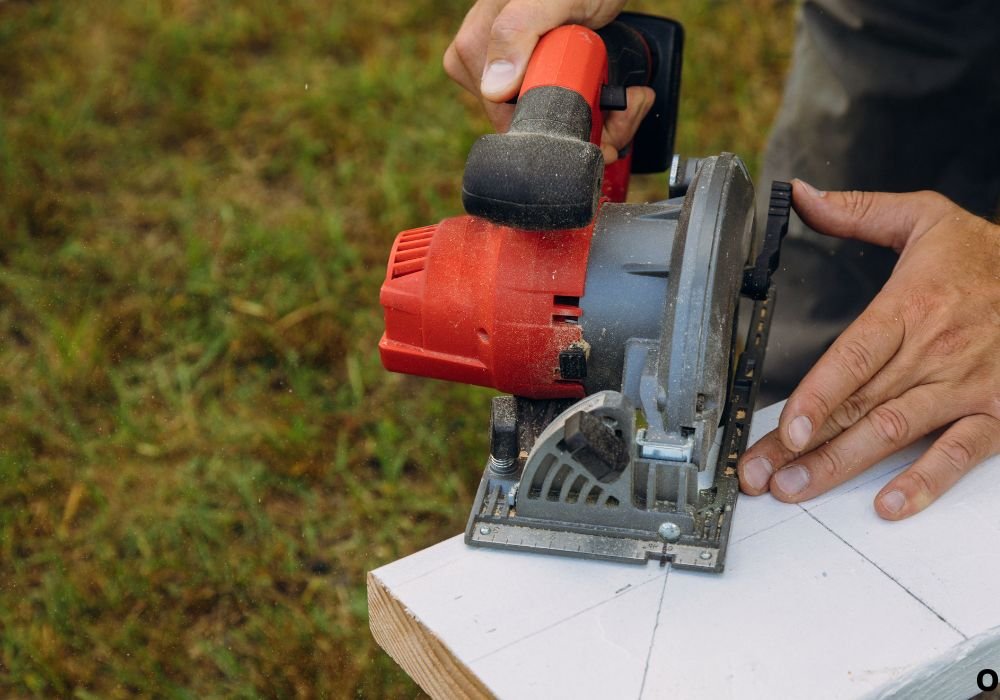
Amps measure the flow of electric current that powers a tool’s motor. In simple terms, the higher the amp rating, the more electrical energy your saw consumes and the more cutting strength it can deliver. A saw with 15 amps draws more electricity and produces greater torque than one rated for 10 amps.
Understanding this number helps you balance efficiency and safety. Every household circuit has a maximum load it can handle, usually 15 or 20 amps. Running a high-powered saw on a low-capacity circuit can trip breakers or even damage wiring.
The amp rating works together with voltage to determine wattage — the total power the motor uses. The formula is simple: Watts = Volts × Amps. A standard 120-volt outlet and a 15-amp saw use about 1800 watts at full power.
Tool manufacturers often display the amp rating on the label to indicate maximum current draw. This number doesn’t mean the saw always uses that much current, but it shows the upper limit when cutting dense materials or under heavy load.
Lower-amp saws, like 7 or 8 amps, are perfect for light-duty cutting. They consume less power and fit smaller projects. Higher-amp models deliver more strength, ideal for continuous cuts through thick or hard lumber.
It’s also important to distinguish amps from RPM (revolutions per minute). RPM measures speed, while amps measure power capacity. A high-speed saw with low amps may spin fast but stall easily under resistance.
In short, the amp rating acts as your saw’s energy backbone. It determines how effectively the motor handles work pressure and how compatible it is with your electrical setup.
Average Amp Usage in Circular Saws
Most circular saws designed for general woodworking fall between 7 and 15 amps. Entry-level corded saws usually start at 7.5 amps, while professional-grade models push the limit at 15 amps. The higher the amp rating, the more capable the saw is at tackling tougher materials.
A 7-amp saw is ideal for simple household repairs or hobby projects. It’s lightweight, energy-efficient, and works perfectly on thin plywood or softwood. However, it may struggle when cutting through thick hardwood or dense lumber.
A 10-amp saw strikes a good balance between efficiency and power. It’s suitable for moderate tasks like cutting framing boards or deck planks. Most homeowners find this level perfect for DIY carpentry.
Professional carpenters often rely on 13–15 amp saws for job sites. These models provide enough torque to handle long, deep cuts in demanding materials without slowing down.
Brand examples make the range clearer. The DeWalt DWE575, one of the most popular models, runs at 15 amps and delivers 5200 RPM. The Makita 5007F also uses 15 amps for continuous power in construction environments. Meanwhile, Skil offers affordable 7.2-amp models designed for occasional use.
Even within the same brand, price and performance rise with amp ratings. That’s because higher-amp motors require stronger components and more durable housings to handle the energy load.
Knowing these average ranges helps you identify which class of saw fits your budget and your workload best.
How Amps Affect Cutting Performance
Amps directly affect how smoothly and powerfully a saw cuts through materials. A higher amp rating means the motor can draw more energy, maintaining blade speed even under resistance. When cutting thick wood, that steady speed prevents stalling and burning.
In contrast, a lower-amp saw might slow down as it meets resistance. The blade can bind or scorch the surface, leading to rough, uneven cuts. This difference becomes obvious when switching from soft pine to oak or maple.
Higher amps also mean the saw can maintain torque during continuous cutting. The motor stays cooler and delivers consistent performance without straining. For professionals, that reliability is worth the extra cost.
However, more amps don’t always mean better results for everyone. For light users, extra power only increases energy consumption and tool weight.
Blade quality influences power demand too. A dull or cheap blade forces the motor to work harder, drawing more amps. Using sharp, high-quality blades ensures efficient power use.
The type of material also changes amp draw. Softer woods require less current, while dense materials like hardwood or metal can push the saw close to its maximum rating.
Finally, saw design matters. Efficient brushless motors use power more effectively, delivering the same output with fewer amps. Understanding these factors helps you match amp ratings to your project type for the best results.
Corded vs. Cordless Circular Saws: Amp Differences
Corded saws list their power ratings in amps because they draw electricity directly from an outlet. Cordless saws, however, use batteries and measure energy in volts and amp-hours (Ah). While the two systems differ, both represent how much energy the saw consumes.
A typical corded circular saw ranges from 10 to 15 amps, depending on its purpose. Cordless saws use 18V to 60V battery systems, and their performance equals roughly a 10–12 amp corded saw when fully charged.
Cordless tools provide freedom from cords but rely heavily on battery quality. As voltage increases, so does cutting strength, but batteries become heavier and more expensive.
Brushless motors help close the gap by improving efficiency. They draw less current and last longer, giving cordless saws nearly the same power as mid-range corded models.
If you often work outdoors or move between sites, cordless saws justify their higher cost. But if you work mainly in one place with power access, a corded 15-amp saw delivers stronger, uninterrupted performance.
Understanding this comparison helps you pick the right format based on convenience versus continuous power.
Power Supply Requirements and Circuit Safety
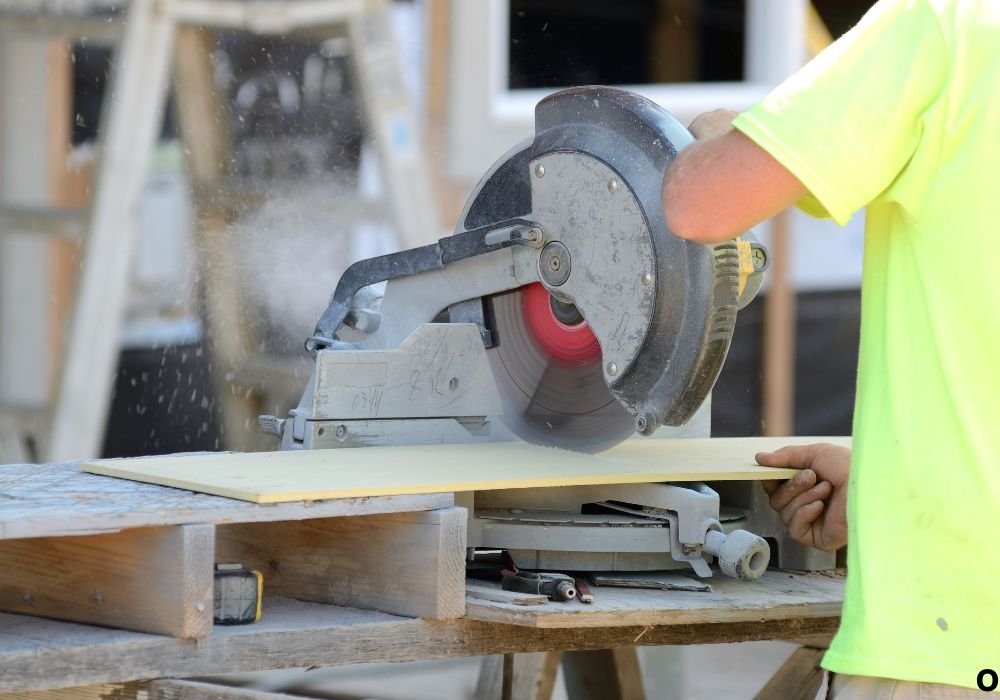
Using a circular saw safely depends on matching its power needs with your electrical circuit. Most home outlets are rated for 15 amps, which means a 15-amp saw already operates near the circuit limit. Plugging in other devices on the same line can cause tripping.
If your saw trips breakers often, it’s likely drawing more power than the circuit can handle. Moving it to a dedicated 20-amp outlet prevents interruptions and overheating.
Extension cords also affect performance. Long or thin cords restrict current flow, forcing the motor to pull harder and heat up. Always use heavy-duty cords rated for the saw’s amp capacity.
Before each use, inspect the cord for damage or fraying. Poor wiring increases resistance, wastes power, and raises the risk of short circuits.
Grounded outlets are essential for safety. They reduce shock risk and help maintain consistent power flow to the motor.
Following these steps keeps both your saw and your home’s electrical system safe from overload.
How to Choose the Right Amp Rating for Your Projects
Choosing the correct amp rating depends on what you cut most often. For occasional household use, a 7 to 10 amp saw is plenty. It handles plywood, softwood, and light carpentry tasks without stressing your circuits.
If you frequently build furniture or work with dense wood, consider 12 to 15 amps. These models deliver more torque for deep, clean cuts and professional reliability.
Think about duration too. Short, quick cuts need less power, while long runs benefit from stronger motors. Overpowering isn’t dangerous, but underpowering leads to poor performance.
Also consider comfort. Higher-amp saws weigh more because of larger motors. If you work for long hours, a slightly lower-amp model may reduce fatigue.
Ultimately, the right amp rating balances efficiency, comfort, and performance. Knowing your material and workload ensures you choose a saw that fits your exact needs.
Common Mistakes When Comparing Amp Ratings
A common mistake is assuming amps are the only measure of power. In reality, motor efficiency, blade sharpness, and design quality all matter just as much.
Another misconception is that higher amps always mean faster cuts. Without a quality blade and proper technique, even a 15-amp saw can produce rough results.
Marketing can also mislead buyers. Some brands highlight peak amps instead of continuous load capacity. Always read specifications carefully and compare sustained power, not short bursts.
Ignoring circuit limits is another error. Plugging a high-amp saw into an overloaded outlet can cause electrical damage. Understanding these details prevents accidents and wasted money.
Signs Your Circular Saw Isn’t Getting Enough Power
A saw that struggles to maintain speed or stalls mid-cut often lacks sufficient power. This can happen from low amps, faulty wiring, or a weak circuit.
If the blade slows down or emits a burning smell, stop immediately. Overheating signals that the motor is drawing excess current and may burn out.
Frequent breaker trips indicate a mismatch between the saw’s amp rating and the outlet’s capacity. Move to a dedicated circuit or higher-rated plug.
Other warning signs include fluctuating RPM, inconsistent sound, or visible sparks. These issues suggest electrical problems that need checking before further use.
Using a clamp meter helps measure real-time amp draw. If it exceeds the saw’s label, there’s likely a circuit or mechanical issue.
FAQ – Common Questions About Circular Saw Amps
How many amps does a standard circular saw draw?
Most standard circular saws use between 10 and 15 amps depending on size and design.
Is 15 amps too much for a home outlet?
No, but it’s the maximum for most circuits. Use a dedicated outlet to avoid tripping.
Can a low-amp saw cut hardwood?
It can, but slower and with more effort. A higher-amp model is better for dense materials.
Do cordless saws have amp ratings too?
They use volts and amp-hours instead, which determine how long and how powerfully they run.
Why does my saw trip the breaker?
It draws more current than the circuit can handle, often due to shared power or long cords.
Conclusion
Amp rating defines how much power your circular saw uses and how effectively it performs. A good understanding of this number helps you choose the right tool, avoid electrical problems, and achieve clean, efficient cuts.
For most DIY users, a 10-amp saw provides the perfect mix of power and control. Professionals handling tougher materials will benefit from a 15-amp model that endures heavy workloads.
Balancing performance, safety, and comfort ensures your saw runs smoothly every time. By matching the right amp rating to your project, you cut faster, safer, and more confidently — without ever tripping a breaker again.
ChatGPT can make

I’m Michael R. Turner, the founder, lead writer, and passionate DIY enthusiast behind 101diytools.com. With years of hands-on experience in home improvement and power tools, I built this platform to share practical tips, in-depth guides, and honest reviews to help DIYers of all skill levels tackle projects with confidence and the right tools.