How Long Should a Circular Saw Blade Last Before Replacing
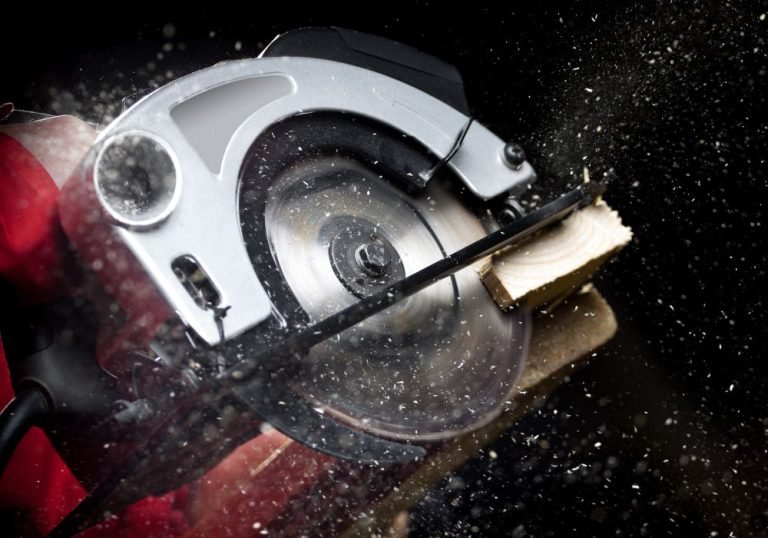
You’re halfway through cutting a sheet of plywood when your circular saw starts slowing down. The blade makes a harsh whining noise, smoke rises from the cut, and the wood smells burnt. You stop and wonder — is it the motor or the blade?
Every carpenter, DIYer, and craftsman has faced this moment. Circular saw blades don’t last forever, but their lifespan isn’t fixed either. It depends on what you cut, how often you use it, and how you maintain it.
A well-maintained carbide-tipped blade can last for months, while a neglected steel blade can dull in a single day. The difference lies in understanding the signs of wear and learning how to extend the life of your blade.
In this guide, you’ll learn how long a circular saw blade really lasts, what affects its durability, and when it’s time for a replacement. You’ll also discover simple maintenance tricks professionals use to double their blade lifespan.
Whether you’re a beginner or an experienced woodworker, these insights will help you cut cleaner, safer, and smarter. Let’s find out exactly how long your circular saw blade should last — and how to make it last even longer.
Understanding Circular Saw Blade Lifespan
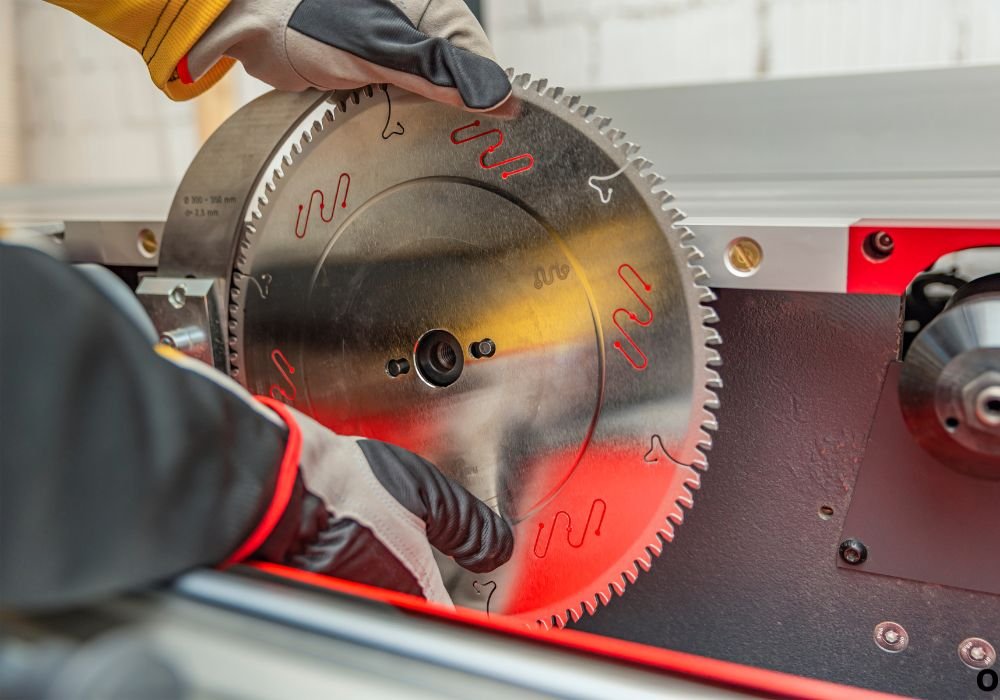
A circular saw blade’s lifespan depends on multiple variables rather than a set timeframe. There’s no universal answer because not all blades or users are the same.
A hobbyist who cuts occasionally may use the same blade for a year, while a contractor cutting daily might replace blades every few weeks. Frequency of use plays a huge role in determining wear.
Another factor is the material you cut. Soft pine causes minimal wear, but cutting dense hardwood, metal, or concrete drastically shortens the blade’s life.
Blade type also matters. Carbide-tipped blades typically last 10 to 20 times longer than standard steel blades. The hardness of carbide resists heat and friction much better.
Proper cleaning and cooling can add several hours of life to your blade. Dirt, pitch, and resin buildup reduce efficiency and increase heat, dulling edges faster.
Blade lifespan can range from 20 to 120 cutting hours depending on these conditions. Professionals often measure it in hours or number of linear feet cut.
Every blade has its limits, and understanding them helps avoid damaging both your saw and your material. Keeping track of how much you cut each week gives you a practical idea of when replacement is due.
Ultimately, the goal isn’t to make your blade last forever — it’s to maintain consistent performance and safety while maximizing value.
Factors That Affect How Long a Circular Saw Blade Lasts
The first factor is the blade material. High-speed steel blades are cheaper but dull quickly, while carbide-tipped versions can last months with proper care.
Carbide teeth are extremely durable and resist heat buildup, making them ideal for long-term woodworking. Steel blades, however, lose sharpness after repeated friction and vibration.
The type of material you cut influences wear the most. Hardwood, metal, and laminate generate more friction than softwood or MDF. Cutting abrasive materials like melamine or plywood reduces blade life significantly.
The speed and feed rate also matter. Forcing the saw through material too quickly overheats the blade and damages the cutting edge.
Heat is a silent killer for blades. Excessive heat softens the metal, dulling edges even before they appear worn.
Blade tooth count affects longevity too. Fine-tooth blades produce smoother cuts but dull faster, while coarse blades last longer but leave rougher finishes.
Resin buildup on teeth increases friction, which leads to overheating. Regular cleaning removes these residues and keeps blades sharper.
Storage conditions also impact blade life. Humidity can rust steel blades, and improper stacking can bend teeth.
Lastly, hitting nails, screws, or knots shortens the blade’s lifespan immediately. Even a single metal strike can destroy a tooth or unbalance the blade.
Treat your circular saw blade as a precision instrument, not just a tool — it’ll reward you with cleaner, longer-lasting performance.
Signs That Your Circular Saw Blade Needs Replacing
A dull blade rarely stops working suddenly — it shows several warning signs. Recognizing them early saves time, money, and frustration.
The most obvious sign is burn marks or smoke during cutting. Dull teeth create friction, burning the wood instead of slicing it cleanly.
You may also notice rough or splintered edges on your cuts. A sharp blade glides smoothly, while a dull one tears fibers unevenly.
If your saw starts vibrating or making loud noises, it could mean the blade is unbalanced or the teeth are uneven.
Another clear indicator is increased effort. If you need to push harder than usual, the blade is dull or clogged.
Look closely at the teeth — if they appear rounded or chipped, replacement is necessary. Sharp teeth have crisp, defined edges.
Sometimes, dull blades also produce fine sawdust instead of larger chips. This means the blade is scraping rather than cutting.
You might experience blade wobble, which makes the saw harder to control and less accurate.
Over time, your blade’s cut line may start wandering or burning on curves. That’s a strong signal that it has lost precision.
Replacing the blade as soon as these signs appear ensures safety and preserves your saw’s motor from overworking.
A well-timed replacement also keeps your projects looking professional and saves expensive materials from waste.
How to Measure Blade Wear and Sharpness
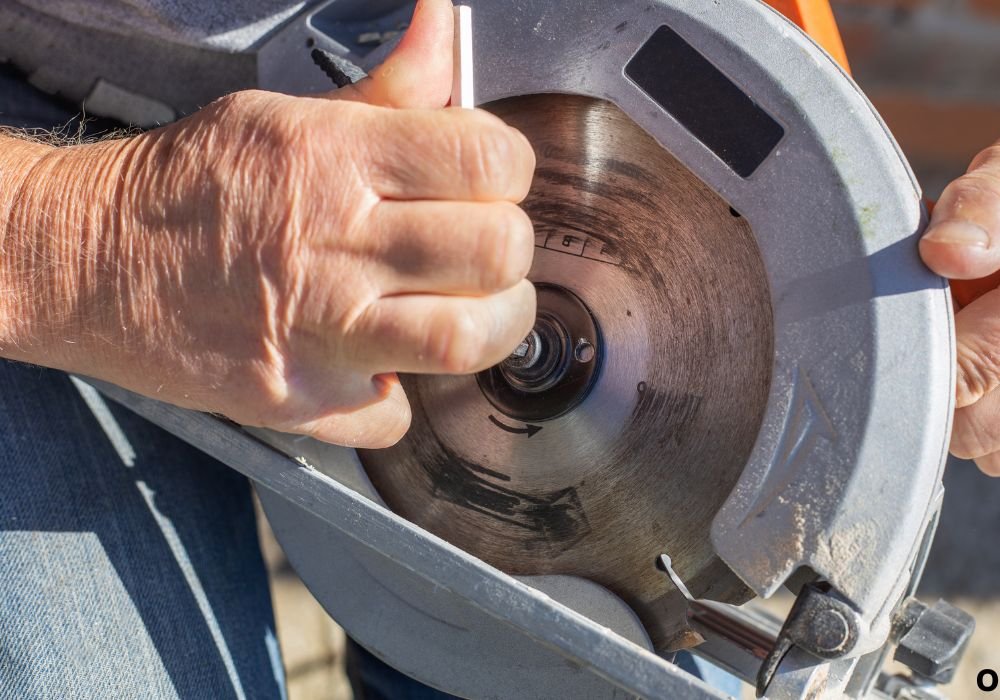
You don’t need professional tools to check blade sharpness — simple observation works well.
Start by examining the teeth closely under bright light. Sharp teeth reflect little light, while dull edges shine more due to rounding.
Use a magnifying glass to inspect carbide tips for chips or cracks. Even one broken tooth affects balance and cut smoothness.
Check for pitch buildup around the teeth. Sticky resin can mimic dullness by creating extra friction during cuts.
If the blade feels sluggish even after cleaning, it’s genuinely worn out.
Try cutting a scrap piece of wood and observe the edges. A sharp blade cuts cleanly and quietly; a dull one squeals and burns.
You can also test by running your fingernail gently along a tooth. A sharp edge will catch slightly; a dull one will slide smoothly.
If you notice inconsistencies in cut depth or roughness, some teeth may be unevenly worn.
Measuring sharpness is about combining visual cues with performance feel.
Some professionals log the number of hours or projects completed to predict wear more accurately.
Inspect your blade every few weeks to prevent dullness from sneaking up mid-project.
How to Extend the Life of Your Circular Saw Blade
Blade longevity depends heavily on care. Cleaning and correct usage can double or even triple its life span.
After each job, clean your blade with a mild degreaser to remove resin and dust. Built-up residue causes overheating and dulling.
Avoid cutting through nails, screws, or staples hidden in wood. Always inspect lumber before cutting.
Use the correct blade for the material — wood blades for wood, metal blades for steel, and masonry blades for concrete.
Match your saw’s RPM and feed rate to the blade type. Excessive speed can warp thin-kerf blades.
When not in use, store blades in a dry place with cardboard separators. This prevents teeth from chipping or rusting.
Never stack blades directly on top of each other. Even small contact points can bend or dull edges.
Lubricate occasionally with blade wax or silicone spray to reduce friction.
Avoid overheating by taking breaks during long cutting sessions. Continuous use raises temperature and shortens blade life.
Routine maintenance saves you money and ensures smooth, accurate cuts every time you use your saw.
Comparing Different Blade Materials and Their Lifespans
Circular saw blades come in several materials, each with its unique durability. The material directly affects lifespan and cost.
Steel blades are the most affordable but wear out the fastest. They typically last 20 to 40 cutting hours under light use.
High-speed steel (HSS) blades last slightly longer, offering 40 to 60 hours of efficient cutting. However, they’re still prone to dulling from heat.
Carbide-tipped blades dominate modern woodworking because of their durability. They can last from 80 to 120 hours or more with proper maintenance.
Diamond-edged blades are designed for cutting concrete, tile, or stone. Their lifespan can reach hundreds of hours depending on material hardness.
Abrasive blades used for metal cutting degrade quickly, often needing replacement after just a few heavy-duty sessions.
Each blade type suits different applications, so choosing correctly saves wear and ensures better results.
Carbide-tipped blades remain the best all-around option for most woodworkers.
They cost more upfront but deliver superior value over time.
When used carefully, a good carbide blade can handle multiple sharpening cycles before retirement.
Can You Sharpen a Circular Saw Blade?
Yes, most circular saw blades — especially carbide-tipped ones — can be sharpened several times.
Sharpening restores cutting efficiency and delays replacement costs.
You can use a diamond file, bench grinder, or specialized sharpening machine depending on your skill level.
For carbide blades, professional sharpening is recommended since they require precision grinding angles.
Sharpening costs less than half of buying a new blade and is eco-friendly.
However, not all blades are worth sharpening. Cheap steel blades often lose temper and won’t hold an edge long after sharpening.
Inspect the teeth before sharpening. If many are chipped or broken, replacement is a better option.
A well-maintained carbide blade can be sharpened three to five times before replacement.
Always ensure balance after sharpening — uneven teeth create vibration and unsafe operation.
Regular sharpening keeps your saw performing like new for months.
Safety and Performance Risks of Using a Dull Blade
Using a dull blade isn’t just inefficient — it’s dangerous. Dull edges require more force, increasing kickback risk.
A struggling saw motor also heats up, potentially damaging the bearings or electrical components.
Dull blades tear fibers instead of slicing them, causing jagged cuts and splinters.
Overheating dull blades can warp or crack under stress. This poses a serious safety hazard during operation.
You’ll also waste materials as burn marks or rough edges ruin workpieces.
Inconsistent depth control and wandering cuts make precision impossible.
Even with safety gear, a dull blade makes the saw harder to handle and control.
Replacing a blade at the right time is cheaper than repairing a burnt motor.
Always prioritize smooth, safe operation over stretching a blade’s lifespan.
A sharp blade is both safer and more satisfying to use.
How Professionals Track Blade Longevity
Professionals monitor their blades meticulously to avoid downtime on the job.
They log usage hours, type of materials cut, and total feet processed.
This helps predict when maintenance or replacement will be needed.
Some use permanent markers to label blades by project or usage duration.
Tracking ensures that each blade is used within its safe limits.
Carpenters often dedicate specific blades for clean cuts and others for rough work.
Contractors working daily usually rotate between two or three blades.
This rotation strategy balances wear evenly across their collection.
Regular inspection after each project prevents accidents and maintains consistent results.
By recording data, professionals get maximum value and dependability from their tools.
Eco-Friendly Disposal and Recycling of Old Saw Blades
Old saw blades shouldn’t end up in landfills. They’re mostly made of metal and can be recycled easily.
Many hardware stores or recycling centers accept dull blades for proper processing.
You can also donate them to local workshops or artists who repurpose them.
Some craftsmen turn old blades into custom knives, scrapers, or wall art.
Never throw blades directly into trash bins — they’re sharp and can injure waste handlers.
Wrap them securely in cardboard or tape before disposal.
Check if your manufacturer offers a recycling or trade-in program.
Recycling saves resources and reduces environmental impact.
It’s a responsible way to retire tools after long, productive use.
Turning old blades into creative projects gives them a second life while keeping your workspace safe.
Frequently Asked Questions
How often should I replace a circular saw blade?
Replace it when you notice burning, rough edges, or increased resistance — typically every few months for moderate use.
Can a dull blade damage my saw?
Yes, it forces the motor to work harder, increasing heat and reducing its lifespan.
How long does a carbide-tipped blade last?
With good care, between 80 and 120 hours of cutting time or several months for casual use.
Should I clean my saw blade regularly?
Yes, cleaning after every few projects removes resin and prevents heat buildup.
Is sharpening cheaper than replacing?
Usually yes — professional sharpening costs about half the price of a new blade.
How can I tell if my blade is dull or dirty?
If cleaning doesn’t restore smooth cutting, the teeth are dull and need sharpening or replacement.
Can cutting metal shorten a wood blade’s life?
Absolutely. It damages the teeth instantly and can ruin the blade completely.
What’s the safest way to dispose of old blades?
Recycle them or deliver to a metal recycler after wrapping securely in cardboard.
How can I make my blade last longer?
Use correct feed speed, clean regularly, and avoid contact with nails or hard objects.
Do expensive blades last longer?
Generally yes — high-quality carbide and balanced designs resist heat and dulling better.
Conclusion
The lifespan of a circular saw blade depends on its material, usage, and maintenance. Steel blades might last only a few projects, while carbide-tipped ones can endure hundreds of cuts.
Replacing your blade at the right time ensures both safety and precision. Pushing a dull blade too far risks your saw, your material, and even your hands.
By cleaning, storing, and using blades properly, you can double their performance life. Every careful step adds hours of sharp, efficient cutting.
For most users, a good blade should last between 20 to 120 hours of cutting — the difference lies entirely in care.
Think of your circular saw blade like a kitchen knife — sharper tools give better results, faster work, and fewer risks.
With practice, you’ll learn to sense exactly when it’s time for a change. Once you do, cutting wood will feel effortless, clean, and precise again.
Your projects deserve the best — and that begins with a sharp, well-maintained blade.

I’m Michael R. Turner, the founder, lead writer, and passionate DIY enthusiast behind 101diytools.com. With years of hands-on experience in home improvement and power tools, I built this platform to share practical tips, in-depth guides, and honest reviews to help DIYers of all skill levels tackle projects with confidence and the right tools.