How Long Should a Circular Saw Blade Really Last
You start cutting through a clean piece of wood and expect a smooth glide. But halfway through, your circular saw slows down, burns the surface, and leaves rough edges.
At first, it feels like the saw motor is dying, but in most cases, it’s not the tool — it’s the blade. Many DIYers overlook the fact that saw blades wear out quietly over time.
A new blade cuts like butter, but after several projects, you notice more smoke and effort. That’s your blade telling you it’s time for attention.
Every circular saw blade has a lifespan based on usage, material, and care. Ignoring it not only hurts performance but can also damage the saw itself.
Imagine working on a furniture project, pushing harder, hearing noise, and still getting poor results. That’s the cost of using a dull blade.
This guide will show you exactly how long circular saw blades last, what affects their lifespan, and how to extend it. You’ll learn when to sharpen, when to replace, and how to cut smartly to keep your tools efficient.
By the end, you’ll be able to judge your blade’s health like a pro and save both time and money on replacements.
What Determines the Lifespan of a Circular Saw Blade
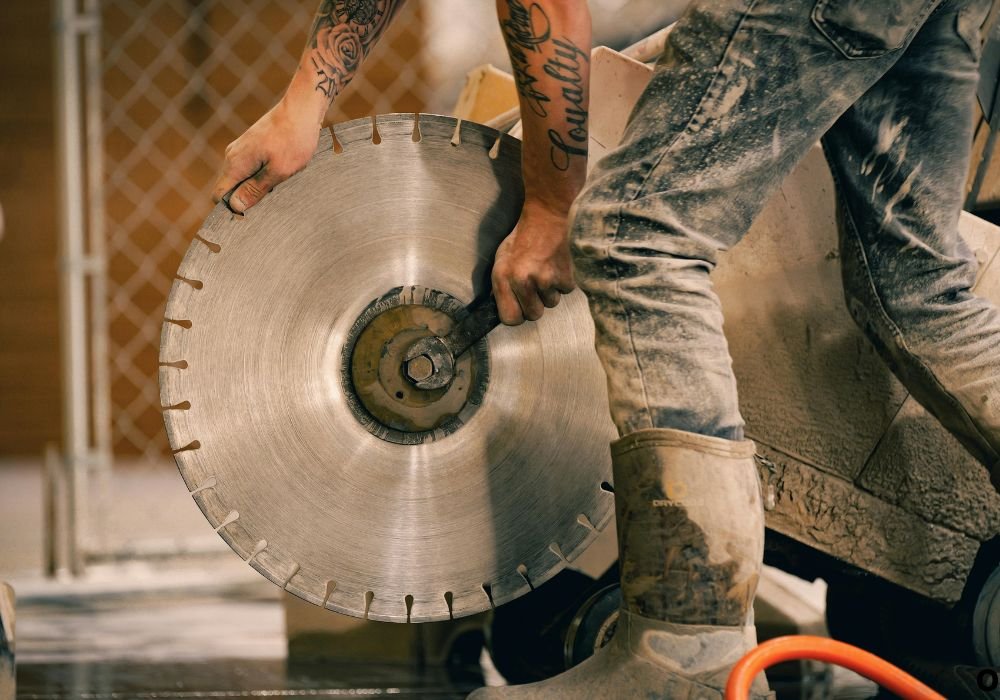
A circular saw blade’s lifespan depends on several critical factors. The first is the blade material — carbide-tipped blades last far longer than plain steel.
Carbide edges resist heat and maintain sharpness even after hours of cutting. Steel blades dull quickly because they lose hardness under heat.
The number of teeth also matters. More teeth mean smoother cuts but more heat per cut, so cooling and cleaning become essential.
Cutting harder materials like plywood or metal shortens life faster than soft pine or MDF. Each material stresses teeth differently.
Operator technique also plays a big role. Forcing the blade through the wood increases friction and dulls teeth prematurely.
Proper blade depth and feed rate ensure minimal strain and smooth rotation. Incorrect settings reduce the lifespan dramatically.
Dust buildup on teeth and body also increases wear by creating drag. Keeping blades clean makes a noticeable difference.
Lastly, environmental conditions such as humidity, dirt, and improper storage accelerate corrosion.
Every small detail in cutting and maintenance adds or subtracts hours from your blade’s useful life.
Average Lifespan Under Normal Use
So how long should a circular saw blade last under typical conditions? The answer varies by type, frequency, and cutting material.
A high-quality carbide-tipped blade can last between 120 to 150 hours of active cutting before noticeable dulling.
For a casual DIY user, that translates to several months or even a year of occasional use. Professionals who cut daily might wear one out in weeks.
Standard steel blades last only around 20 to 25 cutting hours, especially if used on hardwood or thick plywood.
When measured in cuts, a carbide blade can make 5,000–6,000 linear feet of wood before requiring sharpening.
If you notice smoke, resistance, or rough edges before that, it likely means dust buildup or heat damage.
Using the right feed speed and letting the blade cool between cuts extends its life significantly.
Remember, blade lifespan isn’t measured in days or months — it’s measured in cuts and care.
A well-maintained blade easily lasts twice as long as one that’s neglected or used incorrectly.
Signs Your Circular Saw Blade Is Dull or Worn Out
A worn blade doesn’t fail suddenly — it gives clear warnings long before it stops cutting properly.
If your saw leaves burn marks or smoke trails on wood, the teeth have lost sharpness.
When you push harder to make cuts that used to be effortless, it’s a strong sign of dull edges.
You may also hear a louder, higher-pitched noise when cutting. That extra friction means the blade is fighting the wood.
Another sign is rough or splintered edges where the blade exits the material. Sharp blades always leave smooth finishes.
If sawdust turns darker or feels powdery instead of flaky, the blade is grinding rather than slicing.
Visible chipped, missing, or rounded teeth mean the blade needs immediate replacement.
If your cuts begin wandering off the line even with a guide, the blade may be bent or unbalanced.
Vibration or wobbling during use is another serious indicator of a dull or damaged blade.
Ignoring these signs leads to unsafe operation, wasted energy, and poor craftsmanship.
Factors That Shorten Blade Life
Several habits can quietly destroy your circular saw blades faster than expected. The biggest culprit is overheating.
Cutting continuously without allowing the blade to cool builds up friction and damages the metal.
Cutting through dirty, resin-filled, or painted wood also clogs the teeth. That sticky buildup dulls blades quickly.
Accidentally hitting nails, screws, or staples in reclaimed wood chips or breaks the tips instantly.
Using the wrong blade type for a specific material also shortens lifespan. Wood blades on metal or laminate wear out within minutes.
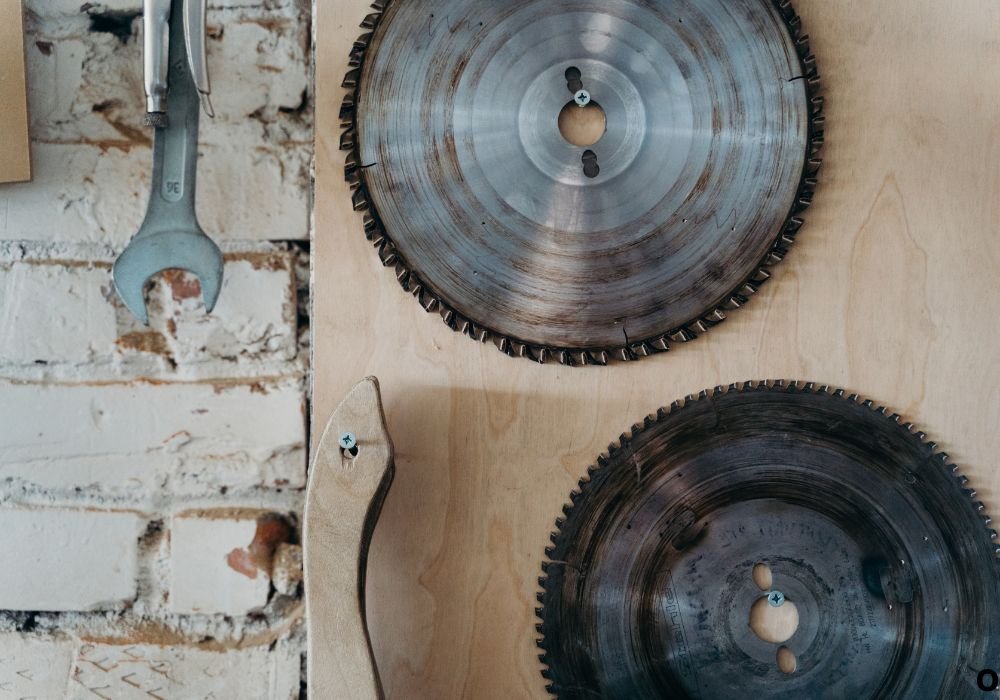
Improper storage in damp or humid environments leads to rust and corrosion. Even carbide blades can lose performance when oxidized.
Over-tightening the arbor nut stresses the blade center and can cause micro warping.
Running a dirty or unbalanced saw further accelerates uneven wear.
Skipping blade cleaning between projects allows dust and sap to harden on the teeth.
Each small mistake adds up — consistent care keeps blades sharp and reliable much longer.
Blade Maintenance Tips to Extend Lifespan
Maintaining your blade isn’t complicated — it just requires small, regular habits. Clean blades cut smoother, run cooler, and last far longer.
After each project, wipe the blade with a resin remover or mild cleaner. This removes pitch, glue, and sawdust that build heat.
Soak heavily gummed blades in a cleaner for 10 minutes, then scrub gently with a nylon brush.
Inspect each tooth for chips or flat spots under good lighting. Early detection prevents major failure later.
Use a proper blade storage rack or sleeve to avoid edge contact with other metal tools.
Always mount the blade securely, ensuring it’s centered and balanced before powering up.
If cutting daily, rotate between two blades to allow cooling and reduce stress.
Sharpen carbide-tipped blades every few months or after noticeable performance drops.
Avoid running a newly sharpened blade too aggressively — give it gentle use at first.
Regular care keeps your blades sharp, quiet, and efficient for hundreds of extra cuts.
Does Blade Material Affect Longevity?
Yes — material choice plays a huge role in how long your blade survives. Standard steel blades are the cheapest but wear out the fastest.
They’re great for rough carpentry but dull quickly under heat. Carbide-tipped blades, on the other hand, maintain sharpness for months of regular use.
Carbide teeth resist heat and abrasion better than plain metal. That’s why professionals rely on them for clean, precise cuts.
Diamond-tipped blades are used for cutting tile, stone, and masonry. They can last for years if used correctly.
High-speed steel (HSS) blades fall between steel and carbide in durability. They’re economical but not ideal for heavy workloads.
Composite or specialty-coated blades offer extended resistance to resin and corrosion.
Each material type has a trade-off between cost, sharpness retention, and cut quality.
If you cut daily, investing in carbide or diamond-tipped blades pays off over time.
For occasional weekend projects, mid-range blades provide plenty of value without overspending.
Choose based on your workload, not just price — longevity is an investment.
How Cutting Technique Influences Blade Wear
How you handle your saw determines how long the blade stays sharp. Technique often matters more than blade type.
Always let the saw reach full speed before touching the material. Starting too early causes tooth chipping.
Keep a steady, moderate feed rate throughout the cut — not too slow, not too fast.
Pushing too hard bends the blade slightly, increasing friction and wear.
Cutting at the wrong depth forces unnecessary resistance against more teeth.
For typical boards, set the blade depth about ¼ inch below the material surface.
Never twist the saw mid-cut or force a curve — circular saws are designed for straight lines only.
Let the saw’s weight guide the motion; avoid leaning heavily on the handle.
Stop between long cuts to allow the blade to cool naturally.
Smooth, patient operation doubles the lifespan of even a budget blade.
Can You Sharpen Circular Saw Blades?
Yes, you can sharpen circular saw blades, especially carbide-tipped models. A professional sharpening service can restore up to 90% of their original performance.
Carbide blades can usually be sharpened three to five times before replacement is necessary.
Each sharpening removes a small layer of carbide, so timing is key. Wait too long and cracks or chips become unrepairable.
Steel blades, however, dull too quickly to justify sharpening. It’s often cheaper to replace them entirely.
If you notice performance drop after sharpening, it might be due to unbalanced grinding.
Always use qualified services that specialize in woodworking blades.
DIY sharpening is possible but requires precision tools and experience.
Label your blades after sharpening to track usage cycles.
Properly sharpened blades reduce vibration, extend motor life, and produce clean, burn-free cuts.
A sharpening routine transforms one blade into a long-term workhorse.
Professional Care and Storage Tips
Proper storage protects your investment as much as maintenance does. Blades stored poorly lose sharpness faster even without use.
Always clean blades before storing to prevent resin hardening over time.
Store vertically on wall-mounted pegs or hangers to avoid bending. Laying flat stacks pressure unevenly across teeth.
Use blade sleeves, cardboard separators, or cloth between each blade. Metal-to-metal contact damages the edges.
Label each blade by type and material — wood, laminate, or metal — to prevent cross-use.
Keep storage areas dry and dust-free to prevent corrosion or rust.
Avoid exposure to direct sunlight or humidity for long periods.
If storing for months, lightly coat metal surfaces with oil for protection.
Regularly check stored blades for moisture or discoloration.
Organized storage ensures you always have ready-to-use, sharp blades on hand.
Cost vs Longevity – Is an Expensive Blade Worth It?
Many people wonder if premium blades justify the higher price. The short answer: absolutely, if you use them often.
A cheap steel blade may cost less upfront but requires replacement five times sooner.
A quality carbide blade, though pricier, stays sharper for thousands more cuts.
When you calculate cost per cut, the premium blade actually saves money.
Expensive blades also deliver smoother, quieter performance with less strain on the saw.
Fewer replacements mean fewer interruptions and better workflow.
They maintain accuracy longer, which matters for cabinetry and furniture projects.
Budget blades work fine for quick rough cuts, but not precision jobs.
Investing in quality tools often pays back in consistency and efficiency.
In woodworking, longevity equals value — not just lower price.
Safety Risks of Using a Dull Blade
A dull blade is more dangerous than a sharp one. When teeth lose edge, the blade grabs instead of slicing.
This grabbing increases the risk of kickback — a sudden, violent jerk of the saw toward you.
Dull blades also overheat, causing the metal to warp slightly. A warped blade vibrates dangerously during use.
Burned wood edges release smoke and odors from resin heating up. That’s both unpleasant and unsafe indoors.
More force is required to push through material, leading to fatigue and loss of control.
In extreme cases, chipped carbide teeth can fly off under stress.
Operating with a dull or damaged blade is never worth the risk.
Regular inspection before each cut protects both you and your saw.
A sharp blade isn’t just efficient — it’s your best safety measure.
Always replace a blade if you have any doubt about its integrity.
Real-World Examples and Usage Scenarios
A homeowner who uses a saw once a month might replace a carbide blade every two years. The same blade could last only three weeks for a full-time carpenter.
For rough framing work, blades wear faster due to nails and dirty lumber. Precision woodworkers cutting clean plywood can stretch lifespan easily.
Metal-cutting blades degrade much quicker because of high friction and temperature.
DIYers often push blades beyond safe limits simply because dullness develops gradually.
Cabinetmakers, on the other hand, rotate blades regularly to maintain precision.
Tile installers using diamond blades get several months of life when used with cooling water.
Each trade experiences blade wear differently depending on workload and care.
Tracking performance helps plan replacements and avoid mid-project interruptions.
No matter the profession, one rule applies universally — clean, cool, and sharp equals long life.
How to Choose the Right Replacement Blade
Choosing a replacement blade is about matching purpose and performance. Start by identifying what material you cut most often.
Use fine-tooth blades (60–80 teeth) for plywood, melamine, and laminate. Use coarse-tooth blades (24–40) for framing or ripping lumber.
Check the blade’s diameter and arbor size to ensure it fits your saw.
Blade labels show design types like ATB (Alternate Top Bevel) or TCG (Triple Chip Grind).
ATB blades are best for crosscuts, while TCG handles harder materials like MDF and laminate.
Select carbide-tipped options for long-term efficiency and cleaner finishes.
Look for anti-vibration slots or laser-cut expansion holes for smoother performance.
Avoid universal “one-type-for-all” blades; they rarely deliver optimal results.
Match your saw’s RPM rating with the blade’s maximum safe speed.
Buying the right blade means fewer replacements and consistently perfect results.
Pro Tips to Make Your Next Blade Last Longer
Never rush a cut — speed kills blade life faster than anything else. Maintain steady, moderate pressure throughout.Keep your saw and blades clean after every use. Dust buildup creates unnecessary friction.Use a lubricant spray or wax on the saw table to reduce drag.Alternate between two blades on big projects to allow cooling breaks.Always cut with the correct blade depth setting — shallow enough to minimize friction.Avoid cutting through nails or foreign objects hidden in wood.If the blade feels hot after cutting, let it cool naturally before storage.Inspect teeth regularly with a magnifier for small chips or dull edges.Follow a maintenance schedule instead of waiting for visible damage.Careful use ensures smoother cuts, longer lifespan, and safer operation every time.
Frequently Asked Questions
How long should a circular saw blade last on average?
Carbide blades last about 120–150 hours of cutting, while steel blades last 20–25 hours under normal use.
What shortens a saw blade’s lifespan the most?
Overheating, dirty materials, hitting nails, and poor storage are the main culprits.
Can you sharpen circular saw blades?
Yes, carbide-tipped blades can be sharpened three to five times before replacement.
Is it better to buy cheap blades or expensive ones?
Expensive blades cost more but last longer and provide smoother cuts, saving money long-term.
How do I know when to replace my blade?
When cuts feel rough, smoke appears, or you must push harder than usual, it’s time for replacement.
Does cutting metal or plastic damage wood blades?
Yes, using the wrong blade type drastically reduces lifespan and dulls teeth quickly.
Can I clean blades with household cleaners?
Yes, mild degreasers or dish soap work fine for removing resin and pitch buildup.
Is it dangerous to use a dull blade?
Absolutely — dull blades cause kickback, overheating, and unpredictable cutting behavior.
Do more teeth mean longer life?
Not necessarily. More teeth mean smoother cuts but more heat buildup if not managed.
What’s the best way to store saw blades?
Store them vertically in dry conditions with protective sleeves to prevent damage and rust.
Conclusion
Circular saw blades don’t have an exact expiration date — their life depends on material, care, and usage.
A good carbide blade can serve you through hundreds of projects if cleaned and cooled properly.
Pay attention to signs of dullness early, and you’ll save both effort and money.
Remember, replacing or sharpening at the right time keeps your cuts clean and safe.
Don’t push your tools beyond their limits — treat blades like the precision instruments they are.
Clean after every project, use the right depth, and let them rest between heavy cuts.
By maintaining these habits, you’ll enjoy smoother performance, longer life, and better results.
Your saw will thank you with quieter operation and cleaner edges every time you switch it on.

I’m Michael R. Turner, the founder, lead writer, and passionate DIY enthusiast behind 101diytools.com. With years of hands-on experience in home improvement and power tools, I built this platform to share practical tips, in-depth guides, and honest reviews to help DIYers of all skill levels tackle projects with confidence and the right tools.