How Long Can a Food Worker Wear Gloves Before Changing
The lunch rush begins in a crowded restaurant. Food workers move quickly, slicing vegetables, plating dishes, and preparing fresh salads.
Each hand is covered by a glove, giving customers a sense of safety and hygiene.
But gloves are not invincible. Many workers assume gloves can last for an entire shift, while others only replace them if they tear.
The truth is, gloves can spread bacteria just as easily as bare hands if they are not changed at the right time.
According to the Centers for Disease Control and Prevention, foodborne illnesses affect 48 million Americans each year (CDC).
Improper glove use, including wearing them too long, is a hidden factor in these outbreaks.
The FDA Food Code sets a clear guideline: no pair of gloves should be worn for longer than four hours during continuous use.
In reality, gloves often need replacing much sooner, especially when handling raw meat, switching tasks, or touching contaminated surfaces.
Understanding how long a food worker can wear gloves before changing is essential.
This guide explains the official rules, the science behind glove use, and the best practices that keep kitchens safe and customers healthy.
Quick Answer — How Long Can Gloves Be Worn?
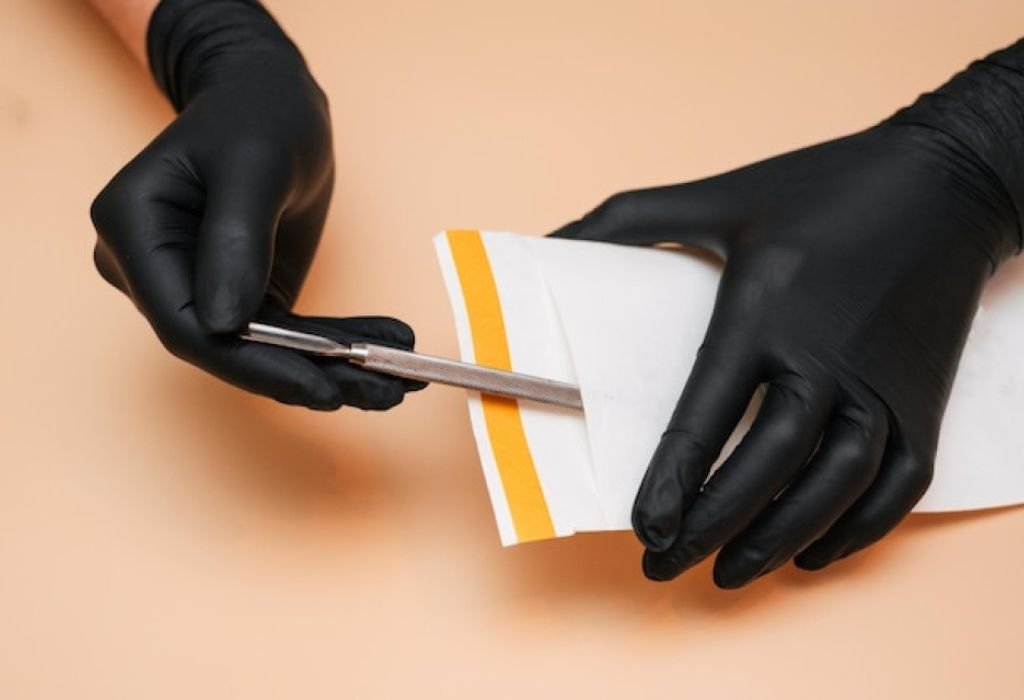
Food workers should wear a single pair of gloves for no more than four hours at a time. This is the maximum limit under the FDA Food Code for continuous use.
In real kitchens, gloves rarely last that long. They must be replaced whenever a worker switches from raw food to ready-to-eat food, touches their face, or contaminates the gloves in any way.
The four-hour rule is a ceiling, not a goal. Safer practices involve changing gloves more often to reduce the risk of cross-contamination.
How long can a food worker wear gloves before changing?
Up to 4 hours, but usually less depending on the task.
Why is the limit 4 hours?
Because bacteria can multiply quickly, and gloves lose effectiveness over time.
Can gloves be reused after removal?
No, disposable gloves are single-use only.
Do gloves replace handwashing?
No, workers must wash hands before putting on new gloves.
When should gloves be changed sooner than 4 hours?
Whenever switching tasks, handling raw food, or if gloves become torn or dirty.
The FDA Food Code and Glove Rules
The FDA Food Code sets the standard for glove use in restaurants and food service. It requires gloves to be worn properly and changed at appropriate intervals.
Gloves must be single-use, intact, and task-appropriate. They are not a replacement for handwashing but an added barrier of protection.
Most importantly, the code mandates glove changes at least every four hours. States and local health departments often adopt this rule directly into their food safety policies.
Does the FDA set a glove change rule?
Yes, maximum 4 hours continuous use.
Are there state-specific rules?
Some states enforce stricter timelines or extra conditions.
Does wearing gloves replace handwashing?
No, hands must always be washed before donning new gloves.
Do all food workers have to follow this code?
Yes, restaurants and food handlers must comply with FDA or local versions.
Why is the rule universal?
Because contamination risk is the same across all food service environments.
When Food Workers Must Change Gloves Immediately
Gloves must be replaced sooner than four hours if contamination is likely. This includes handling raw meat, poultry, or seafood before switching to ready-to-eat foods.
Gloves should also be changed after touching hair, face, or clothing. Any contact with money, phones, or cleaning chemicals requires immediate replacement.
Even if gloves appear clean, unseen bacteria may already be present. The safest rule is to change whenever a task changes.
Should gloves be changed after sneezing or coughing?
Yes, immediately, along with handwashing.
What if gloves look clean?
Change them anyway if the task changes.
What if gloves tear slightly?
Replace them immediately with a new pair.
Do small tasks require glove changes too?
Yes, even quick changes in activity can cause contamination.
Can gloves be sanitized instead of replaced?
No, disposable gloves cannot be sanitized safely.
Common Misconceptions About Glove Use
Many food workers believe gloves can last all day. This misconception creates a dangerous false sense of security.
Another myth is that gloves make handwashing unnecessary. In reality, gloves must always be paired with proper hand hygiene.
Some think thicker or darker gloves stay safe longer. In truth, all disposable gloves have the same four-hour maximum rule.
Can gloves stop all germs?
No, gloves only work if changed regularly.
Do thicker gloves last longer?
They resist tearing but still must follow the 4-hour rule.
Can clear gloves be more hygienic?
No, cleanliness depends on changing, not color.
Do gloves protect against allergens automatically?
No, they must be changed between handling different foods.
Is it safe to wash disposable gloves?
No, they are designed for single use only.
Cross-Contamination Risks with Improper Glove Use
Gloves worn too long become contaminated surfaces. They pick up bacteria from raw foods, cutting boards, or counters.
If not changed, these bacteria transfer directly to ready-to-eat foods. Cross-contact with allergens is also a major risk.
Improper glove use is one of the leading contributors to foodborne outbreaks in restaurants.
Do gloves prevent allergen transfer?
Only if changed between tasks.
What is glove-to-food cross-contamination?
When contaminated gloves contact clean foods.
Can gloves carry the same bacteria as hands?
Yes, if they are not changed regularly.
Are gloves safer than bare hands?
Only if changed properly and often.
Does sanitizer fix contaminated gloves?
No, gloves must be removed and replaced.
Proper Glove Changing Practices in Restaurants
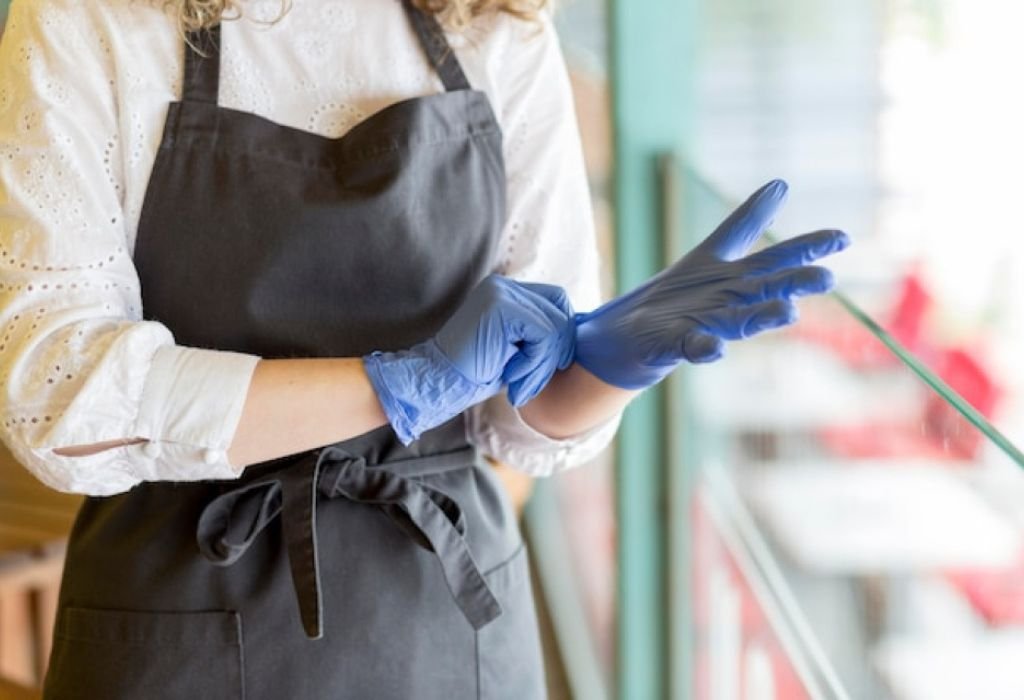
Workers should follow a strict glove-changing process. Remove old gloves, wash hands with warm water and soap, and put on new gloves.
Managers should train staff and post reminders in prep areas. Gloves should be stored in clean, accessible dispensers.
Regular inspections ensure workers change gloves at the right times.
Should gloves be changed after handling money?
Yes, always.
What about touching cleaning chemicals?
Replace gloves before handling food.
Do workers need to wash hands every time?
Yes, before putting on new gloves.
Can gloves be donned with wet hands?
No, dry hands are required for proper fit.
Is it acceptable to double-glove?
Yes in some cases, but outer gloves must still be changed regularly.
Alternatives and Improvements to Glove Policies
Some kitchens rely heavily on frequent handwashing stations instead of constant glove use. This approach works in low-risk prep areas.
Material choice also matters. Nitrile and vinyl gloves are preferred in food service for durability and allergy safety.
New technology, such as biodegradable gloves or contamination-indicating gloves, is being explored.
Which glove material is best for food handling?
Nitrile or vinyl are most common.
Are latex gloves safe?
Not always—avoid for allergen concerns.
Can handwashing replace gloves entirely?
Not in high-risk tasks, but in some prep, it is permitted.
Are eco-friendly gloves available?
Yes, some biodegradable options exist.
Do smart gloves exist yet?
Prototype gloves with indicators are being developed.
Statistics and Case Studies on Glove Misuse
Research shows improper glove use contributes significantly to outbreaks. Workers who fail to change gloves spread bacteria quickly.
The CDC has linked multiple outbreaks to contaminated glove use in fast food and restaurant kitchens.
Case studies reveal outbreaks often stem from glove misuse combined with poor hand hygiene.
How many outbreaks involve glove misuse?
Dozens each year, according to CDC.
Does stricter training reduce outbreaks?
Yes, significantly.
Are small restaurants at higher risk?
Yes, due to less training and oversight.
Do chains enforce better policies?
Often, but enforcement varies.
Can a single worker cause an outbreak?
Yes, if gloves are misused.
Best Practices for Managers and Trainers
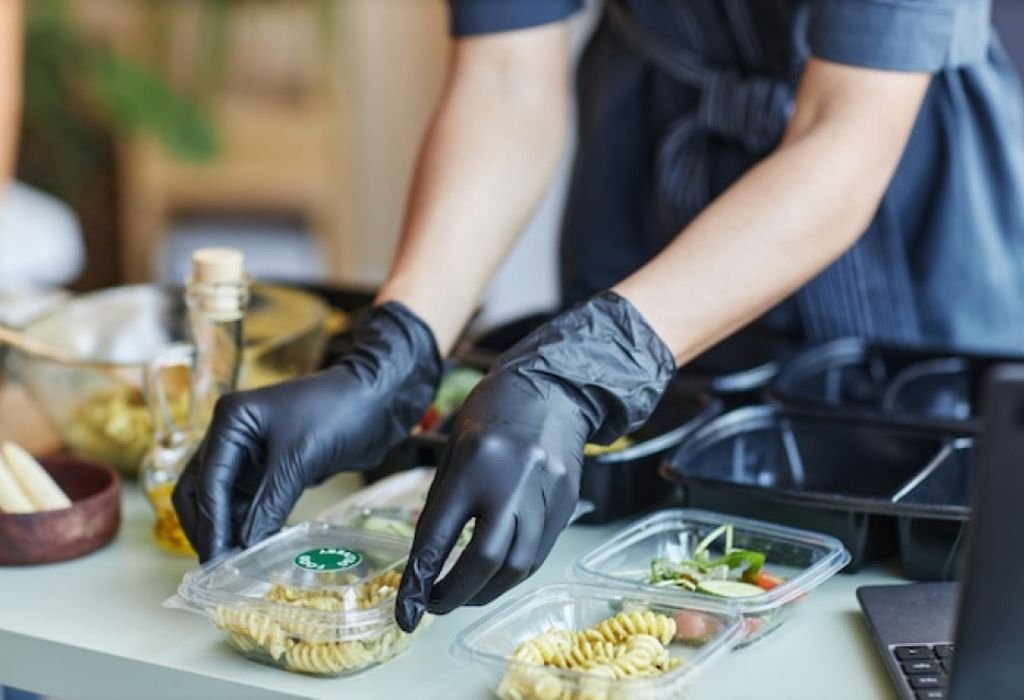
Managers must create written glove policies. Training sessions for new hires should include glove-changing rules.
Visual reminders such as posters and timers help staff remember. Supervisors should monitor compliance during busy shifts.
Consistency across shifts and workers ensures higher safety standards.
Should managers enforce timed changes?
Yes, every 4 hours at minimum.
Can gloves be pre-dispensed?
Yes, but storage must remain clean.
Should compliance be tracked?
Yes, for training and accountability.
Are surprise inspections helpful?
Yes, they reinforce habits.
Can violations lead to penalties?
Yes, health departments issue fines.
Future of Food Safety and Glove Use
Glove use will evolve with new materials and technology. Biodegradable gloves reduce waste, and smart gloves may signal contamination.
Stricter hygiene policies are also emerging after COVID-19. Food safety awareness has never been higher.
In the future, glove rules may be paired with advanced training and monitoring tools.
Will glove rules get stricter?
Likely, as safety focus increases.
Are eco-friendly gloves safe?
Yes, if FDA-approved.
Will technology improve glove safety?
Yes, smart materials are being tested.
Are gloves here to stay?
Yes, but policies may shift toward smarter use.
Can better training replace constant glove use?
Partially, but gloves remain essential for many tasks.
Conclusion
So, how long can a food worker wear gloves before changing? The answer is no longer than four hours, and usually much less.
Gloves should be replaced immediately when switching tasks, touching contaminated surfaces, or if torn or soiled. Handwashing must always come first before donning new gloves.
By following FDA guidelines and enforcing strict policies, food workers protect customers, avoid cross-contamination, and ensure the safest possible dining experience.

I’m Michael R. Turner, the founder, lead writer, and passionate DIY enthusiast behind 101diytools.com. With years of hands-on experience in home improvement and power tools, I built this platform to share practical tips, in-depth guides, and honest reviews to help DIYers of all skill levels tackle projects with confidence and the right tools.