How Hot Does a 1500 Watt Heat Gun Get? Explained
When a stubborn layer of paint refuses to peel, or a frozen pipe threatens to burst, the right tool can make the difference between failure and success.
A 1500 watt heat gun often becomes the quiet hero in these moments, capable of delivering controlled heat strong enough to solve tough problems.
Many DIY enthusiasts and professionals are surprised by how hot this tool can get and what that level of heat can achieve.
Curiosity grows when comparing it to everyday tools like hair dryers, which barely reach 140°F, while a 1500 watt heat gun can climb far beyond 1000°F.
The power of concentrated hot air makes this tool invaluable for tasks ranging from stripping paint to bending plastics.
According to the U.S. Consumer Product Safety Commission, over 40 percent of power tool injuries are caused by improper handling or lack of knowledge (source). Understanding the heat range helps avoid these risks and ensures better results.
Global demand for heat guns is rising, with the market projected to grow by over 5 percent annually due to increased use in construction, automotive repair, and crafting industries (source).
This growth highlights the importance of knowing exactly how a 1500 watt heat gun performs and how to use it safely.
This article explores the true heat output of a 1500 watt heat gun, the factors that influence its performance, and the best practices for safe and effective use.
By the end, readers will know how to select the right temperature settings for their projects and unlock the full potential of this versatile tool.
What Is a 1500 Watt Heat Gun?
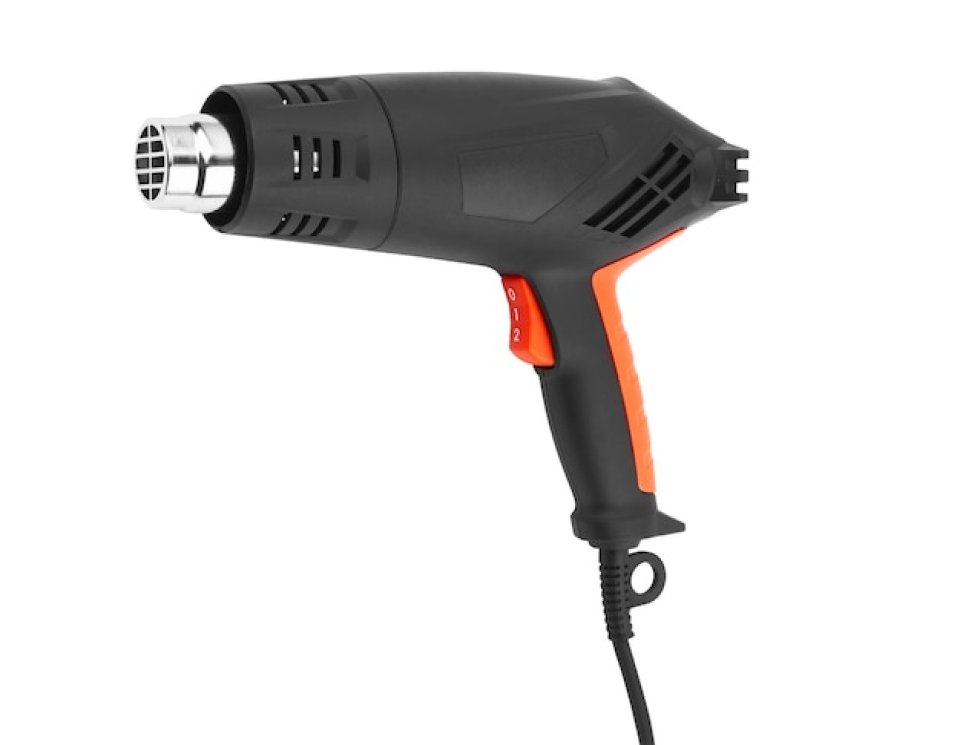
A heat gun is a handheld power tool that produces a concentrated stream of hot air to heat surfaces and materials. Its design resembles a hair dryer but delivers significantly higher temperatures suited for tough applications.
The wattage rating of a heat gun indicates the electrical power that fuels the heating element. A 1500 watt heat gun sits in the mid-range category, offering both affordability and strong performance for most DIY and professional projects.
Most 1500 watt heat guns are built with dual-temperature or variable-control settings. This flexibility allows users to switch between low and high ranges depending on whether the task requires gentle heating or intense stripping power.
Additional features like airflow control, nozzle attachments, and built-in stands improve safety and usability. These elements ensure that the hot air is directed precisely and that the tool can be rested securely during cooling.
What does 1500 watts mean in a heat gun?
It refers to the power consumption, which enables the gun to generate high heat levels around 1000°F or more.
Does higher wattage always mean hotter?
Not directly, but higher wattage usually provides faster heating and stable high temperatures.
What is a dual-temperature heat gun?
It offers two preset heat levels, commonly around 572°F for low and 1022°F for high.
Why is airflow important in heat guns?
Airflow determines whether heat spreads over a wide area or concentrates in one spot for precision.
Are all 1500 watt heat guns the same?
No, models differ in temperature range, airflow, safety features, and nozzle accessories.
Typical Temperature Range of a 1500 Watt Heat Gun
Most 1500 watt heat guns can reach between 1000°F and 1100°F at their highest settings. On the lower end, they typically start around 572°F or 300°C, offering flexibility for delicate tasks.
Some models provide a variable control dial for gradual adjustments, while others use dual-temperature switches. This allows users to move from safe low heat for crafts to powerful high heat for stripping paint or thawing pipes.
For context, a hair dryer only reaches about 140°F, which is less than one-fifth of a heat gun’s maximum output. Industrial torches, on the other hand, can exceed 2000°F, showing how a heat gun balances safety and strength.
Amazon listings often show ranges like 122°F to 1112°F depending on attachments and airflow. These differences highlight why checking specifications is important before purchase.
How hot can a 1500 watt heat gun get?
Most models reach 1000°F to 1100°F depending on brand and design.
Is the temperature adjustable?
Yes, many offer dual-temperature or dial-based control for precision.
Why do different listings show different maximum heat?
Each manufacturer rates their model differently, but most peak around 550°C or 1022°F.
How does it compare to a hair dryer?
It is at least seven times hotter than an average hair dryer.
Can a 1500 watt heat gun melt metal?
No, it cannot reach the melting point of most metals, but it can soften plastics and adhesives.
Factors Affecting Actual Heat Delivered
The maximum temperature listed does not always reflect the exact heat reaching your work surface. Airflow speed, nozzle type, and distance all influence how much heat is transferred.
Holding the gun closer concentrates the heat, while distance reduces effectiveness. Using reflector or conical nozzles can also intensify the stream for targeted heating.
Ambient temperature and air circulation in the room play roles as well. A drafty workspace may lower the actual heat applied to a surface.
Infrared thermometers are often used to measure real surface temperatures during use. This ensures accuracy and avoids overheating materials.
Why does actual temperature differ from rated specs?
Airflow, nozzles, and distance change how much heat is delivered.
What nozzle type increases concentration?
Conical and reflector nozzles provide focused airflow for precision.
How can I measure heat from a gun?
An infrared thermometer offers fast and safe readings.
Does room temperature affect performance?
Yes, cooler rooms and moving air reduce overall heat transfer.
Why is airflow control important?
It balances between wide-area heating and pinpoint precision.
Practical Applications and Recommended Settings
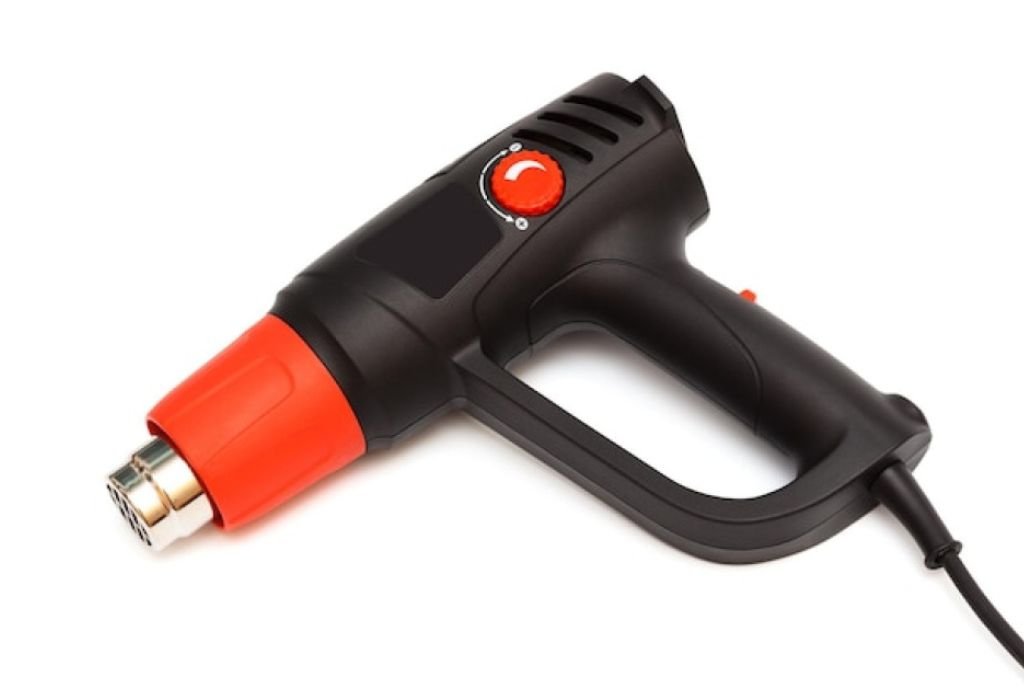
A 1500 watt heat gun is versatile across DIY, automotive, and crafting projects. Each task requires matching the right heat setting to prevent damage.
For heat-shrink tubing and vinyl decals, temperatures of 200°F to 350°F are usually effective. This ensures material softening without burning.
Drying paint, softening adhesives, or loosening bolts often needs 300°F to 400°F. At this level, heat works efficiently while avoiding surface scorching.
Stripping paint and thawing frozen pipes demand 700°F to 1000°F for fast results. Always move the gun slowly to prevent hotspots or fire risks.
What setting strips paint effectively?
Use around 600°F to 800°F for most coatings.
Can it thaw frozen pipes?
Yes, but keep heat moving at 700°F to 1000°F to prevent damage.
Is high heat safe for crafts?
No, use low heat between 200°F and 350°F for plastics and resin.
What temperature loosens bolts?
Around 400°F usually expands metal enough to break rust bonds.
Can I dry paint with a heat gun?
Yes, set it to 300°F to 400°F for gentle drying.
Safety Considerations
Because a 1500 watt heat gun can exceed 1000°F, safety is critical. Without precautions, burns and fires can occur in seconds.
Always wear heat-resistant gloves, protective goggles, and long sleeves. These items shield from hot air and accidental contact with the nozzle.
Keep the workspace free of flammable materials. Even indirect heat can ignite paper, fabric, or solvents nearby.
After switching off, allow several minutes for the nozzle to cool. The metal tip retains heat long after the motor stops.
How long should I let a heat gun cool?
At least 5–10 minutes before storing or touching the nozzle.
Can it start a fire?
Yes, if left unattended near flammable objects.
What safety gear is needed?
Heat-resistant gloves and goggles are strongly recommended.
Should children be near a heat gun?
No, keep it out of reach due to the extreme heat risk.
Can I use it indoors safely?
Yes, but ensure proper ventilation and remove flammable materials.
Tips for Choosing and Measuring Heat Gun Performance
Not all 1500 watt heat guns are built alike, so checking specifications is essential. Features like digital temperature displays and variable airflow provide greater control.
Dual-temperature models are simpler but may limit precision. Advanced models with dials or buttons allow fine-tuned adjustments for specific materials.
Infrared thermometers are useful for confirming the actual temperature reaching a surface. This prevents overheating delicate projects like electronics or plastics.
Accessories such as nozzle sets, stands, and carrying cases improve both usability and safety. These additions often make professional models more valuable.
Why choose a model with variable control?
It allows precise settings for a wider range of projects.
Is an infrared thermometer worth buying?
Yes, it verifies accurate heat delivery during use.
Do accessories matter?
Yes, they improve accuracy, safety, and overall tool lifespan.
What airflow settings are best?
Low airflow for concentration and high airflow for large surfaces.
Should I pick digital or analog models?
Digital displays give better accuracy and consistency.
Future Trends in Heat Gun Technology
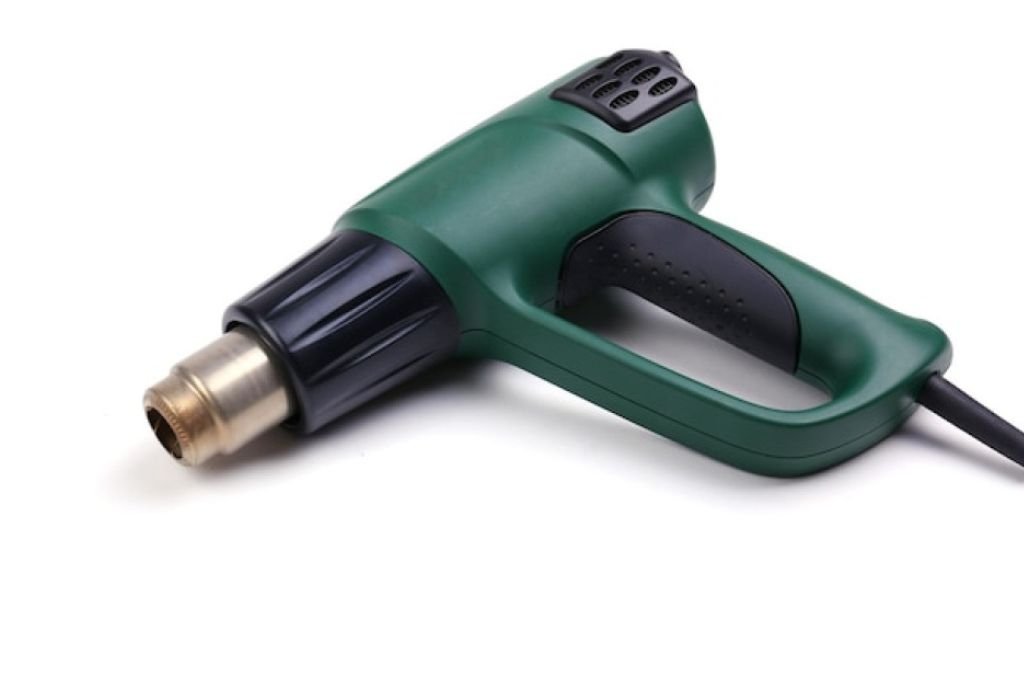
Heat guns are evolving beyond simple hot-air tools. New models now feature digital controls, smart sensors, and programmable presets.
Thermostat-based systems automatically adjust airflow and heat output. This makes them safer and more energy efficient.
Manufacturers are also experimenting with cool-touch housings and faster cooldown designs. These features reduce burn risks and increase convenience.
With market demand growing, innovations like AI-driven task presets may soon appear. These upgrades will further enhance the precision of everyday heat gun use.
Are digital heat guns better than manual ones?
Yes, they offer greater accuracy and user control.
Will smart sensors improve safety?
Yes, by automatically regulating temperature and airflow.
Can heat guns become more energy-efficient?
Yes, newer designs use optimized heating coils and airflow systems.
Are there models with automatic shut-off?
Yes, some include timers and safety cutoffs for protection.
Conclusion
A 1500 watt heat gun can typically reach between 1000°F and 1100°F, making it powerful enough for most DIY and professional tasks. With dual-temperature or variable controls, users can adapt heat output to everything from shrinking tubing to stripping paint.
Factors like airflow, nozzle choice, and working distance influence real performance. Measuring heat with an infrared thermometer ensures accuracy and safety.
By understanding its capabilities and risks, users can safely unlock the full potential of this versatile tool. Whether for crafts, automotive repair, or home improvement, a 1500 watt heat gun remains one of the most effective heating tools available.

I’m Michael R. Turner, the founder, lead writer, and passionate DIY enthusiast behind 101diytools.com. With years of hands-on experience in home improvement and power tools, I built this platform to share practical tips, in-depth guides, and honest reviews to help DIYers of all skill levels tackle projects with confidence and the right tools.