How Fast Does a Circular Saw Spin? RPM Explained Clearly
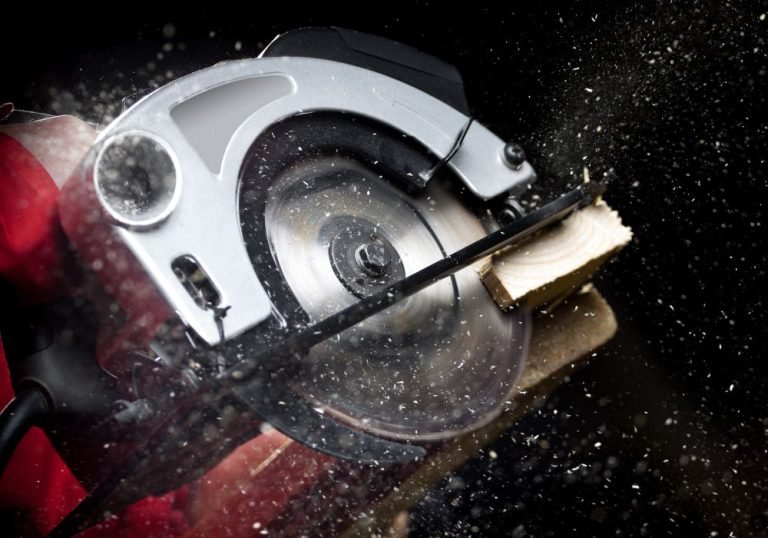
You press the power button, and the circular saw roars to life. The blade spins so fast that it becomes a silver blur, slicing wood like butter.
But have you ever stopped to wonder — how fast does that blade actually spin? Most DIYers never think about it, even though speed determines the quality and safety of every cut.
Every circular saw has a unique speed range, measured in RPM (revolutions per minute). That number reveals how many times the blade makes a full rotation each minute.
The faster it spins, the cleaner your cut can be — but also the greater the danger if you’re careless. RPM isn’t just a technical spec; it’s the heart of how your saw performs.
Imagine two saws side by side — one spinning at 3,500 RPM, the other at 6,000. The difference in noise, cutting smoothness, and precision is instantly noticeable.
In this article, you’ll learn everything about circular saw speed, including what affects it, why it matters, and how to use it safely.
By understanding RPM, you’ll gain better control, make smoother cuts, and extend your saw’s life. Let’s explore what makes those blades spin so fast — and how to make that speed work for you.
What Does RPM Mean in a Circular Saw?
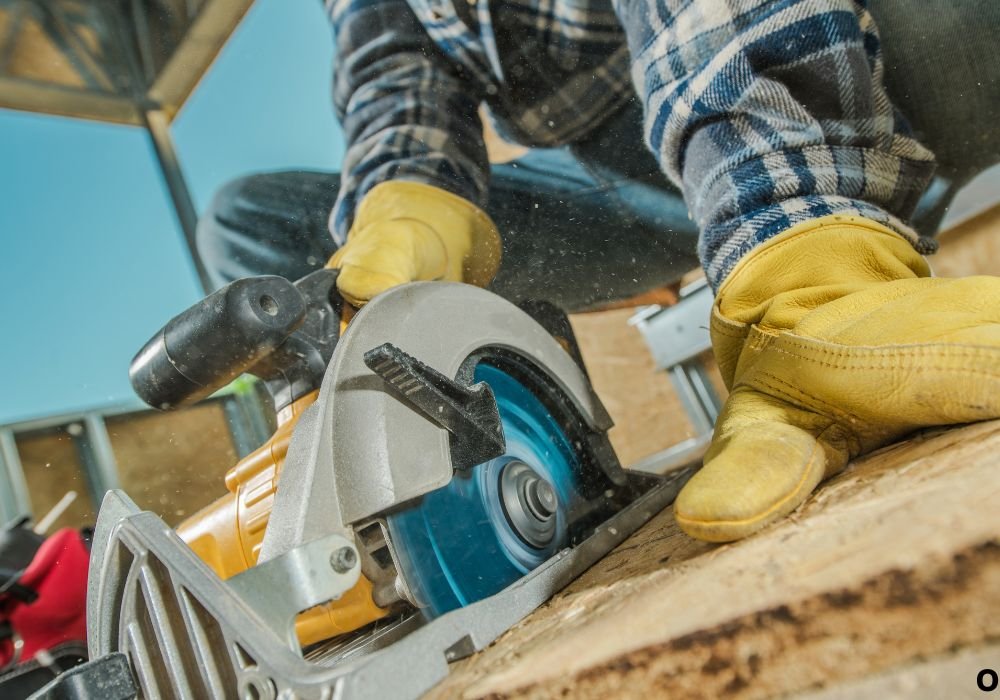
RPM stands for revolutions per minute, the number of full turns the blade makes every minute. It’s the standard measure of rotational speed for all saws and power tools.
A circular saw’s RPM affects how quickly the blade teeth strike the material being cut. Higher RPM usually means faster and smoother cutting.
However, more speed also generates more friction and heat, which can burn wood or dull the blade faster. That’s why balance is key.
Manufacturers list RPM in two ways: “no-load” and “under load.” No-load RPM is the speed when the saw spins freely without cutting.
Under load, the RPM naturally drops as the blade meets resistance. This real-world speed is what matters for cutting performance.
For example, a saw rated at 6,000 RPM no-load may slow to 4,800 RPM when cutting hardwood. The difference reflects the work the motor is doing.
RPM directly affects torque — slower speeds mean more torque and vice versa. Finding the right mix ensures both power and precision.
In short, RPM isn’t just a number; it’s the rhythm of your saw’s performance. Understanding it helps you choose the right tool for every job.
Average RPM Range of Circular Saws
Circular saws vary widely in speed depending on design and motor type. Most corded saws spin between 4,500 and 6,000 RPM.
Cordless models often have lower speeds, ranging from 3,000 to 5,500 RPM. This is because they prioritize battery life and torque over maximum speed.
Worm drive saws, which use gears to boost torque, typically run between 4,000 and 4,500 RPM. They’re slower but stronger, ideal for thick or dense materials.
Sidewinder saws, the most common type, spin faster at around 5,500 to 6,200 RPM. They’re great for clean, straight cuts in wood.
Compact or mini circular saws can reach up to 7,000 RPM due to their smaller blade diameters. Smaller blades need higher rotation to maintain cutting speed.
Industrial-grade saws may exceed 6,500 RPM, offering extreme precision for professional use. These are engineered for accuracy under heavy workloads.
Each saw design balances RPM with torque to match specific cutting needs. More speed isn’t always better if it sacrifices control.
Understanding your saw’s typical speed range helps you choose the right blade and technique. Matching blade and material ensures efficient, clean results.
Whether you’re cutting framing lumber or fine plywood, knowing your saw’s speed gives you confidence and consistency.
How Blade Diameter Affects Spin Speed
Blade diameter has a major influence on how fast a circular saw spins. A larger blade covers more surface area with every revolution.
That means it doesn’t need as many revolutions per minute to achieve the same cutting rate. Smaller blades must spin faster to keep up.
For instance, a 7¼-inch blade spinning at 5,500 RPM equals roughly 80 miles per hour at the blade tip. A 10-inch blade at the same RPM would exceed 100 mph — far too fast.
Manufacturers adjust the gear ratio and motor output to balance blade size and speed. That’s why bigger saws often have lower RPM ratings.
Using the wrong blade size can upset this balance, leading to poor performance or unsafe operation. Always follow the manufacturer’s recommendations.
Remember, cutting speed depends not only on RPM but also on tip speed (the linear speed at the outer edge).
Smaller blades achieve similar cutting action with higher RPM. Larger blades deliver smoother power with less spin.
This balance between blade size and speed is what makes different saw types suitable for different jobs.
Understanding this relationship helps you select the perfect blade every time — one that matches both speed and material.
Precision cutting starts with respecting how size affects spin dynamics.
What Does RPM Mean in a Circular Saw?
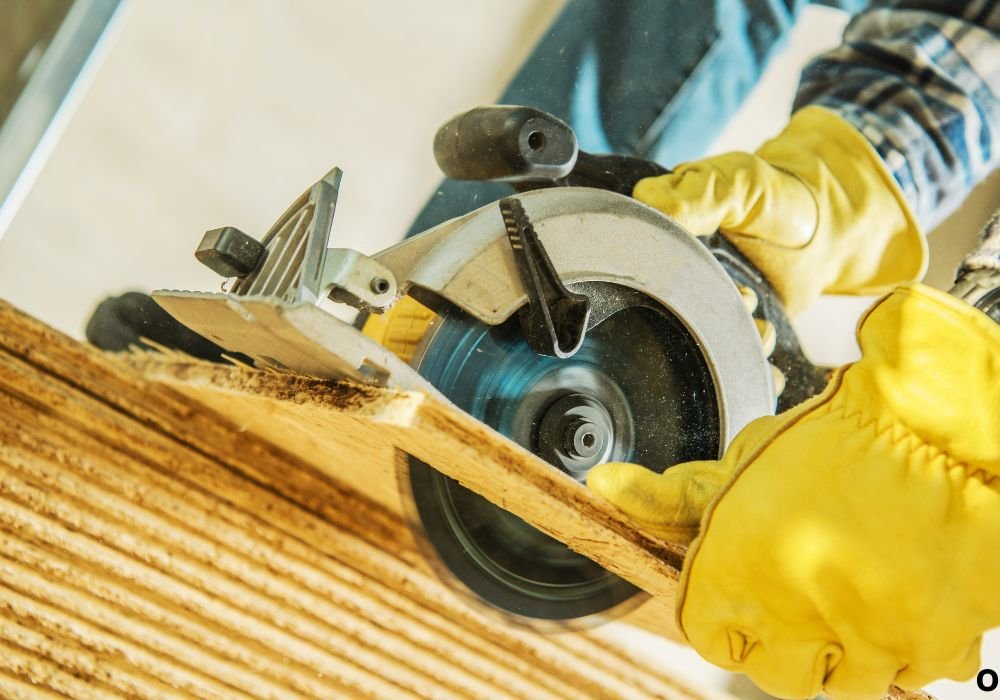
A saw’s motor power directly influences its spinning speed. More power means the motor can maintain high RPM even under pressure.
Corded saws use electricity to sustain constant torque, keeping their blades steady through tough materials. That’s why their RPM rarely drops during use.
Cordless saws, however, rely on batteries that limit output. As the battery drains, RPM may slightly fall, affecting cutting performance.
Modern brushless motors solve much of this issue. They adjust power delivery automatically to maintain RPM during cuts.
Higher amperage or wattage doesn’t always mean faster RPM but allows for stable cutting under load. It’s about consistency, not just raw speed.
A 15-amp motor typically drives blades at around 5,000–6,000 RPM. Lighter 10-amp motors average closer to 4,000 RPM.
Torque — the twisting force that drives the blade — also plays a role. High torque saws cut dense materials even at lower RPM.
This is why worm drive saws spin slower but still feel powerful. They trade speed for cutting force and stability.
Understanding the motor-speed connection helps you choose the right saw for your workload. Balance ensures smoother performance and safer operation.
How Material Type Changes the Ideal RPM
Different materials require different blade speeds for clean cuts. Cutting wood is not the same as cutting metal or plastic.
Softwoods like pine or cedar cut best at higher RPM — around 5,000 to 6,000. The high speed gives smooth edges and quick progress.
Hardwoods like oak or maple need slightly slower speeds to avoid burning. A range of 4,000–5,000 RPM is ideal.
Laminates and melamine surfaces should be cut slower, around 3,500–4,500 RPM, to prevent chipping.
When cutting aluminum or metal, you need specialized blades and much lower speeds — about 2,500–3,000 RPM.
Plastics also melt at high RPM, so slower speeds are safer. Aim for around 3,000 RPM for thick acrylic or PVC.
Matching speed to material helps prevent damage to both blade and surface. Too fast burns or melts; too slow causes tear-out.
Always check your blade’s recommended RPM rating for each material type. This ensures efficient and accurate cutting.
Knowing this simple rule can save time, money, and a lot of frustration. The right speed keeps your projects clean and precise.
No-Load Speed vs Loaded Speed
Every circular saw has two RPM numbers: no-load and loaded speed. No-load RPM is the blade speed without resistance.
It’s usually the number printed on your saw’s specifications. Manufacturers use it for marketing because it looks impressive.
But once you start cutting wood, the resistance of the material slows the blade. That’s the loaded speed — the real-world performance.
For example, a saw rated at 6,000 RPM no-load might drop to 4,800 RPM while cutting dense hardwood.
The bigger the difference, the less efficient the motor. High-quality saws maintain closer speeds between no-load and loaded operation.
Brushless motors help reduce speed drop by adjusting torque automatically. This ensures smoother and faster cutting even under pressure.
Knowing this difference helps you understand why some saws “feel stronger” than others. It’s not just power — it’s consistency.
A steady RPM under load means cleaner, straighter, and safer cuts. Always choose saws with reliable performance ratings, not just flashy numbers.
Dangers of Excessive Speed
While fast blades cut efficiently, excessive RPM can be dangerous. It increases friction, heat, and stress on both the saw and the user.
Overheated blades can warp or burn wood surfaces, leaving dark marks and rough edges.
Spinning too fast also raises the risk of kickback, especially when the blade binds mid-cut.
Another concern is blade failure — using a blade rated for lower RPM on a high-speed saw can cause it to shatter.
Always check the maximum safe RPM printed on your blade before using it.
Excessive speed also wears out bearings, motors, and safety guards faster.
Even if the saw can handle the power, the material often cannot. Melting, splintering, and tearing occur easily at extreme RPM.
It’s always better to cut a little slower and cleaner than to rush and damage both tool and material.
Balance speed, pressure, and blade type for safe, precise results every time.
Your circular saw will last longer — and so will your confidence using it.
How to Measure Circular Saw RPM
Measuring RPM helps verify your saw’s true performance. Most users rely on manufacturer specs, but you can measure it yourself.
A digital tachometer is the most accurate way. Simply point it at the spinning blade, and it gives a live RPM reading.
You can also use a mechanical contact tachometer by touching the center of the blade hub.
Some advanced power tools have built-in sensors that display RPM directly on digital screens.
For DIY estimation, check your motor’s rated frequency and gear ratio, then calculate blade speed.
For example, a 120V motor at 60Hz with a 1:1 gear ratio produces roughly 3,600 RPM. Multiply by gear adjustments for accuracy.
Another easy method is to record the blade in slow motion using your phone, then count the revolutions.
Knowing your saw’s true RPM helps diagnose performance issues like weak power or inconsistent cuts.
If RPM drops too much under load, it may be time to clean or service the motor.
Maintaining accurate speed ensures consistent results and extends tool life.
Tips for Optimizing Cutting Speed
Keeping your saw at the right speed improves both quality and safety. Always start with a sharp, clean blade to reduce friction.
Avoid forcing the saw — let the blade glide naturally through the material.
Use steady, even pressure rather than pushing hard, which slows RPM and risks overheating.
Clean your saw regularly to prevent dust buildup that can strain the motor.
Use the correct blade for each material type and thickness. Wrong blades make the motor work harder than necessary.
For cordless saws, fully charge your battery to maintain consistent RPM throughout the cut.
Keep your work area cool and well-lit for better control.
If your saw has a variable-speed trigger, start slow and increase gradually for delicate materials.
Maintain proper lubrication and check the blade alignment before each job.
Optimizing speed is about consistency — not maximum power, but maximum control.
Frequently Asked Questions
How fast does a typical circular saw spin?
Most circular saws spin between 4,500 and 6,000 RPM, depending on the model and motor type.
Does higher RPM mean better cutting?
Not always. High RPM gives cleaner cuts, but too much speed can overheat the blade and damage material.
Why are cordless saws slower?
They prioritize torque and battery life over extreme speed, balancing power and efficiency.
Can I increase my saw’s RPM?
No, RPM is fixed by design. For faster performance, upgrade to a higher-rated model instead.
Is a slower saw less effective?
Not necessarily. Lower RPM saws often provide more torque for dense materials.
What’s the danger of overspeeding a blade?
If a blade exceeds its rated RPM, it may crack or explode under pressure — extremely dangerous.
How can I check my saw’s actual RPM?
Use a digital tachometer or refer to the manufacturer’s manual for specifications.
Why do some saws slow down while cutting?
That’s the difference between no-load and loaded speed — the motor compensates for resistance.
Can higher RPM cause kickback?
Yes, cutting too fast can cause the blade to bind and kick back toward the user.
What’s the safest RPM for woodworking?
Between 4,000 and 6,000 RPM is ideal for most wood projects, depending on thickness and blade type.
Conclusion
A circular saw’s speed defines how efficiently it cuts and how safely it operates. Understanding RPM gives you control, confidence, and cleaner results.
Most saws spin at 4,500 to 6,000 RPM — fast enough to handle almost any project. But knowing when to slow down can make all the difference.
Balancing speed, torque, and material type ensures both precision and safety. Every saw has a rhythm, and once you learn it, your cuts improve dramatically.
Whether you’re building furniture, framing walls, or cutting metal, mastering your saw’s RPM helps you work smarter, not harder.
Keep your blades sharp, your tools clean, and your speed steady. Consistency is the real secret behind professional-quality work.
By respecting speed, you’ll not only improve performance but also extend your tool’s lifespan.
Next time you hear that blade spin up, you’ll know exactly what’s happening — and why it matters.
Because the more you understand your saw’s speed, the better your results will always be.

I’m Michael R. Turner, the founder, lead writer, and passionate DIY enthusiast behind 101diytools.com. With years of hands-on experience in home improvement and power tools, I built this platform to share practical tips, in-depth guides, and honest reviews to help DIYers of all skill levels tackle projects with confidence and the right tools.