How a Staple Gun Operates and Its Practical Applications
Remember that time you tried to hang a picture, and it kept falling? Frustrating, right? Or maybe you’ve worked on a DIY project and found yourself wrestling with a hammer and nails? There’s a better way! This post will explore the mechanics behind the efficient, time-saving tool: the staple gun. We’ll demystify how these devices function, breaking down the inner workings into easy-to-grasp concepts. You’ll gain a solid grasp of different types, their uses, and how to safely operate them, equipping you with valuable skills for any project. This will help you choose the right tool for the job and use it properly.
Key Takeaways
- Discover the core components of a staple gun and their roles.
- Explore various types of staple guns, including manual, electric, and pneumatic models.
- Learn the differences between staples and brad nails and when to use each.
- Understand the safety measures essential when using staple guns.
- Find out the many uses of staple guns in different projects.
- Gain insights on how to troubleshoot common staple gun problems.
Unveiling the Mechanics of a Staple Gun
The core concept behind the operation of a staple gun revolves around a mechanism that drives a staple into a surface with force. This force is generated by different means depending on the type of gun, but the fundamental principle remains the same. A staple gun efficiently secures materials by rapidly deploying staples, which are U-shaped fasteners designed to penetrate and hold items together. The process typically involves a trigger, a firing mechanism, and a magazine to hold the staples. The user applies pressure, triggering the gun to release a staple.
Core Components and Their Functions
To fully grasp how a staple gun works, it’s necessary to explore its internal structure. Each part contributes to the overall function. These components work together in a synchronized manner to ensure the tool’s effectiveness and ease of use. This knowledge is important, as it helps identify and resolve potential problems.
-
- The Magazine: This is the compartment that houses the staples. It is designed to keep the staples organized and feed them into the firing mechanism when the trigger is pulled. Magazines can vary in size depending on the type and model of the staple gun.
The magazine’s design often includes a spring-loaded follower that pushes the staples forward, ready to be driven. Different magazine designs can accommodate various staple sizes and types. It’s often easy to reload, allowing for quick replenishment of staples during projects.
-
- The Trigger Mechanism: This part initiates the staple-firing process. When the trigger is pulled, it releases the stored energy, activating the driving mechanism. The trigger is usually ergonomically designed for comfortable and efficient use.
The trigger mechanism is often connected to a series of levers or a solenoid, depending on the type of staple gun. The design ensures a controlled and precise firing action. The quality of the trigger significantly affects the user’s experience and the speed of the project.
-
- The Driving Blade: This is a crucial component that impacts how a staple gun works, responsible for driving the staple into the material. When the trigger is pulled, the driving blade moves rapidly forward, forcing the staple out of the magazine and into the surface.
The driving blade’s design varies depending on the staple gun type. It can be made from high-strength steel to withstand repeated impacts. The speed and force of the blade’s movement are directly related to the power source used by the staple gun, whether manual, electric, or pneumatic. The shape and design of the blade help with the penetration of different materials.
-
- The Spring or Power Source: This component supplies the energy required to fire the staple. In manual staple guns, the spring is compressed by the user’s action. In electric and pneumatic models, it is powered by electricity or compressed air, respectively.
The spring mechanism’s strength determines the gun’s driving power. Regular maintenance of this part is important to ensure optimal function. Electric and pneumatic models offer more consistent and powerful stapling action. The choice of power source depends on the project’s requirements.
Exploring the Different Types of Staple Guns
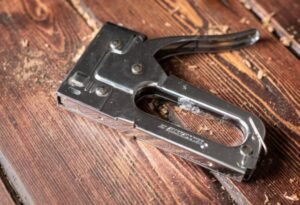
Staple guns are not one-size-fits-all tools; various types are available, each designed for specific applications and operational needs. The differences are found in their power source and the mechanism used to drive the staples. Selecting the right type is important for achieving optimal results and ensuring safety on a project. Different types offer different advantages in terms of speed, power, and ease of use.
Manual Staple Guns
Manual staple guns are the most basic and commonly used type. They rely on the user’s physical strength to compress a spring and drive the staple. These guns are often affordable and easy to use. Manual staple guns are ideal for small projects and tasks. These types offer portability and require no external power sources, making them convenient for various settings.
-
- Mechanism of Operation: The user applies pressure to a handle, compressing a spring that releases a driving blade.
The force exerted determines the depth and the ability to drive the staple. These tools are suitable for light-duty tasks like upholstery, crafts, and attaching light fabrics. They are often lighter and more compact than their electric and pneumatic counterparts.
-
- Advantages: Portability, affordability, and no need for external power.
The simplicity of manual staple guns makes them easy to maintain and repair. They are ideal for DIY projects where access to power is limited. They are generally safer to use, as they lack the electrical hazards of electric models.
-
- Disadvantages: Require more physical effort, less powerful, and may not be suitable for tough materials.
Over extended use, they can cause fatigue. They may struggle to drive staples into hard surfaces or thick materials. The consistency of the staple depth may vary depending on the user’s force.
Electric Staple Guns
Electric staple guns offer a step up in terms of power and ease of use compared to manual models. They use electricity to power the firing mechanism. This makes them suitable for a wide range of applications. Electric staple guns are great for projects where speed and consistent performance are important. They generally eliminate the physical strain associated with manual models.
-
- Mechanism of Operation: An electric motor drives the staple-firing mechanism when the trigger is activated.
The motor provides consistent power, allowing for easier staple insertion. They often have adjustable settings to control the depth of the staple. These models usually feature a safety mechanism that prevents accidental firing.
-
- Advantages: Increased power, reduced user effort, and consistent performance.
The electric models are often faster than manual staple guns. They are ideal for medium-duty tasks, such as insulation, light framing, and more. Electric staple guns are more efficient when undertaking repetitive stapling work.
-
- Disadvantages: Require a power source, may have cords that restrict movement, and can be more expensive.
The cord can sometimes get in the way during a project. They often have more complex internal mechanisms than manual staple guns, which may require specialized repairs. The need for electricity makes them less portable.
Pneumatic Staple Guns
Pneumatic staple guns, also known as air staple guns, are the most powerful type. They operate using compressed air, providing high speed and force. These are commonly used in professional settings for tasks needing speed and efficiency. Their design is suited for heavy-duty tasks where consistent and rapid stapling is crucial.
-
- Mechanism of Operation: A compressor supplies the compressed air that drives the firing mechanism.
The air pressure determines the driving force, allowing for the easy insertion of staples into dense materials. They usually have adjustable depth settings and safety mechanisms. They are designed for high-volume stapling.
-
- Advantages: Maximum power, speed, and efficiency for large-scale projects.
Pneumatic staple guns can handle a wide range of staple sizes. They are great for demanding tasks, such as construction, furniture manufacturing, and more. Pneumatic models can handle a high volume of work, reducing user fatigue.
-
- Disadvantages: Require an air compressor, are typically more expensive, and are less portable.
The cost of the compressor can add to the total investment. They require regular maintenance to ensure optimal performance. They are not as convenient for small DIY projects.
Staples vs. Brad Nails: Choosing the Right Fastener
Knowing the difference between staples and brad nails is crucial for any project. While both are used for fastening, they are designed differently. Their applications vary based on the task and materials involved. Knowing how each fastens can affect the final result and the durability of the project.
Staples: Key Characteristics and Uses
Staples, as mentioned, are U-shaped fasteners designed to secure materials by spanning the width of the pieces being joined. They provide excellent holding power. The shape increases surface contact, providing enhanced grip. Staples are a great choice for various projects.
-
- Design: U-shaped with two legs that penetrate the material.
They provide a wider surface area for a more secure grip, ideal for holding materials together, especially fabric or sheet materials. Staples often work well with softer materials, making them suitable for upholstery and insulation.
-
- Best For: Upholstery, securing fabric, attaching insulation, and light framing.
They are excellent for joining layers of material. The staple legs spread apart when driven in, increasing the grip. The wide shape of the staple is ideal for holding lighter materials in place.
-
- Advantages: Excellent holding power, quick application, and good for securing fabrics.
Staples are often used when surface area contact is important. The wide form allows them to spread the load and prevent tearing. They can be applied rapidly.
Brad Nails: Key Characteristics and Uses
Brad nails are thin, headless nails that are used for precise joining. They are less visible than staples, making them a good option for finish work. The small size and shape make them suitable for a variety of tasks where aesthetics are important.
-
- Design: Thin, headless nails, often with a small head or no head at all.
The design minimizes visibility, great for projects where a clean, finished appearance is needed. They are often used in decorative applications and finish work.
-
- Best For: Trim work, attaching decorative elements, and fine woodworking.
Brad nails are used where a small footprint and flush finish are important. They are good for attaching molding, trim, and other fine details. The small head allows them to be easily concealed.
-
- Advantages: Minimal visibility, suitable for delicate materials, and less likely to split wood.
The small size of brad nails makes them a good option for fragile or thin materials. They offer a clean look, and they are less noticeable than other fasteners. They are easy to conceal or fill with wood filler.
| Feature | Staples | Brad Nails |
|---|---|---|
| Shape | U-shaped | Thin, headless |
| Visibility | More visible | Less visible |
| Holding Power | High | Moderate |
| Best For | Upholstery, Insulation | Trim work, Finish work |
Safety First: Operating a Staple Gun Safely
Using a staple gun involves inherent safety risks. Knowing and following the necessary precautions is important for protecting yourself. Proper handling techniques and awareness of potential hazards are essential. Whether you are using a manual, electric, or pneumatic model, adhering to safety guidelines is the best approach.
Essential Safety Guidelines
Before beginning any project, it is essential to equip yourself with the proper gear. Safety glasses protect your eyes from projectiles or debris. Work gloves offer protection and improved grip. A well-lit work area and a stable work surface are also important for safety. Regular inspection of the tool and immediate attention to any issue are also very important.
-
- Always Wear Eye Protection: Safety glasses or goggles are a must to protect your eyes from flying staples or debris.
Eye protection should be worn at all times while operating a staple gun. Choose safety glasses that fit well and offer full protection. Proper eyewear will prevent serious eye injuries.
-
- Use the Correct Staples: Ensure you are using staples of the correct size and type for your staple gun and project.
Using the wrong staples can lead to malfunctions or injury. Confirm that the staples match the model and are suited for the materials you are working with. Check the manufacturer’s recommendations for staple size.
-
- Keep the Gun Pointed Away from Yourself and Others: Never point the staple gun at anyone, even when it is not in use.
Treat the staple gun as a potentially dangerous tool. This precaution is important when loading or unloading staples. It also protects other individuals from accidental discharge.
-
- Disconnect Power When Not in Use or Performing Maintenance: Unplug electric staple guns and disconnect the air supply from pneumatic guns when not actively in use.
This prevents accidental firing. It also helps to prevent unauthorized use of the tool. It also reduces the risk of electrical shock.
-
- Inspect the Gun Before Each Use: Check for any damage to the trigger, safety features, or magazine.
Regular inspection can catch problems before they lead to an accident. Replace or repair any damaged parts before using the gun. Proper maintenance is also important for safe and reliable use.
Staple Gun Applications: Putting Your Tool to Work
Staple guns are versatile tools, with applications that go far beyond just attaching fabric. From DIY projects to professional tasks, staple guns can be used across various projects. Understanding their capabilities allows you to utilize them effectively. The best type of tool depends on the specifics of the project.
Common Uses and Projects
Staple guns are commonly used in DIY projects and professional tasks. These are perfect tools for various tasks. Each application calls for a specific approach and the right type of staple gun. The choice of tool can also affect the final outcome.
-
- Upholstery: Attaching fabric to furniture frames, creating a secure and durable finish.
The wide surface area of staples is great for securing fabric. Staple guns help with fast and easy upholstery tasks. Electric or manual staple guns work best.
-
- Insulation: Securing insulation materials to walls and ceilings, preventing drafts and improving energy efficiency.
Staple guns are ideal for holding insulation in place. Pneumatic staple guns are perfect for the quick installation of insulation. Choose staples that do not compress the insulation.
-
- Craft Projects: Used for various crafts, such as attaching fabric to canvases, creating decorative items, and more.
Staple guns offer quick and convenient fastening in craft projects. Manual staple guns are ideal for craft use. Always select the proper size of staple for the material.
-
- Woodworking: Joining wood pieces, attaching trim, and assembling furniture frames.
Staples and brad nails are used for various woodworking tasks. Electric or pneumatic staple guns are often used for quick work. Always choose fasteners that do not split the wood.
-
- General Repairs: Used for a range of repairs, such as fixing screens, repairing furniture, and more.
Staple guns are a great choice for quick fixes around the house. Manual staple guns are good for small repairs. Select the staple size depending on the material.
-
- Scenario 1: Upholstering a Chair: Using a manual or electric staple gun to attach fabric to the chair frame, ensuring a smooth and secure finish.
Begin by cutting the fabric to the right size, leaving extra material for wrapping. Secure the fabric to the frame, using the staple gun to drive staples along the edges of the frame. Make sure the staples are properly spaced. Trim off excess fabric to achieve a clean look.
-
- Scenario 2: Installing Insulation in a Room: Using a pneumatic staple gun to secure insulation batts between studs, improving the room’s energy efficiency.
Place insulation between the studs, making sure it fits snugly. Use the staple gun to secure the insulation in place, stapling it to the studs. Take care not to compress the insulation. Overlap seams. Follow all safety guidelines while performing the job.
Troubleshooting Common Staple Gun Issues
Like any mechanical tool, staple guns can sometimes encounter problems. Knowing how to resolve these issues can save time and frustration. Common issues include jams, misfires, and improper staple penetration. Quick troubleshooting steps can often fix the problems.
Common Problems and Solutions
Understanding these issues and the steps to fix them can help with the performance of your staple gun. Identifying and correcting such problems helps to keep your tool working. Simple solutions can often correct the most common issues.
-
- Jamming: Staples get stuck in the firing mechanism, preventing the gun from working.
Solution: Unload the magazine and remove the jammed staple. Use the manufacturer’s recommended tools. Inspect the magazine and driving mechanism for damage. Try using staples of the right size.
-
- Misfiring: The staple gun clicks, but no staple is fired.
Solution: Check the power source. Make sure the staples are loaded correctly. Inspect the trigger mechanism. Look for any blockages and remove them. If the tool is electric, see if it is plugged in and has power.
-
- Inconsistent Staple Depth: Staples are not driven to the proper depth.
Solution: Adjust the depth setting on your staple gun. Make sure you are using the correct staples for the project. For manual guns, increase the force applied. Check for any obstructions.
-
- Staple Not Penetrating Material: The staples are not fully driven into the material.
Solution: Increase the power setting, if available. For manual guns, use more force. Ensure you are using the correct staple size. Make sure the surface is not too dense for your tool.
-
- Staples Bending: Staples bend over instead of going straight into the material.
Solution: Make sure you are using staples of the right size. Check the angle of the staple gun. Avoid stapling too close to the edge of the material. Try another staple gun or another stapling technique.
Frequently Asked Questions
Question: Can I use any type of staple in my staple gun?
Answer: No, it is important to use staples that match the size and type required by your staple gun model. Using the wrong staples can lead to jams, misfires, and damage to the tool.
Question: How do I know what size staples to use?
Answer: Check your staple gun’s manual or the label on the gun itself for the recommended staple sizes. Also, consider the thickness of the materials you are working with.
Question: Is it safe to use a staple gun with one hand?
Answer: It is best to use a staple gun with two hands, especially when working on overhead or unstable surfaces. This offers more control and lessens the chance of accidents.
Question: How often should I lubricate my staple gun?
Answer: The frequency of lubrication depends on how often you use it and the type of staple gun. Pneumatic staple guns often need regular lubrication, while electric and manual ones may require less frequent maintenance.
Question: What is the difference between a staple gun and a nail gun?
Answer: A staple gun shoots staples, which are U-shaped fasteners. A nail gun drives nails, which have a head and a pointed shank. Each tool is designed for different types of fastening tasks.
Final Thoughts
You now have a complete overview of the operations of a staple gun. You understand the different types, their core components, and how they function. You now know the distinctions between staples and brad nails, along with the safety measures to ensure safe operations. This knowledge empowers you to approach various projects with confidence and efficiency. Remember to always prioritize safety and choose the right tool and fasteners for the task. Practicing safe techniques will make you more proficient. With practice, you can use these tools with confidence. Now, the next time you face a DIY project or repair, you’ll be well-equipped to tackle it.

I’m Michael R. Turner, the founder, lead writer, and passionate DIY enthusiast behind 101diytools.com. With years of hands-on experience in home improvement and power tools, I built this platform to share practical tips, in-depth guides, and honest reviews to help DIYers of all skill levels tackle projects with confidence and the right tools.