Do I Need Safety Glasses If I Already Wear Glasses?
A worker adjusts his prescription glasses before cutting a piece of wood. Within seconds, a shard of debris flies past the lens, narrowly missing his eye.
This scenario highlights a common misconception that regular glasses provide the same protection as safety glasses.
Unfortunately, thousands learn the hard way that this assumption is dangerous.
According to the U.S. Bureau of Labor Statistics, more than 20,000 workplace eye injuries occur each year, many resulting in temporary or permanent vision loss (BLS).
Even at home, common activities like drilling, mowing, or cleaning with chemicals put unprotected eyes at risk.
Regular prescription glasses are designed to correct vision, not withstand impact or shield from hazards.
They often lack impact-resistant lenses, side protection, or sealing features found in certified safety glasses.
Safety glasses and goggles, on the other hand, are engineered for impact resistance, chemical splash defense, and dust protection.
They undergo rigorous testing under standards such as ANSI Z87.1 to ensure they perform under hazardous conditions.
The difference may seem small, but the consequences of choosing incorrectly can be life-changing. One cracked lens or missed shield can expose eyes to permanent damage.
Understanding whether safety glasses are necessary for those who already wear prescription glasses is more than a technical detail.
It is about preserving vision, preventing accidents, and making informed choices for personal safety.
This article explores the differences, risks, and solutions available to glasses wearers, helping readers choose the right protective eyewear with confidence.
Understanding Eyeglasses vs Safety Glasses
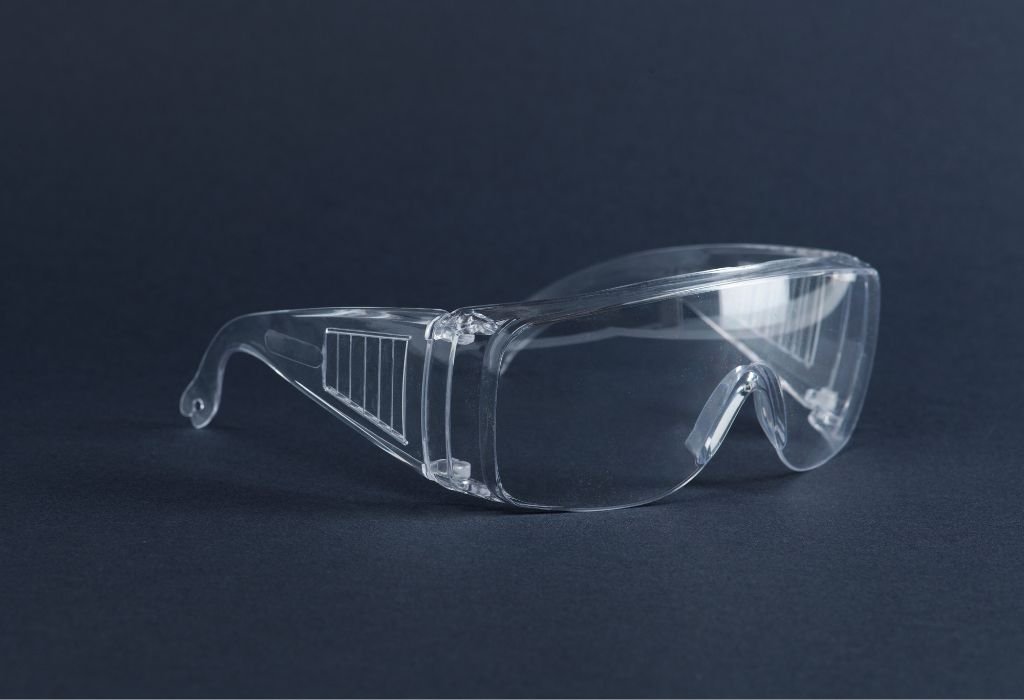
Prescription eyeglasses are designed primarily to correct vision problems such as nearsightedness, farsightedness, or astigmatism. Their lenses are made for clarity and comfort, not impact resistance or hazard protection.
Safety glasses, by contrast, are built to shield the eyes from flying debris, dust, and chemical splashes. They use impact-resistant materials, often polycarbonate, and meet strict safety standards like ANSI Z87.1.
The frames of regular eyeglasses are not reinforced against high-velocity impact. Safety glasses frames are reinforced and often include wraparound sides or side shields to block hazards from multiple angles.
Regular glasses may give a false sense of security during risky tasks. Only certified safety eyewear ensures eyes are protected from sudden and severe injuries.
Are regular prescription glasses impact resistant?
No. They are not tested for the forces that certified safety glasses are built to withstand.
What does ANSI Z87 certification mean?
It means the glasses have passed impact resistance and safety tests required for protective eyewear.
Can safety glasses protect against chemical splash or flying debris better than regular glasses?
Yes. Safety glasses and goggles are specifically designed for splash, dust, and high-velocity projectiles.
Do regular glasses provide side protection?
No. Most prescription glasses leave gaps at the sides, while safety eyewear often has wraparound or side shields.
Are safety glasses available with prescription lenses?
Yes. Prescription safety glasses combine vision correction with certified protective features.
Risks of Relying Only on Your Regular Glasses
Relying only on prescription glasses during risky tasks is dangerous. They lack impact certification and are prone to shattering under sudden force.
Flying wood chips, metal fragments, or sparks can bypass or break standard lenses. Once broken, the fragments themselves can cause severe eye trauma.
Dust and small particles easily slip through gaps around the edges of normal frames. Safety goggles or wraparound glasses close these gaps to block fine debris.
Chemical splashes are especially hazardous because liquid can seep around regular frames. Safety goggles with indirect vents are far more reliable in chemical environments.
Can regular glasses shatter more easily than safety glasses?
Yes. Regular plastic or glass lenses are not tested for impact resistance, unlike safety eyewear.
Will regular glasses protect against chemical splashes?
Not effectively. Safety goggles are built with seals and vents to guard against liquids.
What about dust and fine particles?
Prescription glasses often leave open gaps. Safety eyewear with side shields prevents dust exposure.
Are there statistics about eye injuries without proper eyewear?
Yes. Over 700,000 eye injuries happen annually in the United States, many of them preventable with protective eyewear (AAO).
Do scratched or damaged regular lenses increase risks?
Yes. Cracked or weakened lenses can break under impact, increasing injury risk.
Options for Glasses Wearers
Glasses wearers have several choices for combining vision correction with protective eyewear. The right option depends on budget, comfort, and type of hazard.
Over-the-glasses (OTG) safety glasses are designed to fit comfortably over prescription lenses. They provide a simple solution for occasional use without needing two separate pairs.
Prescription safety glasses are custom-made with corrective lenses built directly into certified safety frames. They cost more but eliminate the bulk of double layering.
Clip-on side shields can be attached to regular glasses to provide partial protection. While better than nothing, they do not replace the need for certified safety eyewear in hazardous environments.
Hybrid wraparound designs offer both correction and protection with improved coverage and modern aesthetics. They are popular among professionals and frequent tool users.
What are OTG safety glasses and when are they useful?
They are designed to fit over prescription eyewear, making them ideal for short-term or occasional projects.
Are prescription safety glasses more expensive?
Yes. They usually cost more but combine both safety and clear vision.
How to choose side shields or wraparound designs?
Base the choice on hazard type. Side shields help against debris, while wraparounds protect against wider risks.
Do hybrid goggles compromise comfort or vision?
Sometimes. Choosing anti-fog and lightweight options reduces discomfort.
Can contact lens wearers benefit from safety glasses?
Yes. They can use non-prescription safety glasses, as vision correction comes from the contacts.
How to Choose the Right Safety Glasses
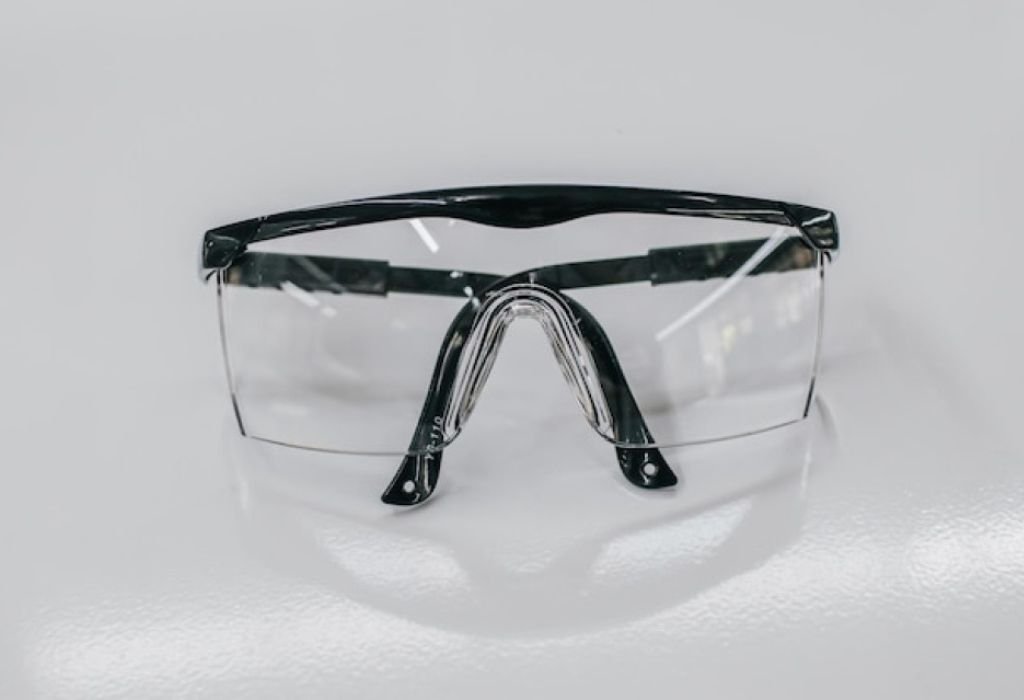
Choosing the right safety glasses depends on environment, hazard, and personal comfort. Not all safety glasses are equal, so certification is critical.
Look for ANSI Z87.1 or EN 166 certified lenses for verified impact protection. Polycarbonate lenses are ideal because they combine strength with lightweight comfort.
Additional features such as anti-fog coatings, UV protection, and scratch resistance improve usability in different environments. Wraparound frames or sealed goggles add extra security.
Fit is equally important because loose glasses leave gaps. Adjustable arms, padded bridges, and contoured frames help ensure proper coverage and comfort.
What lens material is best for safety glasses?
Polycarbonate is best because it is strong, lightweight, and impact resistant.
Why is certification important?
It proves the eyewear has passed impact and safety tests required for hazardous conditions.
How to test whether they fit properly?
Check for gaps at the sides and nose. The frame should sit securely without sliding.
How often should safety glasses be replaced?
Replace them when scratched, cracked, or damaged, as compromised lenses reduce protection.
Are anti-fog coatings worth it?
Yes. They improve visibility during extended tasks and reduce frustration.
Practical Scenarios: When Safety Glasses Must Be Worn Despite Regular Glasses
Construction sites are full of flying debris, sparks, and dust. Safety glasses are legally required in such environments.
Laboratories present risks from chemical splashes, fumes, and laser exposure. Only sealed goggles or specialized protective eyewear provide adequate safety.
DIY home projects, such as drilling, mowing, or sanding, generate dust and fragments. Safety glasses protect eyes from unexpected accidents during these tasks.
Even household cleaning can expose eyes to chemical splashes from bleach or other corrosive products. Protective eyewear should always be worn when handling harsh chemicals.
Is it legally required to wear safety glasses in workplaces?
Yes. OSHA and other safety agencies require protective eyewear where hazards exist.
Are home projects risky enough to need safety glasses?
Yes. Many small projects create risks that can cause permanent eye injuries.
What about chemical cleaning agents at home?
Yes. Splash-resistant goggles are recommended when using strong cleaning chemicals.
For sports, are safety glasses needed?
Yes. Activities such as racquetball or airsoft require impact-resistant eyewear.
Does workplace compliance reduce injuries?
Yes. Enforcing protective eyewear rules significantly lowers injury rates (NIOSH).
Challenges, Discomforts, and Solutions for Glasses Wearers
Many people avoid safety glasses due to discomfort, fogging, or bulkiness. Fortunately, new designs and technologies are addressing these problems.
Fogging is the most common issue when wearing safety glasses over prescription glasses. Anti-fog coatings and indirect vents help maintain visibility.
Bulkiness is another problem because OTG glasses can feel heavy. Lightweight frames and slim-fit designs reduce pressure on the nose and ears.
Peripheral vision can be restricted by double layering. Wraparound prescription safety glasses or modern hybrid designs restore better visibility.
Why do safety glasses fog up when worn over regular glasses?
Trapped heat and moisture cause condensation. Anti-fog coatings and ventilation help prevent this.
Are fit-over safety glasses bulky or heavy?
Some are, but lighter materials and ergonomic designs improve comfort.
Does wearing two pairs reduce peripheral vision?
Yes. Prescription safety glasses or wraparound models minimize this problem.
How to ensure comfort for extended wear?
Use adjustable arms, cushioned nose bridges, and lightweight designs.
Are there stylish options for safety glasses now?
Yes. Modern safety eyewear often resembles regular glasses with added protection.
Future Trends and Innovations in Protective Eyewear
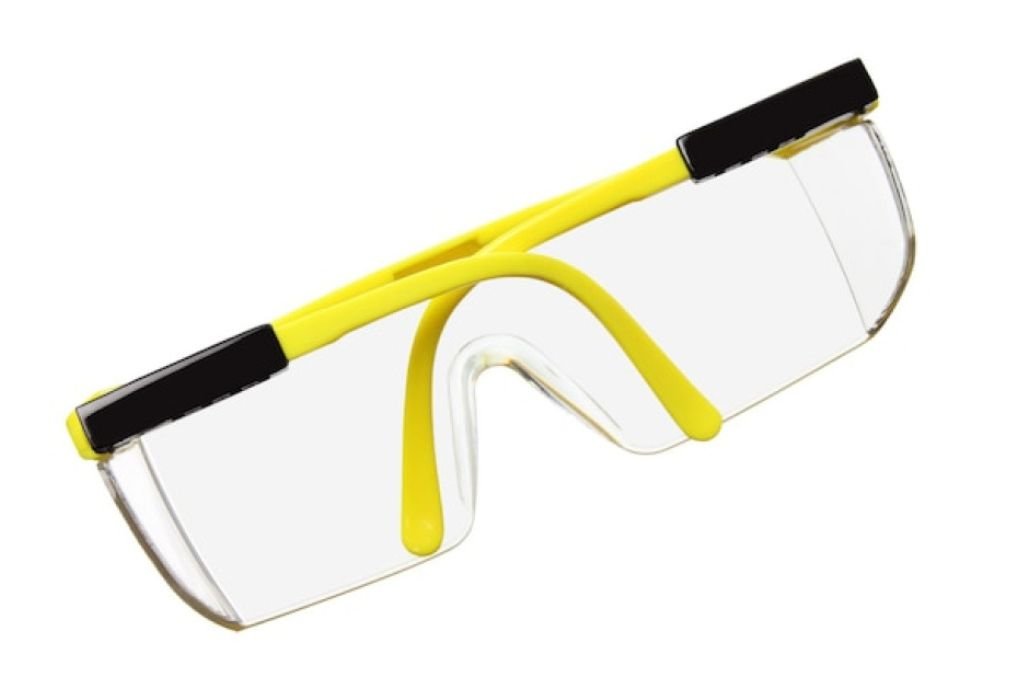
Protective eyewear is evolving rapidly to meet both safety and comfort needs. New materials are making lenses lighter, stronger, and more resistant.
Advanced coatings are now combining anti-fog, scratch resistance, UV filtering, and blue light protection. This makes safety glasses more versatile for everyday use.
Modular designs with interchangeable inserts allow users to customize prescription strength. They also allow quick lens changes depending on the hazard.
Smart safety glasses are emerging with built-in sensors and heads-up displays. These could help workers monitor safety conditions in real time.
Conclusion
The answer to do i need safety glasses if i wear glasses is clear: yes, if hazards are present, regular eyeglasses alone are not enough. Prescription lenses correct vision but fail to protect against impact, dust, or chemical splashes.
Safety glasses provide certified protection designed for hazardous environments. Options such as OTG glasses, prescription safety glasses, or hybrid designs make it easy to stay safe without sacrificing comfort.
Vision is irreplaceable. Choosing proper safety eyewear ensures peace of mind and prevents life-altering injuries. Make protective eyewear a standard part of every task that carries risk.

I’m Michael R. Turner, the founder, lead writer, and passionate DIY enthusiast behind 101diytools.com. With years of hands-on experience in home improvement and power tools, I built this platform to share practical tips, in-depth guides, and honest reviews to help DIYers of all skill levels tackle projects with confidence and the right tools.