Worm Drive vs Sidewinder Circular Saw: Key Differences
Every craftsman faces the same question at some point — worm drive or sidewinder? Both circular saws promise clean, precise cuts, yet they feel completely different in hand. One’s a heavyweight built for torque and endurance. The other’s a sprinter, lightweight and lightning-fast.
Imagine a framing carpenter cutting through thick beams all day. The worm drive’s motor hums with slow, powerful rotations, slicing dense lumber without strain. Now picture a roofer on a ladder — the sidewinder feels like an extension of the arm, light enough to guide effortlessly across plywood.
That’s the essence of this age-old comparison: power versus portability. Worm drives push through resistance with brute force, while sidewinders rely on high blade speed and balance.
According to industry data, worm-drive saws operate between 4,000 and 4,500 RPM but deliver almost double the torque of a sidewinder, which spins at 5,000–6,000 RPM. Both are circular saws, yet they’re designed for different missions.
Understanding the difference between worm drive and sidewinder circular saws helps woodworkers, builders, and DIYers choose the right tool for the job. It’s not just about speed — it’s about control, precision, and the kind of cuts you make every day.
Overview of Circular Saws
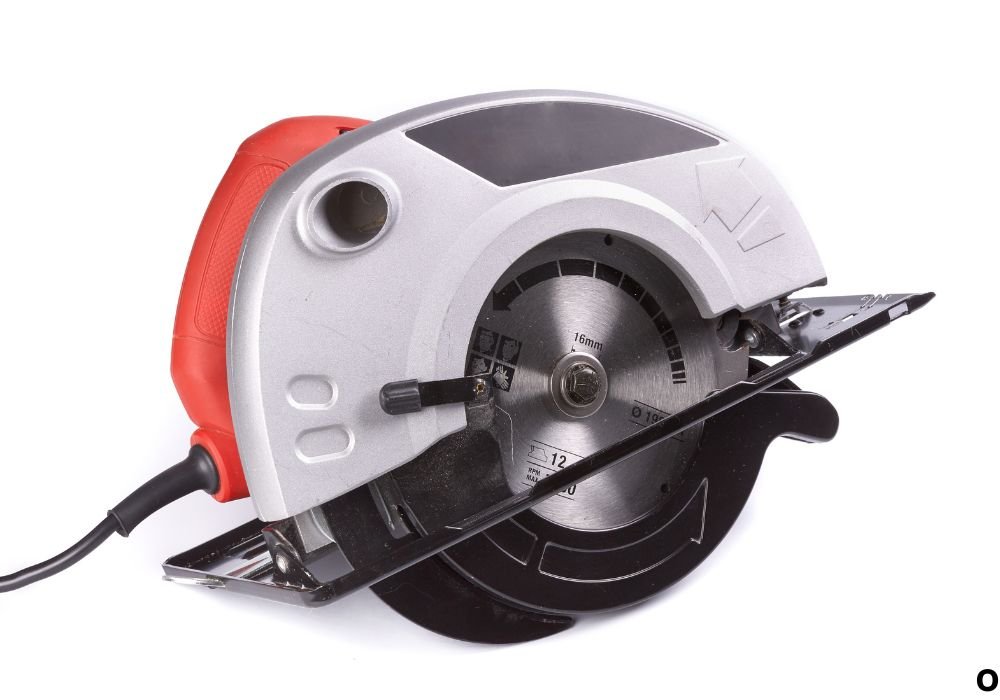
Circular saws are among the most essential tools in woodworking and construction. They combine speed, precision, and versatility in a compact design.
At the heart of every circular saw lies a spinning blade powered by an electric motor. That motor’s orientation and gear type determine how the saw behaves under pressure.
Some saws favor speed; others prioritize torque and stability. Over time, these differences gave rise to two main families — worm drive and sidewinder circular saws.
Both are capable of delivering excellent results, but their internal designs make them better suited for specific types of work. Understanding these distinctions helps users select the perfect saw for their projects.
The choice isn’t about which one is better — it’s about which one matches your cutting style, workload, and comfort. Before comparing their features, let’s understand how each saw works and what makes it unique.
What Is a Worm Drive Circular Saw
A worm drive circular saw is built for power and endurance. It uses a worm gear system, where the motor sits behind the blade and transfers power through angled gears instead of directly connecting to the blade.
This gear setup multiplies torque — the twisting force that pushes the blade through dense materials. As a result, worm-drive saws can handle heavy-duty tasks like framing, ripping thick lumber, and cutting hardwood without bogging down.
Because of the gear arrangement, the tool body is longer and heavier. Most models weigh between 12 and 15 pounds, which adds stability during long rip cuts. The added weight helps the saw stay steady while slicing large boards or beams.
Worm-drive saws typically run at lower speeds (around 4,000–4,500 RPM) but generate significantly higher torque than sidewinders. This makes them ideal for professionals who need power over speed.
Their blade sits on the left side, giving right-handed users a clear line of sight to the cut. However, the angled gear mechanism requires regular lubrication with oil to maintain smooth performance and prevent overheating.
Built for precision, endurance, and raw cutting strength, the worm drive is the preferred choice for framers, carpenters, and contractors who tackle demanding projects daily.
What Is a Sidewinder Circular Saw
A sidewinder circular saw is the most common and lightweight type of circular saw used today. It features a direct-drive motor, where the motor sits beside the blade and connects to it through a spur gear system.
This direct alignment allows the blade to spin much faster than in a worm-drive design. Most sidewinders operate between 5,000 and 6,000 RPM, producing quick, clean cuts across plywood, trim boards, and sheet materials.
Because the motor is mounted parallel to the blade, the tool’s body is shorter and lighter, usually weighing between 8 and 10 pounds. This makes it ideal for overhead work, repetitive cuts, or jobs where portability and control matter most.
Sidewinders are also known as direct-drive saws because power transfers straight from the motor shaft to the blade arbor. This efficiency means fewer moving parts, less maintenance, and reduced energy loss compared to gear-driven models.
While sidewinders deliver higher blade speed, they generate less torque. That trade-off makes them perfect for medium-duty carpentry, home renovation, and DIY projects, where speed and maneuverability are more valuable than brute strength.
With their balance, visibility, and smooth operation, sidewinders have become the go-to circular saw for most woodworkers, builders, and homeowners who want fast, precise performance with minimal effort.
The Core Difference Between Worm Drive and Sidewinder
The main difference between a worm drive and a sidewinder circular saw lies in motor position and gear system. In worm drives, the motor sits behind the blade and transfers power through angled worm gears, while in sidewinders, it sits beside the blade and uses direct spur gears.
This difference shapes how each saw feels and performs. Worm drives produce more torque but lower speed, whereas sidewinders deliver higher speed but less torque.
A worm-drive’s longer body and left-mounted blade give it superior control for deep, straight cuts. A sidewinder’s compact size, however, allows better balance and portability for quick, frequent jobs.
Below is a clear comparison table that summarizes the distinctions:
| Feature | Worm Drive Saw | Sidewinder Saw |
| Motor Position | Behind the blade | Beside the blade |
| Gear Type | Worm gear | Spur gear |
| Speed (RPM) | 4,000–4,500 | 5,000–6,000 |
| Torque | High torque | Moderate torque |
| Weight | Heavier (12–15 lbs) | Lighter (8–10 lbs) |
| Maintenance | Requires gear oil | Minimal maintenance |
| Cut Depth | Deeper, steady cuts | Shallow, faster cuts |
| Best Use | Framing, heavy lumber | Trimming, sheet cuts |
Each design serves a distinct purpose. Worm drives dominate demanding construction tasks, while sidewinders rule in versatility and speed.
Power and Performance Comparison
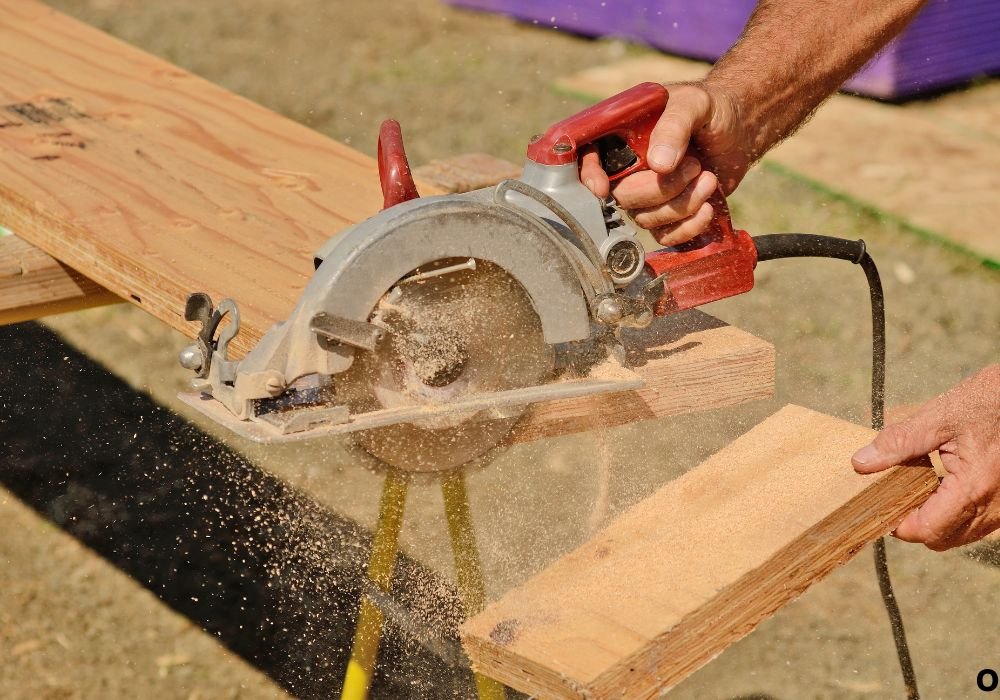
When it comes to raw power, worm-drive saws win every time. Their worm gear mechanism multiplies torque, allowing the blade to push through dense materials without slowing down.
Sidewinders, on the other hand, focus on speed and responsiveness. Their direct-drive motor keeps the blade spinning fast, producing clean, sharp cuts on lightweight materials.
A worm drive’s steady rotation provides more consistent power during deep cuts, making it ideal for professionals who cut framing lumber, beams, or thick hardwood. Meanwhile, sidewinders excel in quick passes, crosscuts, and overhead work where precision and maneuverability matter most.
Speed vs Strength
Speed and strength are two sides of the same coin in circular saw performance. Worm drives trade speed for power, spinning slower but delivering high torque to cut through resistance effortlessly.
Sidewinders trade torque for speed, spinning faster to produce fine, splinter-free cuts with minimal drag. High RPMs give them a smooth, effortless feel, while worm drives maintain steady force even under heavy load.
For high-volume framing or structural carpentry, the worm drive’s strength outperforms every competitor. For trim, flooring, or general woodworking, the sidewinder’s speed ensures efficiency and cleaner edges.
Handling and Balance Differences
Handling plays a major role in choosing between these two saw types. Worm drives have a front-heavy design, which keeps them stable during long rip cuts but makes them slightly harder to lift and maneuver.
Sidewinders are balanced and lightweight, making them comfortable to use for extended periods or overhead tasks. Their compact frame helps reduce fatigue, especially for beginners.
The position of the handles also differs — worm drives typically have rear handles for two-handed control, while sidewinders have top handles for single-hand guidance. This design difference changes the user’s cutting stance and comfort level.
Professionals who value stability during deep cuts often prefer worm drives. DIYers and general contractors usually lean toward sidewinders for their ease of use and mobility.
Visibility and Cut Control
Visibility is one of the most noticeable differences between the two saw types. Worm drives usually have the blade positioned on the left, giving right-handed users a clear line of sight along the cutting path.
This blade placement makes it easier to follow markings precisely, especially during long or deep cuts. The front-heavy design also helps the blade stay straight with minimal deflection.
Sidewinders, on the other hand, often have right-side blades, which can slightly reduce visibility for right-handed users. However, some modern models now offer left-blade configurations to improve cut accuracy.
In general, worm drives provide better cut visibility and control for framing or structural cutting. Sidewinders excel in faster, simpler cuts where mobility matters more than visual alignment.
Weight and Portability
Weight has a direct impact on user comfort and cutting stability. Worm-drive saws are heavier, typically weighing between 12 and 15 pounds, which makes them more stable during deep cuts but tiring to hold for long periods.
This extra weight helps resist kickback and vibration, ideal for professional framers who need consistent pressure across tough lumber. However, it can be challenging for overhead or ladder-based work.
Sidewinder saws are significantly lighter, averaging 8 to 10 pounds, which improves portability and reduces fatigue. The compact size allows users to make quick adjustments or move easily between work areas.
For professionals cutting all day, weight balance becomes crucial — worm drives offer steadiness, while sidewinders deliver comfort and agility.
Maintenance and Longevity
Maintenance is where the worm drive demands more attention. Its angled gear system requires periodic oil lubrication to prevent wear and maintain smooth torque transfer. Neglecting this can lead to overheating and gear damage.
Worm drives are built tough and last for years when maintained properly. Their metal housings and durable gears make them reliable for heavy workloads.
In contrast, sidewinders are nearly maintenance-free. With fewer moving parts and a direct-drive system, there’s no gear oil to change or check. Occasional blade cleaning and bearing inspection are usually enough.
In terms of lifespan, both saws can last a decade or more, but worm drives tend to outperform in endurance-based use, while sidewinders shine in simplicity and low upkeep.
Cost and Availability
Price often reflects performance and build quality. Worm-drive saws are more expensive, typically costing 30–50% more than sidewinders due to their gear design, torque output, and heavy-duty construction.
They are primarily marketed toward professionals who need a saw that can withstand constant, high-stress use. Sidewinders, being more affordable, appeal to both homeowners and contractors who want versatility without added cost.
In terms of availability, sidewinders dominate the consumer market. Almost every power tool brand offers multiple models with varying speeds and power ratings. Worm drives, though fewer in number, remain the preferred choice among framing carpenters and seasoned builders.
Choosing between them often depends on budget and workload frequency — worm drives justify their price in performance, while sidewinders deliver value and convenience.
Safety and User Considerations
Both worm drive and sidewinder saws are powerful tools, but their handling and safety profiles differ. Worm drives, with their extra torque, can kick back harder if the blade binds, requiring a firm two-handed grip and proper stance.
Their added weight helps stability but demands strength and awareness during prolonged use. Sidewinders, being lighter, are easier to control for beginners but can wander off the line if pushed too fast.
Regardless of the type, users should always wear eye and ear protection, keep blades sharp, and let the saw reach full speed before entering the material. Safe handling ensures precision, control, and long tool life.
Which Circular Saw Should You Choose
Choosing between a worm drive and a sidewinder depends on your work style and material needs. If your projects involve heavy framing, thick lumber, or long rip cuts, a worm drive provides the torque and control to power through with ease.
If you value lightweight handling, speed, and portability, a sidewinder is the ideal choice. It’s the go-to option for roofers, remodelers, and DIY users who prioritize mobility over raw strength.
Professionals often own both — a worm drive for demanding cuts and a sidewinder for lighter, faster tasks. Ultimately, the right saw is the one that matches your workload and comfort level.
FAQs About Worm Drive and Sidewinder Circular Saws
What makes a worm drive saw more powerful?
Its angled worm gear multiplies torque, allowing it to cut through dense materials smoothly.
Why do sidewinders spin faster?
They use a direct-drive motor that connects straight to the blade arbor, increasing RPM.
Are worm drives harder to control?
They’re heavier but more stable. With proper stance and grip, control improves significantly.
Which saw type lasts longer?
Worm drives often last longer due to their durable gear housing, provided they’re properly lubricated.
Can both saws use the same blades?
Yes, as long as the blade size and arbor hole match the saw’s specifications.
Why do professionals still prefer worm drives?
They deliver consistent power and precision for framing and structural work.
Which saw is better for beginners?
Sidewinders are lighter and easier to handle, making them perfect for newcomers.
Do worm drives require oil changes?
Yes. The gears need regular oiling to maintain torque and prevent overheating.
Are sidewinders safe for heavy-duty use?
They are safe for moderate workloads but not ideal for deep, continuous cuts through thick lumber.
Which one gives cleaner cuts?
Sidewinders provide smoother finishes at higher speeds, while worm drives deliver cleaner long cuts in tough wood.
Conclusion – Power vs Speed: The Saw You Should Trust
In the worm drive vs sidewinder circular saw debate, there’s no single winner — only the saw that fits your task. Worm drives dominate in torque, precision, and endurance. Sidewinders lead in speed, balance, and everyday convenience.
If you’re cutting heavy beams, choose the strength of a worm drive. If you need agility for fast-paced work, go with a sidewinder. Both designs represent the engineering excellence that makes circular saws indispensable on any job site.
The difference between them isn’t just mechanical — it’s practical. Power or speed, strength or comfort — choose the saw that complements your craft, and every cut will speak for itself.

I’m Michael R. Turner, the founder, lead writer, and passionate DIY enthusiast behind 101diytools.com. With years of hands-on experience in home improvement and power tools, I built this platform to share practical tips, in-depth guides, and honest reviews to help DIYers of all skill levels tackle projects with confidence and the right tools.