Cordless Impact Wrenches Review: Are They Any Good?
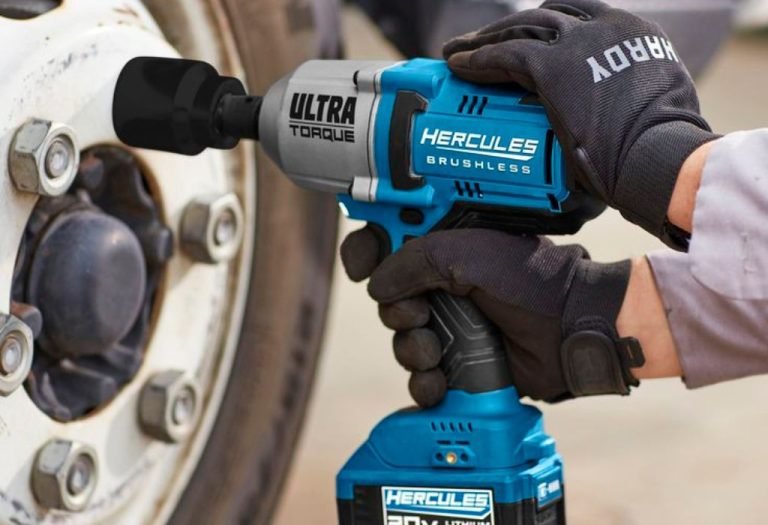
A DIY mechanic reaches for a cordless impact wrench to remove a stubborn lug nut. No cords, no air compressor—just a battery-powered tool promising convenience and power. The question arises: are cordless impact wrenches actually good, or are they just a gimmick?
Cordless impact wrenches have surged in popularity over the past decade. Modern lithium-ion batteries and brushless motors have transformed them from weak, short-lived tools into practical machines capable of handling most home and light professional tasks. Many models now claim torque levels comparable to some entry-level air or corded wrenches, making them appealing for a wide range of users.
Still, skepticism remains. Professionals often point out that cordless tools can’t match the raw torque or continuous power of pneumatic impact wrenches. Batteries can run out mid-job, and high-end cordless models come at a premium price. This raises a key question: are cordless impact wrenches reliable and powerful enough for real-world tasks?
In this article, we’ll review cordless impact wrenches in depth. From torque and runtime to build quality and comfort, we’ll compare popular brands like Milwaukee, DeWalt, Makita, and Ryobi. You’ll also see when a cordless model is the right choice, and when you might be better off with corded or pneumatic alternatives.
By the end, you’ll know whether a cordless impact wrench deserves a spot in your toolbox—or if it’s better as a supplemental tool alongside more powerful options.
What Is a Cordless Impact Wrench?
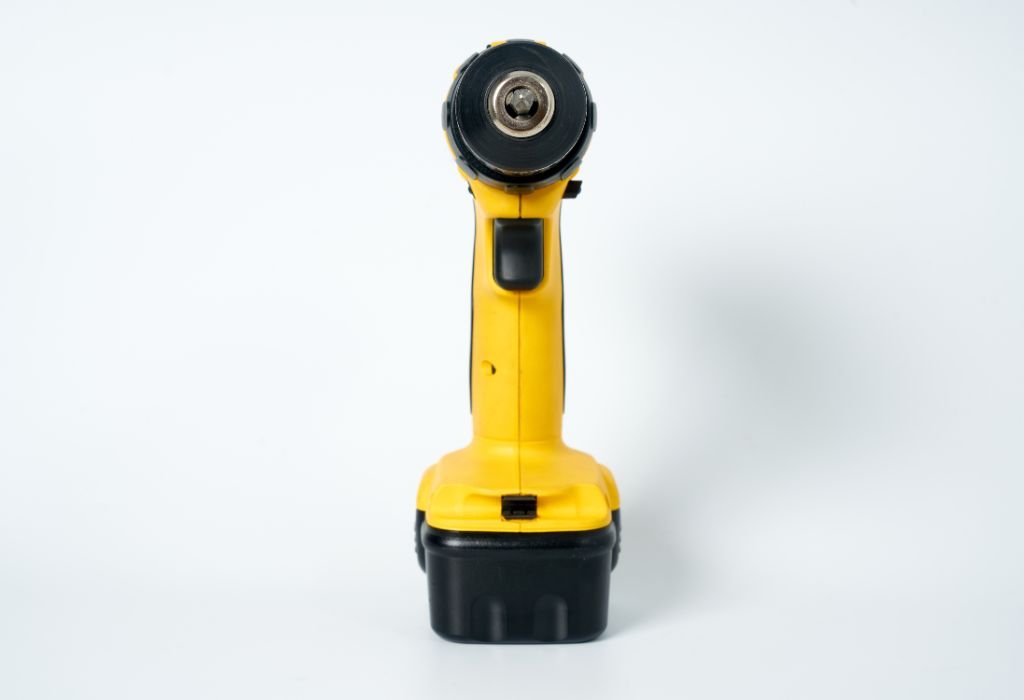
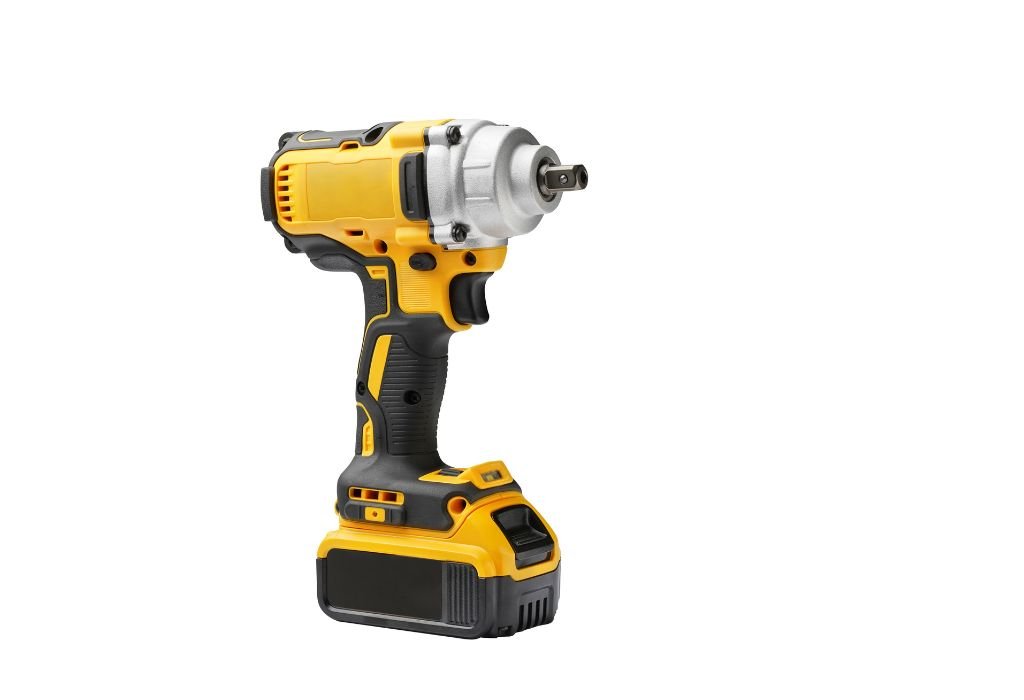
A cordless impact wrench is a battery-powered tool designed to deliver high torque for tightening or loosening bolts. Unlike corded or pneumatic models, it doesn’t require an outlet or air compressor, giving you freedom of movement.
Most cordless impact wrenches use lithium-ion batteries and may feature brushless motors, which improve efficiency and extend runtime. They typically come in ½-inch or ⅜-inch drive sizes, suitable for automotive work, home projects, and light construction.
The tool works by combining a hammer-and-anvil mechanism with battery power, delivering quick bursts of torque to handle fasteners efficiently. Modern designs include variable speed triggers, LED lights, and ergonomic grips for comfort during extended use.
Cordless impact wrenches are particularly popular among DIYers and hobbyists because of their portability, ease of setup, and ability to tackle most medium-duty tasks without additional equipment.
Advantages of Cordless Impact Wrenches
Cordless impact wrenches offer unmatched portability. You can move freely around a garage, driveway, or worksite without worrying about cords or air hoses.
Modern lithium-ion batteries and brushless motors provide longer runtime and more efficient power delivery than older cordless models. This makes them suitable for most DIY and light professional tasks.
They are easy to use and maintain. No need to manage cords or compressors, and most models are lightweight with ergonomic grips.
Cordless wrenches also offer versatility. Many come with variable speed settings, LED lights, and compact designs, allowing access to tight spaces and better control during delicate work.
For hobbyists, weekend mechanics, or light construction projects, cordless impact wrenches combine convenience, portability, and sufficient power for most jobs.
Limitations of Cordless Impact Wrenches
Cordless impact wrenches have some notable drawbacks. Battery life is the main limitation; extended or heavy-duty tasks can drain batteries quickly, requiring spares or frequent recharging.
They generally deliver less torque than pneumatic or high-end corded models, which can be a problem for extremely stubborn fasteners or industrial tasks.
The upfront cost can also be higher. Premium cordless models with multiple batteries and chargers are often more expensive than equivalent corded or entry-level air tools.
Additionally, some cordless wrenches can be heavier or bulkier due to battery placement, which may cause fatigue during long jobs.
Finally, while brushless motors improve efficiency, cheaper models often lack advanced electronics, resulting in inconsistent torque and shorter tool lifespan.
Performance in Real-World Use
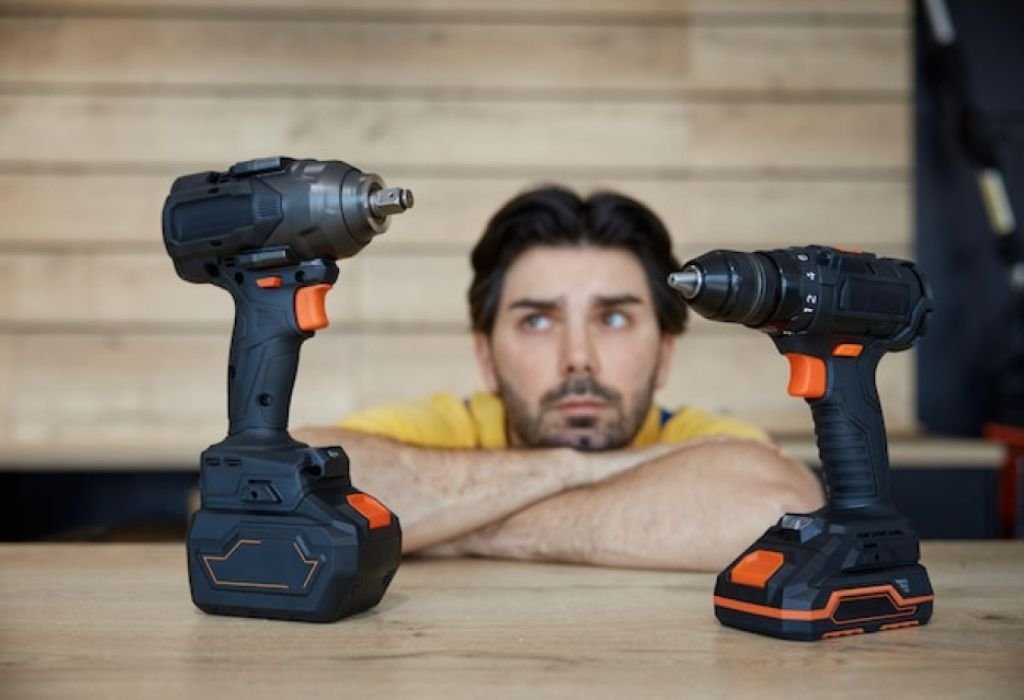
Cordless impact wrenches perform well for most DIY and light professional tasks. They handle lug nuts, brake jobs, and suspension bolts efficiently, making them ideal for home garages.
Battery-powered models provide consistent bursts of torque, though extreme or prolonged jobs may drain batteries faster than anticipated. High-end brushless models maintain better torque over time and handle repeated use more reliably.
For casual mechanics, the portability and ease of setup outweigh the minor torque limitations. In comparison with corded and pneumatic wrenches, cordless models excel in mobility but may fall short in raw power for industrial-grade tasks.
Users generally report satisfaction with modern cordless impact wrenches, praising their speed, lightweight design, and compactness for tight spaces. However, for continuous heavy-duty work, professionals often prefer air or corded models for durability and unlimited runtime.
Comparing Popular Brands
Choosing the right cordless impact wrench often comes down to brand reputation, battery system, and performance. Here’s a breakdown of some of the most popular options.
Milwaukee Cordless Impact Wrenches
Milwaukee is known for high torque and long-lasting batteries. Their brushless motors and RedLithium battery system deliver consistent power for both DIY and professional use. Milwaukee wrenches are durable but come at a higher price.
DeWalt Cordless Impact Wrenches
DeWalt balances portability and power. Their 20V MAX system provides good runtime, and their ergonomic design makes them comfortable for extended use. DeWalt tools are reliable, though slightly heavier than some competitors.
Makita / Bosch / Ryobi
- Makita: Excellent battery efficiency and solid torque; ideal for semi-professional users.
- Bosch: Compact and lightweight, suitable for tight spaces and moderate use.
- Ryobi: Budget-friendly with decent power for casual DIY projects, but not for heavy professional use.
When selecting a brand, consider torque requirements, battery life, comfort, and budget. High-end brands excel in reliability and heavy-duty performance, while budget options are sufficient for occasional use.
Who Should Buy a Cordless Impact Wrench?
Cordless impact wrenches are ideal for DIYers and home mechanics. If you work on your car, change tires, or do occasional repairs, they provide enough power and portability for most tasks.
They also suit light construction or hobbyist projects. Tasks like assembling furniture, fastening medium bolts, or working in tight spaces are easier with a cordless tool.
Professionals may use cordless impact wrenches as a portable backup when a corded or pneumatic wrench isn’t available. However, they may not be suitable as a primary tool for high-frequency, heavy-duty work.
Overall, cordless impact wrenches are best for users who value mobility, convenience, and moderate power rather than industrial-level torque.
When Cordless Might Not Be Enough
Cordless impact wrenches have limitations in heavy-duty or professional environments. High torque applications, such as truck maintenance or industrial machinery, may exceed their capabilities.
Extended jobs can drain batteries quickly, requiring spare batteries or frequent recharging. This can interrupt workflow compared to corded or pneumatic models.
In tight spaces, some cordless models can be too bulky due to battery placement, limiting maneuverability.
For continuous, demanding tasks, professionals often prefer air-powered or high-end corded impact wrenches, which deliver superior torque and unlimited runtime.
Cordless wrenches shine in portability and convenience but are best for moderate tasks and casual users rather than industrial work.
Expert Tips for Maximizing Performance
To get the most from a cordless impact wrench, always use fully charged batteries. Keeping spares ensures uninterrupted work during longer projects.
Choose impact-rated sockets to prevent cracking or damage from high torque. Avoid using standard sockets with cordless wrenches.
Store batteries and the tool in a cool, dry place. Excessive heat or moisture can shorten battery life and damage electronics.
Take advantage of variable speed triggers and brushless motors if your model has them. This allows better control over torque and improves battery efficiency.
Finally, regularly inspect the tool and battery contacts. Clean dust and debris to maintain consistent performance and prolong tool life.
Conclusion
Cordless impact wrenches are highly versatile and convenient tools. They offer portability, decent torque, and the ability to work anywhere without cords or compressors.
For DIYers, hobbyists, and light-to-medium automotive or construction tasks, they are more than sufficient. Modern battery technology and brushless motors make them reliable for most home and occasional professional use.
However, cordless models have limitations. Heavy-duty jobs, continuous work, and extreme torque requirements are better handled by corded or pneumatic tools. Batteries can run out, and some models are bulkier than corded alternatives.
In summary, cordless impact wrenches are excellent for moderate tasks where mobility and convenience matter, but they may not replace industrial-grade tools for professionals. Choosing the right model depends on your torque needs, battery system, and type of work.
FAQs About Cordless Impact Wrenches
1. Are cordless impact wrenches powerful enough for lug nuts?
Yes, most modern models provide sufficient torque for standard lug nuts and typical automotive tasks.
2. How long does a cordless battery last?
Battery life varies by model and task, but lithium-ion packs typically run 30–60 minutes under moderate use.
3. Are cordless impact wrenches better than corded?
Cordless tools offer mobility and convenience, while corded models deliver consistent, unlimited power.
4. Can cordless wrenches replace air tools?
For light to medium jobs, yes. For industrial-level torque, air tools are still superior.
5. Are brushless models worth it?
Yes. Brushless motors are more efficient, produce less heat, and extend battery life.
6. Which brands are the most reliable?
Milwaukee, DeWalt, Makita, and Bosch are highly rated for durability and performance.
7. Are cordless wrenches good for heavy-duty tasks?
They can handle moderate work but may struggle with extremely stubborn bolts or industrial applications.
8. How much torque do cordless impact wrenches deliver?
Torque typically ranges from 200–1000 ft-lb depending on the model and battery system.
9. Do cordless impact wrenches overheat?
High-end models manage heat well, but extended heavy-duty use can cause warming in cheaper tools.
10. Can they be used outdoors in cold weather?
Yes, but battery efficiency may drop in very low temperatures.
11. Are cordless impact wrenches heavy?
Some models are bulkier due to battery placement, but most are ergonomic and manageable for casual use.
12. Are cordless impact wrenches worth the investment?
Yes, for users who value portability, convenience, and moderate torque for home or light professional use.

I’m Michael R. Turner, the founder, lead writer, and passionate DIY enthusiast behind 101diytools.com. With years of hands-on experience in home improvement and power tools, I built this platform to share practical tips, in-depth guides, and honest reviews to help DIYers of all skill levels tackle projects with confidence and the right tools.