Can You Use an Impact Driver as an Impact Wrench
The garage is quiet until you face a stuck lug nut that refuses to budge. With an impact driver in hand, the thought arises: can you use an impact driver as an impact wrench to finish the job?
At first glance, the tools look similar. Both deliver rapid bursts of torque, both are compact, and both promise power. But their design and strength reveal important differences that determine whether they can handle heavy-duty fasteners.
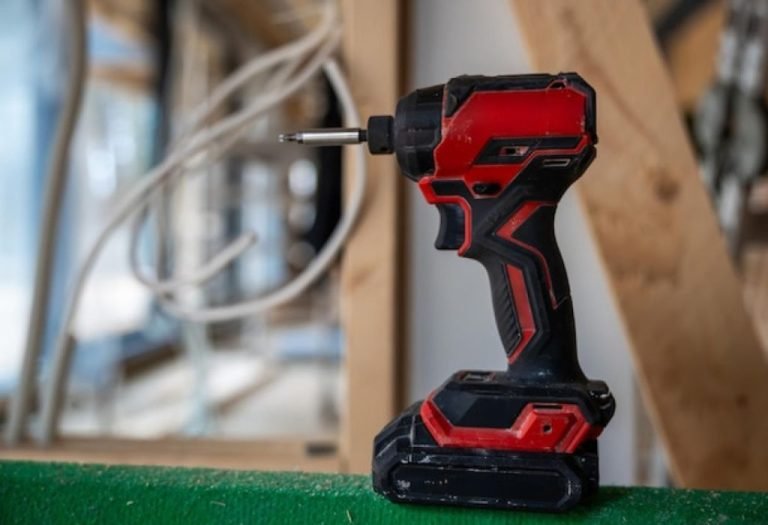
Impact drivers are optimized for speed and versatility. They spin bits and small sockets at high RPM, making them perfect for driving screws and bolts into wood or metal brackets.
Yet their typical torque ranges from 1,500 to 2,000 in-lb (about 125–170 ft-lb), which falls short of what many automotive applications require (Milwaukee Tool).
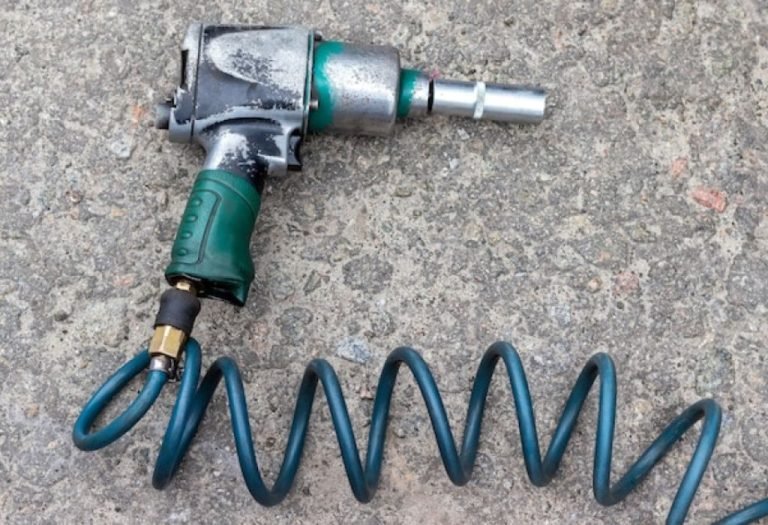
By contrast, an impact wrench trades speed for raw force. A standard 1/2-inch high-torque wrench can deliver up to 1,200 ft-lb fastening torque and 1,600 ft-lb breakaway torque, enough to handle lug nuts, suspension bolts, and rusted fasteners (Milwaukee M18 FUEL).
This order-of-magnitude difference explains why one tool struggles while the other excels.
The risk of using the wrong tool goes beyond wasted time. Adapters can shatter, sockets can crack, and over-torqued or under-torqued fasteners compromise safety.
These concerns make understanding tool limits critical for both DIYers and mechanics.
This guide explores where an impact driver can substitute for a wrench, where it fails, and how to use adapters and sockets safely.
By the end, you’ll know exactly when each tool belongs in your hands and how to avoid costly mistakes.
Quick Answer — Can You Use an Impact Driver as an Impact Wrench?
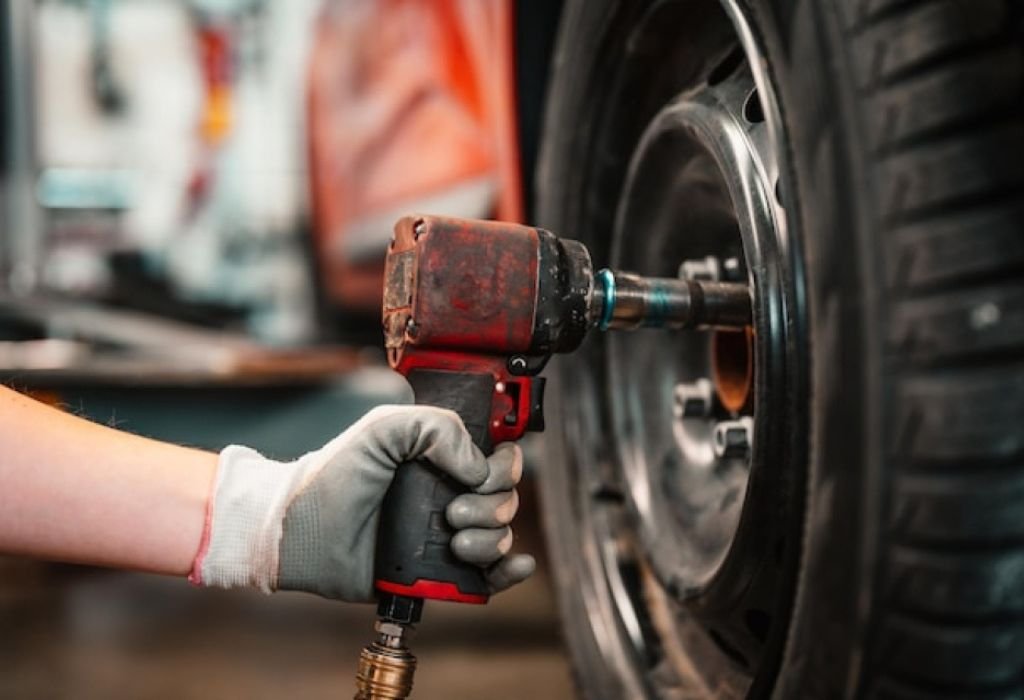
The short answer is sometimes, but not for heavy-duty jobs. An impact driver can handle small nuts, bolts, and light fastening, but it lacks the torque for tasks like lug nuts or suspension work.
Impact drivers use a 1/4-inch hex collet designed for bits and small sockets. Impact wrenches, however, feature 3/8-inch or 1/2-inch square drives that are built to deliver far more torque.
While a driver prioritizes speed (RPM and impacts per minute), a wrench delivers raw twisting force (breakaway torque). This makes wrenches the clear choice for stuck or rusted fasteners.
In short, an impact driver can pinch-hit in light applications, but for automotive or industrial bolts, an impact wrench is the correct and safer tool.
Will an impact driver remove lug nuts?
Only if they’re lightly torqued; seized or over-tightened lugs usually stop a driver.
Why is a 1/2-inch impact wrench recommended for wheels?
Because it provides enough breakaway torque to loosen standard automotive lug nuts.
Is using a driver bad for bolts?
Not if you use impact-rated sockets and stay within torque limits.
Do you need a torque wrench afterward?
Yes, always check final tightness with a torque wrench for safety.
Can cordless drivers replace pneumatic wrenches?
No, cordless drivers lack the torque that air or cordless impact wrenches deliver.
Tool Anatomy — Hex vs Square, RPM vs Torque
The output connection defines the tool’s purpose. Impact drivers use a 1/4-inch hex collet for bits and small accessories, while impact wrenches rely on 3/8-inch or 1/2-inch square drives designed for sockets.
Impact drivers are engineered for high RPM and impacts per minute (IPM). This makes them fast for repetitive fastening but weak for stubborn bolts.
Impact wrenches emphasize breakaway torque instead of speed. They hit harder and slower, making them ideal for automotive and industrial use.
Understanding these core differences prevents tool misuse and ensures you don’t push a driver beyond safe limits.
What’s “breakaway” torque?
It’s the maximum twisting force required to loosen a stuck fastener.
Why do drivers feel faster?
They operate at higher RPM and IPM.
Are 3/8-inch wrenches enough?
Yes, for medium-duty fasteners, but 1/2-inch is the standard for wheel lugs.
Do adapters change the drive?
They allow socket use but don’t increase torque.
Are chrome sockets safe to use?
No, always use impact-rated sockets.
Real Numbers — Typical Torque by Tool Class
Torque ratings show the gap clearly. A typical impact driver outputs 1,500–2,000 in-lb (125–170 ft-lb). That’s enough for screws, lags, and small bolts, but often not enough for lug nuts.
A compact 1/2-inch impact wrench delivers 250–500 ft-lb, while high-torque models reach 1,200 ft-lb fastening torque and 1,600 ft-lb breakaway torque. This power removes rusted lugs that no driver could touch.
Torque numbers matter because fasteners often require more torque to loosen than to tighten. That’s why drivers stall where wrenches succeed.
Why did my driver stall on lugs?
Because lug nuts often exceed its torque capacity.
Can a compact 1/2-inch wrench be enough?
Yes, most mid-torque wrenches handle cars and light trucks.
Do “torque settings” equal spec torque?
Not exactly—always confirm with a torque wrench.
Is 80–100 ft-lb all lugs need?
Yes for tightening, but removal may require more due to rust or overtightening.
Does 2,000 in-lb mean a driver can handle wheels?
No, that’s still marginal compared to a true impact wrench.
Using Adapters — What Works, What Breaks
Hex-to-square adapters let you use sockets with drivers. They’re handy but have limits.
Adapters often snap when exposed to high torque, especially with rusted or overtightened fasteners. Using them on lug nuts risks breaking the adapter or damaging the driver.
For light-duty use, impact-rated adapters are safe. But they should never replace a true wrench for automotive work.
Can an adapter make my driver a wrench?
Only for light jobs; it doesn’t add torque.
Why do adapters break?
Their small shank can’t handle heavy impact loads.
Is a 3-pack of adapters a solution?
Yes, for consumable use, but expect failures on tough bolts.
What about reducer adapters on wrenches?
Safe for reducing drive sizes but not for increasing torque.
Do wobble extensions reduce torque?
Slightly, yes—short and direct setups are best.
Where an Impact Driver Is Fine (and Smart)
Impact drivers shine in woodworking, construction, and light mechanical jobs. They’re perfect for lag bolts, deck screws, metal brackets, and small bolts with impact sockets.
Their light weight and compact size make them easier to handle all day compared to wrenches. They’re the go-to choice for high-volume fastening.
Using the right accessories—impact-rated bits and sockets—maximizes safety and performance.
Can a driver handle M8/M10 bolts?
Yes, if not corroded and with proper sockets.
Do you need to pre-drill for lags?
Yes, especially in dense wood, to prevent splitting.
Should you use clutch modes?
Yes, they prevent stripping and overdriving.
Do bits matter?
Yes, always use impact-rated bits.
Can you finish with a driver alone?
No, confirm critical fasteners with a torque wrench.
Where You Need a Real Impact Wrench
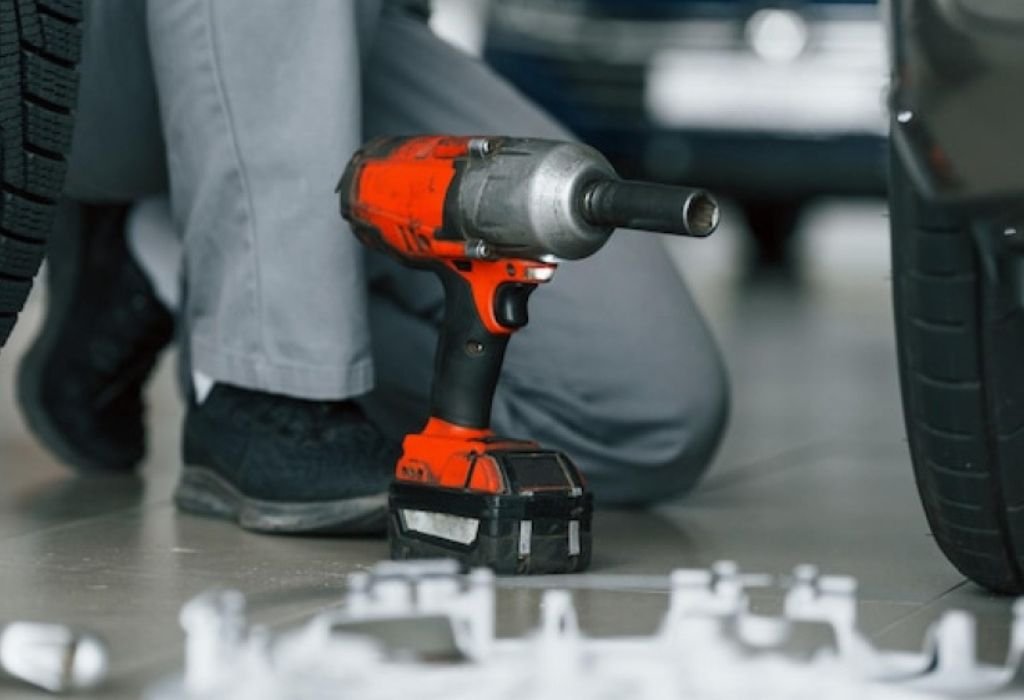
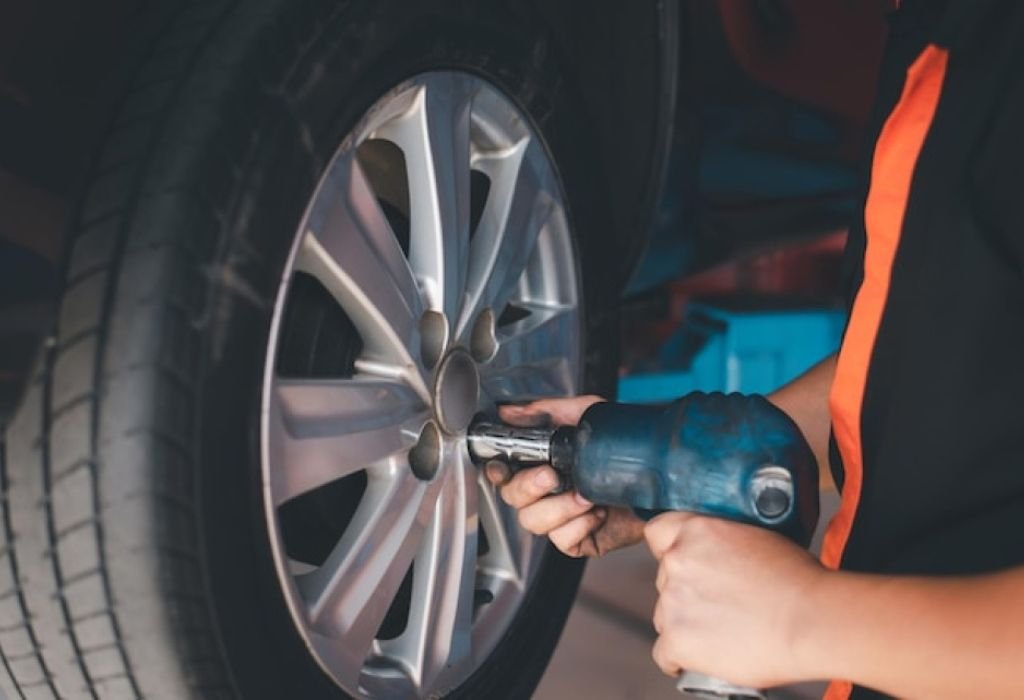
Automotive, suspension, and heavy equipment demand impact wrenches. Lug nuts, axle bolts, and rusted fasteners exceed what a driver can handle.
Impact wrenches also provide consistent torque delivery, reducing strain and preventing fastener damage.
For wheels, suspension, and any job where safety matters, use a 1/2-inch impact wrench.
Can an impact driver replace a wrench on cars?
No, only in light situations.
Do wheel lugs need a wrench?
Yes, always use a 1/2-inch wrench for safe removal.
What about suspension bolts?
They require torque levels beyond drivers.
Is a breaker bar an alternative?
Yes, but impacts are safer and faster.
Cordless or air wrench?
Both work—choose based on your setup.
Cordless vs Pneumatic Wrenches
Cordless impact wrenches are now powerful enough for most users. They’re convenient, portable, and require only charged batteries.
Pneumatic impact wrenches excel in shops with air systems. They run indefinitely but need compressors sized for CFM at 90 PSI.
Both have their place, but cordless dominates for mobile and DIY users.
Are cordless wrenches strong enough?
Yes, modern 18V/20V models rival air tools.
What size compressor is needed for air wrenches?
It depends, but typically 4–6 CFM at 90 PSI minimum.
Do batteries lose power in the cold?
Yes, keep them warm.
Do air tools need oiling?
Yes, daily lubrication is required.
Which is cheaper long term?
Cordless for occasional use; pneumatic for heavy shops.
Sockets, Torque Control, and Fastener Health
Always use impact-rated sockets with either tool. Chrome sockets can shatter under impact loads.
Torque sticks are helpful for wheels, but always confirm with a torque wrench. Cross-pattern tightening ensures even seating.
Over-torque or under-torque can damage fasteners and compromise safety.
Can chrome sockets be used?
No, use impact-rated only.
What are common wheel sizes?
19, 21, or 22 mm, but check vehicle specs.
Will a driver over-tighten?
Yes, especially on small bolts.
Why use a cross-pattern?
It ensures even clamping.
Should anti-seize be used on lugs?
Only if manufacturer specifies.
Techniques for Stuck Fasteners
Stubborn bolts require more than brute force. Penetrating oil, heat, and rocking the tool back and forth help free rusted nuts.
If a driver stalls, step up to a high-torque wrench. Using the wrong tool risks stripping or breaking fasteners.
Does penetrating oil work?
Yes, but allow time to soak.
Is heat effective?
Yes, but avoid damaging seals.
Why does my driver click without turning?
It’s underpowered for the fastener.
What if the nut is rounded?
Use specialty removal sockets.
Should a breaker bar be used first?
Sometimes, but impacts are safer.
Safety Essentials
Safety is critical with high-torque tools. Always wear safety glasses, secure workpieces, and avoid loose clothing.
Use jack stands when working under vehicles, and never trust a jack alone. Keep bystanders clear when using impacts.
Are safety glasses necessary?
Yes, adapters and sockets can shatter.
Do left-hand threads exist?
Yes, on some wheels—always check first.
Is it safe with children nearby?
No, impacts create flying debris.
Should final torque always be checked?
Yes, always with a torque wrench.
Do detent pins vs friction rings matter?
Yes, they affect socket retention.
Decision Guide — Which Tool to Buy First
If your work is mostly woodworking and light fastening, start with an impact driver. It’s versatile, light, and affordable.
If you regularly service vehicles, invest in a 1/2-inch impact wrench. It ensures safety and efficiency. Many professionals eventually own both.
Can one tool do all?
No, each has a distinct purpose.
What’s a budget strategy?
Buy a driver first and rent a wrench when needed.
Are adapters a good idea?
Only for light-duty use.
Is mid-torque a sweet spot?
Yes, for most auto work.
What accessories are essential?
Impact sockets and a torque wrench.
Conclusion
So, can you use an impact driver as an impact wrench? The answer is only for light tasks. For lug nuts, suspension bolts, or rusted fasteners, you need a true impact wrench.
Use the right sockets, confirm torque with a wrench, and match your tool to the job. Doing so ensures safety, protects fasteners, and saves time.

I’m Michael R. Turner, the founder, lead writer, and passionate DIY enthusiast behind 101diytools.com. With years of hands-on experience in home improvement and power tools, I built this platform to share practical tips, in-depth guides, and honest reviews to help DIYers of all skill levels tackle projects with confidence and the right tools.