Can You Power Sand Brick? What You Should Know
When you look at an old brick wall coated in peeling paint or rough residue, grabbing a power sander might feel like the quickest solution.
But before you plug it in, it’s worth asking — can you power sand brick safely and effectively?
Unlike wood or drywall, brick is a hard yet porous material that reacts differently to sanding.
Using the wrong method can erode its surface, weaken its structure, and shorten its life span.
Many DIY renovators assume power sanding is a simple fix for uneven or stained brickwork.
However, experts warn that aggressive sanding can remove the outer “fired shell” layer that protects the brick from moisture and damage.
According to the National Institute for Occupational Safety and Health (NIOSH), brick dust may contain crystalline silica, which can cause serious respiratory problems if inhaled.
That’s why proper tools, dust control, and protective gear are critical before you begin.
Still, in some cases, power sanding can be an efficient way to clean or restore brick surfaces.
This guide explains when it’s appropriate, what risks to avoid, and which tools make the process safe and effective.
What Does Power Sanding Brick Mean?
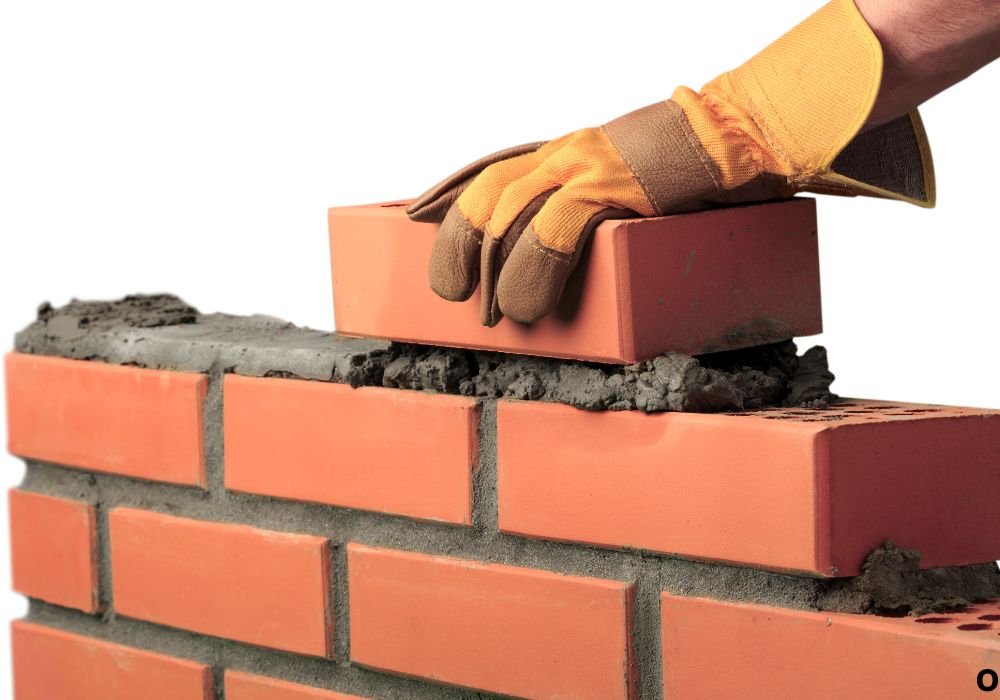
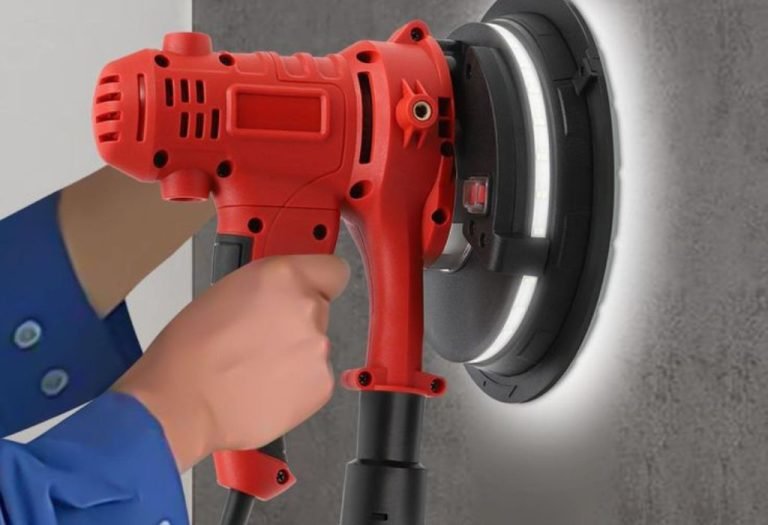
Power sanding brick means using a motorized tool to smooth, clean, or remove surface coatings from brick or masonry.
Common tools include orbital sanders, angle grinders with abrasive pads, and rotary sanders equipped with masonry-grade attachments.
The goal isn’t always to make the surface shiny or perfectly smooth.
Most of the time, sanding is used to remove paint, mortar residue, or to prepare the surface for sealing or repainting.
Because brick is much harder than wood, you need tougher abrasives such as silicon carbide pads or diamond sanding discs.
The process requires slower speeds and consistent movement to prevent gouging or overheating.
Questions and Answers
What is power sanding in masonry work?
It’s the process of using an electric sander or grinder to remove debris, paint, or surface imperfections from brick.
Is power sanding the same as grinding?
No — grinding removes more material, while sanding is lighter and meant for surface-level cleaning.
Can you use a regular orbital sander on brick?
Only if it’s equipped with heavy-duty masonry sanding discs designed for abrasive materials.
What’s the goal of power sanding brick?
Usually to create a clean, uniform surface before painting or sealing.
Is power sanding suitable for all brick types?
No — softer or historic bricks may crumble or lose texture when sanded.
Why You Might Want to Power Sand Brick
There are several valid reasons to power sand brick, especially during renovation or restoration.
It helps remove old paint layers, mortar splatters, or calcium deposits without harsh chemicals.
Sanding also improves adhesion for new coatings, sealers, or primers applied afterward.
For indoor brick walls, it can reveal a fresh, rustic texture ideal for decorative finishes.
It’s also faster than manual wire brushing and often gives more consistent results on large areas.
However, success depends entirely on tool choice and the care used during sanding.
Questions and Answers
When is power sanding brick useful?
When removing paint, efflorescence, or rough buildup from non-historic brickwork.
Can sanding help prepare brick for painting?
Yes — it smooths the surface so paint or sealer adheres evenly.
Does power sanding restore the look of old bricks?
It can remove dull outer layers, revealing brighter, cleaner surfaces beneath.
Is it faster than manual cleaning?
Definitely — power tools save time on large or heavily coated areas.
Does sanding improve brick durability?
Only if done gently; over-sanding can reduce long-term strength.
Risks and Limitations of Power Sanding Brick
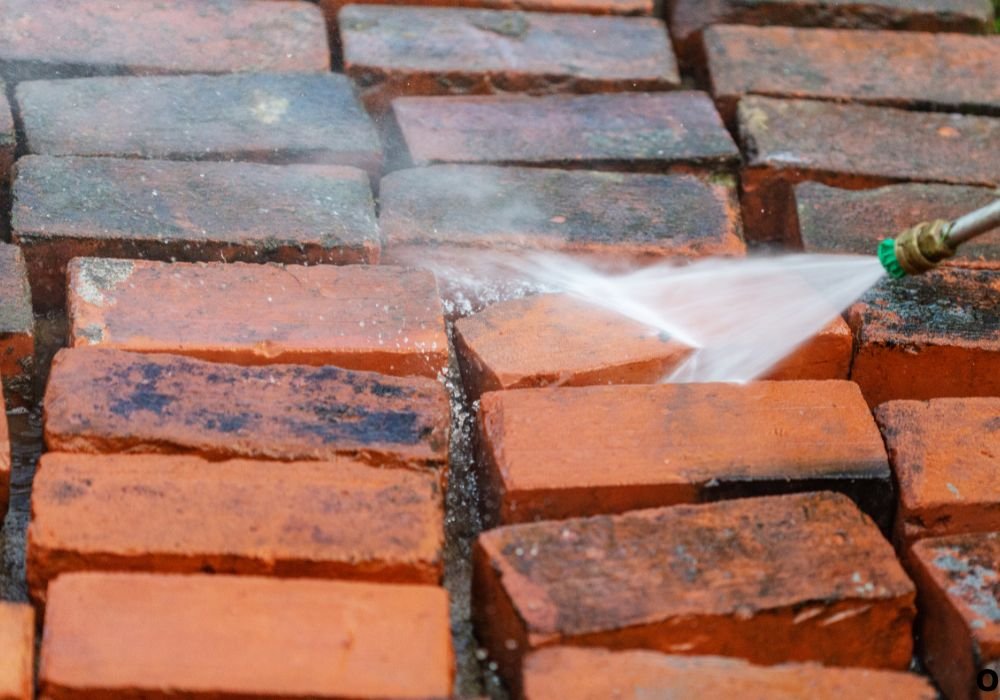
Power sanding brick isn’t without risk.
If done improperly, it can damage both the brick and your health.
The biggest danger is removing the protective outer surface, known as the “fire skin.”
Once that layer is gone, the brick becomes porous and more vulnerable to moisture damage and crumbling.
Dust is another concern — sanding brick generates fine particles that can contain silica, posing a serious hazard if inhaled.
You must wear a respirator, goggles, and gloves and use dust extraction or wet sanding methods to stay safe.
Lastly, sanding can cause uneven results if pressure or movement isn’t consistent.
Old or handmade bricks are particularly prone to damage from aggressive power tools.
Questions and Answers
What kind of damage can sanding cause?
It can remove the outer protective layer, leaving bricks more porous and weak.
Is dust from brick sanding dangerous?
Yes, silica dust can cause lung disease and should always be controlled.
Can sanding overheat the brick surface?
Yes, high-speed sanding can generate heat cracks or discoloration.
Are historic bricks safe to sand?
No, they’re softer and often protected — use chemical or low-impact methods instead.
Can uneven sanding ruin appearance?
Yes, it creates patchy textures that are difficult to fix later.
How to Safely Power Sand Brick — Tools and Technique
Before you begin, gather proper tools, safety gear, and dust control equipment.
Always inspect the brick for damage, cracks, or softness before sanding.
Use an orbital sander or angle grinder with a silicon carbide or diamond sanding pad.
Avoid coarse grits below 60 to reduce the risk of scarring the surface.
Start at low speed and move in steady, overlapping strokes.
Keep the tool flat against the brick and avoid pressing down too hard.
After sanding, vacuum or wipe down the brick to remove dust before applying any finish.
If the brick will be painted or sealed, wait until the surface is completely dry.
Questions and Answers
What tools are best for power sanding brick?
Angle grinders or orbital sanders with masonry-rated sanding discs.
What safety gear should you wear?
Respirator, goggles, gloves, ear protection, and a long-sleeve shirt.
Should you sand dry or wet?
Wet sanding helps control dust but requires slower speed and waterproof tools.
How can you protect nearby areas?
Cover surrounding surfaces with plastic sheeting to contain dust and debris.
What’s the best grit to start with?
Start with 80-grit for paint removal and finish with 120-grit for a smoother texture.
Alternatives to Power Sanding Brick
If sanding seems too risky or messy, there are safer alternatives.
Chemical strippers, soda blasting, and low-pressure washing can remove coatings without harming the brick surface.
Manual wire brushing works well for small areas or detailed cleaning.
Soft blasting methods, such as dry ice or sponge blasting, preserve the brick’s texture while removing debris effectively.
Each option varies in cost, time, and surface impact.
Choose one based on the age and condition of your brickwork.
Questions and Answers
When is chemical stripping better than sanding?
When removing multiple paint layers or delicate finishes on older bricks.
What about pressure washing?
Use only low-pressure settings to prevent water penetration and damage.
Can soda blasting replace sanding?
Yes — it’s gentler and environmentally friendly for large-scale cleaning.
Is manual sanding effective?
Yes, for small jobs where precision matters more than speed.
What’s the safest method for historic buildings?
Low-impact cleaning like sponge or dry ice blasting.
Final Verdict: Can You Power Sand Brick?
So, can you power sand brick?
Yes — but only when done correctly, with the right equipment and a cautious approach.
Power sanding can effectively remove paint, stains, and surface buildup, leaving a refreshed finish.
However, misuse can permanently damage the brick’s surface and create health hazards from dust exposure.
If you’re dealing with modern, dense bricks in good condition, power sanding is generally safe with proper technique.
For older or softer bricks, it’s best to use gentler methods to preserve structure and texture.
Questions and Answers
Is power sanding brick always recommended?
No — it depends on brick hardness, condition, and your skill level.
What’s the biggest mistake people make?
Using too much pressure or the wrong grit, which can scar the surface.
Does power sanding remove all coatings completely?
Usually yes, but stubborn layers may still require chemical assistance.
Can beginners try this method?
Yes, with proper safety gear, slow speed, and practice on test areas first.
What’s the takeaway?
You can power sand brick — but do it safely, slowly, and with respect for the material.
Conclusion
Power sanding brick can be both effective and dangerous, depending on how it’s done.
It’s a powerful tool for surface cleaning and restoration but requires care to avoid irreversible damage.
Always assess your brick type, use the right tools, and take every dust-control precaution possible.
For delicate or historic projects, choose chemical or low-impact alternatives instead.
Final answer: Yes, you can power sand brick, but only if you use the right equipment, safety gear, and gentle technique.
Done correctly, it can renew your brick’s surface and prepare it for years of lasting beauty.

I’m Michael R. Turner, the founder, lead writer, and passionate DIY enthusiast behind 101diytools.com. With years of hands-on experience in home improvement and power tools, I built this platform to share practical tips, in-depth guides, and honest reviews to help DIYers of all skill levels tackle projects with confidence and the right tools.