Can You Cut Safety Glass With a Glass Cutter?
The shower panel arrives perfectly polished but 6 millimeters too wide, and a shiny glass cutter looks like a quick rescue. The label reads safety glass, and the project stalls on a costly decision.
Confusion grows because online clips show effortless scores and snaps.
The truth is that safety glass is not a single product and the type determines everything.
Understanding this question protects budgets and prevents injuries.
Workplaces record about 20,000 eye injuries each year that require medical treatment, many of which are preventable with proper protection.
Sources: BLS, AAO
Two common forms dominate the market with opposite behavior under a cutter.
Tempered shatters when scored, while laminated can sometimes be resized by separating the interlayer.
This guide answers the core query can you cut safety glass with a glass cutter with clear decisions and safe alternatives.
The flow moves from definitions to risks, then into professional methods and ordering tips.
Can You Cut Safety Glass With a Glass Cutter? The Short Answer

Most projects need a fast rule before time or money is lost. The rule is no for tempered and maybe for laminated with professional technique.
Tempered glass is heat strengthened and reacts to a score by dicing into small beads. Laminated glass bonds plies with a plastic interlayer and can sometimes be cut by scoring both faces and separating the interlayer.
Can you cut safety glass with a glass cutter if it is tempered?
No, a score releases internal stress and the pane shatters.
Can you cut safety glass with a glass cutter if it is laminated?
Possibly, but it requires scoring both sides and cleanly severing the interlayer.
Is grinding a tempered edge to trim a little safe?
No, edge work after tempering often triggers failure.
Do auto and architectural panes follow the same rule?
No, windshields are laminated while many side and rear auto windows are tempered.
Understanding Safety Glass Types: Tempered vs Laminated
Tempered safety glass is heat treated to create high surface compression and a safe break pattern. Laminated safety glass bonds two or more plies with a PVB interlayer that holds fragments together.
References: Tempered glass, Laminated glass
Tempered is about four to five times stronger than annealed, but fabrication must be done before tempering. Laminated allows controlled separation of the interlayer during resizing when done by trained pros.
Reference: Toughened glass strength
What makes tempered a poor candidate for cutting?
Surface compression and internal tension cause instant failure when cracked.
Why can laminated sometimes be cut?
The glass plies can be scored and the interlayer can be sliced with heat and a thin blade.
Which type is used in windshields and why?
Windshields are laminated so fragments adhere to the interlayer during impact.
Which type is common in shower doors and side windows?
Tempered is common because it is strong and breaks into small beads.
How can the type be verified on a loose panel?
Look for a corner stamp or visible interlayer line at the edge.
Identifying by Application and Markings
Vehicle windshields, glass floors, and many security panes are laminated by design. Shower doors, side windows, and many furniture tops are tempered with an etched label.
Do all certified panes carry markings?
Most safety glazing carries permanent marks indicating type and standard.
Can polarized sunglasses reveal tempering stress?
Stress patterns sometimes appear through polarized lenses on tempered surfaces.
Is thickness a reliable indicator?
No, both types are available in multiple thicknesses.
Should a supplier confirm the type in writing?
Yes, documentation reduces costly mistakes.
The Physics: Why Tempered Glass Shatters When Scored
Tempering creates surface compression that resists small cracks and increases strength. A score overcomes that balance and allows a crack to race through the sheet.
Shattering into small chunks reduces severe laceration risk yet destroys the panel. Any new cuts, holes, or edge grinding must be performed before tempering to prevent failure.
Reference: Tempered glass fundamentals
Can cooling or heating remove temper at home?
No, de-tempering requires controlled furnace cycles and professional equipment.
Can a waterjet cut tempered glass cleanly?
Standard waterjet cutting is not suitable for tempered glass.
Is drilling a hole in tempered glass after heat treatment possible?
No, drilling introduces a stress riser that causes failure.
Does extremely light scoring avoid breakage?
Even light scores act as crack starters and lead to shattering.
Laminated Safety Glass: When Cutting May Be Possible
Laminated glass sandwiches a PVB interlayer between glass plies, which holds fragments on impact. This construction allows controlled resizing with precise scoring and interlayer separation.
Reference: Laminated glass
Professionals score both faces, run the score, warm the interlayer, and slice it with a foil cutting blade or heated wire. Edges are dressed to minimize delamination and to restore a safe profile.
Do both faces need to be scored before separating the interlayer?
Yes, each glass ply must fracture along the line to guide the blade.
What separates the interlayer after scoring?
A thin foil blade or heated wire slices softened PVB cleanly.
Can a heat gun alone release PVB without a blade?
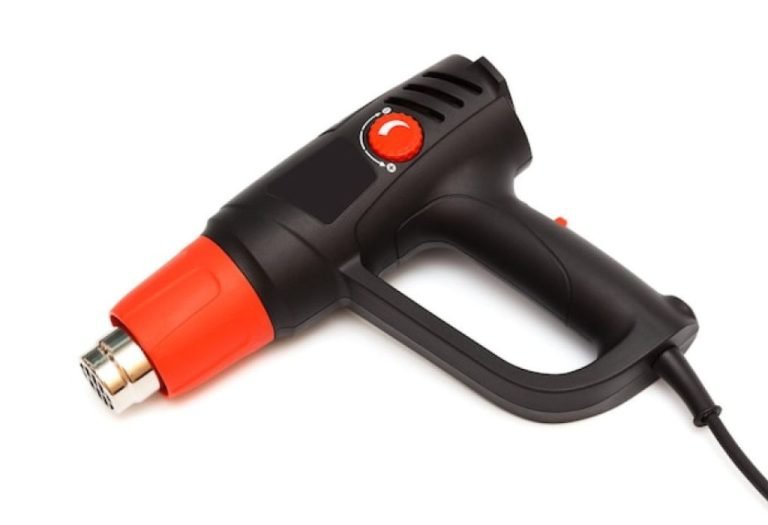
Heat softens PVB, but a controlled cut is still required.
Is the resulting edge as strong as a factory edge?
Factory edges are more consistent, and poor technique can cause delamination.
When should a shop handle the job instead of DIY?
Complex shapes, tight tolerances, and expensive assemblies belong with a glazing shop.
Step-by-Step Pro Method (Overview)
The glass is cleaned, supported, and measured with allowances for finish. Scores are made with a quality cutter, then the interlayer is warmed and cut, and the edge is dressed.
Is scoring oil useful for clean lines?
Yes, proper oil and pressure produce a crisp, controlled score.
What tool stability prevents wandering cuts?
A straightedge with clamps improves accuracy on long runs.
Can EVA or SentryGlas interlayers be handled the same as PVB?
Properties differ, so shops adjust heat and cutting technique accordingly.
Should edges be polished after trimming?
Light dressing improves appearance and reduces stress points.
Safety First: PPE, Breakage Behavior, and Injury Risk

Tempered glass breaks into many small beads that spread across the area. Laminated glass keeps fragments attached to the interlayer, but fresh edges remain sharp.
Most severe eye injuries can be prevented with appropriate protection, so PPE is non-negotiable. Use ANSI Z87.1 eye protection, cut-resistant gloves, sleeves, and sturdy footwear.
Source: AAO prevention data
Is a face shield helpful for tempered work?
Yes, it shields against fragment spray during unexpected failure.
What is the safest cleanup method after a shatter event?
Use a broom and a vacuum with a brush tool, not bare hands.
Is a respirator needed for edge dressing?
A dust mask or respirator is recommended when grinding produces fine particles.
Should the bench be padded or rigid?
A padded, stable bench reduces point loads and accidental stress spikes.
Are sleeves and long pants necessary for small trims?
Yes, minor tasks still present laceration risk.
Decision Tree: Identify Your Glass and Choose the Right Path
Read the corner stamp and inspect the edge to confirm the type. Choose the path that matches the construction and the project tolerances.
Tempered panels that are oversize must be reordered with all fabrication performed before tempering. Laminated panels may be resized by a shop using interlayer separation methods.
What if the piece is only a few millimeters too wide?
Trimming tempered is not feasible and a new piece should be ordered.
Who can safely trim laminated panes?
Seek a glazing shop with interlayer cutting gear and finishing tools.
What if the label is missing and identification is uncertain?
Request a shop inspection before attempting any work.
Can a tile saw trim safety glass in emergencies?
Saws are not appropriate for tempered and can damage laminated edges.
What documents should be kept after ordering a replacement?
Keep spec sheets and labels that confirm glass type and thickness.
Field Checks That Help Identification
Use application clues and markings before attempting any cut. Windshields are laminated while many shower doors are tempered.
Do phone flash patterns help identify tempering?
Stress patterns may appear through polarized materials and hint at tempering.
Is tapping the edge a good test?
Sound varies by support and is unreliable compared with labels.
Can a visible plastic layer at the edge confirm lamination?
Yes, a faint line often appears where the interlayer sits.
Tools and Methods Compared
A handheld glass cutter scores annealed glass and the outer plies of laminated glass. A foil cutting blade or heated wire separates the softened interlayer.
CNC tables and automated lines increase accuracy and reduce scrap on complex shapes. Waterjet is valuable for many materials but is not a solution for tempered glass.
Reference: general overview via waterjet limitations
Is a basic glass cutter enough for safety glass work?
It is suitable for scoring in laminated processes, not for cutting tempered.
What damages laminated edges most often?
Dull blades, insufficient heat, and twisting during separation cause delamination.
Is an adhesive removal wire the same as an interlayer cutter?
Windshield wires are designed for urethane adhesives and do not cut tempered glass.
Do shops polish edges after trimming laminated panes?
Yes, finishing improves appearance and reduces stress concentrations.
Can consumer heat guns provide enough heat for PVB separation?
Heat helps, but control and blade quality are equally important.
When to Use CNC vs Manual Techniques
Manual methods suit straight cuts and simple trims. CNC cutting and automated interlayer separation shine on curves and tight tolerances.
Is machine time cost effective on small pieces?
Shops decide based on complexity and material value.
Do automated systems reduce waste?
Yes, consistent cuts lower scrap and rework.
Can CNC handle pre-temper fabrication for tempered parts?
Yes, holes and notches are created before tempering to avoid failure later.
Costs, Lead Times, and When Replacement Beats Cutting
Laminated cutting involves skill, heat control, and edge finishing that take time. Small trims can cost as much as a new pane once labor and risk are priced.
Custom tempered glass is fabricated to size and then heat treated. Strength increases significantly, yet no cutting or drilling is possible afterward.
Reference: Toughened glass strength
Is trimming laminated cheaper than buying new?
Sometimes, but minor corrections often approach replacement cost.
How long does a custom tempered order take?
Lead times vary by region and workload, so plan for fabrication and tempering.
Does altering a labeled assembly affect compliance?
Modifications can void ratings and should be avoided.
Will insurers pay to resize auto glass?
Automotive glass is replaced rather than resized under typical policies.
Are offcuts safe to reuse in other projects?
Only if edges are finished and the application tolerances are met.
Pro Measurement Tips So You Never Need to Cut
Accurate drawings prevent expensive reorders and risky trims. Account for hardware clearances, expansion gaps, and out-of-square openings.
Specify all fabrication before tempering, including holes, notches, and edge finishes. Confirm tolerances with the shop for a predictable fit.
What edge finish works for exposed edges in furniture?
Flat polish improves safety and appearance.
How much clearance should be left inside frames?
Follow hardware guidance and allow for thermal movement.
Where should holes be placed relative to edges?
Observe shop rules for minimum edge distances and sizes before tempering.
Is a rigid site template useful for complex shapes?
Templates reduce ordering mistakes and save time.
Should specs include thickness and interlayer type?
Yes, clear specs help the shop select the correct process and materials.
Safety Glass Myths Debunked

Many myths circulate in forums and videos. Most confusion comes from mixing up tempered and laminated behavior.
Grinding or slowly cutting tempered glass does not work reliably. Freezing a pane does not neutralize surface compression or make cutting possible.
Can extremely light scoring allow tempered to be snapped?
Even slight scoring causes failure when stress is released.
Does an ice bath make cutting safer?
Temperature alone does not remove temper and does not prevent shattering.
Are all safety glass panes easy to cut with patience?
No, only certain laminated constructions are manageable with proper tools.
Can a diamond saw trim a tempered shower door?
Contact with a tempered edge typically initiates catastrophic failure.
Are viral cutting videos dependable?
Many show annealed or mislabeled glass and should not guide decisions.
Conclusion: Can You Cut Safety Glass With a Glass Cutter?
The question can you cut safety glass with a glass cutter is answered by identification first. Tempered safety glass cannot be cut after heat treatment, while laminated safety glass may be resized by scoring both faces and separating the interlayer.
Projects run smoother when types are verified, PPE is worn, and orders include all fabrication before tempering. The safe path is to consult a glazing shop for laminated work and to reorder tempered pieces to the required size.
What single step avoids most losses?
Confirm the glass type before attempting any modification.
What is the safest plan for oversized tempered panels?
Reorder with all holes and notches produced before tempering.
When is a glass cutter appropriate on safety glass?
Use it in the scoring phase for laminated panes, not on tempered panels.
What final PPE reminder applies to every scenario?
Wear ANSI rated eye protection and cut-resistant gloves from setup to cleanup.

I’m Michael R. Turner, the founder, lead writer, and passionate DIY enthusiast behind 101diytools.com. With years of hands-on experience in home improvement and power tools, I built this platform to share practical tips, in-depth guides, and honest reviews to help DIYers of all skill levels tackle projects with confidence and the right tools.