Can You Adjust the Torque on an Impact Wrench
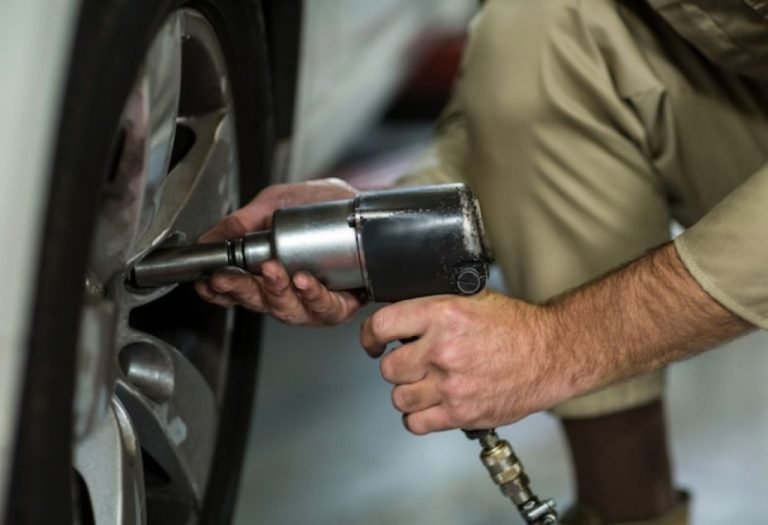
A mechanic leans over a car in the workshop, holding an impact wrench that can loosen stubborn lug nuts within seconds.
The speed and power are impressive, but a lingering question remains: can you adjust the torque on an impact wrench to avoid damaging the bolts?
This scenario is common in both professional garages and DIY home projects. Impact wrenches are powerful tools designed to deliver bursts of torque far beyond the capacity of regular drills or drivers.
But without proper torque control, the same strength that removes tough fasteners can also lead to stripped threads, broken studs, or unsafe tightening.
The importance of torque accuracy cannot be overstated. Studies show that 25–30% of fastener failures are caused by over-tightening (ResearchGate).
On the other hand, under-tightening can allow bolts to loosen during use, creating serious safety hazards in vehicles and construction projects.
Different types of impact wrenches manage torque in different ways. Pneumatic models rely on compressor pressure and regulators to adjust torque.
Cordless models often include electronic settings or variable-speed triggers that allow users to fine-tune fastening power. Even when these features are present, most experts still recommend verifying torque with a manual torque wrench for critical applications.
The challenge is balancing efficiency with precision. An impact wrench can speed up repetitive fastening jobs, but without adjustment, it risks inconsistency. By understanding the available torque control methods, users can get the best of both worlds: raw power for stubborn fasteners and accuracy for safety-critical work.
This article explores how torque adjustment works, the differences across impact wrench types, and the best practices to ensure safe, reliable fastening. Readers will gain a clear understanding of when and how to adjust torque for maximum effectiveness.
Quick Answer — Torque Control on Impact Wrenches
Yes, you can adjust the torque on an impact wrench, but the method depends on the type of tool. Pneumatic models use air regulators and compressor PSI, while cordless versions often feature digital settings or variable triggers.
The challenge is accuracy. Impact wrenches deliver torque in bursts, which means they are powerful but less precise than manual torque wrenches.
Still, proper torque control is critical. Over-tightening leads to damaged studs, while under-tightening can cause dangerous loosening in automotive or structural applications.
Can you adjust the torque on an impact wrench?
Yes, but adjustment methods differ across pneumatic, cordless, and corded models.
Do cordless impact wrenches have torque settings?
Yes, many include electronic or preset modes.
How do pneumatic impact wrenches adjust torque?
By controlling air pressure with regulators or compressors.
Is torque adjustment accurate in all models?
Not completely, so always verify with a torque wrench.
Why is torque adjustment important?
It prevents stripped threads, broken bolts, and unsafe connections.
Understanding Torque and Its Importance
Torque is the twisting force applied to a fastener, measured in Newton-meters (Nm) or foot-pounds (ft-lbs). Correct torque ensures bolts are secure but not overstressed.
In automotive work, torque accuracy is critical for safety. Lug nuts, for example, usually require 80–100 ft-lbs of torque depending on the vehicle (Firestone).
Incorrect torque is one of the leading causes of fastener failure. Studies show that 25–30% of bolt failures are due to over-tightening (ResearchGate).
What is torque in simple terms?
It’s the rotational force applied when tightening a fastener.
Why is torque so important in vehicles?
It ensures wheels and parts remain secure under load.
Can too much torque break bolts?
Yes, overtightening weakens or snaps fasteners.
What about under-tightening?
It allows bolts to loosen, leading to hazards.
Is torque measured globally the same way?
No, some regions use Nm, while others use ft-lbs.
Types of Impact Wrenches and Torque Adjustment Methods
Pneumatic (Air-Powered) Impact Wrenches
Air-powered models rely on compressor pressure. By adjusting the PSI, users directly control the torque output. Inline regulators allow more precise control for repetitive fastening.
These tools are popular in professional workshops for their reliability. However, they require constant air supply and maintenance.
How do you reduce torque on a pneumatic wrench?
Lower the compressor’s air pressure.
Does higher PSI equal more torque?
Yes, air pressure directly affects output.
Can regulators improve consistency?
Yes, inline regulators help keep torque stable.
Are pneumatic tools the most powerful?
Yes, they often exceed 1,000 ft-lbs.
Do they allow fine adjustment?
Yes, but only with external regulators.
Cordless (Battery-Powered) Impact Wrenches
Cordless wrenches often include electronic torque settings. Some have multiple speed modes, digital displays, or brushless motors for controlled output.
They are increasingly popular because of portability and convenience. However, battery limitations may reduce sustained power compared to air models.
Do cordless models offer torque control?
Yes, through electronic or preset settings.
Can variable triggers control torque?
To some extent, but not as precisely as digital modes.
Are modern cordless wrenches reliable?
Yes, many rival pneumatic models in strength.
Do they work for automotive lug nuts?
Yes, when set to the correct torque range.
Do batteries affect performance?
Yes, low charge reduces torque output.
Corded (Electric) Impact Wrenches
Corded models are less common today but still used. Torque adjustment is limited to trigger sensitivity or torque sticks.
They are consistent in power but lack the fine-tuning and portability of cordless models.
Can corded impact wrenches adjust torque directly?
No, adjustments are indirect.
Is trigger control accurate?
Not for precise torque needs.
Are torque sticks required?
Yes, for repeatable fastening.
Are corded wrenches strong?
Yes, but bulkier and less flexible.
Do professionals prefer them?
Rarely, since cordless and pneumatic dominate.
Tools and Accessories for Torque Adjustment
Torque sticks are color-coded extensions that flex at a specific torque level. They prevent over-tightening by absorbing excess force.
Inline regulators for pneumatic tools help maintain consistent torque delivery. Digital torque adapters can measure torque in real-time.
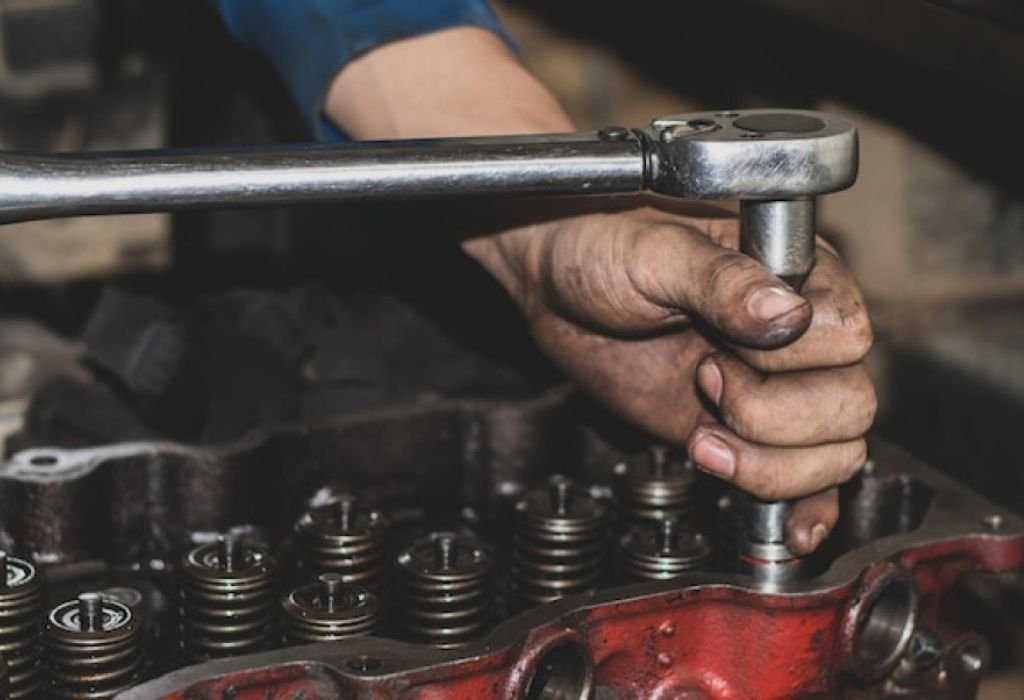
A manual torque wrench is always recommended for final verification in critical applications like wheels and engines.
What is a torque stick?
A tool that limits torque by flexing at its rating.
Do torque sticks replace torque wrenches?
No, always verify with a torque wrench.
Are digital torque adapters accurate?
Yes, they provide real-time readings.
Do regulators work for cordless tools?
No, they are only for pneumatic models.
What tool ensures final accuracy?
A manual torque wrench.
Common Mistakes and Safety Risks
Over-tightening can strip threads, break bolts, or damage wheels. Under-tightening can cause parts to loosen and fail under stress.
Misusing impact wrenches as precise torque tools without verification is a frequent mistake. This leads to inconsistent and unsafe fastening.
What’s the biggest mistake with impact wrenches?
Relying on them for precise torque without checks.
Can overtightening cause wheel failure?
Yes, it weakens studs and risks breakage.
Is under-tightening just as bad?
Yes, bolts may loosen dangerously.
Do all wrenches have torque settings?
No, only some cordless and pneumatic models do.
Can hammer mode damage fasteners?
Yes, it’s designed for power, not precision.
Best Practices for Adjusting Torque Correctly
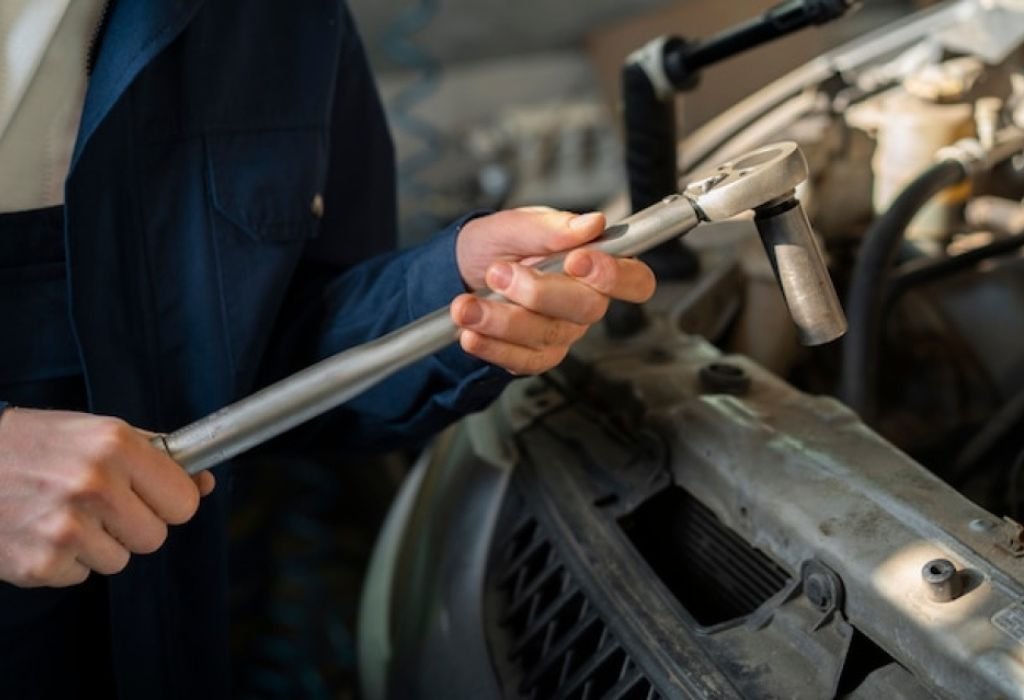
Always start with lower torque settings and increase gradually. Use torque sticks or regulators for consistency, especially in repetitive tasks.
Critical fasteners should always be double-checked with a manual torque wrench. This ensures compliance with manufacturer specifications.
What’s the safest way to adjust torque?
Use built-in settings or regulators.
Should lug nuts be checked manually?
Yes, always confirm with a torque wrench.
How often should torque tools be calibrated?
At least once per year.
Can adjustable models replace torque wrenches?
No, they complement but don’t replace them.
What’s the best way to avoid mistakes?
Follow manufacturer torque specs closely.
Choosing the Right Impact Wrench for Adjustable Torque
DIY users may benefit most from cordless wrenches with electronic torque settings. Professionals often prefer pneumatic models with regulators for reliability.
Corded tools are less flexible but may suit workshops needing constant power without batteries or compressors.
Which wrench is best for DIY torque control?
Cordless models with digital modes.
Which do mechanics prefer?
Pneumatic impact wrenches.
Are cheap wrenches adjustable?
Rarely, only premium models include controls.
Do brushless motors improve torque control?
Yes, they allow smoother delivery.
Are hybrid kits worth it?
Yes, they offer flexibility between tasks.
Conclusion — Final Verdict on Torque Adjustment
So, can you adjust the torque on an impact wrench? Yes, but the method depends on the type of wrench and accessories used. Pneumatic models adjust torque through air pressure, cordless wrenches use digital or trigger settings, and corded tools rely on torque sticks.
The safest approach is combining impact wrenches with regulators or torque sticks for control, and then verifying results with a manual torque wrench. This ensures safety, accuracy, and long-term tool reliability.
Can all impact wrenches adjust torque?
No, only certain models provide adjustment features.
What’s the most accurate way to control torque?
Use regulators or digital settings, then confirm with a torque wrench.
Do impact wrenches replace torque wrenches?
No, they speed up fastening but lack final precision.
What’s the professional recommendation?
Always verify torque manually, regardless of tool.
What’s the bottom line?
Yes, torque can be adjusted, but accuracy requires proper tools and verification.

I’m Michael R. Turner, the founder, lead writer, and passionate DIY enthusiast behind 101diytools.com. With years of hands-on experience in home improvement and power tools, I built this platform to share practical tips, in-depth guides, and honest reviews to help DIYers of all skill levels tackle projects with confidence and the right tools.