Can Wearing Safety Glasses Affect Eyesight? Answered
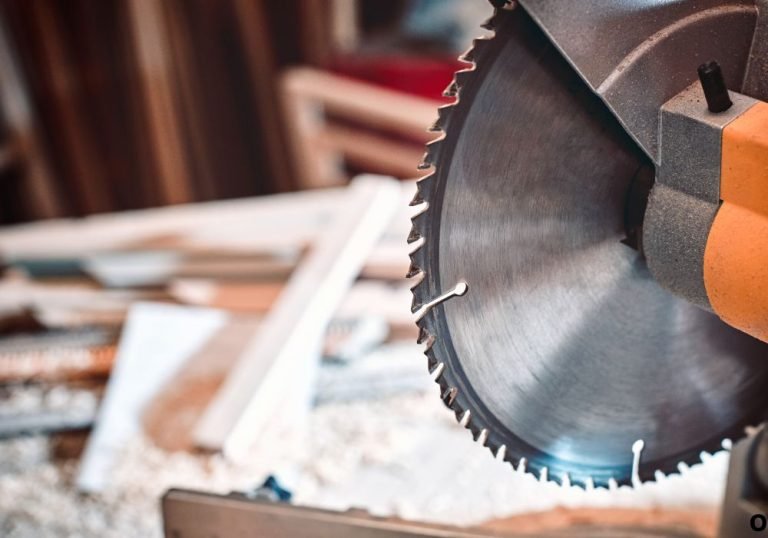
A carpenter leans close to a spinning saw blade, wood chips shooting toward their face.
Protective glasses stand as the only barrier, yet hours later their eyes ache, and the question surfaces: can wearing safety glasses affect eyesight?
This concern often begins with blurred vision, sore temples, or a dull headache after long shifts.
Curiosity turns it into a fear that eyewear itself may damage sight. In truth, safety glasses are built to protect vision, not harm it.
The discomfort usually comes from poor fit, optical distortion, scratched lenses, or the wrong tint for the task.
The issue is far from minor. According to the National Institute for Occupational Safety and Health (NIOSH), about 2,000 U.S. workers suffer job-related eye injuries every single day (NIOSH).
Many of these accidents are preventable with proper eyewear, yet myths about safety glasses continue to spread.
Beyond sudden injuries, invisible threats exist. Long hours outdoors expose eyes to ultraviolet rays that silently increase the risk of cataracts and long-term damage.
The National Eye Institute (NEI) confirms that UV exposure is a proven cause of vision problems over time (NEI).
Safety glasses with UV-blocking polycarbonate lenses play a vital role in reducing this risk, making them a tool for preservation rather than harm.
This guide breaks down the science and the solutions. From ANSI Z87.1 standards and impact-resistant materials to anti-fog coatings and prescription options, every section addresses real concerns.
By the end, readers will know why safety glasses are essential, how to select the right pair, and what steps ensure both protection and comfort.
The Short Answer — Do Safety Glasses Harm Eyesight?
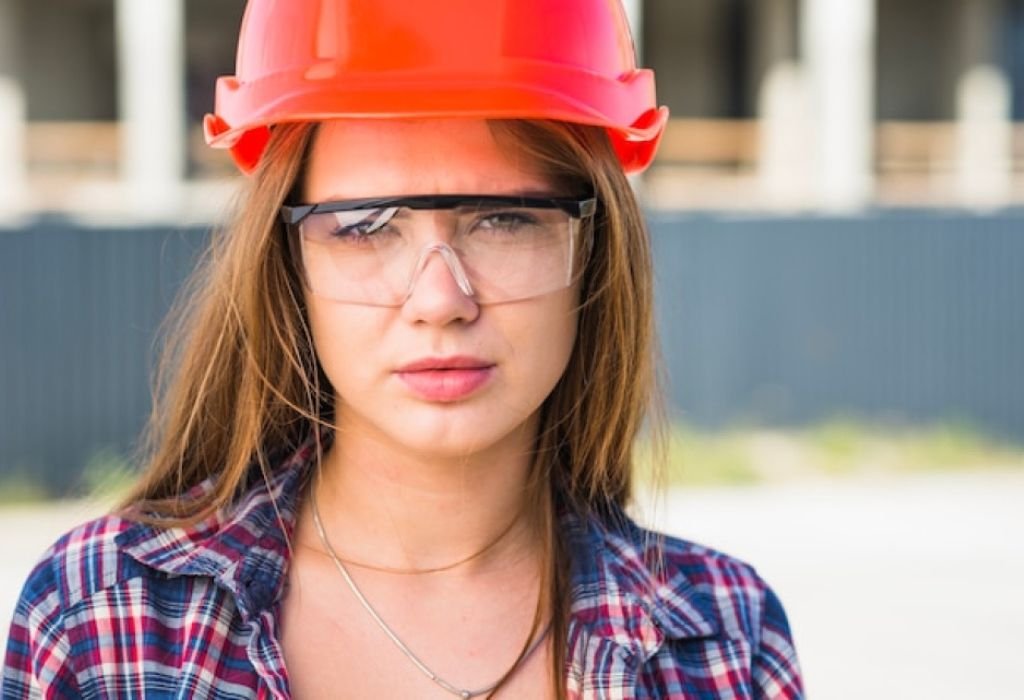
Safety glasses do not damage eyesight. Their primary purpose is to protect eyes from impact, debris, and harmful UV light, not to weaken vision.
When discomfort happens, it usually stems from poor fit, incorrect lens design, or long-term wear that causes temporary strain. The glasses themselves have no proven effect on changing or reducing eyesight quality.
Optical clarity is key. Low-quality lenses may distort vision slightly, leading to fatigue or mild headaches, but these effects stop once the eyewear is removed.
Standards like ANSI Z87.1 ensure lenses are impact-rated and designed for safety, proving that certified glasses protect vision rather than harm it. Choosing the right fit and optical grade ensures comfort while maintaining clear, safe eyesight.
Do safety glasses permanently change vision?
No, there is no evidence that they cause permanent eyesight changes.
Why do eyes feel tired after wearing safety glasses?
Eye strain often comes from lens distortion, incorrect fit, or extended use.
Can wearing safety glasses affect eyesight by making it blurry?
Blur usually comes from fogging, scratches, or smudges, not from the glasses themselves.
Do safety glasses cause headaches?
Yes, if frames press too tightly on the temples or if lenses have poor optical quality.
Are certified glasses safer for eyesight?
Yes, ANSI-rated or OSHA-compliant glasses meet optical and impact standards that protect eyes effectively.
Where Discomfort Really Comes From and How to Fix It
Optical Quality and Lens Curvature
Low-quality lenses may bend light unevenly, creating subtle visual distortion. This forces the eyes to work harder, leading to fatigue or strain.
Curved or poorly manufactured lenses exaggerate distortion when viewed at the edges. Higher-grade, ANSI-certified lenses eliminate these issues.
What is optical distortion?
It is warped or blurred vision caused by poor lens manufacturing.
How can it be reduced?
Choose ANSI-rated or premium-quality lenses with minimal distortion.
Do scratches increase strain?
Yes, scratches scatter light and force extra focusing effort.
Can lens coatings help?
Yes, anti-scratch and anti-reflective coatings improve clarity.
Is curvature always bad?
No, high-quality wraparound lenses are engineered to reduce distortion.
Fit, Frame Pressure, and Weight
Tight temples or heavy frames can press against sensitive areas, leading to headaches. Poorly balanced glasses slip or dig into the nose bridge, adding discomfort.
Lightweight materials like polycarbonate frames reduce pressure. Adjustable temples and nose pads improve comfort and reduce fatigue.
Why do safety glasses cause headaches?
Because of uneven pressure on temples or nose pads.
How to choose a comfortable fit?
Look for adjustable arms and cushioned pads.
Does weight matter?
Yes, lightweight frames reduce strain during long wear.
Should glasses touch eyelashes?
No, proper spacing prevents irritation and blurring.
Are foam seals helpful?
Yes, but only when needed for dust-heavy environments.
Task-Matched Lens Tints and Environments
Wearing the wrong tint for a task can reduce visibility and increase strain. For example, dark lenses indoors cause squinting, while clear lenses outdoors allow glare.
Tinted lenses should match lighting conditions and job requirements. Polarized or amber lenses improve contrast in specific tasks.
What tint is best indoors?
Clear lenses for accurate vision.
Do amber lenses help?
Yes, they improve contrast in low light.
When to use polarized lenses?
Outdoors, especially in bright glare conditions.
Can dark tints harm eyesight?
Not permanently, but they strain eyes in low light.
Are mirrored coatings useful?
Yes, for reducing glare outdoors.
UV, Light, and Eye Health — What Matters for Safety Eyewear
Ultraviolet light can cause cataracts, macular degeneration, and long-term eye damage. Safety glasses with UV-blocking polycarbonate lenses prevent most exposure.
Workers outdoors face higher risks because UV damage accumulates silently. Choosing eyewear with 99–100% UVA and UVB protection is essential.
Do clear safety lenses block UV?
Yes, most polycarbonate lenses inherently block UV rays.
Is UV damage immediate?
No, it develops over years of exposure.
Do side shields block UV?
Yes, they limit peripheral UV and debris.
Are sunglasses enough?
Not always; only ANSI-rated safety glasses guarantee impact protection.
Does altitude affect UV risk?
Yes, UV intensity increases at higher elevations.
Blue Light and Digital Eye Strain — The Real Story
Many people believe blue light from screens causes eye strain, but research shows no strong evidence. Discomfort usually comes from prolonged screen use, not blue light itself.
Safety glasses with blue-light filters may reduce glare, but they do not prevent strain. The best solution is healthy screen habits.
Can wearing safety glasses affect eyesight via blue light?
No, there is no proof of permanent damage.
What helps more than filters?
Taking regular breaks and blinking often.
Does blue light disturb sleep?
Yes, late-night exposure may disrupt circadian rhythm.
Are blue-light glasses necessary for safety work?
No, unless the task involves screen-heavy environments.
Do filters distort color?
Yes, some blue-light coatings shift color perception.
Standards That Keep Your Eyes Safe
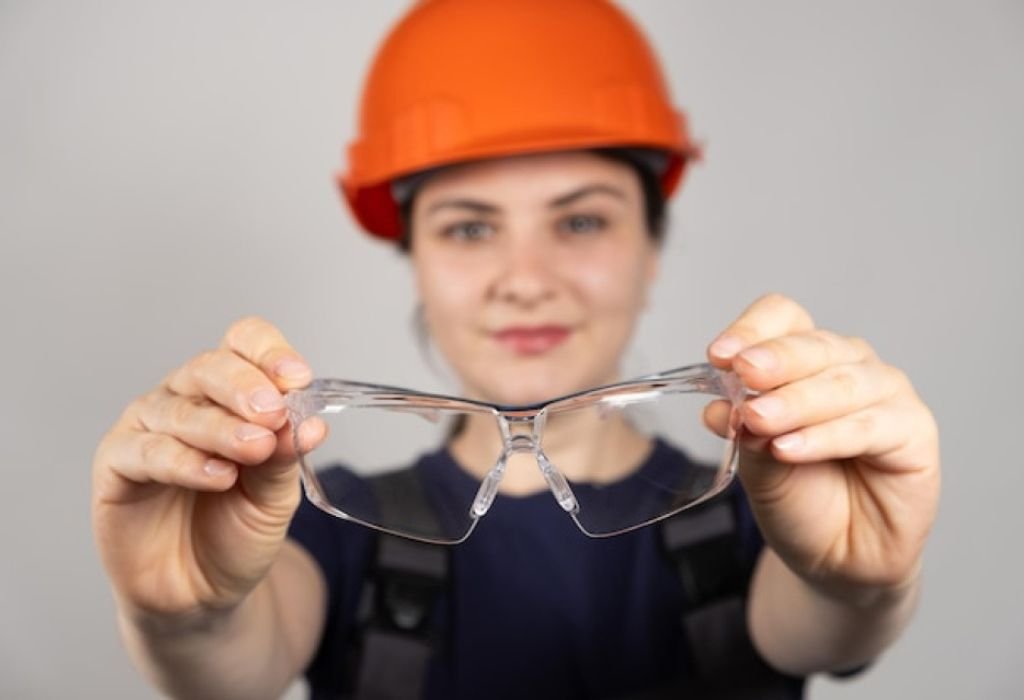
ANSI Z87.1 and Z87+ ratings certify impact resistance and optical quality. OSHA requires employers to provide appropriate eyewear for workplace hazards.
Polycarbonate lenses meet these standards while also offering UV protection. Certified safety glasses ensure both impact safety and visual comfort.
What does Z87.1 mean?
It is the U.S. safety standard for protective eyewear.
What does Z87+ mean?
It indicates high-impact testing certification.
Are non-certified glasses safe?
No, they may lack proper impact resistance.
Do safety standards improve comfort?
Yes, because certified optics reduce distortion.
Are international standards similar?
Yes, EN166 in Europe is equivalent.
Prescription Safety Glasses and Vision Comfort
Prescription safety glasses protect eyes while correcting vision. When fitted properly, they reduce strain and improve productivity.
Short-term discomfort can happen if pupillary distance or prescription is incorrect. Professional fitting ensures accuracy.
Do Rx safety glasses harm eyesight?
No, they protect vision while correcting sight.
Why do new lenses cause headaches?
Eyes need time to adjust to new prescriptions.
OTG vs dedicated Rx frames?
Dedicated Rx frames are lighter and more comfortable.
Do Rx safety glasses meet ANSI?
Yes, many are certified for impact protection.
How long does adaptation take?
Usually a few days to a week.
Fogging, Sweat, and Visibility — The Real Vision Killers
Fogging creates temporary blur that may cause workers to remove eyewear, risking injury. Anti-fog coatings and ventilation reduce this hazard.
Moisture from sweat and heat builds up inside frames. Regular cleaning keeps lenses clear and strain-free.
Why do lenses fog?
Moisture condenses when warm air meets cooler lenses.
How to prevent fogging?
Use anti-fog coatings or vented frames.
Do wipes help?
Yes, anti-fog wipes provide temporary clarity.
Should glasses be removed when foggy?
No, use anti-fog solutions instead.
Are sealed goggles worse for fogging?
Yes, unless designed with airflow systems.
How to Choose Safety Glasses That Keep Eyes Comfortable
Comfortable safety glasses reduce fatigue and increase compliance. Look for certified ratings, UV protection, anti-fog coatings, and lightweight frames.
Selecting the right tint and frame shape improves clarity and reduces headaches. Proper sizing ensures long-term comfort.
What material is best for lenses?
Polycarbonate, for impact resistance and UV blocking.
How to check certification?
Look for Z87.1 or Z87+ markings.
Do soft nose pads help?
Yes, they prevent slipping and pressure points.
When to choose foam gaskets?
For dusty or windy environments.
Is style important?
Yes, attractive designs encourage consistent use.
Care, Cleaning, and Replacement Rules
Scratched or dirty lenses distort vision and cause eye strain. Regular cleaning with mild solutions and microfiber cloths keeps optics clear.
Damaged or old glasses should be replaced promptly to ensure safety and comfort. Storage cases prevent scratches during downtime.
How often should glasses be replaced?
Whenever scratched, cracked, or after impact.
What is the best way to clean lenses?
Use mild soap and water or designated cleaners.
Can paper towels damage lenses?
Yes, they scratch surfaces.
Do coatings wear out?
Yes, replace glasses when coatings degrade.
How to store safety glasses?
Keep them in a hard case to avoid damage.
When to See an Eye Professional

Persistent headaches, blur, or dizziness should be checked by an eye specialist. Sometimes the problem is a prescription issue, not the glasses.
Regular exams ensure vision remains healthy and eyewear is properly fitted. Early detection prevents long-term damage.
When should you seek help?
If discomfort persists beyond a few days.
Can poor fit mimic eye problems?
Yes, pressure points cause symptoms similar to eye strain.
Do professionals fit safety glasses?
Yes, many providers offer adjustments.
How often should eyes be checked?
Every 1–2 years, or sooner if symptoms appear.
Can an optometrist recommend PPE?
Yes, they often suggest task-specific eyewear.
The Bottom Line — Can Wearing Safety Glasses Affect Eyesight?
Safety glasses are designed to protect, not harm eyesight. Discomfort comes from poor fit, low-quality optics, or wrong lens choices.
Choosing ANSI-rated, UV-blocking, anti-fog eyewear ensures both protection and comfort. With proper care, they preserve clear vision for years.
Do safety glasses harm eyesight?
No, they protect against injuries and UV damage.
What is the biggest risk of not wearing them?
Injury from debris, chemicals, or UV exposure.
What is the best safety glasses feature?
Proper fit and certified impact resistance.
How to stay comfortable long term?
Choose lightweight, adjustable frames with coatings.
Final advice?
Always match glasses to the task and see an eye professional for ongoing care.
Conclusion
Safety glasses do not weaken eyesight — they protect it. By choosing the right fit, certified lenses, and proper coatings, you can avoid strain while keeping your vision safe from hazards. Protecting your eyes today ensures clear, healthy vision for the future, so invest in quality safety glasses and make them a consistent part of your work routine.

I’m Michael R. Turner, the founder, lead writer, and passionate DIY enthusiast behind 101diytools.com. With years of hands-on experience in home improvement and power tools, I built this platform to share practical tips, in-depth guides, and honest reviews to help DIYers of all skill levels tackle projects with confidence and the right tools.