Can Staple Gun Go Through Skin? Risks, Facts, and Safety
Picture this: You’re working on a DIY project, and the staple gun slips. A moment of panic flashes as you wonder if the staple went where it shouldn’t. The thought of a staple gun and your skin interacting is, understandably, unsettling. This post will explore the question: can a staple gun go through skin? We’ll look at the potential dangers, the factors that influence the outcome, and how to stay safe. You’ll gain a clear understanding of the risks, learn how to prevent injuries, and know what to do if an accident occurs, which will help you feel more informed and secure.
Key Takeaways
- Staple guns are powerful tools that pose a risk of injury, including skin penetration.
- Several factors determine whether a staple will penetrate skin, such as staple type and gun power.
- Accidents involving staple guns require immediate attention and proper medical care.
- Preventive measures, like following safety guidelines, are essential to avoid staple gun-related injuries.
- Different staple gun types pose different levels of risk concerning skin penetration.
- Knowing how to respond to an injury can limit the damage and aid in faster recovery.
The Peril of Staple Guns: Can Staple Gun Go Through Skin?
The straightforward answer is yes; a staple gun can go through skin. The force applied by these tools is often sufficient to overcome the skin’s resistance. The potential for harm depends on several variables, including the type of staple gun, the length and type of staples used, and the location on the body. It’s crucial to treat staple guns with caution and use them responsibly to prevent accidental injuries.
Types of Staple Guns and Their Potential for Injury
Staple guns come in several forms, each with varying power levels and applications. Their potential for injury differs based on these designs. Knowing these variations helps to assess the inherent risks associated with each type. For example, some are designed for heavy-duty tasks, while others are intended for lighter use. The power source (manual, electric, or pneumatic) also significantly affects the force and potential for injury.
-
- Manual Staple Guns: These are hand-operated and depend on the user’s force. While generally less powerful than electric or pneumatic models, they can still cause injuries.
Manual staple guns rely on the user’s hand strength to drive the staples. They are commonly used for tasks like upholstery, stapling fabric, and attaching lightweight materials. The force generated is dependent on the individual using the tool. However, even with manual models, the impact can be sufficient to cause injury. The risk depends on factors like the type of staple being used and the area of the body involved.
-
- Electric Staple Guns: Electric models offer consistent power, which can increase the likelihood of penetration.
Electric staple guns provide a constant, reliable source of power, making them suitable for prolonged use. This consistency can be beneficial for efficiency. However, it also means the staples are driven with consistent force. This consistent force can increase the likelihood of the staples penetrating the skin, especially with longer staples and soft tissues. These tools are often used in crafting, home repair, and other tasks.
-
- Pneumatic Staple Guns: These are powered by compressed air and are the most powerful.
Pneumatic staple guns, also known as air-powered staple guns, are the most powerful type, usually used in professional settings. The force with which these guns drive staples is substantial. This power makes them more likely to cause significant injuries if misused. The risk of staples penetrating skin is elevated because of the high force. Pneumatic guns are frequently used in construction, woodworking, and industrial applications where speed and power are crucial.
Factors Influencing Skin Penetration
Several factors determine whether a staple will go through skin. These factors include staple type, the power of the staple gun, and the specific area of the body. Understanding these elements is essential for assessing the risk of injury and taking preventive steps. This section explores these key aspects in more detail.
-
- Staple Length: Longer staples are more likely to penetrate the skin than shorter ones.
The length of the staple is a major factor in determining whether it will penetrate the skin. A longer staple has a greater chance of penetrating the skin’s surface and potentially reaching deeper tissues. When working with staple guns, it’s wise to use staples that are the appropriate length for the materials you’re joining. Using staples that are too long increases the risk of both the material being stapled and potential injury.
-
- Staple Type: The material and design of the staple affect its ability to penetrate.
Different types of staples are made of varying materials and designs, which influence their ability to go through the skin. Staples made from harder metals are more prone to penetrate the skin than softer materials. Also, the point of the staple can affect the penetration. Sharper points tend to penetrate the skin more easily. It is vital to use the correct type of staple for the task, since this can have significant consequences for both material and safety.
-
- Skin Location: Skin thickness and underlying tissue play a key role.
The location on the body significantly affects the likelihood of a staple penetrating the skin. Areas with thinner skin, like the face and hands, are more vulnerable than areas with thicker skin, like the soles of the feet. The presence of underlying tissue also plays a key role. Areas with less padding and muscle are at higher risk. When using a staple gun, it’s essential to be extra careful around areas with thinner skin or underlying tissue.
What Happens When a Staple Gun Injury Occurs
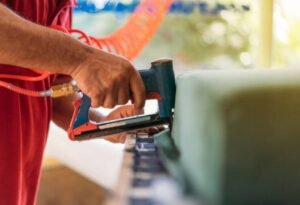
A staple gun injury can be a frightening event. Knowing the right actions to take can make a difference in reducing harm and promoting recovery. This section will walk you through the key steps to take if you or someone else is injured by a staple gun.
Immediate Actions After a Staple Gun Injury
Quick action is crucial after a staple gun injury. The immediate steps taken can influence how well the injury heals and reduce the risk of further complications. Here’s what you should do right away.
-
- Assess the Situation: Check the severity of the injury and the location.
The initial step is to quickly evaluate the severity and location of the injury. Determine how deeply the staple has penetrated and the area of the body affected. Look for signs of bleeding, which will show how deeply the staple is embedded. Note the overall condition of the injured person, and make a quick assessment to get a full picture of the situation. This rapid assessment will help in deciding on the next steps and the need for medical attention.
-
- Control the Bleeding: Apply direct pressure to the wound.
If there is bleeding, apply direct pressure to the wound using a clean cloth or bandage. Maintain firm, constant pressure to control the bleeding. If the bleeding is severe or doesn’t stop after a few minutes, seek medical help immediately. Properly managing the bleeding is crucial to avoid excessive blood loss. Bleeding control is a critical step in reducing harm from a staple gun injury.
-
- Seek Medical Attention: Seek professional medical help promptly.
Prompt medical attention is essential after a staple gun injury, no matter how minor it appears. A medical professional can assess the injury, remove the staple safely, and take measures to prevent infection. They can also administer a tetanus shot if needed. Seeking medical help is a significant step in ensuring the wound heals well and minimizes any potential long-term complications.
Medical Procedures and Recovery
When a medical professional treats a staple gun injury, they follow a set procedure to ensure the best outcome for the person injured. The recovery period is influenced by the severity of the injury, along with proper care and attention. This section delves into the medical procedures and what to expect during recovery.
-
- Staple Removal: Professionals will remove the staple using sterile techniques.
The medical professional will carefully remove the staple using sterile instruments and proper techniques. They will check the surrounding area for any fragments or damage. They can also assess the wound depth and ensure no deeper structures have been injured. Accurate removal helps to prevent infection and enables quicker healing.
-
- Wound Cleaning and Dressing: The wound is cleaned and dressed to prevent infection.
After staple removal, the medical professional will clean the wound thoroughly to remove any debris and lower the risk of infection. They may use an antiseptic solution. Following cleaning, the wound is dressed with a clean bandage. Proper cleaning and dressing are essential to help it heal properly.
-
- Tetanus Shot: A tetanus shot may be necessary, depending on the injury and vaccination history.
Depending on the injury and the patient’s vaccination history, the medical professional may administer a tetanus shot. Tetanus is a serious infection caused by bacteria that can enter the body through wounds. A tetanus shot helps to prevent the infection. This measure is essential in areas where tetanus bacteria might be present and lowers the risk of serious complications.
Preventive Steps to Avoid Staple Gun Injuries
Preventing staple gun injuries is always better than dealing with the aftermath. Following these safety tips can significantly lower the risk of accidents. Safety with these tools is a combination of proper training, awareness, and using the right techniques.
Safe Staple Gun Handling Techniques
Proper handling is the first line of defense against staple gun injuries. Knowing how to use these tools properly and following standard safety protocols can make a difference. These techniques will help to ensure safety while using staple guns.
-
- Read the Instructions: Fully understand how the staple gun works.
Before using a staple gun, it’s essential to read the instructions provided by the manufacturer. The instructions give specific information about the features, safety instructions, and proper use of the staple gun. Understanding this information will help you use the tool correctly and safely. Learning the instructions is a crucial step.
-
- Wear Appropriate Safety Gear: Eye protection and gloves are a must.
Always wear appropriate safety gear, including eye protection and gloves, when operating a staple gun. Eye protection helps to protect your eyes from staples that may ricochet. Gloves offer an additional layer of protection for the hands. Wearing this gear is crucial, since it can reduce the risk of injuries to sensitive areas. Proper gear is a safety precaution.
-
- Maintain a Safe Distance: Keep hands and body parts away from the staple gun’s firing path.
When operating a staple gun, it’s essential to keep your hands and body parts out of the firing path. Always position the staple gun in a way that directs the staples away from your body and the body of others. This measure will minimize the chance of accidental injury if the tool is fired unexpectedly. Always keep a safe distance to ensure safety.
Safe Work Practices
Good work habits are another factor in preventing injuries. Safe practices in the workplace will ensure that staple guns are handled responsibly. These practices make a safer environment for everyone involved in a project.
-
- Unload When Not in Use: Remove staples when storing or transporting.
Always unload the staple gun by removing the staples when it’s not being used or when transporting it. This simple step eliminates the risk of accidental firing. Store the staple gun in a safe place, out of reach of children and where it can’t accidentally be activated. Unloading it prevents accidents.
-
- Secure Materials: Make sure the materials being stapled are stable.
Before stapling materials, make sure they are securely in place to prevent movement or shifting during the stapling process. Use clamps, weights, or other methods to keep the materials stable. This will prevent your hands from being in the way of the staple gun. This is another safeguard that can make the work environment safer.
-
- Proper Storage: Store the staple gun safely when not in use.
Always store the staple gun in a secure place where it’s out of reach of children and anyone who is not trained to use it. This will prevent any accidental injury. Storage should be in a dry, safe environment. Make sure to keep it away from areas where it could be knocked over or damaged. Safe storage ensures that the tool does not become a safety hazard.
Sample Scenarios
-
- Scenario 1: A carpenter using a pneumatic staple gun to attach trim accidentally staples their finger. The staple penetrates deep, causing bleeding. They immediately stop working, assess the injury, and seek medical attention to have the staple removed and the wound treated.
In this scenario, the carpenter’s immediate response and seeking medical attention can avoid any complications. The professional attention, cleaning, and possible tetanus shot can contribute to a quicker recovery.
-
- Scenario 2: During a DIY project, a homeowner uses a manual staple gun. While stapling fabric, the staple misfires and grazes their hand. They clean the minor wound, apply a bandage, and monitor it for any signs of infection.
This scenario shows that the injuries can vary greatly. The homeowner’s diligence in cleaning the wound and checking for infection is a reasonable response. Even though the injury is minor, they followed the proper safety guidelines.
Frequently Asked Questions
Question: Is a staple gun dangerous?
Answer: Yes, staple guns can be dangerous if used improperly, posing a risk of injury to the skin and other body parts.
Question: Can staples cause infections?
Answer: Yes, staples can introduce bacteria into the skin, leading to infections if not handled and treated properly.
Question: What should I do if I get stapled?
Answer: Stop working, assess the injury, control bleeding if necessary, and seek medical attention immediately.
Question: Are some staple guns safer than others?
Answer: Manual staple guns are generally less powerful than electric or pneumatic models, but all types can cause injury if not used safely.
Question: How can I prevent staple gun injuries?
Answer: Follow all safety instructions, wear proper safety gear, keep hands and body parts away from the firing path, and unload the staple gun when not in use.
Final Thoughts
The question of whether a staple gun can go through skin has a simple answer: yes. The risk is real, but understanding the factors involved and taking precautions is key. From choosing the correct staple gun to knowing the right handling techniques and work practices, the information in this post gives you the tools to stay safe. If an accident occurs, immediate action and medical attention are critical. Remember that a bit of care can make your experience with these tools safer and more enjoyable. Now, apply these safety measures and use staple guns carefully to protect yourself and others.

I’m Michael R. Turner, the founder, lead writer, and passionate DIY enthusiast behind 101diytools.com. With years of hands-on experience in home improvement and power tools, I built this platform to share practical tips, in-depth guides, and honest reviews to help DIYers of all skill levels tackle projects with confidence and the right tools.