Can Staple Gun Attach Insulation? A Practical Guide
Picture this: It’s a chilly autumn afternoon, and you’re prepping your home for winter. You’ve got rolls of insulation ready to go, but you’re unsure of how to get it secured. You wonder if a staple gun is the right tool for the job. Well, you’re not alone! Many homeowners and DIY enthusiasts ponder this question when tackling insulation projects. This post will give you the complete picture, answering the question, and helping you decide if this method is right for your insulation needs. You’ll gain a thorough exploration of how to attach insulation, including different methods and materials, plus tips to ensure a successful outcome, so you can increase your home’s energy efficiency.
Key Takeaways
- You will learn if a staple gun is suitable for attaching different types of insulation.
- Understand the various insulation materials and the best attachment methods.
- Discover essential safety precautions to keep in mind while working with insulation.
- Gain practical tips for successful insulation installation.
- Learn about alternative methods to the staple gun.
- Find out about factors that influence insulation effectiveness.
Choosing the Right Insulation and Attachment Method
The first step in your insulation project is to select the right insulation material. Different types of insulation are available, each with unique properties. The type you choose will depend on factors like your budget, the area you’re insulating, and the level of insulation you want. For example, some materials are better at blocking moisture, while others are better at soundproofing. It’s important to do your research or talk with a home improvement expert to make the right selection before beginning.
Types of Insulation
Let’s explore some common types of insulation to give you a strong base of knowledge before attaching them. Each has advantages and disadvantages, making it important to understand their characteristics before choosing. This will help you select the most suitable insulation for your specific needs, considering factors like thermal resistance (R-value), cost, and ease of installation. A solid selection will help you to create a comfortable, energy-efficient home environment.
-
- Batt and Roll Insulation: This is one of the most common types. It usually comes in pre-cut batts or rolls. It’s made from fiberglass, mineral wool, or other materials. It is a good choice for walls, ceilings, and floors.
Batt and roll insulation is frequently used due to its affordability and straightforward installation. Its flexibility makes it a good option for filling gaps between studs, joists, and rafters. A main benefit of batts and rolls is that they fit well in standard spaces, making installation a faster process. The thermal performance (measured by its R-value) varies depending on the thickness and material. It is a good choice for those doing DIY projects, although it does require accurate cutting to fit the spaces.
-
- Loose-Fill Insulation: Loose-fill insulation, like cellulose or fiberglass, is great for attics and areas with irregular shapes. It can fill every nook and cranny. It’s often blown in using specialized equipment, so it can be great for covering tough-to-reach areas.
Loose-fill insulation is known for its ability to create a consistent layer of insulation, especially in oddly shaped spaces. It is very effective at reducing drafts and air leaks, which results in better thermal performance. However, this method usually requires renting or borrowing the equipment needed for installation, adding a layer of complexity. Installation often requires a professional touch to ensure even coverage and that it meets local building codes.
-
- Spray Foam Insulation: This insulation expands after being sprayed, providing an air-tight seal. It’s often used in new construction or major renovations because it is very effective at sealing gaps and preventing air leaks.
Spray foam insulation offers high R-values, making it a powerful choice for thermal and moisture protection. The air-tight seal is good at reducing energy costs by preventing air leakage. Despite its benefits, spray foam can be more expensive than other insulation types, and the installation needs special tools. The process also requires careful preparation to protect surfaces from overspray. It is a solid choice for those aiming for a high-performance insulation solution.
-
- Rigid Foam Insulation: This comes in panels and is often used on exterior walls. It’s valued for its moisture resistance and structural strength. It can be used as a layer to protect from the elements.
Rigid foam insulation provides great thermal protection. Its ability to serve as a weather barrier makes it ideal for exterior applications. It’s also often used in foundations and basements. It is important to know that its installation can be more difficult than batt or roll insulation, requiring precise cutting and fastening. Its durability and resistance to water make it a good choice for areas prone to moisture.
Which Insulation Can Be Attached with a Staple Gun?
You can use a staple gun to attach certain types of insulation. This method is most effective with batts and rolls. These are typically made from fiberglass or mineral wool. The staples hold the insulation in place against studs or joists. It is a simple and fast way to install insulation, making it a favorite for DIY projects. It is very important to use the correct staple length to prevent puncturing wires or plumbing hidden behind the wall.
-
- Batt and Roll Insulation: This is your best bet for using a staple gun. The staples securely hold the batts or rolls in place.
Stapling batts and rolls is a good method for attaching to walls, ceilings, and floors. The staples create a secure attachment, keeping the insulation in place, ensuring its effectiveness. A staple gun also offers quick installation, which reduces time on a project. However, careful application is needed to make sure the staples are the proper length and do not damage any hidden utilities.
-
- Loose-Fill Insulation: A staple gun is not a good choice for loose-fill. This type of insulation is typically blown in, meaning it is not directly attached with staples.
Loose-fill insulation needs different installation methods. A staple gun is not appropriate for this type of insulation. Instead, installation often involves using specialized equipment to blow the insulation into wall cavities or attics. This method ensures all areas are evenly covered. If you plan to use this insulation, seek professional installation services.
-
- Spray Foam Insulation: Since spray foam expands, it adheres directly to surfaces, so there is no need to use a staple gun.
Spray foam insulation forms a continuous seal. It does not require staples for attachment. The foam expands and bonds to the surfaces, creating an air-tight barrier. If you plan to install this insulation, professional installation is often required to achieve the best results.
-
- Rigid Foam Insulation: A staple gun can attach rigid foam, but it may not always be the best way to do so. The staples alone may not be enough to hold the panels in place. Additional fasteners might be required.
Stapling rigid foam insulation can be done, but it is not the most effective method. Additional fasteners or adhesives may be needed to achieve a secure and lasting installation. The rigid nature of the foam can make stapling less reliable. Proper techniques are needed to prevent the panels from shifting or detaching. It is best to seek expert guidance to make sure of a solid installation.
Staple Gun Types and Safety Considerations
When using a staple gun to attach insulation, selecting the right type and taking safety measures are key. This section will help you understand the different kinds of staple guns, how to use them safely, and the safety equipment you will want to use.
Types of Staple Guns
There are several types of staple guns, each designed for different tasks. It’s important to choose the right one for your insulation project to ensure that the staples are the correct size and the attachment process is effective. This means you will know what each type is designed for. Here is a look at the different types, along with their pros and cons. Having the right tools will make your project successful.
-
- Manual Staple Guns: These are the most basic. They work by squeezing a handle to drive staples. These are good for smaller projects and DIY tasks.
Manual staple guns are simple to use. They require no power, making them a good option for small-scale projects. Their biggest advantage is their simplicity and portability. However, they can require more physical effort. They are a good choice if you only need to staple a few areas.
-
- Electric Staple Guns: These are powered by electricity. They offer more power and make it easier to staple large areas. This type of staple gun is good for larger insulation projects.
Electric staple guns are very useful because of their consistent power, making them easier on the user. They are good for tasks that need a lot of stapling. However, they require access to a power outlet, which limits their use to areas with electricity. The consistent power allows for fast and accurate stapling, making them suitable for DIY projects and construction work.
-
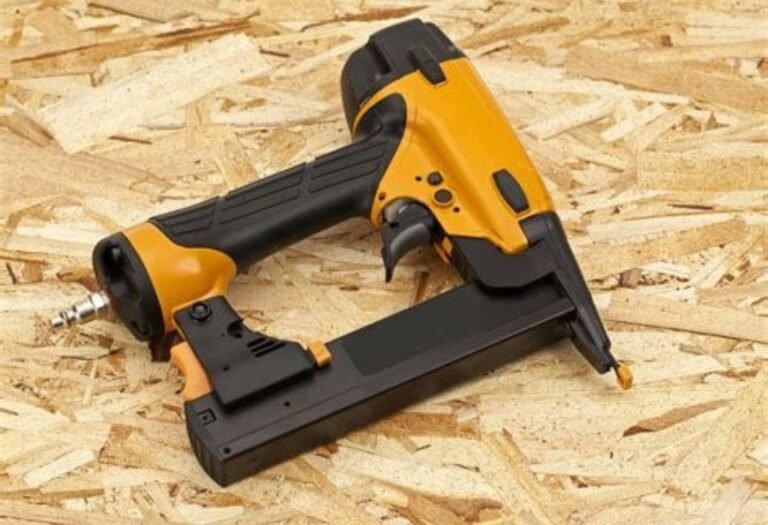
- Pneumatic Staple Guns: These use compressed air to drive staples. They offer the most power and speed. They are ideal for professional use and are good for large-scale projects.
Pneumatic staple guns are very powerful and fast. They are often used by professionals. They offer the best power and speed for large insulation projects, making the job faster and easier. You will also need an air compressor, which can be an added investment. Despite needing an air compressor, they still provide the most efficiency for large-scale insulation jobs.
Safety Precautions
Using a staple gun comes with safety risks. It’s key to follow certain precautions to prevent injuries. Here are some critical safety steps to consider when using a staple gun.
-
- Wear Safety Glasses: This protects your eyes from flying debris or staples. They provide a barrier, which is essential to keep you safe when using a staple gun.
Safety glasses are a must-have when working with a staple gun. Staples can be launched with great force, and they can cause serious eye injuries if they ricochet or break. Choose safety glasses that fit well and offer great protection.
-
- Use Gloves: Gloves give you a better grip and keep your hands safe from staples. They help prevent cuts and injuries. They also improve your grip.
Wearing gloves is essential when using a staple gun, and it’s also helpful when you are handling insulation. Gloves reduce the chance of cuts from sharp edges. Choose gloves that fit well and allow you to work. They also protect your hands from potential irritation from the insulation materials.
-
- Protect Your Hearing: Consider using ear protection, especially if using a pneumatic staple gun, because they can be quite loud. Hearing protection can also prevent long-term damage.
Ear protection is often overlooked, but it is key, especially if you are working with power tools for long periods. Choose earplugs or earmuffs to reduce the sound levels and protect your hearing. This is especially key when using pneumatic staple guns, which can generate a lot of noise.
-
- Disconnect Power or Air Supply: Before you load or adjust your staple gun, disconnect the power (for electric guns) or the air supply (for pneumatic guns). This will prevent accidental firing.
Always disconnect the power or air supply before you load or adjust your staple gun. This is very important. This simple step can prevent unexpected firings, reducing the chances of injuries. This helps keep you and anyone working with you safe.
-
- Be Aware of Hidden Obstacles: Before stapling, check for electrical wires, plumbing, or any other hidden objects. Use a stud finder or similar tool to make sure the area is clear.
Inspect the areas you are working on, making sure there are no hidden obstacles. Using a stud finder is key. It helps you avoid puncturing wires or pipes. This makes the job safer and avoids damage to your home’s systems.
How to Attach Insulation with a Staple Gun
Now that you know which types of insulation work with a staple gun, and you know how to stay safe, let’s explore the process of attaching insulation.
Step-by-Step Guide
Here’s a step-by-step guide to help you insulate your space. Following these steps helps make sure the process is done safely and successfully.
-
- Prepare the Area: Make sure the space is clean and clear of debris. Check for any electrical wires or pipes.
Before you start, get the area ready. Clear away anything that will get in your way. Inspect for electrical wiring or plumbing, and mark their locations. This preparation can make the job much smoother and safer.
-
- Measure and Cut Insulation: Measure the space you are insulating and cut your insulation accordingly. Make sure the insulation fits snugly.
Precise measurements are important for a good fit. Measure the areas carefully and cut the insulation to the correct size. The insulation should fit well in the spaces. Make sure that it does not compress too much, or have gaps.
-
- Position the Insulation: Place the insulation in the space. Use the appropriate method for your insulation type (between studs, on the floor, or wherever you will be stapling).
Put the insulation in the right spot. For batts and rolls, place them between studs, joists, or rafters. Make sure the insulation touches all surfaces to provide the best coverage.
-
- Attach with Staples: Using your staple gun, attach the insulation. Space the staples evenly along the edges.
Use the staple gun to secure the insulation. Place the staples along the edges, spacing them evenly. Do not compress the insulation when stapling it. This helps make sure it works as designed.
-
- Inspect the Installation: After you have attached the insulation, look over your work to ensure there are no gaps or loose areas. Fix anything that needs attention.
After you have attached the insulation, make a final inspection. Check for any gaps, loose areas, or areas that need to be improved. Make any adjustments so the insulation fits correctly and works well.
Tips for Successful Installation
Here are some tips to help you get the best results when attaching insulation. These can help increase your home’s energy efficiency. Applying these tips can make a big difference in how well your insulation works.
-
- Use the Correct Staple Length: Choose staples that are long enough to grip the wood but not long enough to puncture anything behind the surface. This ensures a secure hold without causing damage.
Choosing the right staple length is important for safety and effectiveness. Staples that are too long can damage electrical wiring or plumbing. Staples that are too short may not hold the insulation securely. Be sure to check the depth, and select the correct staples.
-
- Space Staples Evenly: Place staples evenly to provide consistent support for the insulation. Uneven stapling may lead to gaps or sagging.
Even spacing will provide consistent support for the insulation, which is key for its performance. Avoid stapling too close together, which may damage the insulation. Uniform spacing helps keep the insulation in place.
-
- Avoid Compressing the Insulation: Do not compress the insulation when you are stapling it, as this reduces its effectiveness. This will reduce its thermal resistance and prevent it from working correctly.
Avoid compressing the insulation when you are stapling it. Compression will reduce its insulating properties. Make sure the insulation is snug but not too compressed. Give it a good amount of space.
-
- Overlap Insulation at Seams: If you are using multiple pieces of insulation, overlap them slightly at the seams. This prevents air leaks and improves insulation performance.
If you’re using multiple pieces, overlap the edges to remove gaps where air can get through. This is an important step in making sure the insulation works as designed. This creates a solid barrier that reduces heat loss and improves energy efficiency.
-
- Seal Around Penetrations: Seal any gaps around pipes, wires, or other objects. These gaps can be a source of air leaks, reducing the insulation’s effectiveness.
Any gaps around pipes or wires can decrease how well your insulation works. Seal these areas to prevent air leakage. Using caulk or spray foam can solve this problem.
Alternative Methods to the Staple Gun
While the staple gun is a popular choice for attaching insulation, it’s not the only approach. Depending on the type of insulation and the specific project, other methods may be more appropriate or effective. There are a few alternative methods you can use.
-
- Insulation Adhesive: This adhesive is designed to hold insulation in place, especially in hard-to-reach areas. This will provide a secure bond without the need for fasteners.
Insulation adhesives are very useful for projects where stapling is not practical or safe. They can be used on walls, ceilings, and other surfaces, and they create a strong bond. Follow the instructions to be sure the adhesive works well.
-
- Friction Fit: Some types of insulation, such as certain batt and roll products, are designed to fit snugly between studs or joists. These types do not require staples.
Friction fit insulation is designed to be held in place with pressure. It works well where the space is precisely measured, and the insulation can fill the area. This installation method cuts out the need for additional fasteners. This method requires accurate measurements and careful placement.
-
- Strapping: Strapping is another way to secure insulation, especially in areas where it may be difficult to reach with a staple gun or where a more durable attachment method is needed.
Strapping provides an extra layer of support for the insulation. This is often used with rigid foam panels. The straps hold the insulation firmly in place, helping make a strong and long-lasting installation. Using strapping might be more time-consuming, but it can provide better results.
-
- Special Fasteners: There are special fasteners like insulation hangers and clips designed to hold insulation panels or batts securely. They are a good choice when you want a neat and efficient installation.
These fasteners are created specifically for insulation. They give a clean and efficient way to secure your insulation. They are often used with rigid foam panels. The special fasteners offer a neat and secure hold, and the system is easy to apply.
Frequently Asked Questions
Question: Can I use any staple gun to attach insulation?
Answer: Not all staple guns are suitable. Manual, electric, and pneumatic staple guns can be used for batts and rolls, but you need to select the correct staple length and type for your insulation project.
Question: Is it safe to staple around electrical wiring?
Answer: No. Always check for electrical wiring before stapling. If wiring is present, staple carefully to avoid damage, or use alternative methods like adhesive.
Question: What’s the best staple length for attaching insulation?
Answer: Select staples long enough to securely grip the wood framing but not long enough to penetrate any hidden utilities or the outer sheathing. Generally, staples around 1/2″ to 3/4″ are suitable.
Question: What if I need to insulate an area that’s hard to reach?
Answer: For hard-to-reach areas, consider using insulation adhesive or spray foam. These methods can create a strong, effective seal without the need for manual stapling.
Question: Is it okay to compress insulation when I’m stapling it?
Answer: No. Compressing insulation decreases its effectiveness. Be sure the insulation is snug, but not compressed, for optimal performance.
Final Thoughts
So, can a staple gun attach insulation? The answer is yes, but with some key factors to keep in mind. You have seen how a staple gun is suitable for attaching batts and rolls, which gives you a fast and straightforward installation method. You’ve also gained insight into alternative methods, such as adhesives or friction fit, which may be more appropriate for certain projects. Remember to always prioritize safety by using the correct tools, wearing protective gear, and checking for hazards before you begin. By following these steps and considering the details provided, you’re well-equipped to make the right choices for your insulation project, making your home more comfortable and energy-efficient. Whether you’re a seasoned DIYer or just beginning, the information here provides a strong foundation. You can move forward with confidence, knowing how to create a well-insulated, comfortable space. Now, get ready to tackle that project, and enjoy the benefits of a well-insulated home!

I’m Michael R. Turner, the founder, lead writer, and passionate DIY enthusiast behind 101diytools.com. With years of hands-on experience in home improvement and power tools, I built this platform to share practical tips, in-depth guides, and honest reviews to help DIYers of all skill levels tackle projects with confidence and the right tools.