Can Safety Glasses Affect Your Vision? Explained
A grinder throws sparks across a bench and the world turns hazy behind scratched lenses.
The hands slow, the eyes ache, and a real question forms: can safety glasses affect your vision?
Most workplace eye injuries are preventable with the right eyewear and habits.
Protective eyewear can prevent about 90% of eye injuries according to this medical source.
Risk remains high in shops, labs, and busy yards where clarity matters on every task.
Roughly 2,000 workers in the United States need medical treatment for job-related eye injuries every day, per this government source.
This guide explains how safety glasses can affect how well you see without harming eyesight itself.
You will learn the standards, the common causes of blur or strain, and the simple fixes that keep vision sharp.
Can Safety Glasses Affect Your Vision? The Short Answer
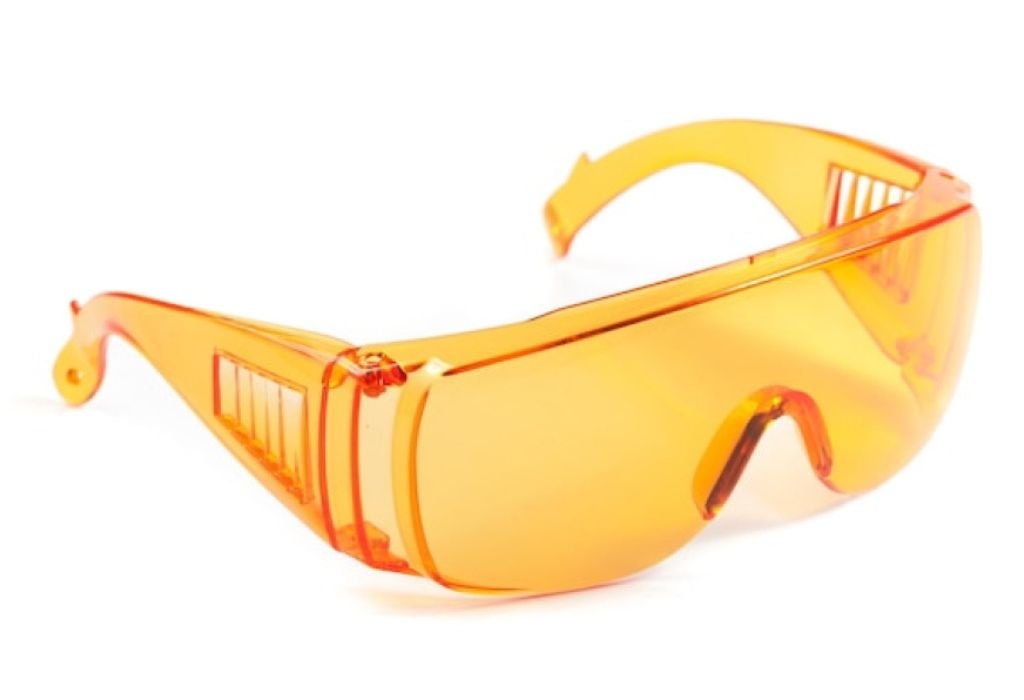
Do safety glasses damage eyesight
No, quality Z87 eyewear protects eyes and preserves vision when fitted and maintained properly.
Why might things look blurry through them
Lens defects, scratches, fogging, or a mismatched tint can reduce contrast and acuity.
Can they trigger headaches
Yes, distortion, tight temples, nose-bridge pressure, or harsh lighting glare may cause headaches.
Is fogging a real safety risk
Yes, fogging hides hazards and slows tasks, raising error risk during precision work, as shown in this study.
How big is the workplace problem
There were 18,510 eye-related injury or illness cases with days away from work in 2020, according to this labor statistics source.
Glare From Overhead LEDs
Modern LED luminaires can cause discomfort glare that reduces visual comfort and task accuracy.
Lighting research highlights the need for better glare metrics so interiors stay comfortable, as explained in this guidance and supported by this peer-reviewed study.
Can office LEDs cause eye strain with safety eyewear
Yes, high luminance contrasts and reflections can create discomfort glare that feels like blur.
Is there strong evidence that glare changes perception
Controlled studies model glare thresholds and show how high contrast can impair comfort and performance.
What practical fix helps first
Reduce source brightness in the field of view, add diffusers, and reposition lights to cut reflections.
Should anti-glare coatings be considered
Yes, coatings can reduce reflections on lenses, but room lighting changes often deliver the biggest relief.
Fogging, Moisture, and Vision Loss on the Job
A lab experiment found fogging significantly reduces visual detection and that anti-fog coatings help.
Prolonged fog can still defeat coatings as droplets form and disrupt performance, as shown in this study.
Guidance also shows simple mask adjustments can cut fog by redirecting exhaled air away from lenses.
Better seals at the nose and improved airflow around eyewear reduce the problem in daily use; see this guidance.
What causes repeated fogging
Heat, humidity, tight seals, and poor airflow around lenses drive condensation.
Do anti-fog coatings work
Yes in many conditions, though heavy moisture can still overwhelm them and degrade clarity.
Is a detergent wipe a safe shortcut
Dedicated anti-fog products are preferred, and manufacturer instructions should be followed.
What other changes help quickly
Improve ventilation, redirect exhaled breath with better mask fit, or switch to sealed goggles for splash risks.
Is fogging mainly a comfort issue or a safety issue
It is both, because vision loss invites errors and makes workers remove PPE when they need it most.
Blue-Light Filters and Tints: Help or Hype for Eye Strain
Marketing suggests blue-light lenses reduce digital eye strain and improve sleep.
A 2023 systematic review found little to no benefit for eye strain or sleep compared to standard lenses; see this review.
Do blue-light safety glasses help most screen users
Evidence shows minimal benefit for strain or sleep across randomized trials; summary here.
Should night-shift teams rely on blue-light lenses
Evidence is mixed, so prioritize lighting design, breaks, and display settings for comfort.
Is UV protection the same as blue light
No, UV blocking is separate and essential for outdoor work and is not guaranteed by blue-light filters.
UV Protection and Polycarbonate
Polycarbonate safety lenses resist impact and can provide full UV protection for outdoor work.
For outdoor use, choose lenses that block 99% to 100% of UV or are labeled UV400, as suggested in this guide and this answer.
How much UV should safety lenses block
Choose 99% to 100% UV or UV400 protection for outdoor tasks, per this guide.
Do polarized lenses block UV by deV protection must be specified; see this guide.
Is wraparound coverage useful outdoors
Yes, it blocks oblique rays and improves peripheral protection.
Are polycarbonate lenses always UV protective
They inherently block UV well, but labeling and standards compliance should still be verified; reference here.
Symptoms to Watch: Eye Strain Versus True Eye Problems
Workplace injuries create a significant burden beyond individual discomfort.
There were 18,510 cases requiring days away from work in 2020, per this labor statistics source.
When is it just strain from eyewear
Symptoms usually improve with rest, better fit, or fresh lenses that restore clarity.
When to see a clinician
Seek care for persistent blur, pain, light sensitivity, chemical splash, or any injury from debris.
Do contact lens users need extra protection
Yes, sealed or vented goggles reduce dust and splash risks in harsh environments.
Can dry eye mimic blur
Yes, tear-film instability reduces contrast and causes fluctuating clarity during detailed tasks.
Can lighting cause symptoms that feel like optical issues
Yes, discomfort glare from LEDs can imitate blur and headaches even with good eyewear; see this guidance.
When to Escalate: Eye Exam and Workplace Controls
If symptoms persist after fit and lens changes, schedule a comprehensive eye exam.
Review workplace lighting and glare controls alongside eyewear, using this lighting guidance as a reference.
Conclusion
So, can safety glasses affect your vision.
Yes, if lenses are scratched, fogged, distorted, tinted poorly, or fitted badly, they can reduce clarity and raise strain, but the fixes are straightforward.
Choose Z87-certified eyewear that fits, manage fog and glare, clean lenses properly, and get an exam if symptoms persist.
These steps keep protection high and vision sharp, with supporting evidence available in the neutral sources and studies linked above.fault
No, polarization reduces glare but U

I’m Michael R. Turner, the founder, lead writer, and passionate DIY enthusiast behind 101diytools.com. With years of hands-on experience in home improvement and power tools, I built this platform to share practical tips, in-depth guides, and honest reviews to help DIYers of all skill levels tackle projects with confidence and the right tools.