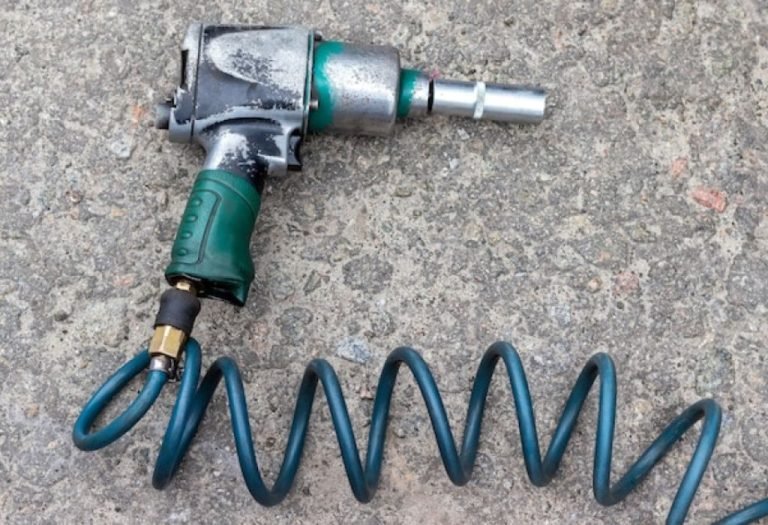
Can I Use an Impact Wrench for Screws or Not
The project begins with a pile of screws and the need for power to drive them quickly. Reaching for the most powerful tool nearby, the impact wrench, seems like the fastest solution.
The question arises immediately: can an impact wrench really be used for screws without damaging the fastener or the material?
It sounds convenient, but torque is both a friend and an enemy in fastening work.
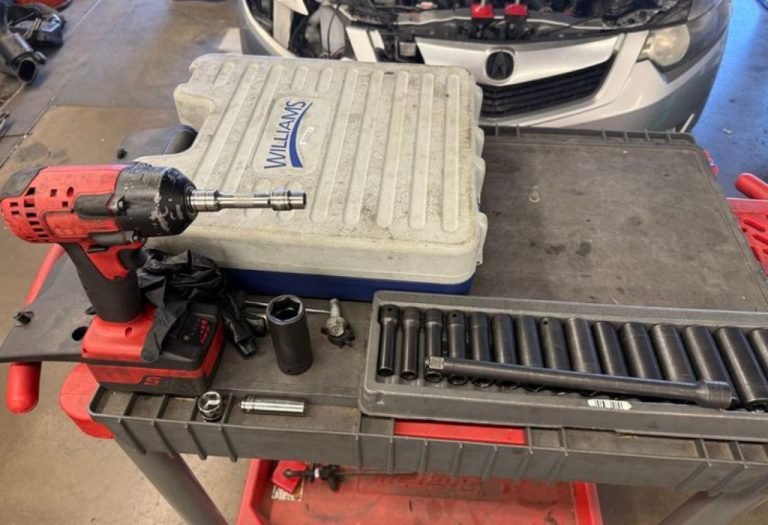
An impact wrench is designed for nuts and bolts, often delivering torque measured in hundreds of foot-pounds.
By comparison, most screws require far less force and much more precision to avoid stripping or shearing.
Over-torquing is a leading cause of screw failure. Studies on fastener performance show that too much torque can reduce holding strength by more than 40%, making joints weaker instead of stronger (Fastener Engineering).
This is why manufacturers and tool experts recommend impact drivers or driver drills for screws.
These tools provide rotational impacts at lower torque, combined with hex bit holders that match screw designs (Family Handyman).
Still, curiosity remains. DIY users often wonder if a simple adapter can make an impact wrench double as a screw-driving tool.
Forums are filled with stories of stripped heads, snapped screws, and damaged adapters when this shortcut is attempted.
The answer is not a simple yes or no. The choice depends on the screw size, material, torque settings, and tool design.
This guide will explore the differences between wrenches and drivers, the risks of misuse, and the exact conditions where an impact wrench might handle screws safely.
Can I Use an Impact Wrench for Screws or Not
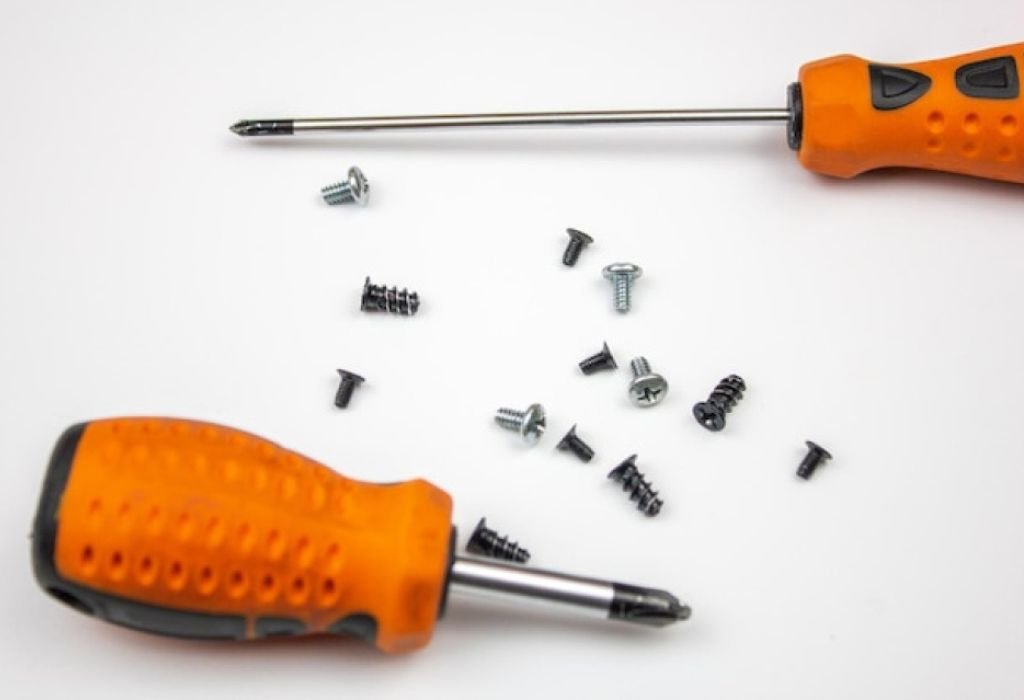
Driving screws seems simple until the wrong tool enters the picture. Many DIYers look at a powerful impact wrench and wonder if it can double as a screw-driving tool.
The short answer is that it is possible but rarely practical. An impact wrench produces far more torque than screws need and risks stripping fasteners or damaging materials.
Impact wrenches are designed for nuts and bolts in automotive or heavy-duty applications. Screws require controlled torque, precision, and compatibility with screwdriver bits.
According to fastener engineering studies, over-torquing reduces holding strength by up to 40%, making joints weaker rather than stronger (Fastener Engineering).
This guide will explain why an impact wrench is not the best tool for screws, the risks of misuse, and the scenarios where it may work with proper precautions.
Understanding the Tools: Impact Wrench vs Impact Driver vs Drill
An impact wrench uses a hammer-and-anvil mechanism to deliver bursts of high torque. It is built for mechanical fasteners such as lug nuts, not small screws.
Impact drivers use rotational impacts with lower torque, making them ideal for screws and fasteners. They use a 1/4″ hex chuck that fits screwdriver bits.
A standard drill provides steady rotation and clutch settings, offering moderate torque control. This makes it safer for lighter screw-driving tasks.
The main difference is precision. Impact drivers balance torque with control, while wrenches prioritize maximum torque.
Questions and Answers
What is the mechanical difference?
Wrenches use hammer-and-anvil bursts; drivers use rotational impacts with lower torque.
Why are drivers better for screws?
They control torque and prevent stripping.
Can wrenches use screwdriver bits?
Only with adapters, which add risk of breakage.
How much torque does a wrench have?
200–600 ft-lbs, far beyond what screws need.
Is a drill safer for screws?
Yes, drills have adjustable clutches for precision.
When People Try to Use an Impact Wrench for Screws: Risks & Pitfalls
DIYers sometimes attempt to use a wrench for screws out of convenience. This often leads to more problems than solutions.
The biggest issue is excessive torque, which strips heads, snaps screws, or damages the surrounding material.
Another risk is poor bit compatibility. Adapters can slip, break, or wobble under the wrench’s force.
Warranty and tool life may also be at risk since wrenches are not rated for screw-driving.
Questions and Answers
Will it strip screw heads?
Yes, torque is often too high.
Can adapters fail?
Yes, cheap adapters crack or slip easily.
Is soft wood safe?
No, wrenches can overdrive screws and split wood.
Does using it void warranty?
It may if the tool is misused.
Is vibration a concern?
Yes, the force is jarring and less precise.
Situations and Screw Types That Might Work (With Caution)
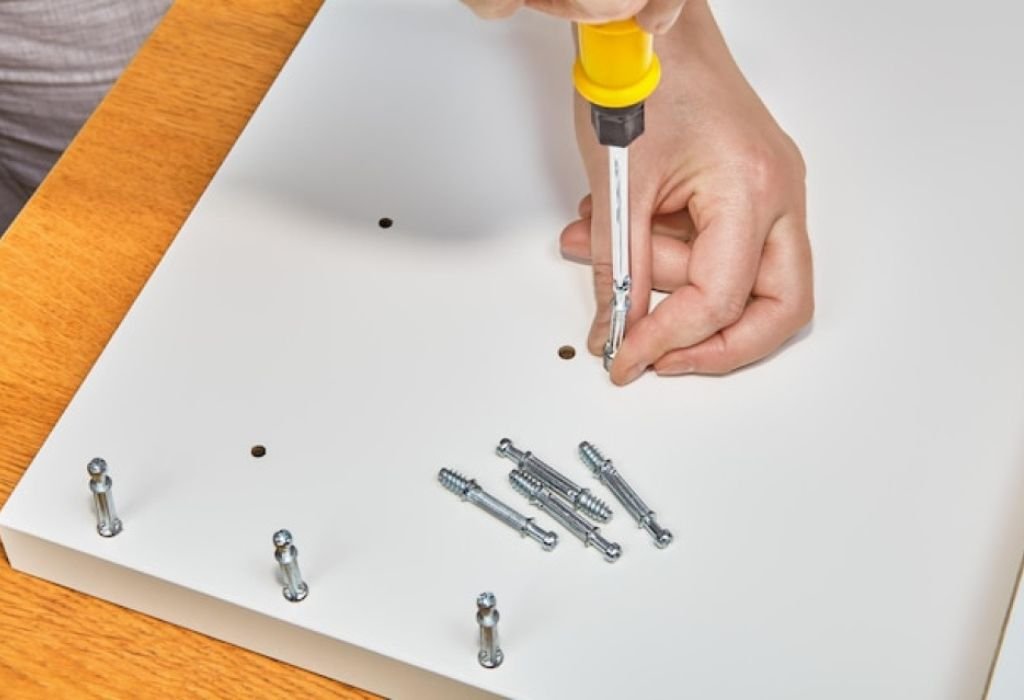
There are limited scenarios where a wrench can drive screws. These usually involve large lag screws or structural fasteners.
Hardwoods such as oak or outdoor decking may require more torque than a standard drill can provide.
Some modern impact wrenches feature variable torque settings, which make controlled driving possible in special cases.
Quality adapters and bits are essential if the tool is used this way.
Questions and Answers
Can lag screws be driven with a wrench?
Yes, in some heavy-duty cases.
What screw sizes work better?
Large structural screws handle torque better.
Is torque adjustment necessary?
Yes, without it damage is likely.
Can a clutch improve results?
Yes, if the tool supports one.
When to use a driver instead?
Whenever control and precision are required.
How to Use an Impact Wrench for Screws – Correct Workflow
If someone insists on trying, a safe workflow must be followed. The steps below reduce the risk of damage.
Start with a wrench that has torque settings or variable speed modes. Attach a high-quality impact-rated adapter.
Always pre-drill holes in hardwood or dense material to lower resistance.
Begin at the lowest torque setting and test on scrap wood before driving into the project material.
Stop once the screw is flush and finish with a hand tool if needed.
Questions and Answers
What torque should I start with?
The lowest available setting.
What adapter should I use?
Impact-rated, hardened adapters.
Is pre-drilling necessary?
Yes, it prevents splitting and binding.
Can reverse mode help?
Yes, use it to correct overdrives.
When to stop driving?
As soon as the head is flush.
Tool & Accessory Selection: What to Choose
The right accessories can reduce the risks of using an impact wrench for screws.
Choose a wrench with variable torque settings or electronic modes.
Always use impact-rated bits and adapters designed to handle sudden torque spikes.
Avoid cheap accessories that can shatter under heavy force.
A safer alternative is investing in both an impact wrench for bolts and an impact driver for screws.
Questions and Answers
Is torque control a must?
Yes, to prevent damage.
Which adapter brands are best?
Impact-rated, chrome-moly steel adapters.
Can regular bits be used?
No, only impact-rated bits are safe.
Is a combo drill/driver a good choice?
Yes, it adds versatility.
Should I own both tools?
Yes, if your projects require both screws and bolts.
Common Problems & Fixes When Driving Screws with a Wrench
Problems are common when misusing wrenches for screws. Most issues come from overpowering the fastener.
Stripped heads occur when torque is uncontrolled. Broken adapters result from cheap materials or overuse.
Wood splitting happens when screws are overdriven into soft material.
Heat and tool wear appear if the wrench is used continuously for tasks it was not designed for.
Questions and Answers
Why do screws strip?
Too much torque and poor control.
Why do screws bind?
Lack of pre-drilling or poor alignment.
How to avoid wood splitting?
Pre-drill and drive slowly.
Why do adapters fail?
Weak or non-impact-rated materials.
Can the wrench wear out?
Yes, misuse shortens tool life.
Verdict: Should You Use an Impact Wrench for Screws?
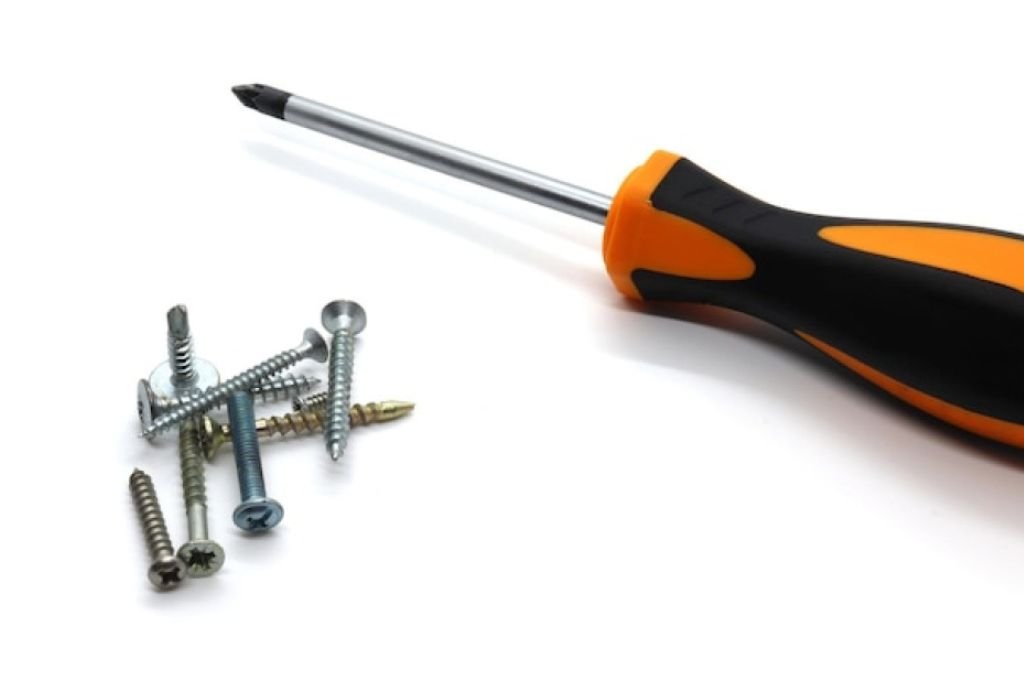
The conclusion is clear: impact wrenches are not designed for screws. They deliver far too much torque and lack the precision required.
They may work for large lag screws in tough materials, but an impact driver or drill is always the safer choice.
The best solution is to invest in the right tool for each job. A driver provides control, while a wrench provides raw torque for bolts.
Questions and Answers
Is it safe at all?
Only in limited cases with caution.
Will it damage screws?
Yes, if torque is uncontrolled.
Is it practical daily?
No, other tools are better suited.
What tool should I buy?
An impact driver for screws, wrench for bolts.
What is the bottom line?
Use each tool for its intended purpose.
Conclusion
The question “can I use an impact wrench for screws” comes up often in DIY and tool discussions. While possible in rare cases, it is not recommended.
Impact wrenches are designed for bolts, not screws. They deliver excessive torque that can damage fasteners, materials, and even the tool itself.
The right choice for screws is an impact driver or drill with adjustable settings. These tools balance torque and control, ensuring clean results without damage.
For reliable work and long-lasting tools, always choose the tool built for the task.

I’m Michael R. Turner, the founder, lead writer, and passionate DIY enthusiast behind 101diytools.com. With years of hands-on experience in home improvement and power tools, I built this platform to share practical tips, in-depth guides, and honest reviews to help DIYers of all skill levels tackle projects with confidence and the right tools.