Can I Use Impact Socket on a Torque Wrench Tool
Picture a weekend project in the garage where the job is tightening lug nuts after a brake replacement.
The torque wrench is ready, but the only sockets nearby are the heavy black impact sockets.
The question naturally arises: can you use an impact socket on a torque wrench without causing problems?
Many DIY enthusiasts and even professionals hesitate at this point.
The confusion comes from the common warning that sockets should not be mixed between impact tools and hand tools.
While it is true that using chrome sockets on impact wrenches can cause shattering, the situation is different when it comes to impact sockets on torque wrenches.
Understanding the differences is important. Impact sockets are made from chrome molybdenum steel, designed to withstand sudden shock and torque from impact wrenches.
Standard chrome sockets, on the other hand, are made for precision and lighter manual work.
This variation in design leads to questions about accuracy, safety, and long-term tool performance.
The concern is not just theoretical. According to workplace safety reports, thousands of hand and power tool injuries occur each year, with improper tool use being a leading cause (OSHA).
Even in home garages, misuse can damage equipment or cause serious accidents.
The benefit of using the right socket goes beyond safety. It ensures the torque wrench delivers accurate results, prevents bolt damage, and extends the lifespan of both the wrench and socket.
This article explores whether you can use an impact socket on a torque wrench, the pros and cons of doing so, safety considerations, and expert recommendations to help you choose the right tool for every situation.
What Is a Torque Wrench and How Does It Work
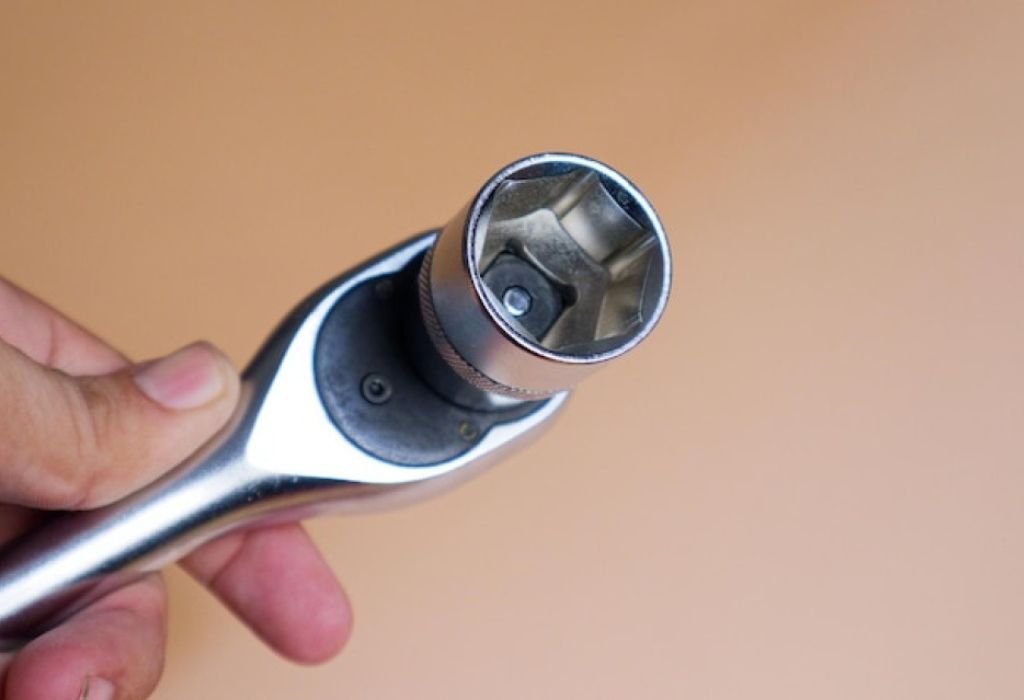
A torque wrench is a precision tool used to tighten fasteners to a specific torque value. This prevents both under-tightening and over-tightening, which can cause serious failures.
It works by applying a controlled twisting force to bolts or nuts. When the set torque is reached, most torque wrenches give a click or digital signal.
These tools are common in automotive repair, machinery assembly, and industrial work. They ensure fasteners remain safe and reliable under stress.
Regular calibration is essential. Without calibration, torque readings may drift, reducing accuracy and leading to potential hazards.
What is a torque wrench used for?
It is used to tighten bolts and nuts to manufacturer specifications for safety and precision.
Why does accuracy matter when tightening fasteners?
Improper torque can cause fasteners to fail, loosen, or break under stress.
What happens if bolts are under or over-torqued?
Loose bolts may cause failure, while overtightened bolts may stretch or snap.
How often should a torque wrench be calibrated?
At least once a year or after heavy use to maintain accuracy.
Can a torque wrench be used as a normal ratchet?
Yes, but frequent use as a ratchet may wear down its mechanism.
What Is an Impact Socket and How Is It Different from a Regular Socket
Impact sockets are designed to withstand extreme torque and shock loads from impact wrenches. They are made from chrome molybdenum steel, which is tougher and more ductile than standard chrome vanadium steel.
They feature thicker walls and a black oxide coating, which absorbs shock and resists corrosion. This makes them safer under heavy impacts.
Regular chrome sockets, on the other hand, are thinner and designed for hand tools where precision is needed. They can shatter under the stress of an impact tool.
Impact sockets fit both impact wrenches and torque wrenches, but they may feel heavier and bulkier during use.
What material are impact sockets made of?
They are made of chrome molybdenum steel for strength and flexibility.
Why do impact sockets have thicker walls?
To handle sudden torque spikes and prevent cracking.
Can regular chrome sockets be used on impact wrenches?
No, they may shatter and cause injuries.
Why are impact sockets usually black?
They use a black oxide finish instead of chrome plating to handle impacts.
Are impact sockets safer than regular sockets?
Yes, especially under heavy loads, since they are less likely to break.
Can I Use Impact Socket on a Torque Wrench?
The simple answer is yes, you can use an impact socket on a torque wrench. The square drives are standardized, so they fit perfectly.
Impact sockets are safe to use with torque wrenches because they do not risk shattering like chrome sockets do on impact tools.
However, some users note that impact sockets are bulkier. This can slightly reduce the “feel” of the torque wrench and make it harder to sense click feedback.
In most everyday applications, the difference in accuracy is minimal, but precision jobs may require standard chrome sockets.
Will an impact socket damage a torque wrench?
No, impact sockets will not damage torque wrenches.
Does using impact sockets reduce torque accuracy?
Slightly, but the difference is negligible in most cases.
Is it safe to use impact sockets with hand tools?
Yes, they are designed to handle higher loads, making them safe.
Do professionals recommend mixing them?
Many mechanics use impact sockets on torque wrenches without issue.
Is there a risk of over-tightening with impact sockets?
No, as long as the torque wrench is calibrated correctly.
Pros and Cons of Using Impact Sockets on a Torque Wrench
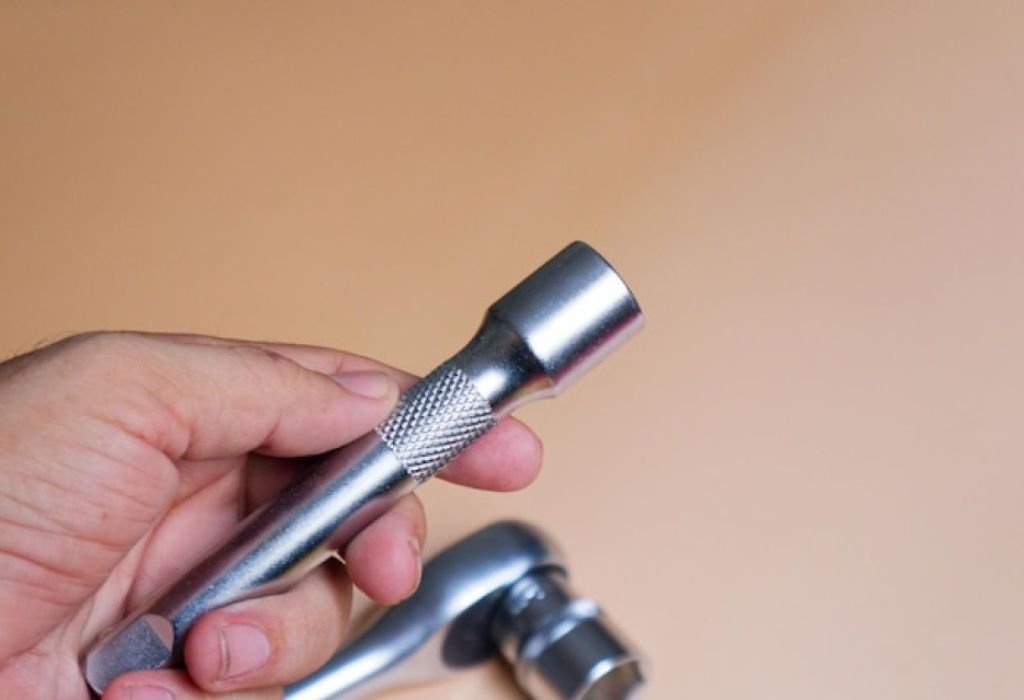
Using impact sockets on torque wrenches offers both advantages and disadvantages. The decision depends on the job requirements.
Pros:
- Durable and resistant to breaking under stress
- Safer in high-torque situations
- Can be used interchangeably with impact tools
Cons:
- Heavier and bulkier than chrome sockets
- Slight reduction in torque sensitivity
- May not fit in tight spaces
Are impact sockets more durable than chrome sockets?
Yes, they are built for shock resistance and longevity.
Do impact sockets wear out torque wrenches faster?
No, torque wrenches function normally with them.
Are chrome sockets more precise for torque readings?
Yes, thinner walls make torque transfer feel more sensitive.
Can impact sockets reduce calibration accuracy?
Very slightly, but not enough to matter in most tasks.
Which socket type is better for daily use?
Impact sockets are more versatile, while chrome sockets are better for precision.
When Should You Use Impact Sockets on Torque Wrenches
Impact sockets are best when working with larger fasteners or high-torque applications. Automotive jobs like tightening lug nuts are ideal examples.
They are also good for industrial maintenance where bolts are heavily loaded. In delicate tasks, however, chrome sockets may be preferred for accuracy.
Are impact sockets suitable for all torque ranges?
Yes, but smaller fasteners may benefit from chrome sockets.
Do mechanics use impact sockets on torque wrenches?
Yes, especially for heavy-duty automotive work.
Should impact sockets be used for delicate assemblies?
No, chrome sockets are more precise for small fasteners.
Do impact sockets work with digital torque wrenches?
Yes, they are fully compatible.
Can they be used for aircraft or precision work?
No, precision industries avoid them due to slight accuracy loss.
Safety Concerns and Misconceptions
Many people mistakenly believe that impact sockets cannot be used on torque wrenches. The reality is the opposite: it is safe and common practice.
The real danger is using chrome sockets on impact wrenches, which can cause the socket to shatter violently.
Impact sockets are stronger, but their thickness sometimes reduces torque feel slightly. This is more of an accuracy concern than a safety risk.
Why do people say not to mix sockets?
They confuse the dangers of using chrome sockets on impact tools with the reverse situation.
Can chrome sockets explode on impact wrenches?
Yes, they can shatter and cause injuries.
Is an impact socket overkill for light torque jobs?
Yes, but it remains safe.
What is the main danger when mixing sockets?
Using weaker chrome sockets with powerful impact tools.
How do ANSI/ISO standards classify sockets?
Impact sockets meet different safety and durability standards than chrome sockets.
Best Practices for Using Impact Sockets on Torque Wrenches
Follow good practices to ensure accuracy and safety when using impact sockets with torque wrenches. Always check calibration first.
Use the correct drive size and avoid stacking multiple adapters or extensions, as these reduce accuracy.
Keep sockets clean, dry, and properly stored to prevent rust and wear.
Do impact sockets need special care?
No, but they should be cleaned and stored properly.
Will using extensions reduce torque accuracy?
Yes, long extensions can affect torque readings.
Should torque wrenches be recalibrated more often with impact sockets?
Not necessarily, but regular calibration is always important.
What drive sizes are most common in impact sockets?
1/2-inch, 3/8-inch, and 1/4-inch are most used.
Can impact sockets rust faster?
Yes, the black oxide finish is more prone to corrosion if not maintained.
Alternatives and Recommendations
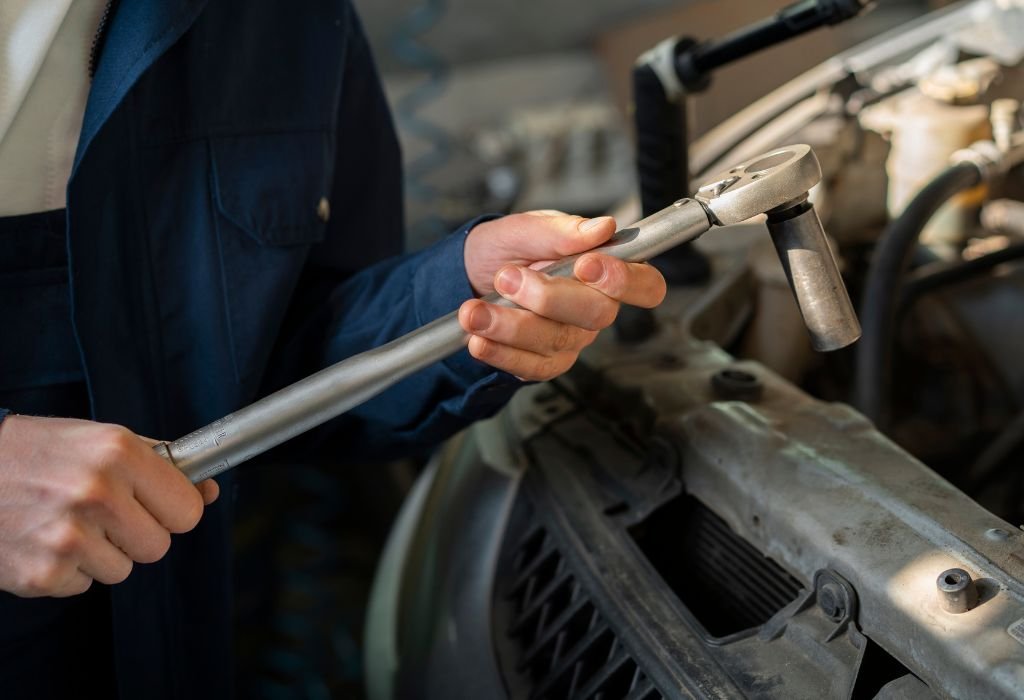
The best option is to own both impact sockets and chrome sockets. Use impact sockets for heavy-duty jobs and chrome sockets for precision tasks.
Professional mechanics often keep both types in their toolboxes, ensuring maximum flexibility.
Which is better for home garage users?
Impact sockets are versatile for most DIY jobs.
Should you invest in both socket types?
Yes, if budget allows, having both is ideal.
Do professional mechanics prefer impact sockets for torque wrenches?
Many do, especially for larger automotive work.
Are universal sockets a good alternative?
They can fit multiple sizes but often sacrifice accuracy.
What socket set offers best value?
A mixed set with both impact and chrome options is best.
Future Trends in Socket and Torque Wrench Compatibility
Tool manufacturers are developing hybrid sockets that combine precision with strength. These may eventually replace separate socket types.
Digital torque wrenches may also adapt settings automatically based on socket type. New alloys and coatings promise lighter and stronger sockets.
Will hybrid sockets replace chrome and impact?
Yes, in the future, universal designs may dominate.
Are digital torque wrenches improving compatibility?
Yes, many now include features for socket recognition.
Will lighter materials make impact sockets more practical?
Yes, new alloys will reduce weight without sacrificing strength.
Do tool brands innovate socket design?
Yes, many brands release safer and more durable models each year.
Can smart tools detect socket type automatically?
Yes, future torque wrenches may adjust automatically for socket thickness.
Conclusion
Yes, you can use an impact socket on a torque wrench. The fit is safe, and the design will not damage your torque wrench.
The only consideration is bulk and slight loss of sensitivity, which matters only for precision work. For most jobs, impact sockets are strong, safe, and versatile.
Avoid the opposite mistake: never use chrome sockets on an impact wrench. That is where real danger lies.
By understanding the differences and following best practices, you can protect your tools, improve accuracy, and work safely in any project.

I’m Michael R. Turner, the founder, lead writer, and passionate DIY enthusiast behind 101diytools.com. With years of hands-on experience in home improvement and power tools, I built this platform to share practical tips, in-depth guides, and honest reviews to help DIYers of all skill levels tackle projects with confidence and the right tools.