Can I Use Chrome Sockets on Impact Wrench Safely
A weekend project often starts with good intentions, the right tools, and a shiny set of chrome sockets.
The moment an impact wrench roars to life, those sockets face a challenge they were never designed to handle.
In seconds, what seemed like a routine job can turn into a safety hazard with cracked sockets or stripped fasteners.
Many DIYers wonder: can I use chrome sockets on an impact wrench just once?
The curiosity makes sense because chrome sockets are everywhere, cheaper, and already in most toolboxes.
But the truth is that impact wrenches deliver shock loads that far exceed what chrome vanadium sockets are built to withstand.
This difference isn’t just about durability—it’s about safety. When a brittle chrome socket shatters under high torque, sharp fragments can fly at dangerous speeds.
According to the U.S. Bureau of Labor Statistics, over 135,000 hand and power tool injuries occur annually, with a significant portion linked to improper tool use source.
One wrong choice could easily make you part of that number.
On the other hand, impact sockets, often made of chrome molybdenum with a black phosphate finish, are specifically engineered to absorb stress.
Their thicker walls, tempered toughness, and controlled design prevent the catastrophic failures that chrome sockets risk under impact use.
Understanding the differences between chrome and impact-rated sockets isn’t just technical—it’s practical knowledge that protects your tools, your work, and most importantly, your safety. This guide explores the risks of using chrome sockets with impact wrenches, explains why impact sockets are the safer option, and provides expert advice on what to buy, how to maintain them, and how to work smarter.
Quick Answer: Can I Use Chrome Sockets on Impact Wrench?
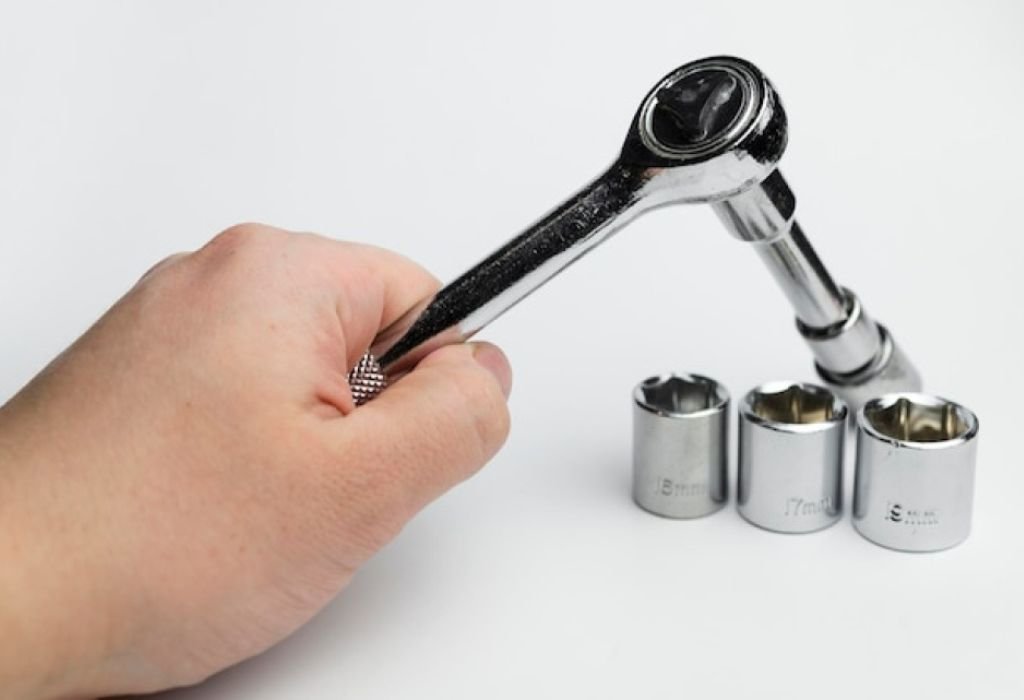
The short answer is no, it’s unsafe. Chrome sockets are designed for hand tools like ratchets, where torque is applied steadily. Impact wrenches deliver sudden bursts of power—measured in impacts per minute—that chrome sockets cannot withstand.
Why is it dangerous?
- Chrome sockets are hardened but brittle, meaning they crack under shock.
- Shards can fly at high speed when they fail.
- They may round off fasteners instead of gripping securely.
Better choice: Always use impact sockets, marked with “Impact” or often finished in black oxide/phosphate for easy identification.
Common DIY myth: Some think using chrome sockets “just once” on an impact wrench won’t cause harm. The reality is failure can happen the first time—or the tenth—but it’s unpredictable.
Chrome Sockets vs. Impact Sockets: What’s the Difference?
Even though both look similar, their materials and engineering make them very different.
Materials
- Chrome Sockets: Usually made of chrome vanadium (Cr-V). Hard, shiny, corrosion resistant—but brittle.
- Impact Sockets: Made from chrome molybdenum (Cr-Mo). Tougher, more ductile, absorbs shock.
Design
- Wall Thickness: Impact sockets have thicker walls to withstand torque.
- Finish: Chrome sockets are shiny, while impact sockets are black due to oxide coating.
- Markings: Impact sockets often have laser-etched size labels and “impact rated” stamps.
Performance
- Chrome Sockets: Best for steady, controlled torque.
- Impact Sockets: Handle repeated shock loads without fracturing.
Risks of Using Chrome Sockets with Impact Wrenches
- Shattering Hazard
When chrome sockets fail, they don’t bend—they break apart violently. This can cause serious injuries. - Damage to Fasteners
The thinner walls of chrome sockets lead to slipping and rounding off nuts and bolts. - Shortened Tool Life
Using the wrong socket can damage your expensive impact wrench’s anvil or drive. - Warranty Issues
Many tool manufacturers void warranties if chrome sockets are used with impacts. - Work Inefficiency
Instead of loosening stubborn fasteners, you’ll waste time replacing broken tools.
When People Try Anyway: “One-Time Use” Myth
A common scenario is someone saying, “I only used chrome sockets once and nothing happened.” That’s luck, not safety.
- The unpredictable nature of impact forces means failure timing can’t be predicted.
- Even if the socket doesn’t break, repeated stress creates micro-cracks inside the steel.
- Next use could be catastrophic.
Why Impact Sockets Are the Safer Choice
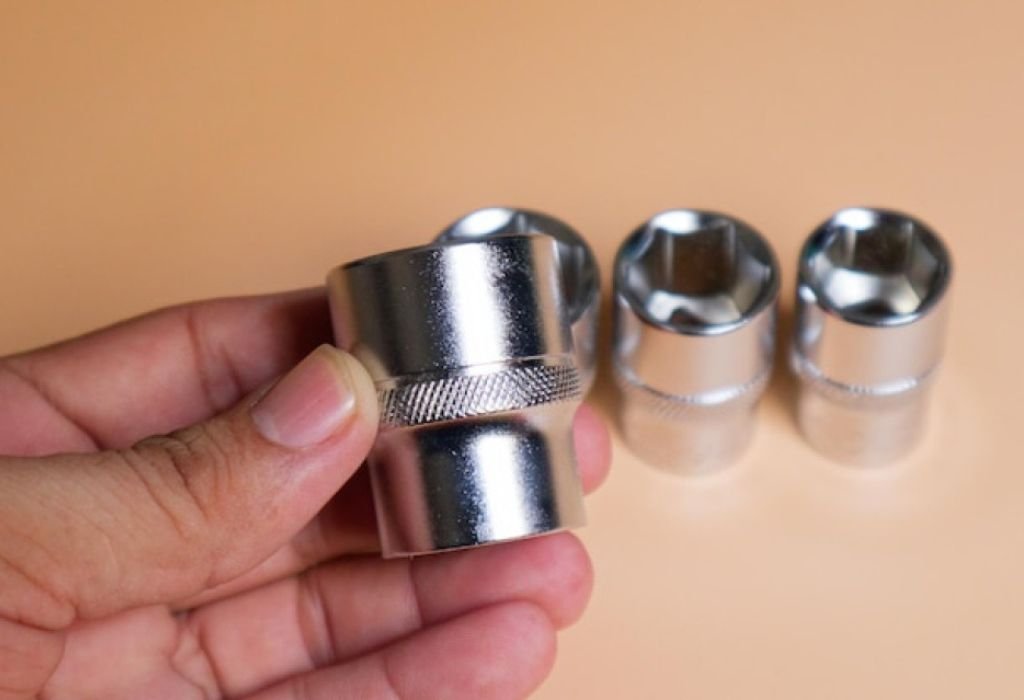
Impact sockets are engineered for the job:
- Thicker walls distribute force better.
- Heat-treated for toughness, not just hardness.
- Black oxide coating prevents corrosion.
- Tested for safety to handle high torque loads.
In short, they’re designed to survive what an impact wrench throws at them.
FAQs
Can chrome sockets damage my impact wrench?
Yes. The socket can shatter and damage the anvil or even jam the tool.
Are all black sockets impact-rated?
Not always. Some companies make black-finished chrome sockets. Always check for “Impact” labeling.
Can I use impact sockets with a ratchet?
Yes. Impact sockets work fine with hand tools, though they’re heavier.
Do I need deep impact sockets?
Yes, if you often work with long bolts or recessed nuts. Shallow ones are fine for surface fasteners.
Are impact sockets more expensive?
Slightly, but the safety and durability make them worth it.
Buying Guide: Choosing the Right Impact Sockets
Consider:
- Drive Size: Match to your impact wrench (1/4″, 3/8″, 1/2″, 3/4″).
- Socket Depth: Shallow vs. deep.
- Set or Individual: Full sets save money long-term.
- Brand Reputation: Stick with trusted brands like Sunex, Gearwrench, Milwaukee, or DeWalt.
Maintenance Tips for Impact Sockets
- Clean after use to prevent rust.
- Store in cases to avoid losing pieces.
- Check for cracks before each use.
- Lubricate occasionally to protect finish.
Conclusion
So, can you use chrome sockets on an impact wrench? The answer is a clear no if you care about safety, tool life, and job quality.
Impact sockets aren’t just a marketing gimmick—they’re a critical piece of engineering that keeps your hands, eyes, and tools protected. For the cost of a single replacement wrench or ER visit, you could own a full set of sockets designed for impact use.
Smart DIYers and pros invest in the right tools for the right job. Don’t gamble with chrome sockets on an impact wrench—your safety is worth more than that.

I’m Michael R. Turner, the founder, lead writer, and passionate DIY enthusiast behind 101diytools.com. With years of hands-on experience in home improvement and power tools, I built this platform to share practical tips, in-depth guides, and honest reviews to help DIYers of all skill levels tackle projects with confidence and the right tools.