Can I Use an Impact Wrench to Tighten Lug Nuts
A sudden flat tire on a highway can turn into a stressful situation. In moments like these, having the right tool can make the difference between a quick fix and a frustrating delay.
Many drivers keep an impact wrench handy, but the question often arises: is it safe to use this powerful tool to tighten lug nuts?
The curiosity is understandable. Impact wrenches are known for delivering high torque with ease, making them the go-to tool in many automotive shops.
Yet, while their speed and strength are unmatched, the same power that loosens stubborn bolts can also damage wheel studs if not used correctly.
The benefit of understanding this topic goes beyond convenience. Properly tightened lug nuts ensure the safety of your vehicle and everyone on the road.
Overtightened or loose nuts can lead to warped brake rotors, broken studs, or even dangerous wheel separations while driving.
According to the National Highway Traffic Safety Administration (NHTSA), around 11,000 accidents in the U.S. each year are linked to wheel separations Source: NHTSA.
This highlights how crucial it is to know the right way to secure wheels.
For DIYers and professionals alike, learning when and how to use an impact wrench is essential.
This guide will break down the pros, cons, and best practices, answering the big question: can you really rely on an impact wrench to tighten lug nuts safely?
What Is an Impact Wrench?
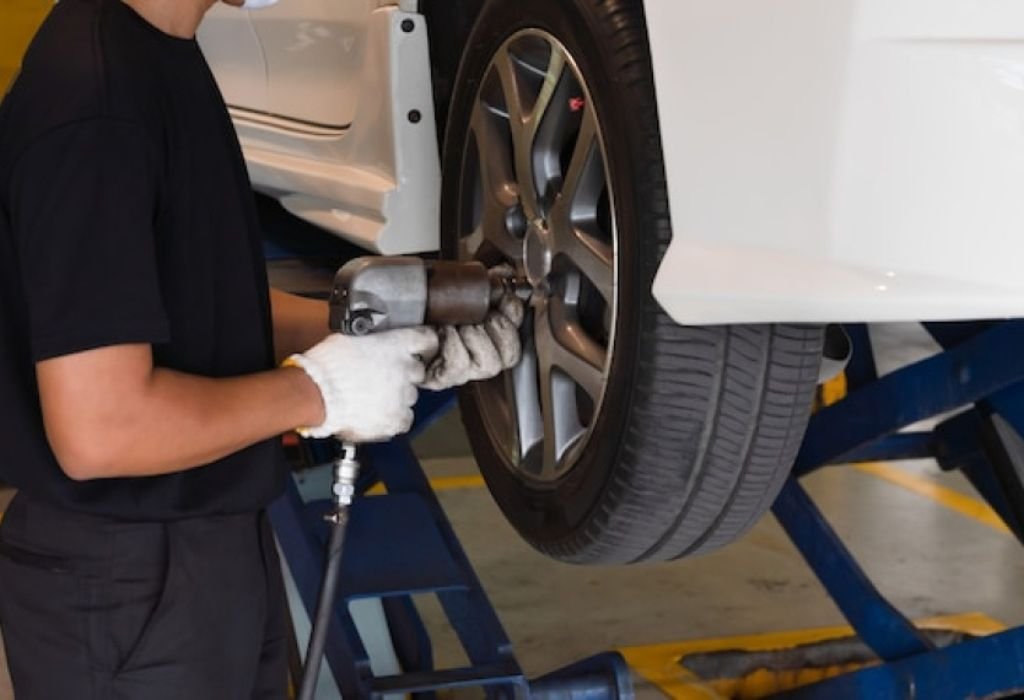
An impact wrench is a high-torque power tool designed to loosen or tighten fasteners quickly. It delivers short bursts of rotational force, known as impacts, that break stubborn nuts loose with ease.
This tool can be powered by electricity, batteries, or compressed air, making it versatile in garages, workshops, and roadside repairs. Cordless impact wrenches have become especially popular because of their portability.
The tool’s main advantage is speed. Where a hand wrench might take minutes of effort, an impact wrench can finish the same job in seconds. This is why they are commonly used in tire shops and automotive repair centers.
Can I use an impact wrench for all bolts?
Not always. Impact wrenches are best for high-torque applications, not delicate fasteners.
Is it the same as an impact driver?
No. An impact driver is smaller and used for screws and light-duty bolts, while an impact wrench is designed for heavy-duty tasks.
Why do mechanics prefer impact wrenches?
They save time and effort, especially when dealing with rusted or stuck nuts.
Are air impact wrenches stronger than cordless?
Yes, air-powered models usually deliver higher torque, but modern cordless versions are powerful enough for most vehicles.
Do impact wrenches replace torque wrenches?
No. A torque wrench is needed for final tightening to the manufacturer’s exact specification.
Can an Impact Wrench Tighten Lug Nuts?
Yes, an impact wrench can tighten lug nuts, but the bigger question is whether it can do so safely. The danger lies in applying too much torque, which can stretch or snap studs.
Automakers recommend specific torque values for lug nuts, usually between 80 and 120 ft-lbs for most passenger vehicles. An unchecked impact wrench can easily exceed these limits.
The tool is most effective when used with a torque-limiting extension, also called a torque stick. These accessories help prevent overtightening by flexing once the torque threshold is reached.
Can I skip the torque wrench if I use an impact wrench?
No. A torque wrench should always be used for final tightening to ensure accuracy.
Will overtightened lug nuts damage wheels?
Yes. Excess torque can warp brake rotors and damage alloy wheels.
Is it better to start lug nuts by hand?
Yes. Hand-threading avoids cross-threading before using power tools.
Can an impact wrench tighten nuts evenly?
Not without care. Always follow a star pattern for balanced tightening.
Should I use an impact wrench for roadside emergencies?
Yes, but with caution. It’s best as a fast solution but not as the final step.
Risks of Using an Impact Wrench on Lug Nuts
The biggest risk is overtightening. When lug nuts are tightened too much, the studs stretch beyond their safe limit, making them weaker.
Another common risk is uneven torque. If nuts are not tightened in sequence, the wheel may not sit flush against the hub, causing vibrations and safety issues.
Finally, there’s the chance of damaging the wheel itself. Alloy wheels, in particular, can crack under extreme torque, leading to costly repairs.
Can overtightened studs break while driving?
Yes. They may snap under stress, leading to wheel detachment.
Is undertightening also dangerous?
Yes. Loose nuts can cause the wheel to wobble and detach.
Can impact wrenches strip threads?
Yes. Excessive torque can damage threads beyond repair.
Do all cars have the same torque spec?
No. Each vehicle has specific torque requirements listed in the manual.
How do I know if my nuts are too tight?
If you struggle to loosen them with a breaker bar, they are likely overtightened.
Best Practices for Safe Tightening
The safest method is to use the impact wrench for quick snugging, followed by a torque wrench for final tightening. This ensures nuts are secure but not overtightened.
Always start nuts by hand before using the wrench. This prevents cross-threading and ensures proper alignment.
Use torque sticks if you frequently change tires. These simple tools limit the maximum torque applied by the impact wrench.
Should I tighten in a star pattern?
Yes. This distributes pressure evenly across the wheel.
How often should torque be checked?
Check after driving 50–100 miles, especially after new tires are installed.
Can I use anti-seize on lug nuts?
No. Lubricants can alter torque values and cause overtightening.
Is it okay to rely only on torque sticks?
Better than nothing, but always confirm with a torque wrench for accuracy.
Can I use a drill instead of an impact wrench?
No. Drills lack the torque needed for lug nuts.
Alternatives to Impact Wrenches
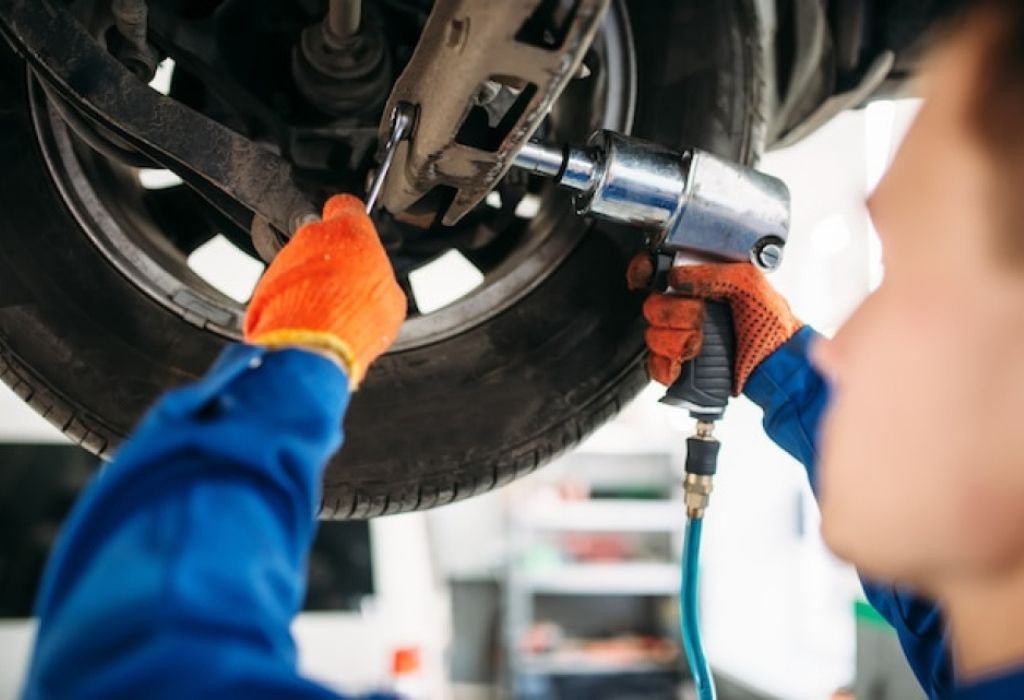
The most reliable alternative is a torque wrench. It is slower but guarantees accuracy.
A breaker bar is another useful option. It provides leverage to loosen stubborn nuts without risking overtightening.
Some DIYers prefer cross wrenches, also known as four-way tire irons. They are inexpensive and effective but require more effort.
Are torque wrenches expensive?
Prices vary, but basic models are affordable and worth the investment.
Can breaker bars damage studs?
Not if used correctly. They provide steady pressure instead of sudden impacts.
Do professionals ever skip torque wrenches?
No. Certified shops always confirm final torque with precision tools.
Are cross wrenches safe for alloy wheels?
Yes, as long as you apply even pressure and avoid overtightening.
Is an impact driver an alternative?
No. It lacks the torque required for tightening lug nuts.
Conclusion
So, can you use an impact wrench to tighten lug nuts? The answer is yes, but only with the right precautions. These tools provide speed and power, but they must be paired with proper technique to ensure safety.
The best approach is simple: start by hand, snug with the impact wrench, and finish with a torque wrench. This method balances efficiency with accuracy.
Your safety, as well as the safety of others on the road, depends on properly secured wheels. Take the extra time to tighten lug nuts correctly and avoid preventable accidents.

I’m Michael R. Turner, the founder, lead writer, and passionate DIY enthusiast behind 101diytools.com. With years of hands-on experience in home improvement and power tools, I built this platform to share practical tips, in-depth guides, and honest reviews to help DIYers of all skill levels tackle projects with confidence and the right tools.