Can I Use 16oz Gloves for Bag Work or Should I Switch
The first round on a heavy bag feels exciting until the gloves slow your hands and burn your shoulders.
This moment leads to the common question: can I use 16oz gloves for bag work or should lighter gloves be chosen instead?
The answer is not as simple as one size fits all. Sixteen-ounce gloves are built with extra padding, offering more protection for knuckles and wrists during long sessions.
Lighter gloves in the 10–14oz range, however, deliver more speed and sharper technique feedback on impact.
For many athletes, body weight and training goals guide the choice. Fighters under 160 pounds often use 12oz or 14oz on the heavy bag, while those above 175 pounds may prefer 14oz or even 16oz for added safety (Muay Thai Citizen).
Context matters too. Gyms almost universally require 16oz gloves for sparring to protect partners, but bag work is more flexible (FightCamp).
This distinction explains why many boxers own multiple glove weights.
Training volume also plays a role. Long endurance sessions benefit from 16oz cushioning, while speed drills feel smoother in 12oz or 14oz. The right choice balances comfort, safety, and performance without compromising progress.
This guide explores every angle of the decision, from glove construction and padding to body-weight charts and training context.
By the end, readers will know exactly when 16oz gloves make sense for bag work and when switching ounces is the smarter move.
Quick Answer — Can You Use 16oz Gloves for Bag Work?
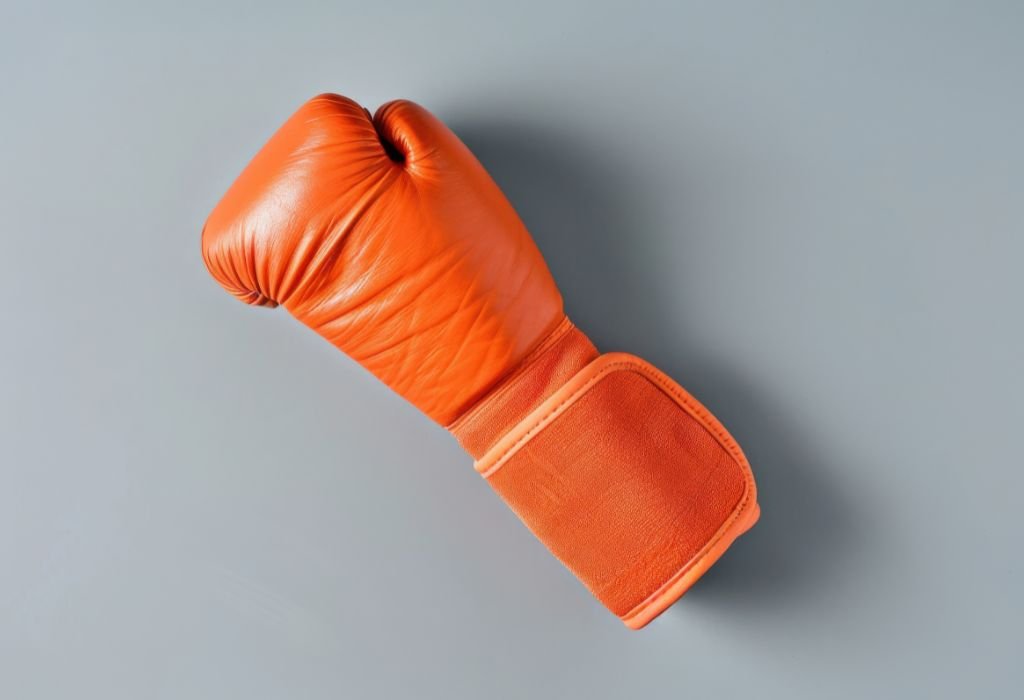
Yes, you can use 16oz gloves for bag work, and they provide excellent protection for knuckles and wrists. The thicker padding makes them ideal for long, high-volume sessions.
The trade-off is speed. Heavier gloves slow down combinations, increase shoulder fatigue, and reduce the sharp “feedback” that lighter gloves give on the bag.
For many athletes, 12oz or 14oz gloves are more comfortable for bag rounds. They allow faster hands while still protecting joints and helping refine technique.
Still, 16oz gloves are not a bad choice. They condition the arms, extend endurance, and double as sparring gloves, making them versatile for training.
Are 16oz safe on the bag?
Yes, they offer strong padding and reduce joint stress.
Will they slow punches?
Yes, heavier gloves create more resistance and fatigue.
What about 12–14oz?
They are popular for bag and mitt work because they balance speed and safety.
Do gyms require 16oz for bag work?
Not usually. Most gyms only mandate 16oz for sparring.
Is 18oz ever used?
Yes, very large fighters or those with hand injuries may choose them for bag sessions.
How Glove Ounces Change Your Training
The ounce rating of a glove reflects its padding and weight. More ounces mean thicker foam, better shock absorption, and heavier training load.
Heavier gloves build shoulder endurance and arm strength. Lighter gloves give faster hand speed and sharper technique awareness.
On the bag, heavier gloves protect hands but reduce feedback. Lighter gloves expose flaws and reward proper form.
Conditioning goals may favor 16oz, while skill refinement leans toward 12–14oz. The choice depends on what the athlete values most.
Do heavier gloves hit harder?
Not necessarily. They add resistance but mainly add protection.
Do lighter gloves risk injury?
Only if form, wraps, or bag density are poor.
Why does feedback matter?
It helps athletes correct mechanics and avoid bad habits.
Will switching ounces ruin timing?
No, adjustment takes only a few rounds.
Should beginners always go heavy?
Not always. Beginners often benefit from 12–14oz balance.
Weight & Hand-Size Guide — Picking the Right Ounce
Body weight often determines glove choice. Athletes under 150 pounds usually pick 10–12oz for the bag.
Those between 150 and 175 pounds often choose 12–14oz gloves. Fighters over 175 pounds usually prefer 14–16oz gloves for support.
Hand size also matters. Smaller hands may struggle in bulky 16oz gloves, while larger hands may feel cramped in lighter ones.
Padding density differs by brand. Trying gloves in person ensures the best fit.
Is body weight the only factor?
No, hand size, bag hardness, and training goals matter too.
Small hands in 16oz gloves?
Switch to compact 14oz models for better fit.
Heavy hitters at 160 pounds?
Use 14–16oz for safety depending on bag density.
Do women follow the same rules?
Yes, size depends on weight and hand fit.
What if fingers touch the glove end?
Size up or pick gloves with deeper hand compartments.
Bag Type, Density, and Wraps — Why Context Matters
The type of bag influences glove needs. Softer bags are easier on joints, while rock-hard heavy bags demand thicker padding.
Water-filled bags absorb shock and allow lighter gloves safely. Dense sandbags benefit from extra padding to protect knuckles.
Hand wraps are just as critical as glove weight. Properly wrapped wrists and knuckles prevent sprains and cuts.
Changing gloves for each bag type is optional. Most boxers use one glove pair across bags with careful wraps.
Do 16oz gloves help on rock-hard bags?
Yes, they cushion impact more than lighter gloves.
Can 12oz be used on water bags?
Yes, slosh absorption makes them safe.
Do wraps affect glove fit?
Yes, thick wraps may make snug gloves too tight.
Switch gloves mid-session?
Not required, but some athletes do.
What if elbows start hurting?
Reduce bag density or increase glove padding.
12oz vs 14oz vs 16oz — What Each Does Best

Ten and twelve-ounce gloves are ideal for speed drills and precision. They suit lighter fighters or technical bag sessions.
Fourteen-ounce gloves balance speed and protection. They are the most versatile choice for bag and pad work.
Sixteen-ounce gloves provide maximum padding. They are essential for sparring and useful for long endurance rounds.
Each size has a role. Many athletes own more than one pair to match training needs.
Do 16oz build power?
They build endurance, not punching power.
Are 12oz best for speed rounds?
Yes, they keep hands fast and light.
When to choose 14oz?
They offer the best mix of protection and speed.
Do 16oz feel slow?
Yes, they reduce hand speed but protect joints.
Should sparring use lighter gloves?
No, gyms require 16oz for partner safety.
Common Myths About 16oz on the Bag
One myth is that heavier gloves always protect better. Foam density and fit are just as important.
Another myth is that 16oz gloves ruin hand speed permanently. In reality, timing returns quickly when switching ounces.
A third myth is that only professionals use 10oz on the bag. In truth, lighter gloves are often used for technique drills.
Glove choice is about context, not myths. Training goals should guide the decision.
Is 16oz mandatory for bag work?
No, 10–14oz gloves are also safe.
Will 12oz cause injury?
Not if form and wraps are correct.
Do all brands size the same?
No, fit varies widely.
Is lace-up better than Velcro?
Lace-up locks the wrist tighter but requires help.
Do expensive gloves last longer?
Yes, leather and multi-layer foam outlast cheap synthetics.
Buying Guide — Padding, Materials, Closure, and Fit
The best gloves use multi-layer foam that absorbs impact evenly. High-density padding lasts longer.
Material matters. Full-grain leather gloves are durable, while synthetics are cheaper but wear faster.
Closure choice affects support. Velcro is easy for training alone, while lace-up offers stronger wrist stability.
Ventilation keeps gloves fresher. Mesh palms and moisture-wicking linings prevent odor.
Should I buy budget gloves?
Only if padding and support are reliable.
Is dense foam better?
Yes, it lasts longer and protects better.
Should thumbs be attached?
Yes, to prevent sprains.
When to replace gloves?
When padding flattens or wrists lack support.
Are sizes consistent across brands?
No, always test fit.
Programming Your Rounds — When to Use 16oz vs 12–14oz
Training plans benefit from multiple glove sizes. Power sessions often use 16oz, while speed drills favor 12–14oz.
A simple split is to use 16oz for conditioning days and 12–14oz for technical drills. This builds endurance and speed together.
Competition prep requires practicing in the fight glove weight. This ensures timing and rhythm feel natural.
Mixing glove sizes across the week balances safety, conditioning, and skill development.
Do you need two glove pairs?
Not at first, but it helps over time.
Best gloves for double-end bag?
10–12oz work best for rhythm.
Best for heavy conditioning rounds?
16oz gloves protect and build endurance.
Can one pair cover all?
14oz gloves often handle most training.
Is switching mid-session normal?
Some athletes do for variety.
Safety First — Wraps, Form, and Recovery
Glove ounce cannot replace good wraps. Hand wraps stabilize knuckles and wrists, preventing injuries.
Proper punching form is critical. A neutral wrist and straight-line impact reduce stress on joints.
Recovery matters too. Sore knuckles or wrists need rest, ice, and careful volume management.
Long-term durability comes from smart habits, not just glove choice.
Should wraps be worn every round?
Yes, wraps are essential.
What if wrists still bend?
Use better wraps or different gloves.
Knuckle pain appearing?
Add knuckle guards or size up.
Shoulders burn in 16oz?
Reduce rounds or use lighter gloves.
When to stop training?
Stop if pain or swelling continues.
Final Verdict — Stick With 16oz or Switch?
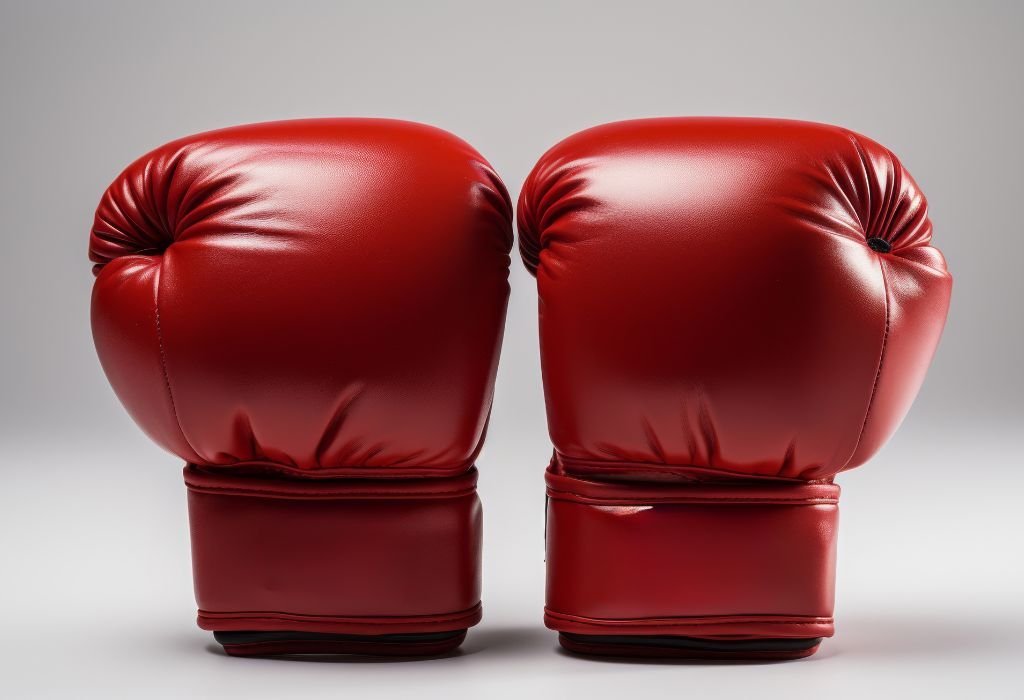
So, can I use 16oz gloves for bag work? Yes, they work well for protection, endurance, and versatility.
But lighter gloves—10oz, 12oz, or 14oz—may be better for speed, technique feedback, and sharper bag sessions.
The smart choice is to own both. Use 16oz for sparring and conditioning, and 12–14oz for bag work and mitt drills.
Glove ounce should match body weight, training goals, and gym requirements. Switching sizes when needed builds both safety and skill.
Best one-glove choice?
14oz is the most versatile for many.
Big athletes with no sparring?
14–16oz depending on bag hardness.
Light athletes seeking speed?
10–12oz for sharper feedback.
Chronic wrist issues?
Stick with 16oz for added support.
Coach says 16oz only?
Follow gym rules for consistency.
Conclusion
Using 16oz gloves for bag work is safe and common, especially for athletes who also spar. The extra padding protects joints and builds endurance.
However, lighter gloves often feel better for speed, feedback, and technique drills. Choosing between them depends on goals, body weight, and training style.
So, can I use 16oz gloves for bag work? Yes—but smart athletes also keep 12oz or 14oz gloves for sharper training. Balancing glove sizes ensures progress, safety, and long-term development.

I’m Michael R. Turner, the founder, lead writer, and passionate DIY enthusiast behind 101diytools.com. With years of hands-on experience in home improvement and power tools, I built this platform to share practical tips, in-depth guides, and honest reviews to help DIYers of all skill levels tackle projects with confidence and the right tools.