Can a Beginner Use a Circular Saw Safely and Effectively?
You’ve just bought your first circular saw, shiny and powerful, sitting on your workbench. You can already picture yourself cutting wood perfectly straight, but that spinning blade feels a little intimidating.
Many beginners feel nervous before their first cut. The sound, speed, and sharpness of a circular saw can seem overwhelming until you understand how it works. The truth is, it’s one of the easiest tools to learn with proper guidance.
According to the DIY Safety Institute, around 60% of new woodworkers start with a circular saw. They choose it because it’s portable, affordable, and useful for almost every project. With the right setup and safe handling, it quickly becomes your most reliable tool.
This guide will help you understand how beginners can safely use a circular saw. You’ll learn the basics of setup, operation, and safety so that you can work with confidence from the very first cut.
By the end, you’ll see that using a circular saw is not about strength but about control and preparation. Once you understand those two things, even your first project can feel like a professional one.
Overview: What Is a Circular Saw
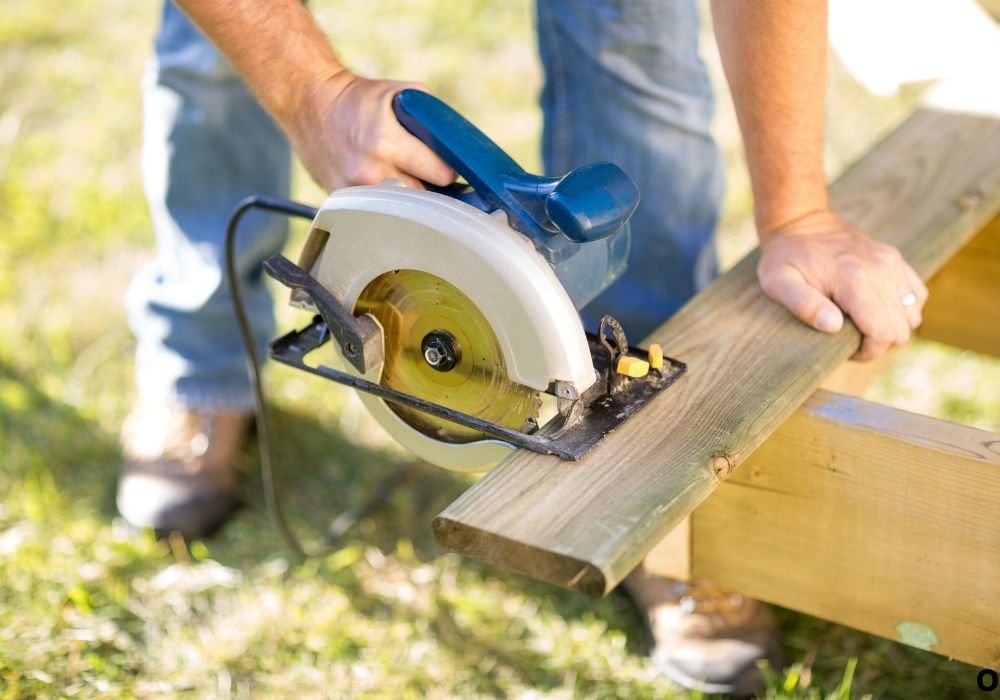
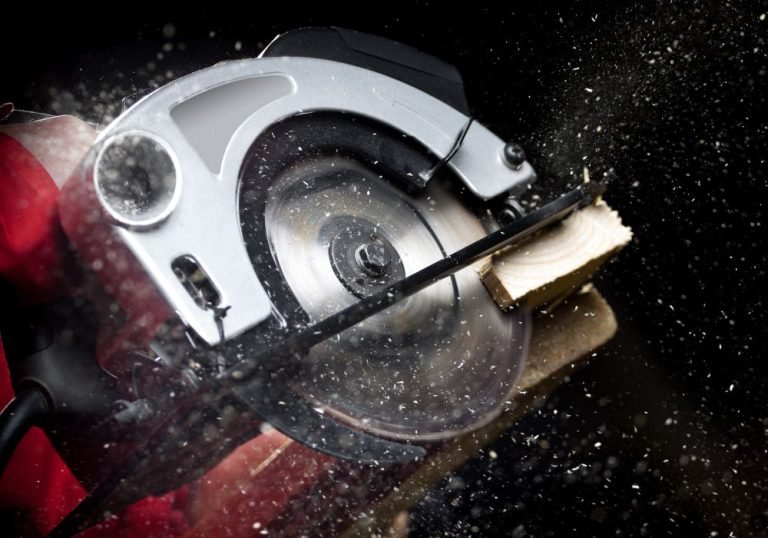
A circular saw is a handheld power tool that uses a fast-spinning round blade to cut through different materials. It’s one of the most common tools found in workshops and home garages because it’s powerful and easy to carry.
This saw is designed for making straight and long cuts in wood, plywood, plastic, and even metal with the right blade. You simply guide the saw along a marked line while the blade slices through the material. The tool’s motor spins the blade at high speed, allowing you to make smooth, precise cuts with minimal effort.
Most circular saws come with adjustable depth and angle settings. This means you can control how deep the blade cuts or make angled bevel cuts for more detailed projects. Many models are cordless now, which makes them easier to move around and use outdoors.
Circular saws are great for beginners because they don’t require a complex setup. All you need is a flat, stable surface and a clear line to follow. Once you get used to its sound and weight, it becomes comfortable to control.
With a little practice, a circular saw can replace several cutting tools. It’s perfect for anyone who wants a fast, accurate, and portable way to work with wood or other materials.
Why Beginners Feel Nervous About Circular Saws
Many beginners feel anxious the first time they hold a circular saw. The noise, vibration, and spinning blade can seem intense if you’ve never used one before. Most of this fear comes from uncertainty rather than real danger.
A circular saw looks powerful because it is, but it’s also built with several safety features. The blade guard, trigger lock, and base plate all work together to keep your hands safe. Once you understand how these parts function, the fear begins to fade.
Another reason beginners worry is hearing stories about accidents. However, most of those incidents happen because of improper setup, dull blades, or rushing through cuts. Following basic safety rules prevents nearly all of these issues.
Start slow and practice on scrap wood before working on your actual project. This helps you get comfortable with the sound, weight, and cutting motion. Within a few tries, the saw will start to feel like a natural extension of your hand.
Confidence grows with understanding. When you know what to expect and prepare properly, a circular saw becomes a safe, reliable, and empowering tool for any beginner.
Safety First: How to Prepare Before Using a Circular Saw
Preparation is the first and most important step before using a circular saw. Good preparation not only ensures safety but also improves your cutting accuracy. Always begin by checking that your workspace is clean and well-lit.
Inspect the saw before each use. Make sure the blade is sharp, clean, and tightly secured. A dull or loose blade can cause the saw to bind or kick back. Also, confirm that the blade guard moves smoothly and covers the blade completely when not cutting.
Set the cutting depth correctly. The blade should extend only about one quarter of an inch below the material. This gives the cleanest cut and keeps you safe from deep overcuts. Adjust the angle if you plan to make bevel cuts.
Wear the right protective gear every time. Safety glasses, ear protection, and a dust mask are essential. Gloves can also help with grip and prevent splinters.
Lastly, secure your material properly. Use sawhorses or clamps so the wood stays still while cutting. Proper setup reduces mistakes and makes every cut smoother and safer.
Basic Steps to Use a Circular Saw as a Beginner
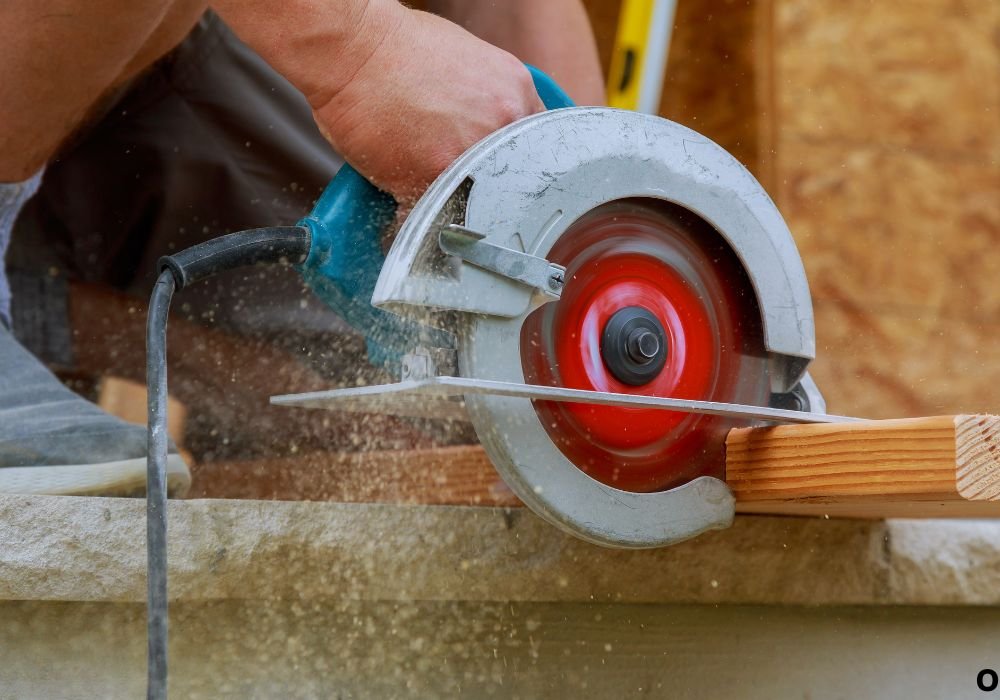
Once you’re ready, learning how to use a circular saw step by step makes it simple. Each movement should be calm and controlled, not rushed or forced.
Start by marking your cut line clearly with a pencil or chalk. This line is your guide and helps keep your cut straight. Position the blade just next to the line, not directly on it, to maintain accuracy.
Hold the saw firmly with both hands. One hand should grip the main handle while the other supports the front knob. This gives you balance and control as the blade moves through the material.
Before you begin cutting, let the saw reach full speed. Once it’s running smoothly, gently guide it forward along the marked line. Keep your eyes on the path and maintain steady pressure without pushing too hard.
When you finish the cut, release the trigger and wait for the blade to stop spinning before setting the saw down. This habit keeps you safe and helps you maintain better control over your work.
Common Mistakes Beginners Should Avoid
Learning to use a circular saw takes practice, and mistakes are part of the process. However, knowing what to avoid helps you stay safe and achieve cleaner results. The most common errors come from rushing or skipping safety steps.
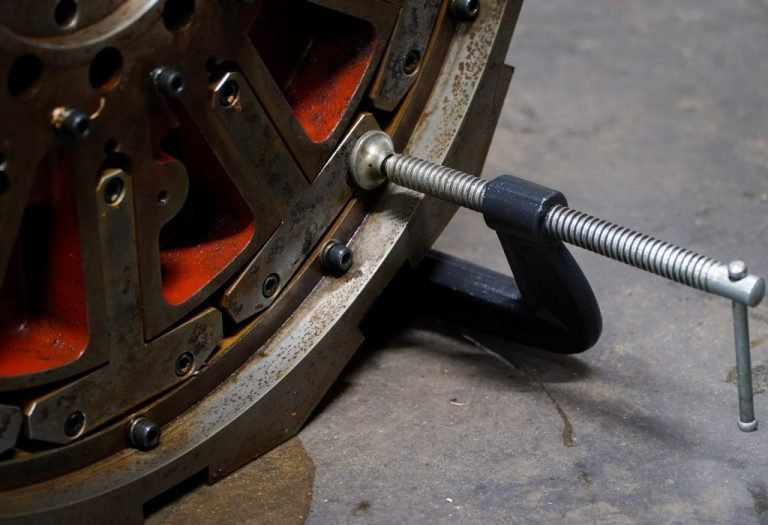
The first mistake is cutting without securing the material. When the wood moves during a cut, the blade can bind or kick back suddenly. Always clamp your board tightly before turning the saw on. This simple habit keeps both your hands and cuts steady.
Another frequent issue is using a dull or wrong blade. A dull blade burns wood and makes the motor work harder, which can lead to rough edges or even tool damage. Make sure the blade matches your material type and replace it when cutting feels slow or uneven.
Beginners also tend to set the cutting depth too deep. The blade should only extend slightly below the material. A deeper cut increases resistance and kickback risk. Adjusting depth correctly makes the saw safer and easier to control.
Finally, never ignore safety gear or remove the blade guard. The guard is designed to protect you during operation and should always be in place. Wearing goggles, ear protection, and gloves ensures you can work comfortably and confidently every time.
Tips to Build Confidence as a Beginner
Using a circular saw becomes easier when you take small, consistent steps. Building confidence means learning to trust the tool and your control over it. Start with simple projects like cutting short pieces of softwood before moving to harder materials.
Practicing on scrap wood helps you understand how the saw reacts. Try straight cuts first, then experiment with angles once you’re comfortable. Each practice session improves your control and makes your hands steadier.
Always use a guide rail or straightedge for long cuts. It keeps the blade on track and helps produce clean, professional-looking edges. You can also mark your line clearly with a pencil to make guiding the saw easier.
Work slowly and stay focused on the cut line. Let the saw do the work rather than forcing it through the material. A relaxed, steady pace gives smoother results and reduces mistakes.
Keep your workspace clean and well-lit to avoid distractions. With time, the sound and motion of the saw will start to feel normal, and your confidence will grow naturally with every successful cut.
When to Upgrade or Try Other Tools
After gaining comfort with a circular saw, you might consider adding other tools to your workshop. Each tool has its own strength, and knowing when to upgrade depends on your project goals.
If you find yourself needing precise angled cuts, a miter saw is a great next step. It helps create clean edges for molding, trim, and furniture work. For large sheet materials, a track saw gives ultra-straight lines with less effort.
Upgrading your circular saw blade can also improve performance. Using a high-quality carbide-tipped blade gives cleaner, smoother cuts with less vibration. Specialized blades for laminate, metal, or plastic can expand what your saw can handle.
Cordless models are worth considering if portability matters. Modern battery-powered saws offer strong cutting power and save time during outdoor or on-site projects.
You don’t need every tool at once. Mastering one tool before moving to the next builds real skill and saves money. Once your circular saw feels like second nature, exploring new tools becomes both easier and more rewarding.
Frequently Asked Questions (FAQs)
1. Is a circular saw good for first-time users?
Yes, it’s one of the easiest power tools to start with. As long as you follow safety rules and practice on scrap wood first, it’s beginner-friendly and easy to control.
2. How dangerous is a circular saw for beginners?
It’s only dangerous when used carelessly. Keeping both hands on the saw, wearing safety gear, and following setup steps make it very safe to operate.
3. What’s the easiest wood to start cutting with?
Softwoods like pine or cedar are ideal for learning. They cut smoothly and let you focus on control instead of power.
4. Can I use a circular saw indoors?
Yes, but make sure the area is well-ventilated and free from clutter. Always wear a dust mask to avoid breathing in sawdust.
5. What blade should I start with as a beginner?
A general-purpose 24-tooth or 40-tooth carbide-tipped blade is best for most beginner projects. It balances smooth cuts with easy handling.
6. How deep should I set the blade?
The blade should extend about one quarter of an inch below the bottom of your material. This gives a clean cut while keeping you safe.
7. Can left-handed users operate a circular saw easily?
Yes, but it’s easier to use a left-blade saw. It improves visibility and control during cutting.
8. How do I keep wood from splintering while cutting?
Use painter’s tape along the cut line and keep your blade sharp. Cutting with the finished side facing down also helps.
9. Can I cut metal or plastic with a circular saw?
Yes, but only if you use a blade designed for those materials. Using the wrong blade can damage both the saw and your project.
10. Should I use both hands when cutting?
Always. Keeping both hands on the saw gives you better balance, control, and protection while cutting.
Conclusion
A circular saw might seem intimidating at first, but it’s one of the most rewarding tools for beginners to learn. Once you understand its parts, setup, and safety steps, it becomes a reliable partner for almost any woodworking task.
Start with simple cuts, use proper support, and let the saw do the work. Every smooth, straight line will build your confidence and make you more comfortable with power tools.
With patience and practice, you’ll see that using a circular saw isn’t about strength but about control and precision. Over time, your skill will grow, and you’ll wonder why you ever felt nervous to begin.
Every expert woodworker was once a beginner holding a circular saw for the first time. The difference is they took that first careful cut — and you can too.

I’m Michael R. Turner, the founder, lead writer, and passionate DIY enthusiast behind 101diytools.com. With years of hands-on experience in home improvement and power tools, I built this platform to share practical tips, in-depth guides, and honest reviews to help DIYers of all skill levels tackle projects with confidence and the right tools.