Can a Staple Gun Use Different Brand Staples? Answers Inside
Picture this: you’re in the middle of a DIY project, and your staple gun runs out of staples. You scramble to find a box of staples, but you only have a different brand. Frustration hits you hard, right? This is a common situation for many of us. This post is crafted to eliminate this problem. By exploring the details of staple compatibility, you’ll gain valuable insights that will prevent future project delays and give you more confidence when working with your tools. You’ll also learn tips to buy the right staples for your projects. This will lead to you saving money and becoming more efficient. So, let’s explore whether your staple gun can handle different brands of staples.
Key Takeaways
- The compatibility of staples with your staple gun depends on the staple type and size, not always the brand.
- Knowing the correct staple sizes and types is crucial for optimal performance and safety.
- Using the wrong staples can lead to jams, damage your tool, or incomplete fastening.
- Reading your staple gun’s manual is the best way to determine compatible staples.
- Various staple types exist for different applications, such as crown staples and brad nails.
- Proper staple selection contributes to the longevity and effective operation of your staple gun.
Staple Gun Compatibility Explained
The core question is, does the brand of staples matter, or is it the staple itself? The answer depends on a few factors. It’s more about the staple’s specifications than the brand name. Think of it like buying batteries – you want the right size and type. The brand often doesn’t matter as much as these key details. Staple guns are built to accept specific types and sizes of staples. Using the wrong size or type can lead to problems. These problems include jams, incomplete fastening, or even damage to the tool. So, let’s explore the details to make sure you get it right every time.
Staple Size Matters
One of the main things you need to confirm is the staple size. Staple sizes vary based on their length, width, and gauge. For example, a 1/2-inch staple might be perfect for one job but completely wrong for another. Using the incorrect size can lead to the staple not fully penetrating the material or going right through. It may also get jammed in the staple gun. Always check the manual of your staple gun. This manual lists the appropriate staple sizes. These sizes help ensure your staples work smoothly and efficiently. Failing to do so can make your work harder and less efficient. This also has the potential to ruin your project.
-
- Staple Length: This is the most crucial dimension. The length determines how deep the staple goes into the material. If it is too short, it won’t hold. If it’s too long, it may poke through the other side.
Always choose a length appropriate for the material you are fastening. This ensures a secure and clean finish.
-
- Staple Width (Crown): This refers to the measurement of the staple’s top section. It influences the holding power, especially in softer materials. Wider crowns spread the load better, making it ideal for upholstery.
A wider crown distributes pressure better, which is helpful for things like attaching fabric.
-
- Staple Gauge (Wire Thickness): This specifies the thickness of the staple’s wire. A thicker gauge staple is stronger and is suitable for harder materials. Lighter gauge staples are suitable for delicate tasks and materials.
The gauge affects both holding power and the potential for splitting the material.
Staple Type Variations
Beyond size, different types of staples are crafted for different jobs. Each type is made with specific features to handle certain materials. Understanding these variations helps you choose the right staples for the task at hand. This also improves the outcome of your projects. The two most common types are crown staples and brad nails. There are other types, too, such as narrow crown staples, which are good for detail work. Other types include heavy-duty staples for things like roofing, and finish staples used for decorative purposes.
-
- Crown Staples: These are the most common type of staples. They are characterized by a wide, flat top (the crown) that provides a secure grip on the material. They are great for general tasks. They are ideal for projects like attaching insulation or securing fabric to furniture frames.
The crown’s width provides a solid anchor point and resists pull-out forces.
-
- Brad Nails: These are thin, headless nails that are perfect for fine finish work. They are great for delicate jobs. They are often used in trim work and crafting. They are less visible and leave a cleaner appearance.
Brad nails are designed to minimize splitting of the wood, which makes them great for delicate projects.
-
- Specialty Staples: There are staples for special tasks. These include staples for wire management or flooring. These types are designed for particular materials and jobs. The right staple type is essential for both efficiency and the longevity of your project.
Different tasks call for different tools, and staples are no different. Using the correct staple type can prevent problems and make your work easier.
Reading Your Staple Gun’s Manual
The best resource for selecting the correct staples is your staple gun’s manual. This small document will tell you all you need to know about the staples that work with your tool. It lists the proper sizes, types, and sometimes even the brands. It’s like having the inside information you need to make the right choices. If you no longer have the manual, you can often find a digital copy online by searching for your staple gun’s model number. If you still cannot find your manual, there are usually markings on the staple gun itself to show which staples it accepts.
-
- Model Number: This is the key. The model number helps you find the correct manual. Look for a small sticker on your tool. Search this number on the manufacturer’s website or other online resources.
A model number helps you find the exact information for your specific tool.
-
- Staple Size and Type Specifications: The manual lists the acceptable staple sizes (length, crown width, and gauge). It also specifies the type of staples your gun is made to handle. This information is your guide to ensuring compatibility.
Checking the manual is the fastest way to get accurate information about your staple gun.
-
- Manufacturer Recommendations: Some manuals suggest specific brands or types of staples. Following these recommendations helps to ensure smooth operation. It also helps to get the best performance from your staple gun.
Some tools are designed to work best with certain brands of staples.
Real-Life Examples and Scenarios
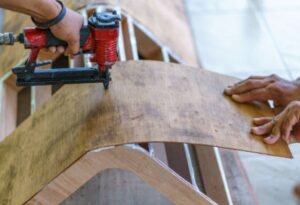
Let’s look at a few examples of how staple choices impact your project success. These scenarios will show you the real-world impact of selecting the right staples for the job. They also show how problems can happen when you use the wrong staples. Consider how the correct choices make the work simpler, safer, and yield a better result.
-
- Upholstery Project: You’re working on reupholstering a chair. You want to attach fabric to the wooden frame. You choose staples with a wide crown and a correct length. This ensures the fabric is held securely. The wide crown prevents tearing, and the length penetrates the wood sufficiently. The result is a clean, professional finish.
A narrow crown staple or incorrect staple length could cause the fabric to tear, or pull loose, and damage the fabric.
-
- DIY Crafting: You’re creating a wooden picture frame. You choose brad nails to attach the corners. The brads are thin enough to avoid splitting the wood. The result is a clean and tight corner joint, without any visible fasteners.
Using the wrong staples can lead to splitting in the wood or an unsightly finish.
Consider these sample scenarios to better visualize the impact of staple choices:
-
- Scenario 1: Insulation Installation. You’re attaching insulation to the studs in a wall. Using staples that are too short will cause the insulation to fall, while using staples that are too long could damage the studs. The correct length of staples will hold the insulation snugly, without causing problems.
Choosing the correct staple size provides a neat, efficient, and long-lasting result.
-
- Scenario 2: Building a Garden Fence. You need to fix wire mesh to wooden posts. Using a staple with a narrow crown may allow the mesh to pull free over time. The correct crown width will provide a secure grip, holding the mesh firmly.
These scenarios highlight how the choice of staples contributes directly to the success of your project.
The Impact of Incorrect Staples
Selecting the wrong staples can lead to multiple problems. It’s important to understand these issues. They include mechanical problems and aesthetic damage. It also causes safety hazards. These problems can lead to wasted time and materials. They can also frustrate your projects. Knowing these issues helps you make smart choices. It also helps you protect your tool and yourself.
-
- Jams and Malfunctions: Incorrect staples often lead to jams. A staple that is too long, short, or the wrong gauge can get stuck in the gun’s mechanism. This can stop your work. It also has the potential to damage the staple gun.
Jams disrupt your flow. They also cause potential harm to your tools.
-
- Incomplete Fastening: Using staples that are too short or the wrong type can result in incomplete fastening. The staple might not penetrate deep enough or hold the material securely. The material will eventually pull away.
This is a big problem if the staple does not stay put. You have to redo the work.
-
- Tool Damage: Putting the wrong staples into your staple gun can lead to internal damage. Forceful use of an incompatible staple can bend or break key components. This damage might need costly repairs or a new tool.
Protect your tool. Using the right staples prevents expensive repairs.
Exploring Staple Gun Brands and Compatibility
While staple brand isn’t the most important aspect, there are nuances. Some staple gun manufacturers make their own staples. They design these staples to work best with their tools. However, many staple gun models are designed to use standard staple sizes. This means that a staple from one brand can often work perfectly well in a staple gun from a different brand. The critical thing is to verify the staple dimensions. This way, you ensure a perfect fit and performance. The best way to know what staples to buy is to consult the staple gun manual.
-
- Brand-Specific Staples: Some manufacturers make staples for their tools. These staples may have specific features. They may offer optimal performance. These brands focus on making staples with features that enhance the tool’s performance.
These staples are designed to work seamlessly with the tool’s mechanism.
-
- Universal Staples: Many staple gun models accept standard sizes and types of staples. This increases your choices when you buy staples. You may choose from various brands, depending on price, availability, and features.
Knowing that you have options empowers you to select the best staples for your needs.
-
- Testing Staples: Before committing to a big purchase, test a small pack. Fire a few staples into a piece of scrap wood. Then, inspect how well they drive and hold. This test helps you know if the staples are a good match for your tool.
Testing a few staples can help you to avoid problems later.
Staple Gun Safety
Safety is a priority when using any tool. It’s especially crucial when working with staple guns. Improper use can lead to injury. Make sure you know how to operate your staple gun safely before you begin any project. This includes wearing proper protective gear. It also includes taking the proper precautions to prevent accidents.
-
- Wear Safety Glasses: Always wear safety glasses or goggles. Staples can fly up, especially if they hit a hard surface or knot in the wood. Safety glasses protect your eyes from injury.
This is the most important step for protecting your eyes.
-
- Keep Hands Away: Never place any part of your body in the path of the staple gun. This also includes your non-dominant hand. Accidental firing can lead to serious injury.
Always hold the tool securely and keep your hands away from the firing end.
-
- Unplug or Disable When Not in Use: For electric or pneumatic staple guns, disconnect the power source or air supply when not actively stapling. This keeps the tool from misfiring.
This will help prevent accidental firing of the staple gun.
Staple Gun and Staple Selection Tips
You can make informed decisions by knowing about staple selection. Consider these tips. They will help you choose the right staples for your tasks. Your projects will be more efficient and you’ll prevent problems from occurring.
-
- Know Your Project Needs: Decide what you are attaching. Consider the materials and where you are working. The right staple type and size will depend on these details.
The job you’re doing helps you choose the right staples.
-
- Buy in Small Quantities: Start with smaller quantities. Try different sizes and types. This will help you know what works best for your projects.
Buying in smaller quantities allows for more flexibility.
-
- Store Staples Properly: Store staples in a dry place. Keep them safe from moisture. This will prevent rust. Rust may jam your staple gun.
Proper storage ensures the staples work properly.
Frequently Asked Questions
Question: Can I use any brand of staples in my staple gun?
Answer: It mainly depends on the staple’s size and type, not the brand. Check your staple gun manual for size specifications and recommendations.
Question: What happens if I use the wrong size staples?
Answer: Using the wrong size staples can lead to jams, incomplete fastening, or damage to the staple gun.
Question: Are there different types of staples?
Answer: Yes, there are different types, such as crown staples and brad nails, each designed for specific purposes.
Question: How can I find the correct staple size for my staple gun?
Answer: Refer to your staple gun’s manual or markings on the tool to determine the correct size and type of staples.
Question: Is it safe to use a staple gun?
Answer: Staple guns can be safe if used correctly. Safety glasses and being careful with your hands are vital.
Final Thoughts
So, can a staple gun use different brand staples? The core idea is that staple guns are designed to accept specific sizes and types of staples. It’s more about the staple’s specifications than the brand name. The brand often doesn’t matter as much as these key details. By prioritizing the correct size and type of staple, you’re on your way to success in your projects. Whether you are reupholstering a chair, doing some crafting, or working on home improvement tasks, selecting the correct staples is crucial. This helps to guarantee efficient work, secure results, and a longer life for your tool. Next time you grab your staple gun, remember to check your manual. You’ll be prepared to tackle your projects with confidence. This helps you to produce professional results.

I’m Michael R. Turner, the founder, lead writer, and passionate DIY enthusiast behind 101diytools.com. With years of hands-on experience in home improvement and power tools, I built this platform to share practical tips, in-depth guides, and honest reviews to help DIYers of all skill levels tackle projects with confidence and the right tools.