Can a Pancake Compressor Run an Impact Wrench
Picture this: it’s Saturday morning, and you’re set to rotate your tires.
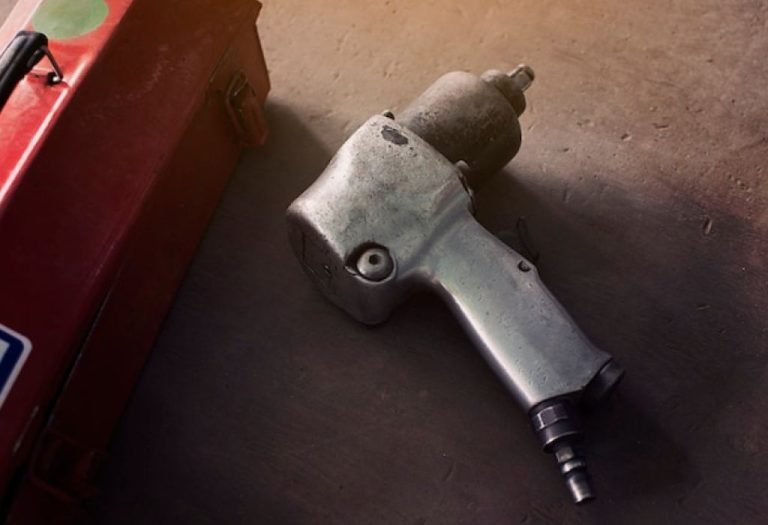
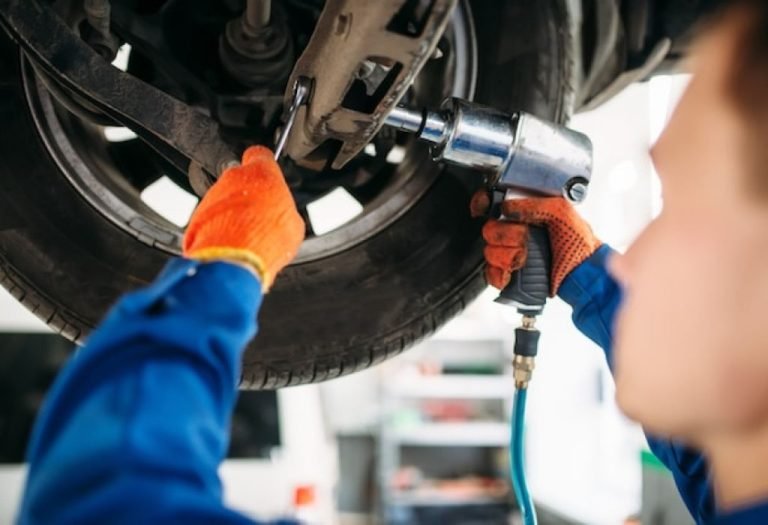
You roll out your trusty pancake compressor, connect the hose, and fire up your half-inch impact wrench
. The first lug nut comes off with ease, the second takes some effort, but by the third, the compressor is already running nonstop and losing steam. What seemed like a quick project now feels like a battle.
The question many DIY mechanics ask is simple: can a pancake compressor run an impact wrench?
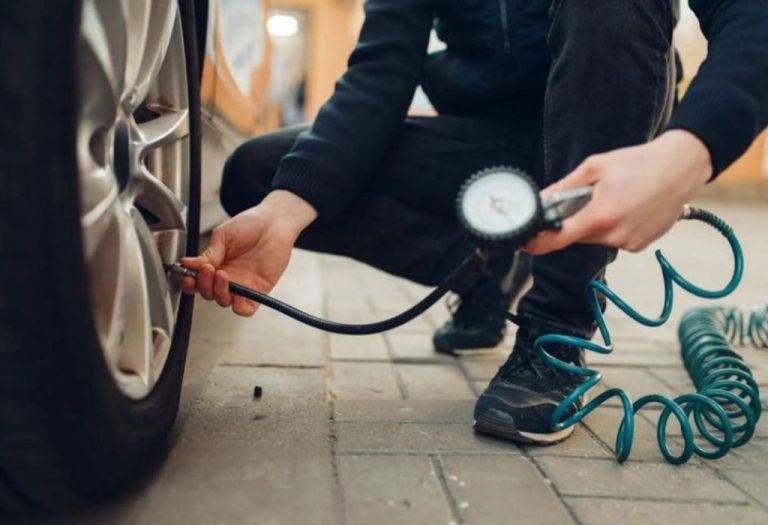
On paper, most pancake compressors boast 150–165 PSI. That sounds impressive, but the real number to watch is SCFM (standard cubic feet per minute) at 90 PSI, which tells you how much air the compressor can deliver continuously.
A typical 6-gallon pancake compressor puts out about 2.6 SCFM at 90 PSI , while most ½-inch impact wrenches require 5–6 CFM at 90 PSI to perform at their best .
This mismatch explains why your tool may spin freely at first, then stall under load. It’s not about tank size or pressure—it’s about airflow.
Understanding this difference helps you set realistic expectations, avoid frustration, and decide whether to upgrade your setup.
Quick Answer: Yes—in Short Bursts, No for Continuous Jobs
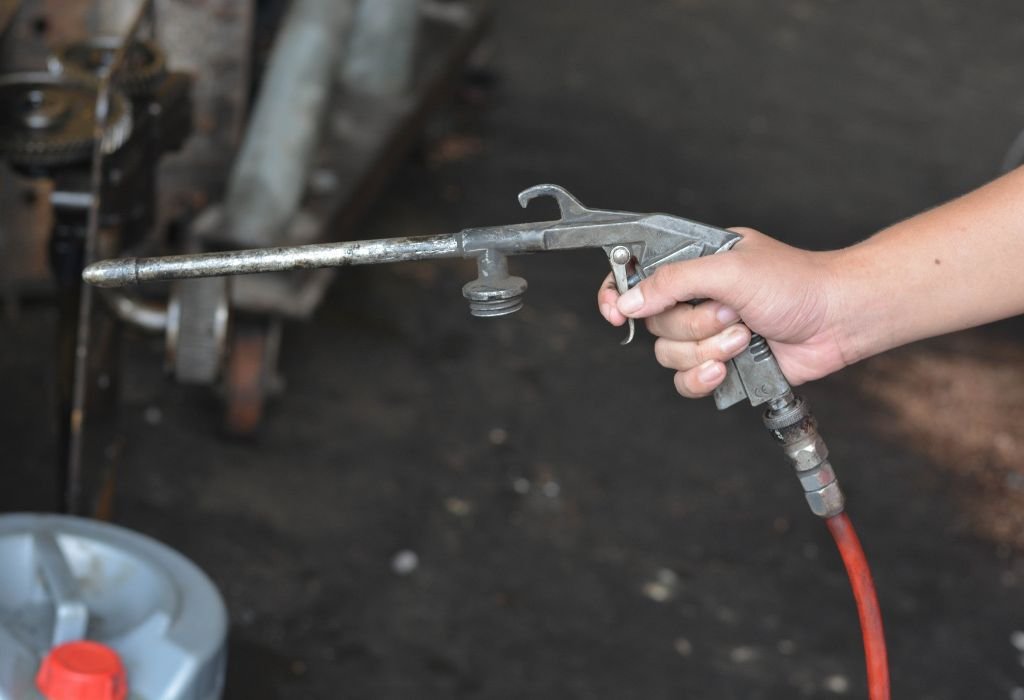
A pancake compressor can run an impact wrench, but only for short bursts. You might remove a couple of lug nuts before waiting for the tank to recharge. For continuous heavy work, the compressor simply doesn’t move enough air.
Will a pancake remove lug nuts?
Yes, usually 1–3 at a time, depending on how tight they are.
Why does PSI look high but performance is low?
Because CFM limits the airflow, not PSI.
How long until it recovers?
Expect recovery pauses after just a few bolts.
Can technique help?
Yes—use short bursts, penetrant spray, and pre-crack fasteners with a breaker bar.
Is a bigger tank enough?
No, it extends burst time but doesn’t solve low CFM flow.
Air Basics: PSI vs CFM vs Tank Size
PSI is pressure, CFM is airflow, and tank size is runtime buffer. For impact wrenches, CFM is the deciding factor.
What CFM does a ½-in impact need?
Around 5–6 CFM at 90 PSI .
What does a 6-gallon pancake deliver?
About 2.6 SCFM at 90 PSI .
So why does it stall?
The tank empties quickly, and the pump can’t keep up.
Does hose size matter?
Yes—short, wide hoses (⅜-in) help reduce losses.
Real Specs: Pancake Compressors vs Impact Wrenches
Most pancakes: 2.6 SCFM at 90 PSI.
½-inch impact: 5–6 CFM at 90 PSI.
That’s less than half the airflow the tool demands.
Is “SCFM at 90 PSI” the right number to check?
Yes, always compare SCFM at 90 PSI.
Does higher max PSI help?
Not much—it only extends burst time, not flow.
Could a high-efficiency pancake be better?
Specs are similar across brands.
What about lighter tools?
⅜-in ratchets and nailers work better with low-CFM units.
When a Pancake Works Fine
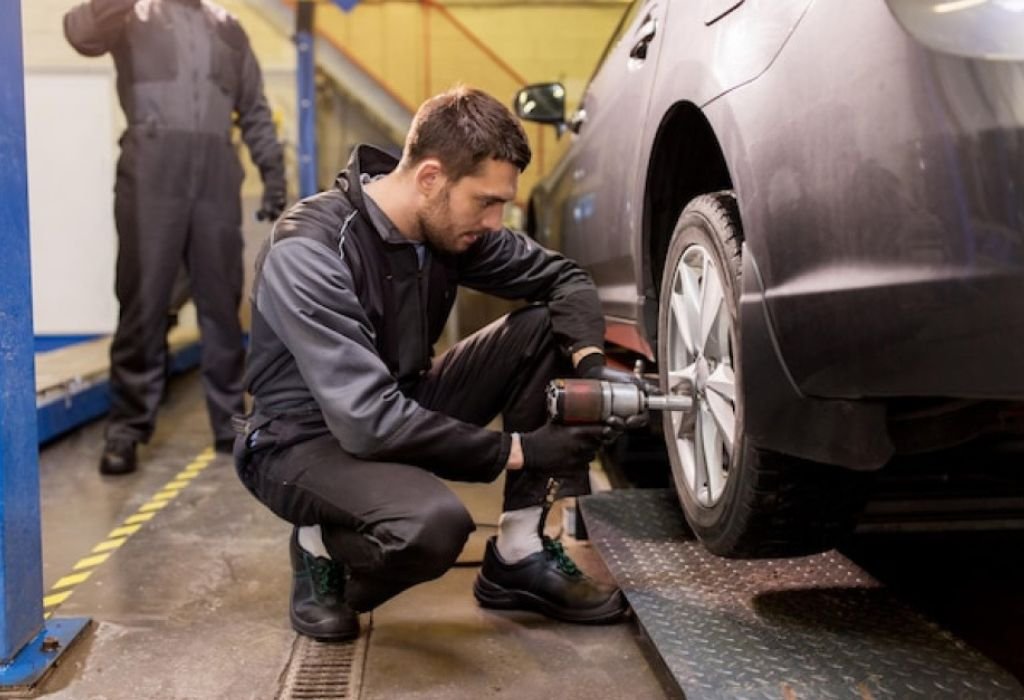
For light DIY tasks—like rotating car tires, removing a few bolts, or small jobs—a pancake compressor can work if you don’t mind waiting between bursts.
How to maximize results?
Use short bursts and penetrant spray.
Best hose setup?
High-flow couplers and ⅜-in hoses.
Tank strategy?
Start at full charge, stop when it cycles constantly.
Socket tips?
Use impact-rated sockets to prevent energy loss.
Any accessories to help?
An auxiliary tank can extend burst time.
When You’ll Hate It
Trying to remove seized lug nuts, working on trucks, or running an impact continuously will expose the pancake’s limits fast.
Why does torque fade quickly?
The tool is starving for air.
Can two pancakes daisy-chain?
It helps a little but flow is still limited.
Will a bigger regulator fix it?
No—regulators can’t create airflow.
What signs say stop?
Long waits, weak torque, hot pump.
Best alternative?
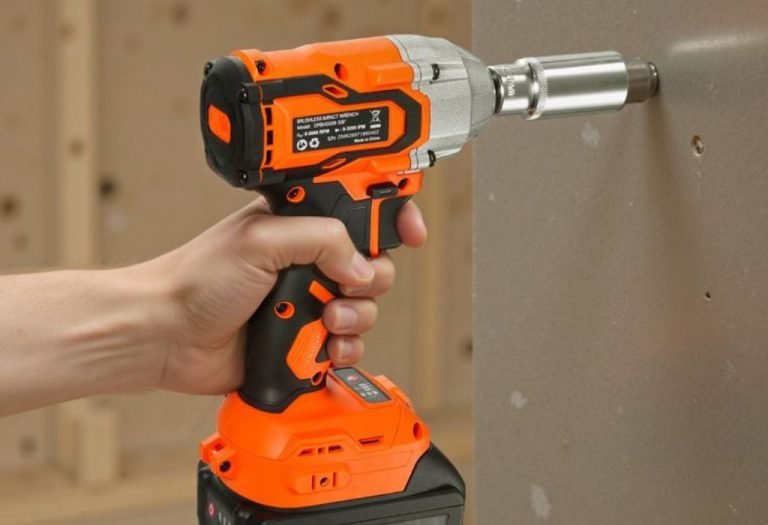
Use a cordless ½-in impact for tough jobs.
Smart Alternatives
If you want hassle-free impact wrench use, upgrade your compressor.
Minimum compressor size?
At least 5–7.5 SCFM at 90 PSI .
Is a 20–30 gallon unit better?
Yes—longer runtime and higher airflow.
Cordless vs air?
Cordless impacts rival air tools for lug nuts.
Should I go 60 gallons?
Yes, if you run multiple air tools.
Spec tip?
Always compare SCFM at 90 PSI.
Setup Checklist
Regulator setting
Check PSI at the tool while flowing.
Hose & fittings
Go with ⅜-in hose and high-flow couplers.
Drain the tank
Moisture reduces performance and causes rust.
Filter & oilers
Hand-oil the tool; add filters if needed.
Extension cords
Use heavy-gauge cords to prevent power drop.
Buyer’s Pointers: Reading Specs Like a Pro
Don’t be fooled by marketing. The SCFM rating at 90 PSI is what matters.
Where is SCFM listed?
On the spec sheet under “Air Delivery.”
What’s duty cycle?
How long the pump can run per hour.
Is noise relevant?
Only for comfort, not performance.
Warranty/parts?
Choose brands with good support.
Return policy?
Test and return if it underperforms.
FAQs
Can a pancake compressor run an impact wrench for tire rotations?
Yes, but expect recovery pauses.
What CFM is needed for no-wait use?
At least 6–8 SCFM at 90 PSI.
Is PSI more important than CFM?
No—CFM determines sustained torque.
Will a bigger tank fix it?
No, it just buys short bursts.
What’s the cheapest upgrade?
Buy a cordless impact wrench.
Conclusion
So, can a pancake compressor run an impact wrench? Yes, but only in short bursts for light jobs. For seized bolts or continuous work, it simply lacks the airflow. If you want reliable, no-wait performance, invest in a compressor rated 6+ SCFM at 90 PSI or switch to a modern cordless impact. That way, your weekend projects stay fast, efficient, and frustration-free.

I’m Michael R. Turner, the founder, lead writer, and passionate DIY enthusiast behind 101diytools.com. With years of hands-on experience in home improvement and power tools, I built this platform to share practical tips, in-depth guides, and honest reviews to help DIYers of all skill levels tackle projects with confidence and the right tools.